

Jordan
Short description
The first thing you notice driving out of Amman
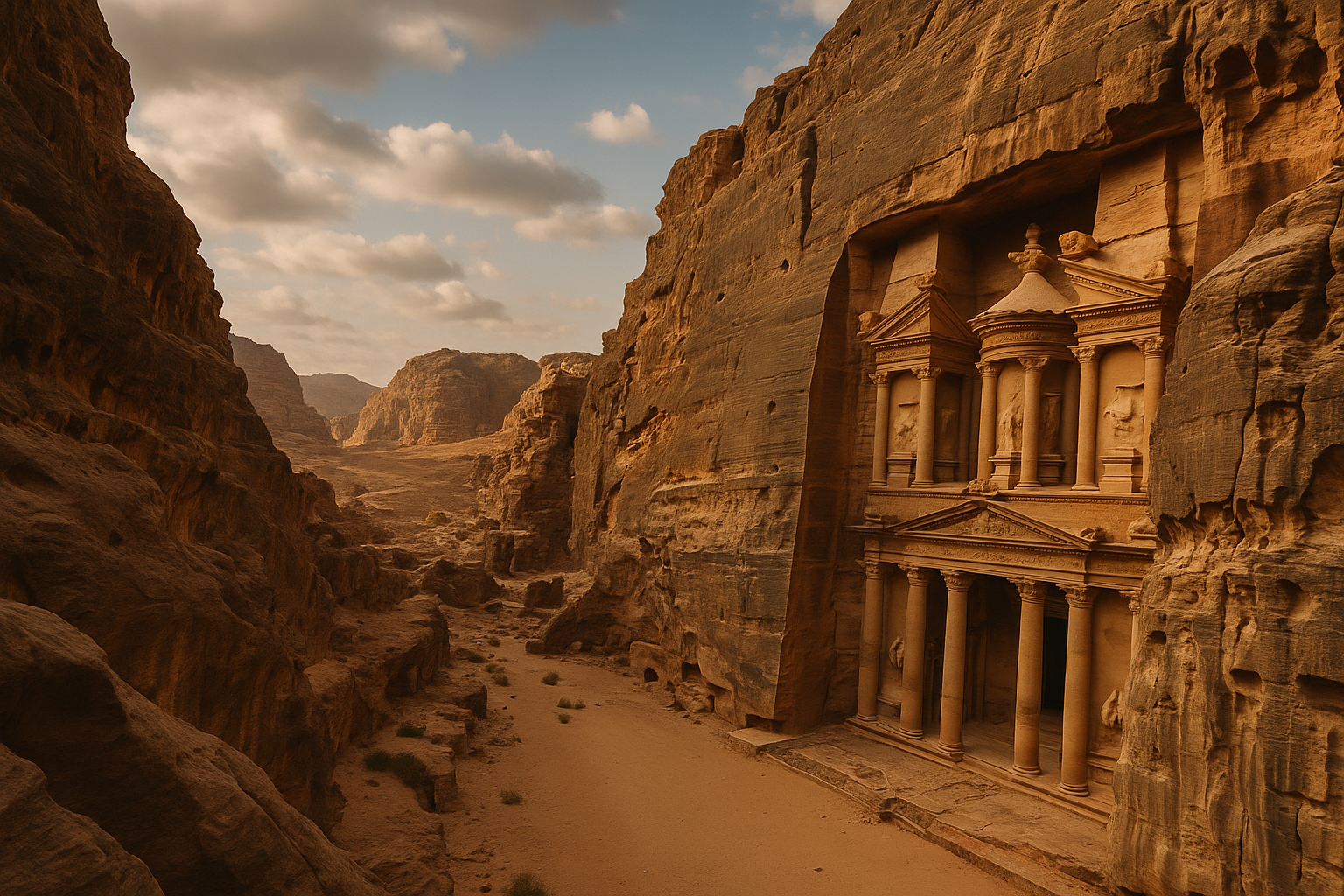
The road down to the Dead Sea drops rapidly; the light sharpens and the hills change from built terraces to ochre rock in less than an hour. Jordan’s scale is deceptive — a short drive covers what feels like a move between worlds: crowded cafés and painted houses in Jabal Amman, green terraces in the north, then the wide, low-lying basins of the south.
Autumn in Jordan: harvests, the first rains and cooling deserts
September to November is when summer heat loosens its grip. Olive groves around Ajloun and the Jordan Valley are busy with harvests from October into November, so you’ll see men and women with nets and ladders and jars of fresh-pressed oil on market stalls. Rain arrives first in the northern highlands and by late November can make Amman’s evenings feel close to winter; the desert, by contrast, drops to chilly nights and crisp mornings — Wadi Rum sleeps cold after sunset, even when the days remain mild.
How travel actually works in Jordan
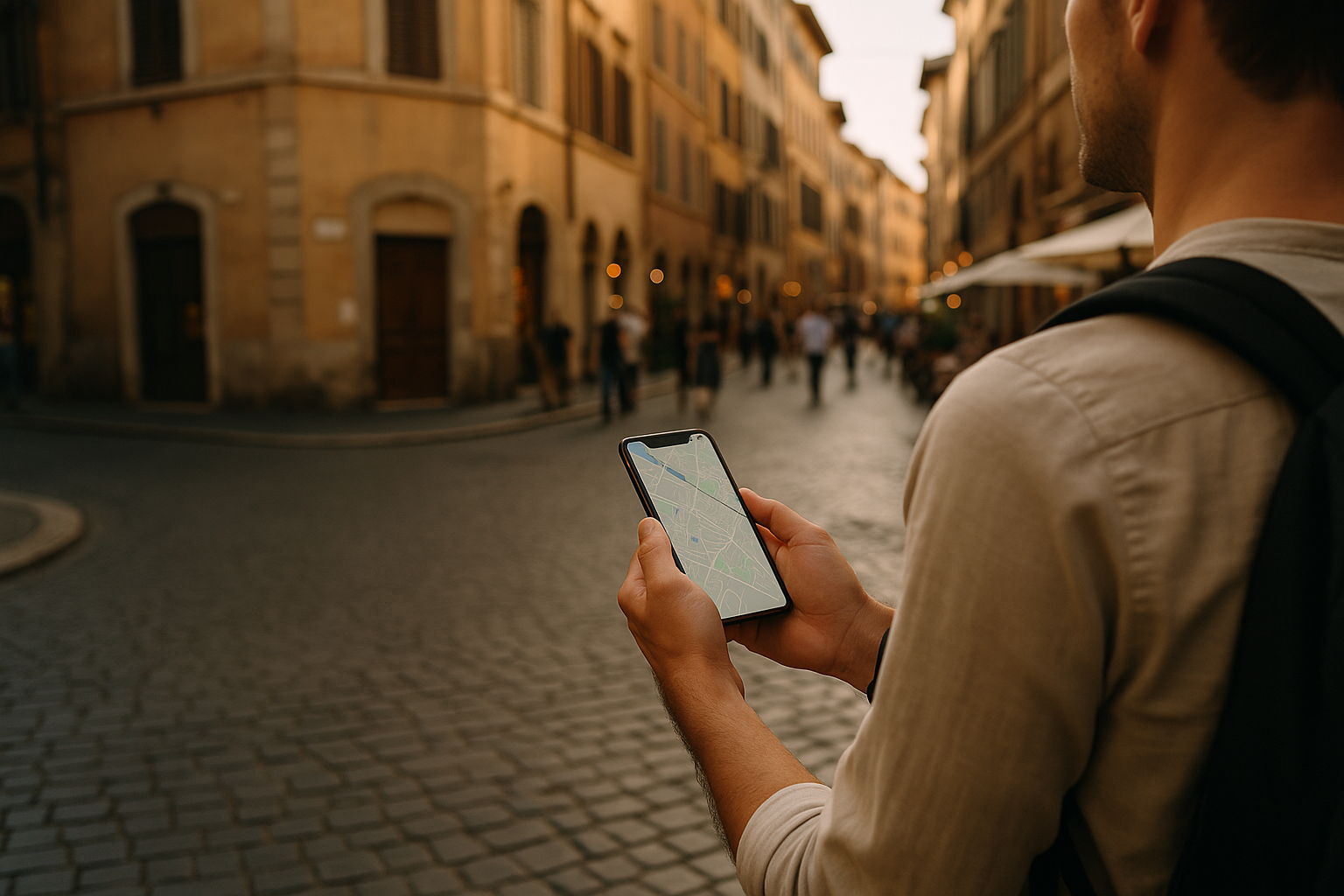
Distances are short enough to do a lot in a few days, but allow time for slow roads and police checkpoints on some highways. Rental cars are the most flexible option and the main highways are well surfaced; shared taxis and minibuses fill gaps between towns. Cards are accepted at hotels and restaurants in Amman and tourist hubs, but carry Jordanian dinars for markets, petrol stations and Bedouin camps. Mobile coverage is strong in cities; it thins out in deep desert, where a paper map or offline directions are useful.
Eating, manners and what locals expect at table
Mansaf is the ceremony food — eaten from a shared platter at celebrations and sometimes in restaurants, served with jameed (a tangy dried-yogurt sauce) and lamb; if invited to a home, wait to be shown where to sit and when to start. Autumn markets are when you’ll taste fresh olive oil and late-season grapes and pomegranates. Hosts typically offer coffee or tea repeatedly; a polite small refusal followed by acceptance is common. Dress modestly in towns and much more so in villages; a covered shoulder and knee-length skirt or trousers keeps attention low.
Quick 5
Jordan
Jordan
Jordan
Jordan
Jordan
Regions

Travel Requirements
What you need to enter Jordan, for the passport you hold.
Places of interest
Landscapes in Jordan
Travel Tips