
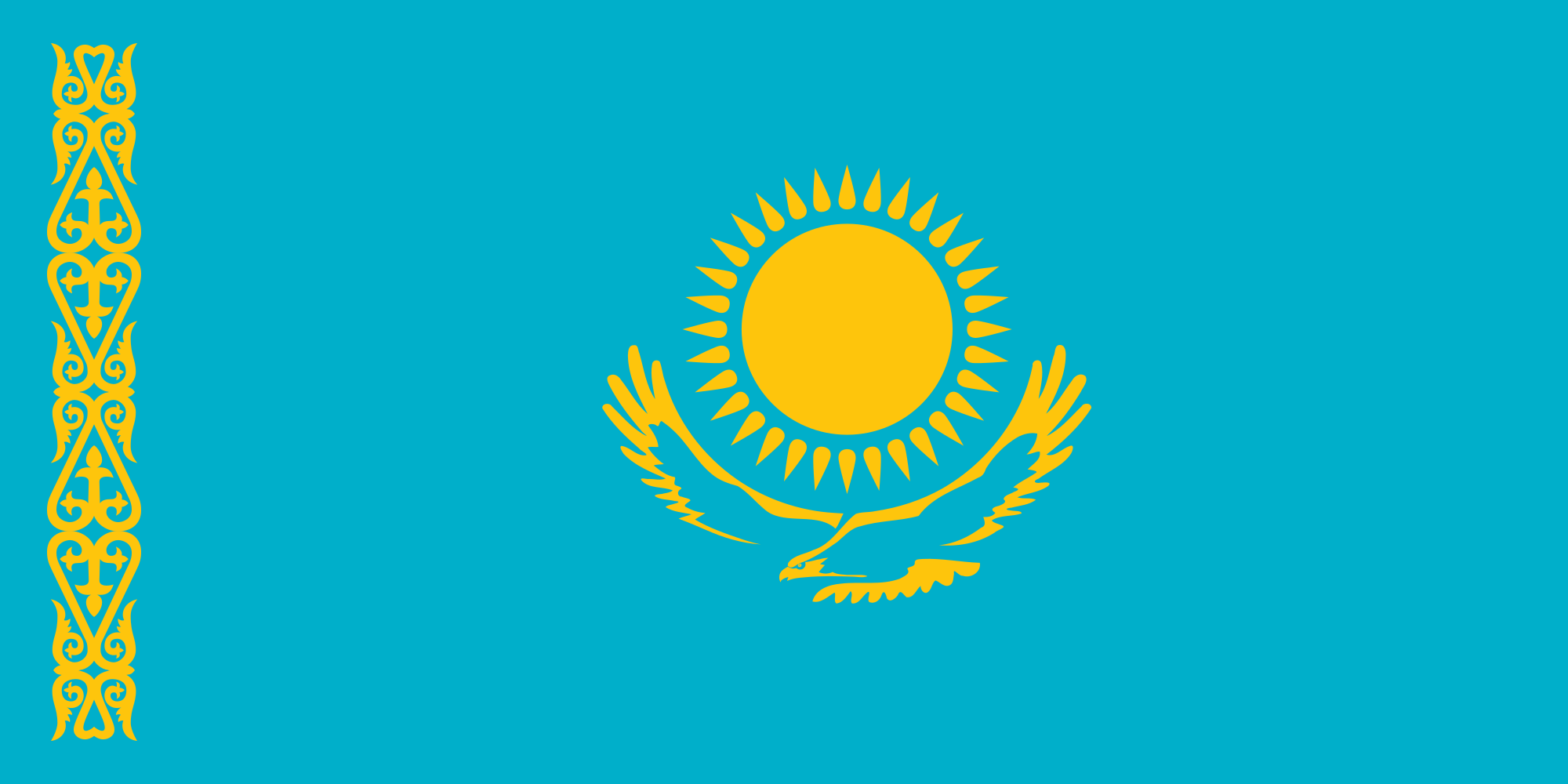
Kazakhstan
Short description
How Kazakhstan feels in autumn
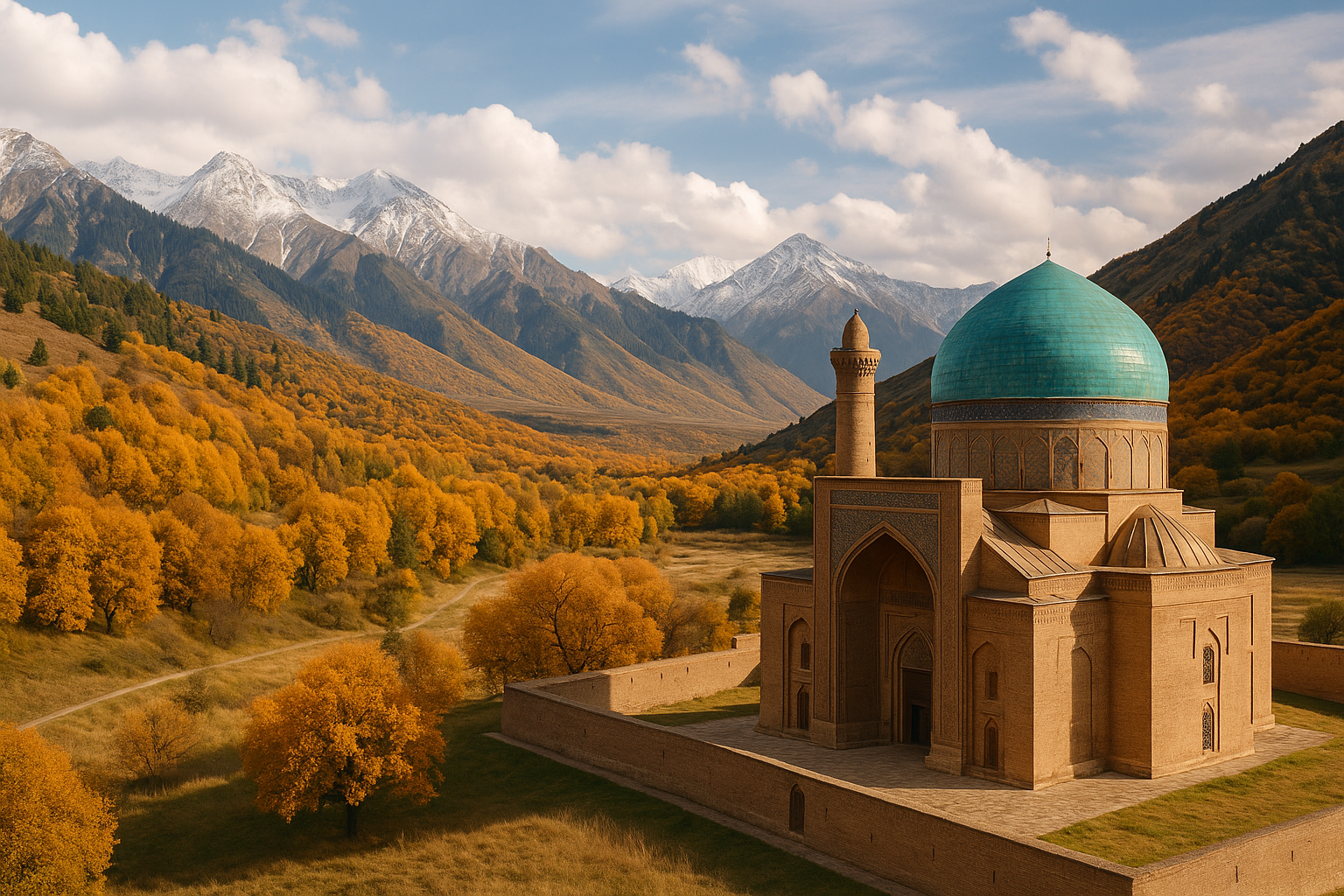
In Kazakhstan the September steppe turns a brittle gold and the first snows cap the Tien Shan and Altai foothills by October and November, so journeys can move from mild to sharply cold in a matter of days. Cities such as Nur-Sultan and Almaty trade the summer heat for brisk winds along wide boulevards; in smaller towns you’ll notice smoke from hearths as families start to cook heartier food again.
What autumn does here
Autumn is the season when migratory rhythms and harvest work intersect: vineyards and small farms around Almaty and in the south finish picking, markets swell with apples and pumpkins, and roadside vendors switch from cold snacks to bowls of broth. In the mountains, trekking routes begin to close as higher passes collect snow; on the northern steppe the air dries and visibility can be exceptional for long-distance drives.
Getting around Kazakhstan in September–November
Distances are the country’s chief logistical fact — trips that look short on a map often take most of a day by road. Overnight trains link major cities, and domestic flights are commonly used to cover the vast gaps; expect cards to work in airports and bigger hotels, but carry tenge for markets, petrol stops and remote guesthouses. Mobile data is reliable in cities but thins out across the central steppe and in mountain valleys.
Daily life, manners and surprises for visitors
You’ll hear Kazakh and Russian in equal measure; older urbanites often start in Russian, younger people switch to Kazakh for local conversation. A handshake and direct eye contact are normal in cities; in rural areas men may be introduced first and elders are asked about family before business. Sharing tea and bread is the common courtesy after introductions — refusing can be taken as rudeness. Many travelers expect ubiquitous nomadic camps; while nomadic culture is visible in food, festivals and rural craft markets, most Kazakhs live in apartment blocks and offices in major cities.
Quick 5
Kazakhstan
Kazakhstan
Kazakhstan
Kazakhstan
Kazakhstán (Kazakhstan)
Regions

Travel Requirements
What you need to enter Kazakhstan, for the passport you hold.
Places of interest
Landscapes in Kazakhstan
Travel Tips