
Kyrgyzstan
Short description
High country rhythms in Kyrgyzstan
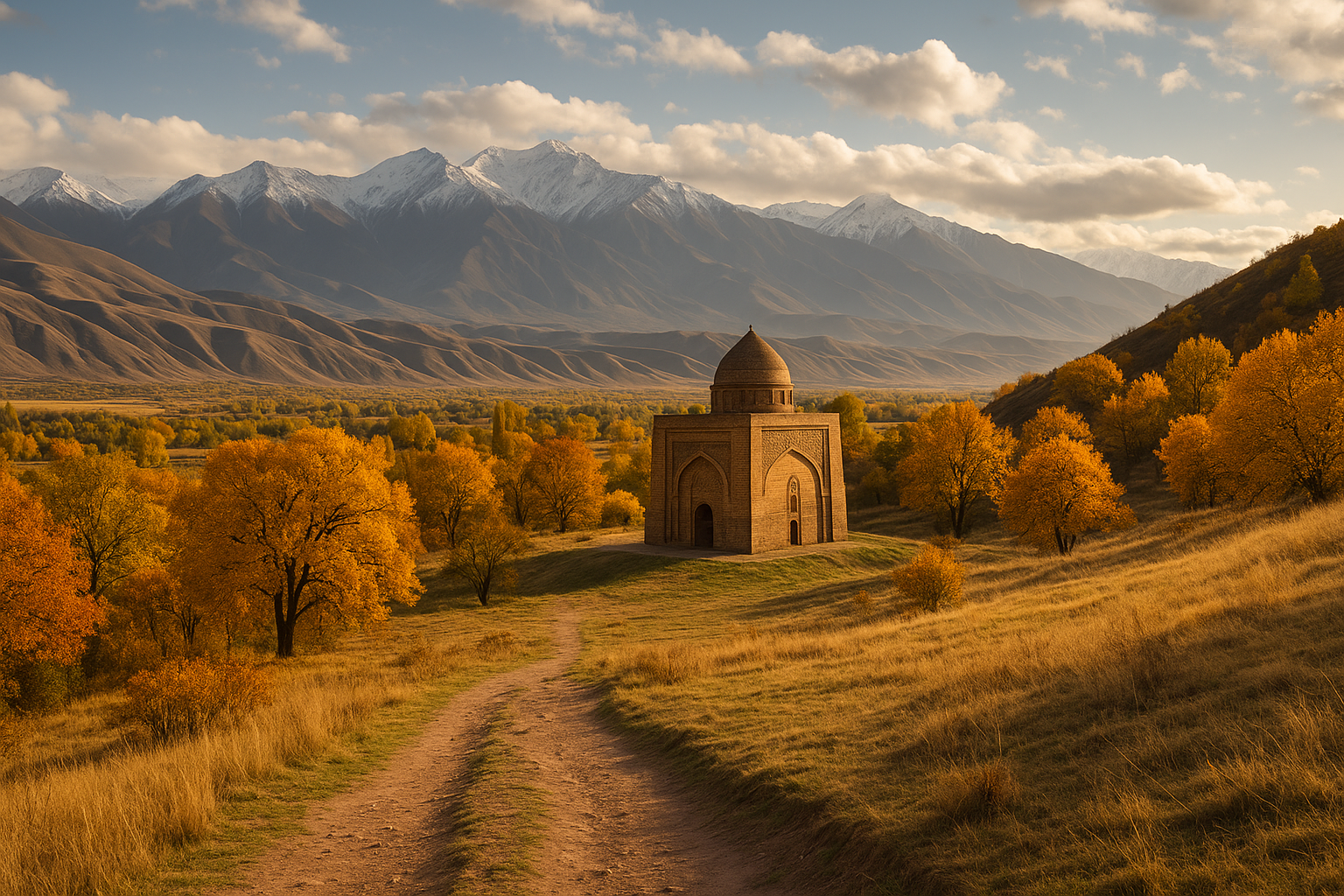
By September the white ribbons of the Tien Shan begin to reappear on the highest ridges while valleys around Issyk-Kul keep warm days; the country’s scale is decided by those ranges more than by its towns. You will notice yurts and corrals on the slopes—the transhumant patterns of family herding are visible from the roadside—and the language on signs switches between Kyrgyz and Russian in a way that signals whether you are in a village or a city.
What autumn actually does here
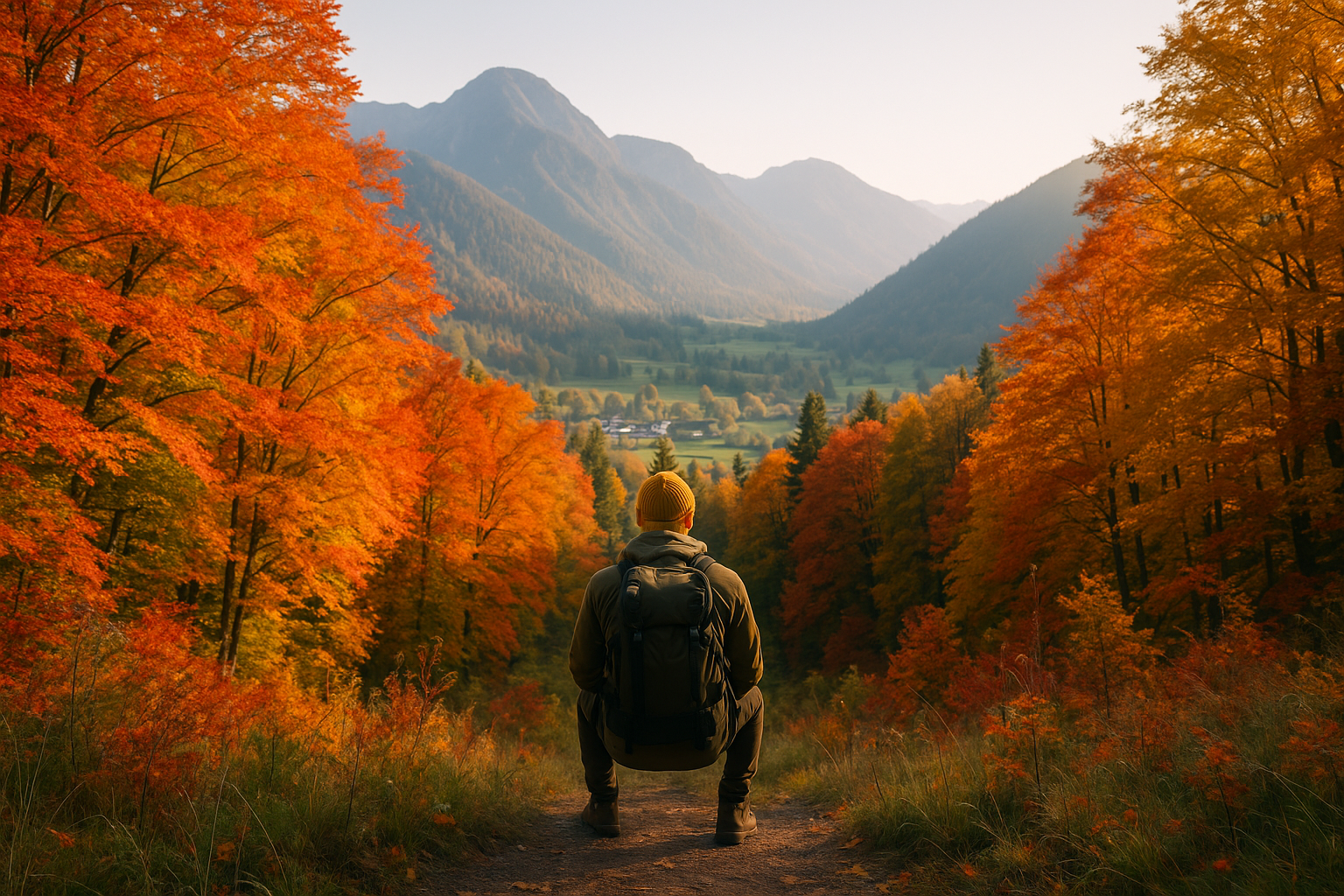
Autumn is the moving season: families bring flocks down from jailoo (summer pastures) toward winter pastures, the first serious snows close higher passes by late October some years, and daylight shortens enough that mountain-day excursions end earlier. Markets shift from summer dairy—kymyz appears less often—to preserved dairy like kurut and dried meat; urban cafés begin to serve heartier broths as evenings cool.
Getting around Kyrgyzstan in autumn
Expect journeys to be measured in mountain hours rather than straight kilometres: a two-hour drive on paper can feel longer when a marshrutka slows for a herd or a roadside market. Marshrutkas and shared taxis remain the most reliable intercity options outside Bishkek; cash in som is still the common currency in bazaars and rural guesthouses, while cards work in larger hotels and some cafés in the capital. Mobile signal can be patchy once you leave the main valleys.
Food, hospitality and small local rules
When invited into a home you will be offered tea and usually meat or noodles—refusing outright can embarrass a host, so try a small portion first. Beshbarmak and lagman are seasonal comforts in cooler weather and shashlik appears at village stalls as animals are prepared for winter. Dress is practical: layers for chilly mornings, and a handshake or the Islamic greeting among older people is common; remove shoes when entering many homes in villages, and accept a second helping if offered.
Quick 5
Kyrgyzstan
Kyrgyzstan
Kyrgyzstan
Kyrgyzstan
Kyrgyzstan
Regions

Travel Requirements
What you need to enter Kyrgyzstan, for the passport you hold.
Places of interest
Landscapes in Kyrgyzstan
Travel Tips