

Malaysia
Short description
How Malaysia feels on the ground
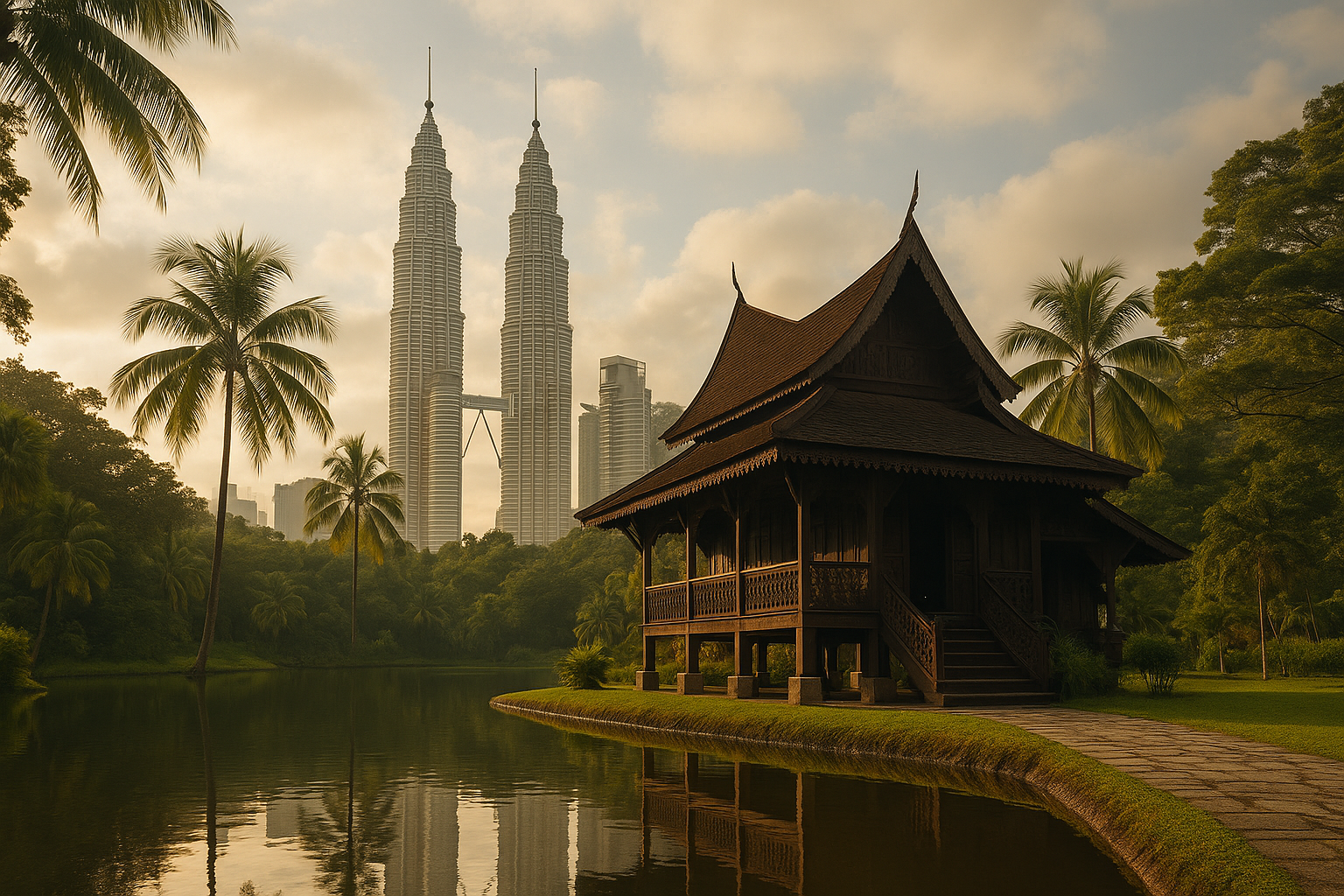
Kuala Lumpur’s skyline is still defined by the Petronas Towers and the web of elevated highways that channel commuters into kopitiams where plates of nasi lemak and bowls of char kway teow arrive at breakfast counters.
Scale varies fast: the west-coast urban corridor moves at a city-commuter tempo, while Sabah and Sarawak on Borneo slip into kampung time — longhouse villages, slow riverboats and markets that open early and close when the sun drops.
Autumn here actually means shifting monsoons
September to November is the inter-monsoon window and the lead into the northeast monsoon: expect hot mornings, dramatic afternoon thunderstorms in Peninsular Malaysia, and seas that begin to roughen for islands off the east coast by November, when many dive operators and island resorts scale back services.
The timing matters for markets and festivals too — mooncake stalls appear in cities in September with the Mid‑Autumn season, and some neighbourhoods host longer rainy spells that push pasar malam night markets under covered walkways.
Getting around in Malaysian reality
Domestic air travel is the backbone: flights from Kuala Lumpur to Kota Kinabalu or Kuching are routine and under three hours, and budget carriers and ferries stitch the peninsula to East Malaysia; driving distances look short on a map but expressway congestion can double travel times around Greater KL.
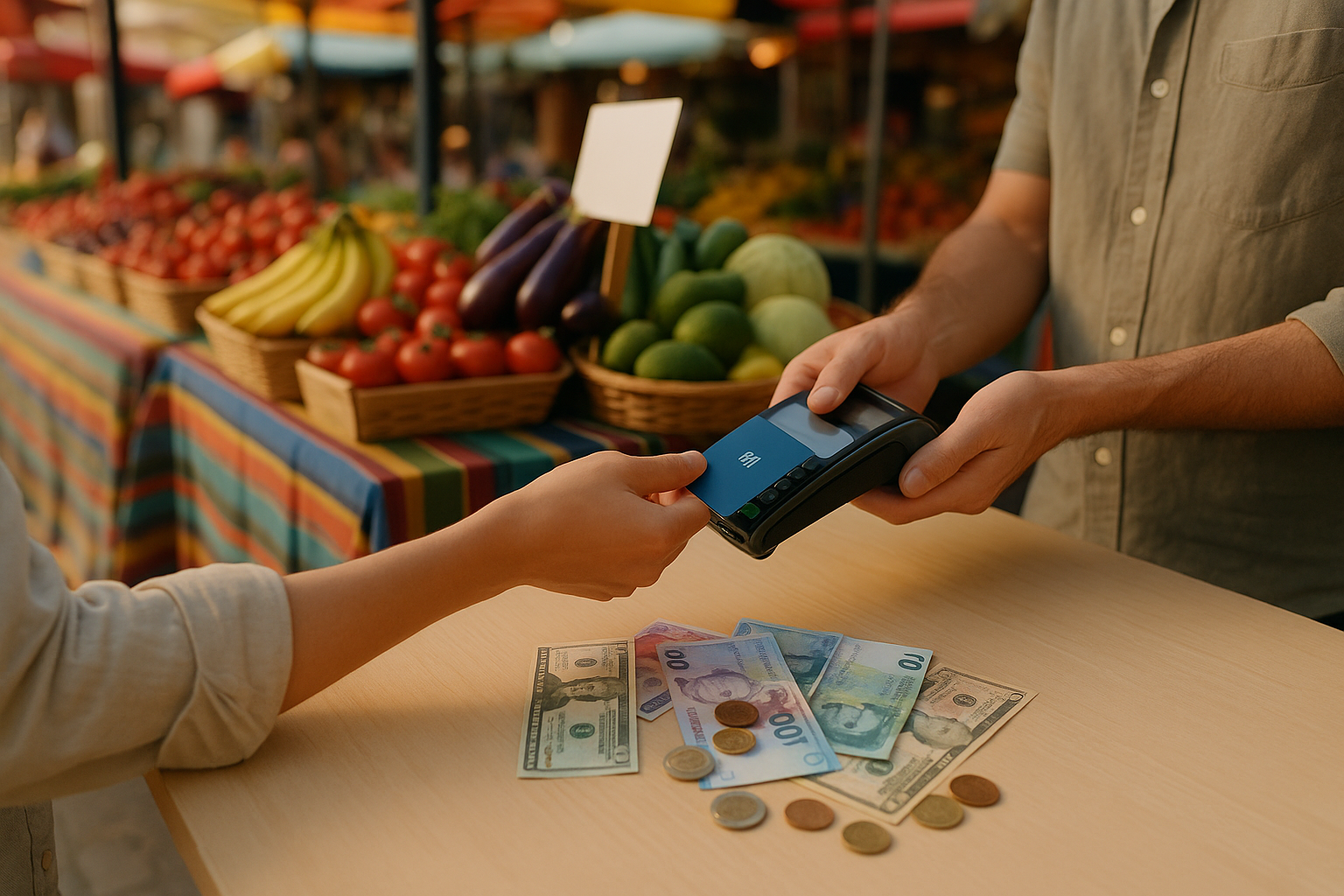
Grab dominates app-based taxis in towns, but in wet weather have ringgit ready — cash is preferred at hawker stalls, pasar malam vendors and rural ferries, while credit cards work reliably in shopping malls and major hotels.
Eating, manners and the small surprises
Meals follow community patterns: mamak stalls serve roti canai and teh tarik late into the night, Chinese kopitiams pour kopi, and Malay households often offer kuih and ketupat during festive moments; expect to remove shoes entering a rumah or some temples, and to wait for a woman to offer a hand first if she wears a tudung.
Visitors often arrive expecting a single culture; what surprises most is how intertwined food and daily routines are across Malay, Chinese and Indian communities — a street can have a satay stall beside a Hindu shrine and a mosque within sight, all part of everyday rhythm in Malaysia this autumn.
Quick 5
Malaysia
Malaysia
Malaysia
Malaysia
Malaysia
Regions

Travel Requirements
What you need to enter Malaysia, for the passport you hold.
Places of interest
Landscapes in Malaysia
Travel Tips