

Myanmar
Short description
How autumn changes Myanmar
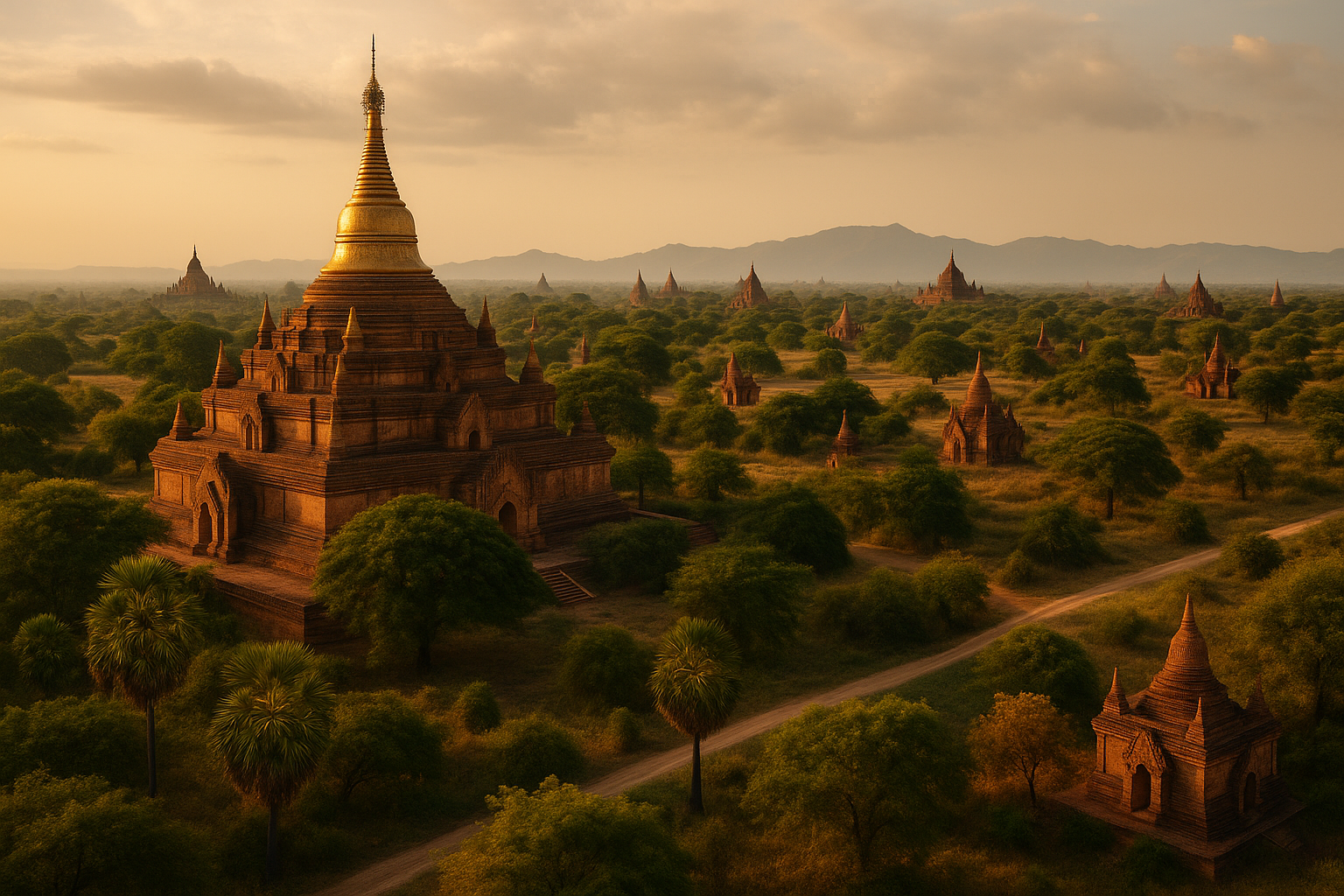
In Myanmar the rainy season unwinds between September and November: September still brings heavy afternoon storms to the delta and southern coasts, October is the month of lights (Thadingyut) when pagoda platforms glow each evening, and by November the central plains and the banks of the Irrawaddy have a dry clarity that feels like a reset after the rains.
What travel actually feels like in these months
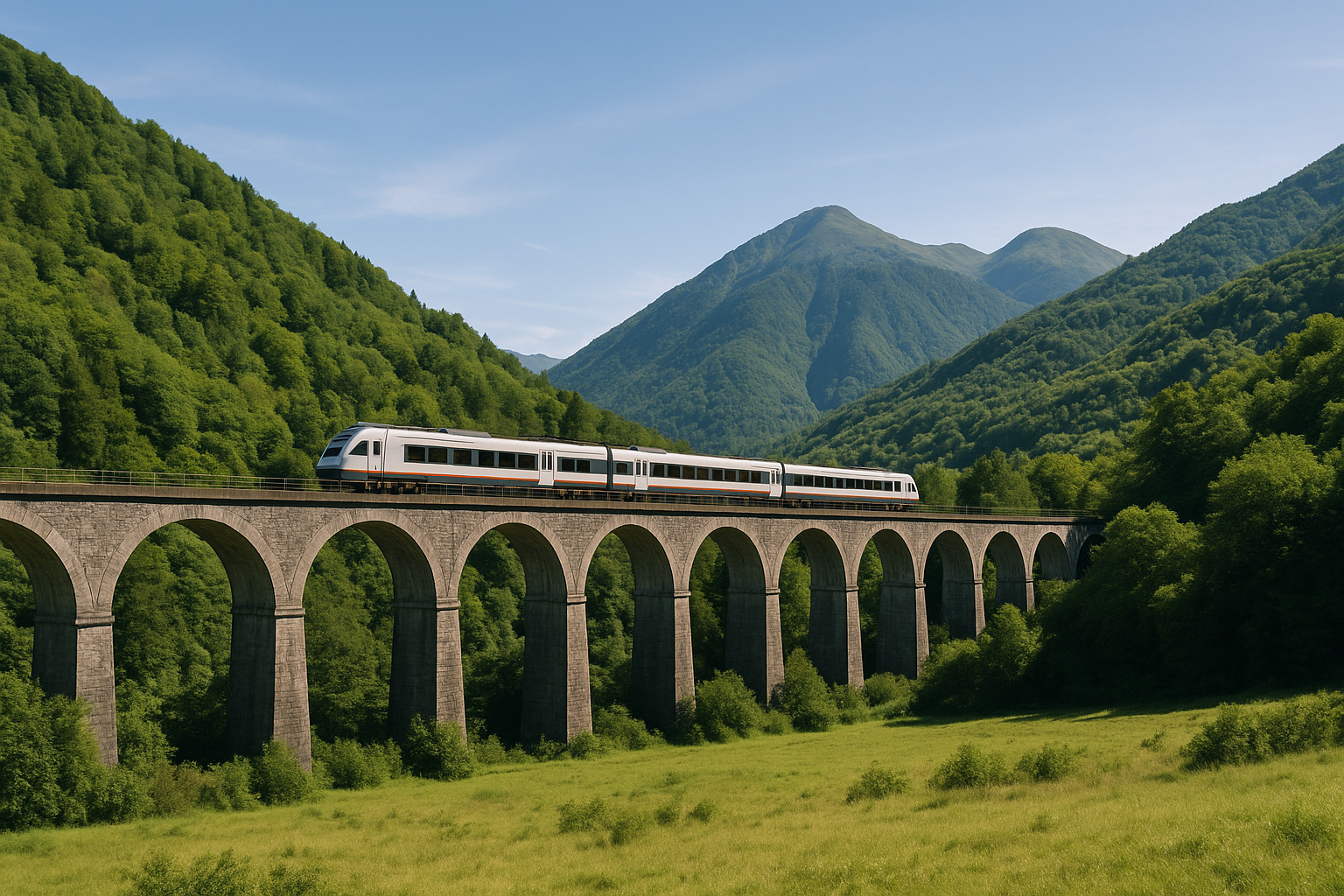
Roads that were slippery in August firm up but some backroads remain churned and slow well into October, so expect journeys that take longer than map distances suggest—overnight buses and domestic flights are common ways to save time. Trains run, often late, and reward patience with slow-moving views of harvested rice paddies. Card acceptance is improving in Yangon and Mandalay, but small towns and market stalls still want Myanmar kyat; ATMs and card machines are sparse outside larger centres. Mobile data is usable in cities and tourist hubs, patchier in remote regions.
What locals do and the small rules you’ll meet
People greet you with mingalaba and a slight bow; wearing comfortable clothing that covers shoulders and knees is expected at pagodas and many village households. Remove shoes and socks at temple thresholds and often at shop entrances. Women do not touch monks directly; if you need to hand something to a monk, either place it on a table or hand it via a male intermediary. You will see thanaka paste on faces and arms—accepting a friendly stare about it is part of the etiquette.
Eating in autumn in Myanmar
Breakfast is often a street experience: bowls of mohinga at morning stalls, tea-shop breakfasts served with small plates throughout the day, and lahpet thoke (tea-leaf salad) offered as both street snack and ceremonial dish during festival weeks. Meals are commonly shared from central plates; if someone offers you a portion first, it’s a sign of welcome. Be ready to try fermented and pickled flavours—many families have jars of tamarind and pickled vegetables prepared after the harvest.
Quick 5
Myanmar
Myanmar
Myanmar
Myanmar
Myanmar
Regions

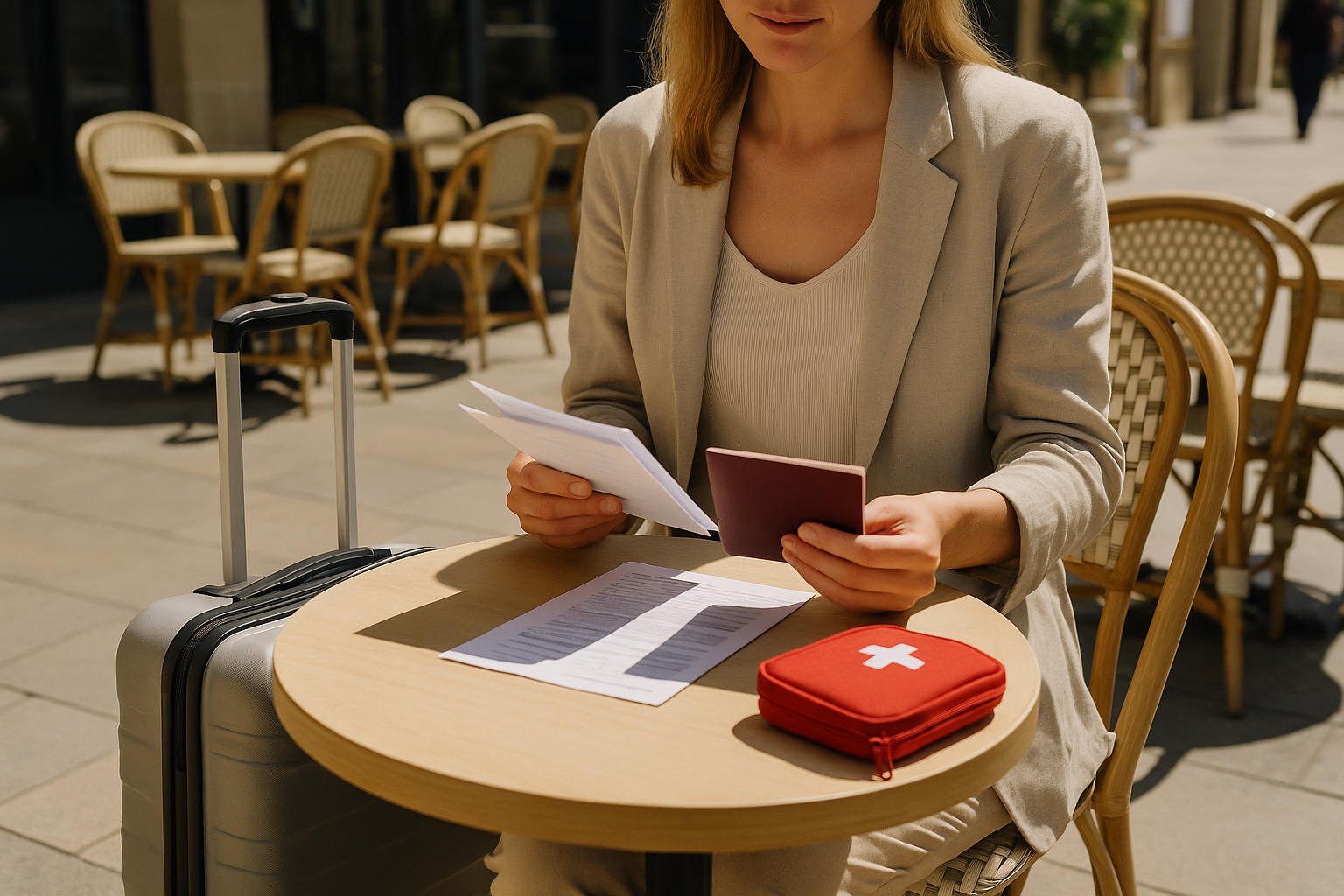
Travel Requirements
What you need to enter Myanmar, for the passport you hold.
Places of interest
Landscapes in Myanmar
Travel Tips