

Nepal
Short description
How Nepal feels on the trail and in the towns
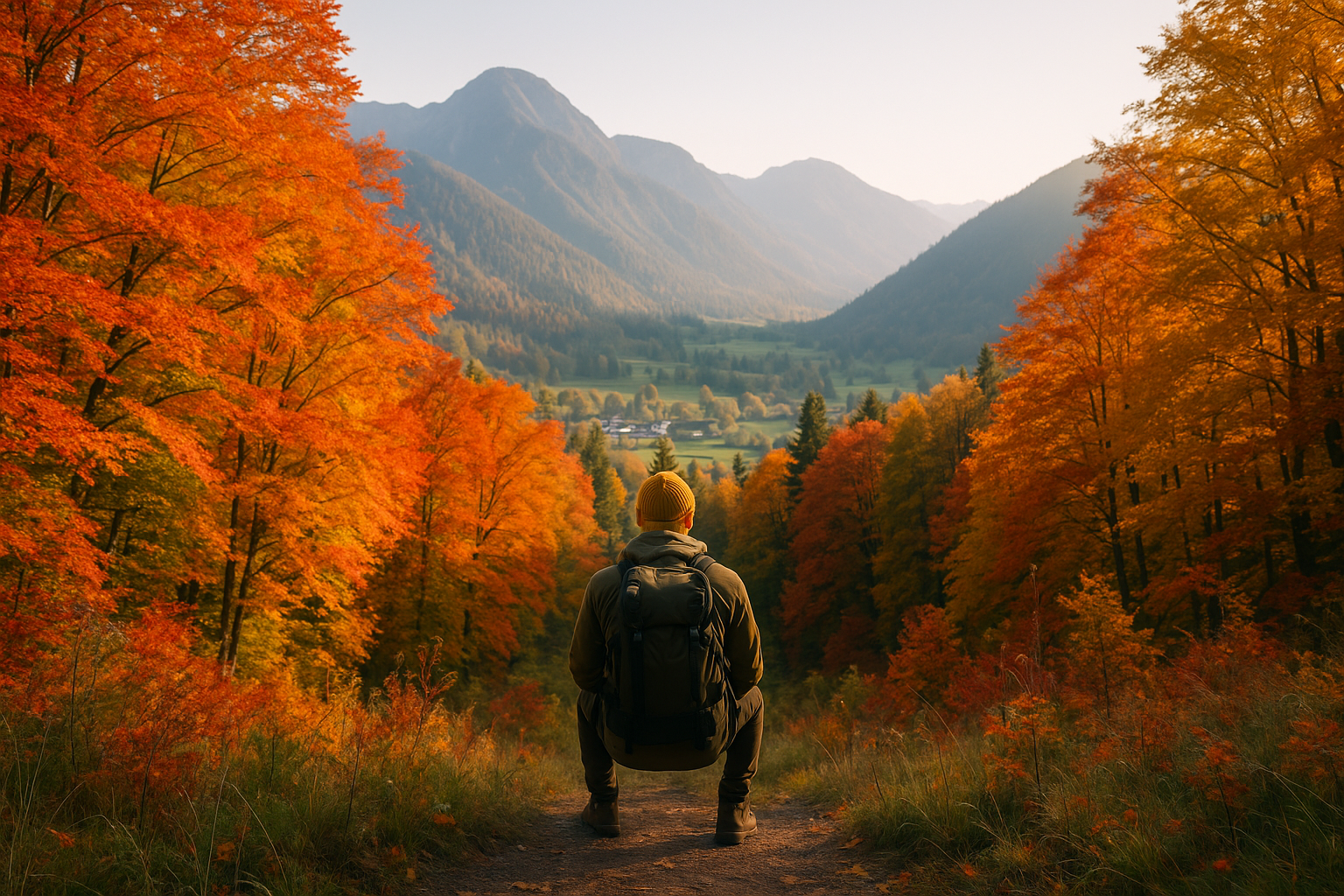
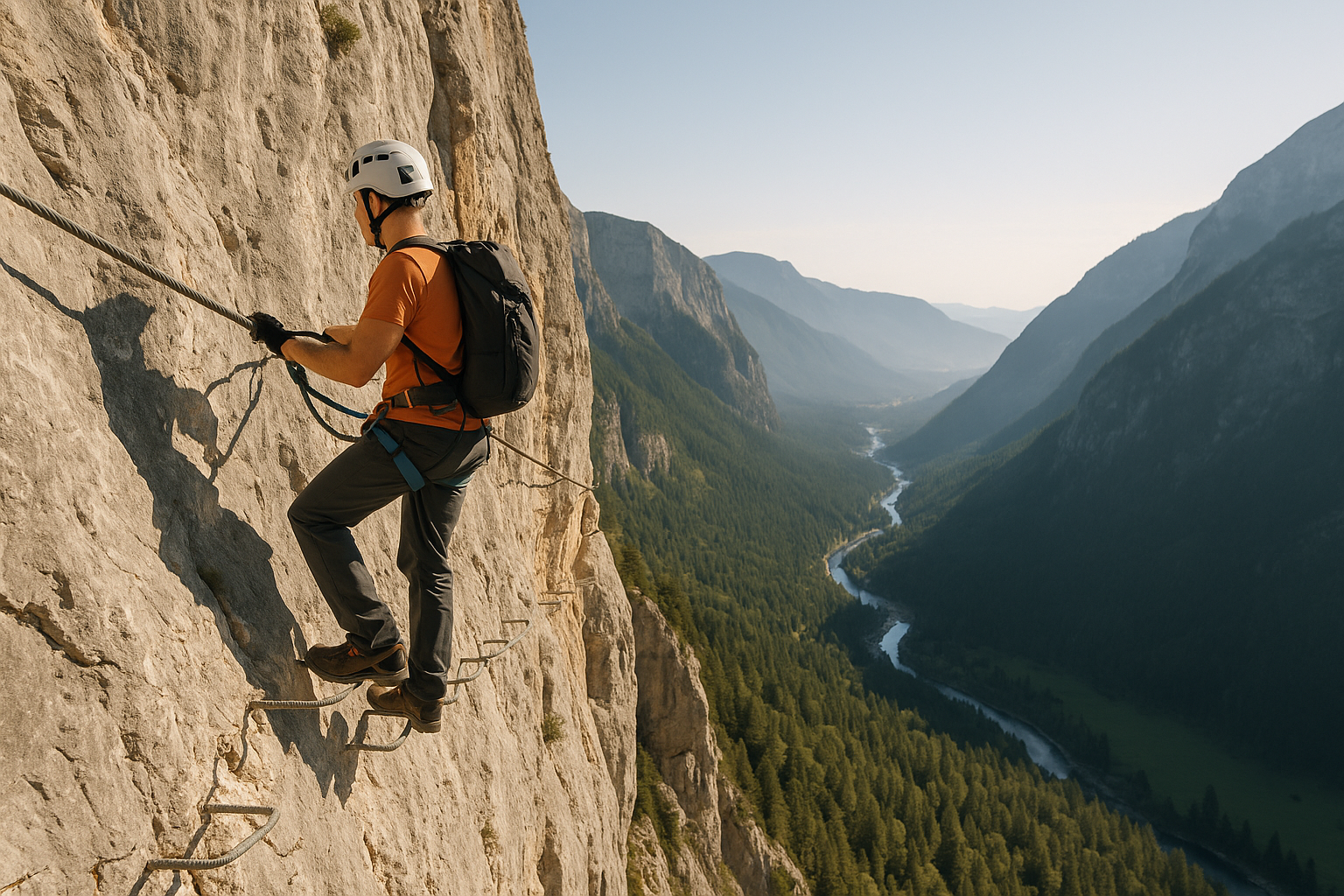
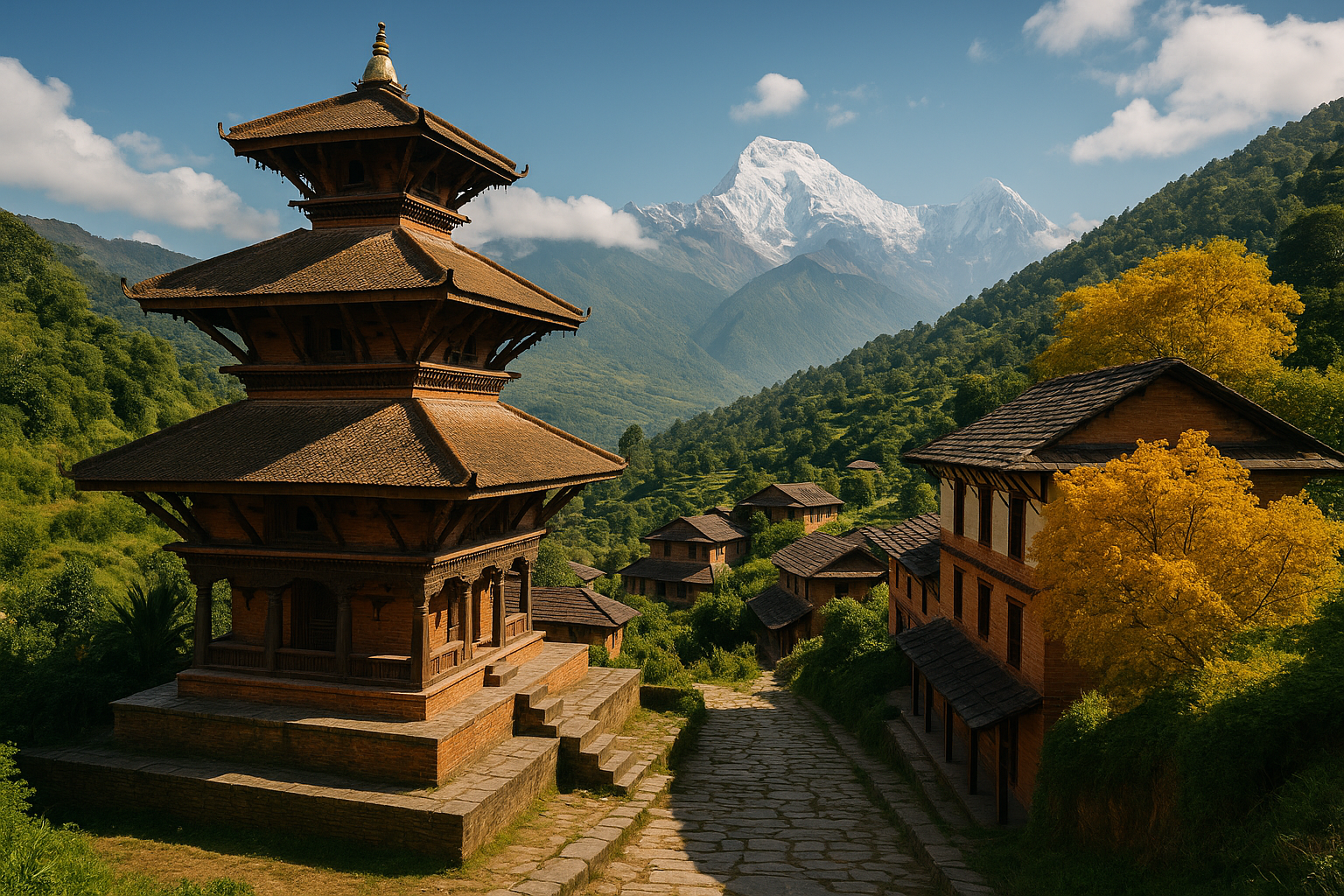
In Nepal autumn strips the valley air clear enough that the Himalayan skyline reads like a map, and daily life moves between lowland rice terraces, crowded market streets and the thin, spare villages above tree line. Travel here often means sudden changes in altitude and temperature within a few hours: you can leave humid, green foothills in the morning and be chewing oxygen in a trekking tea house after dark. Cities smell of diesel, incense and frying oil at once; smaller towns are governed by the school bell and the timing of local buses.
Autumn in Nepal: festivals, harvests and the best mountain weather
September to November follows the monsoon and brings the clearest skies of the year, which is why trekking itineraries fill and domestic mountain flights run far more reliably than in summer. This is also when Dashain and Tihar are celebrated across the country — houses are cleaned, relatives travel home and shops change their hours — so expect busy trains and full guesthouses around major festival dates. Fields in the lower hills and Terai are busy with harvest work, and local kitchens produce extra sel roti and meat dishes for family gatherings.
Getting around Nepal: what actually takes time
Road distances lie: Kathmandu to Pokhara by tourist bus or car takes most of a day on mountain roads that are often narrow or under repair; flights cut that to an hour but carry their own delays. In trekking regions a day’s walking still outperforms the road network — many valleys are reachable only on foot or by short, weather-sensitive flights to small airstrips. Bring Nepalese rupees for villages and tea houses; ATMs and card machines work in Kathmandu and Pokhara but are unreliable beyond the main routes. Mobile coverage from Nepal Telecom and Ncell is good in valleys and towns but patchy above 3,000–4,000 metres.
Everyday manners you’ll meet on day one
Greet with a namaste and palms joined; remove shoes before entering homes and most shrines; use your right hand for eating and passing food. Offerings and incense at roadside temples are constant — don’t step over them — and women in village areas may dress more conservatively than you expect. On treks, guides and porters are paid directly at the end of a trip and a modest tip is customary rather than ceremonial.
Quick 5
Nepal
Nepal
Nepal
Nepal
Nepal
Regions

Travel Requirements
What you need to enter Nepal, for the passport you hold.
Places of interest
Landscapes in Nepal
Travel Tips