

North Korea
Short description
How North Korea looks and moves in autumn
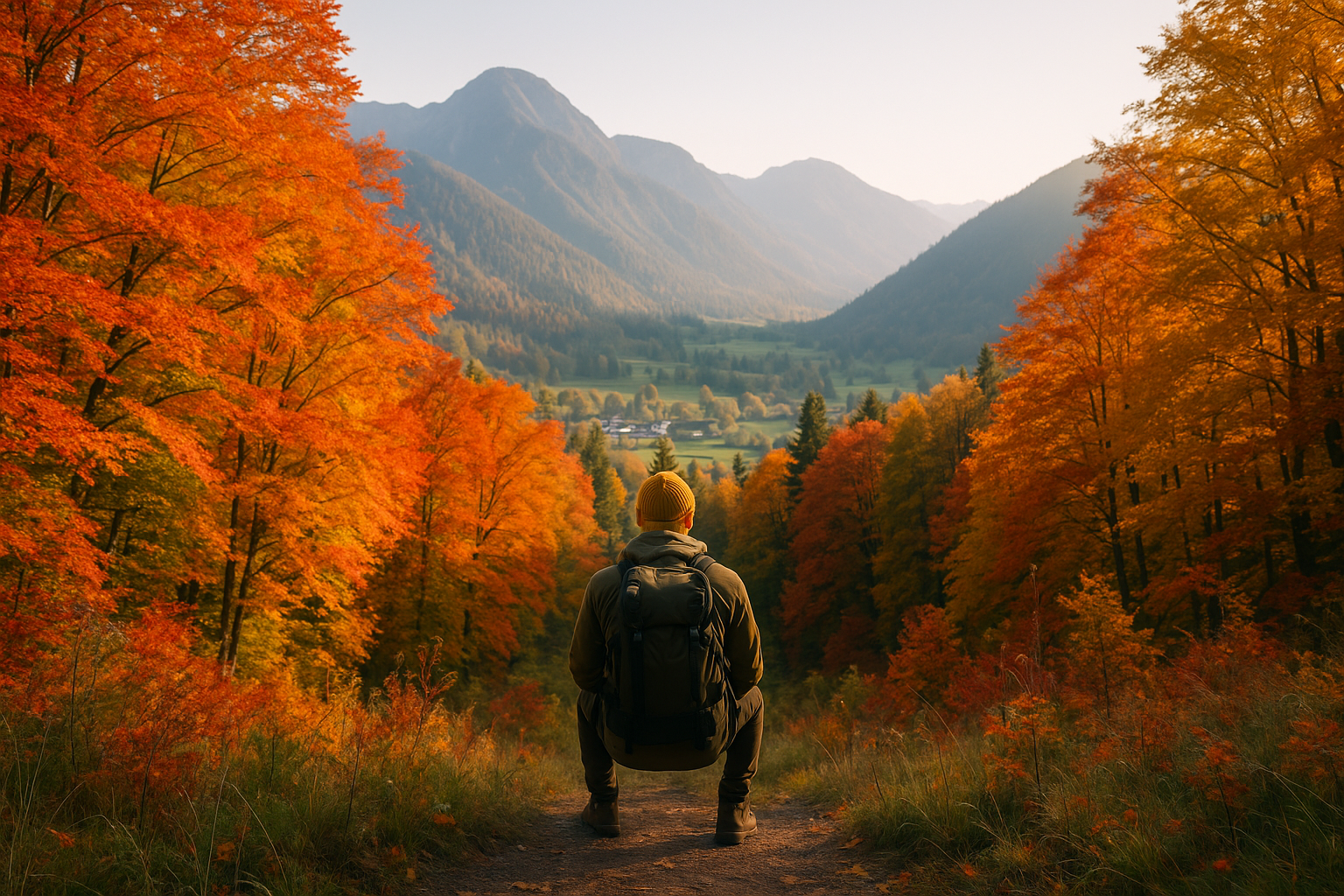
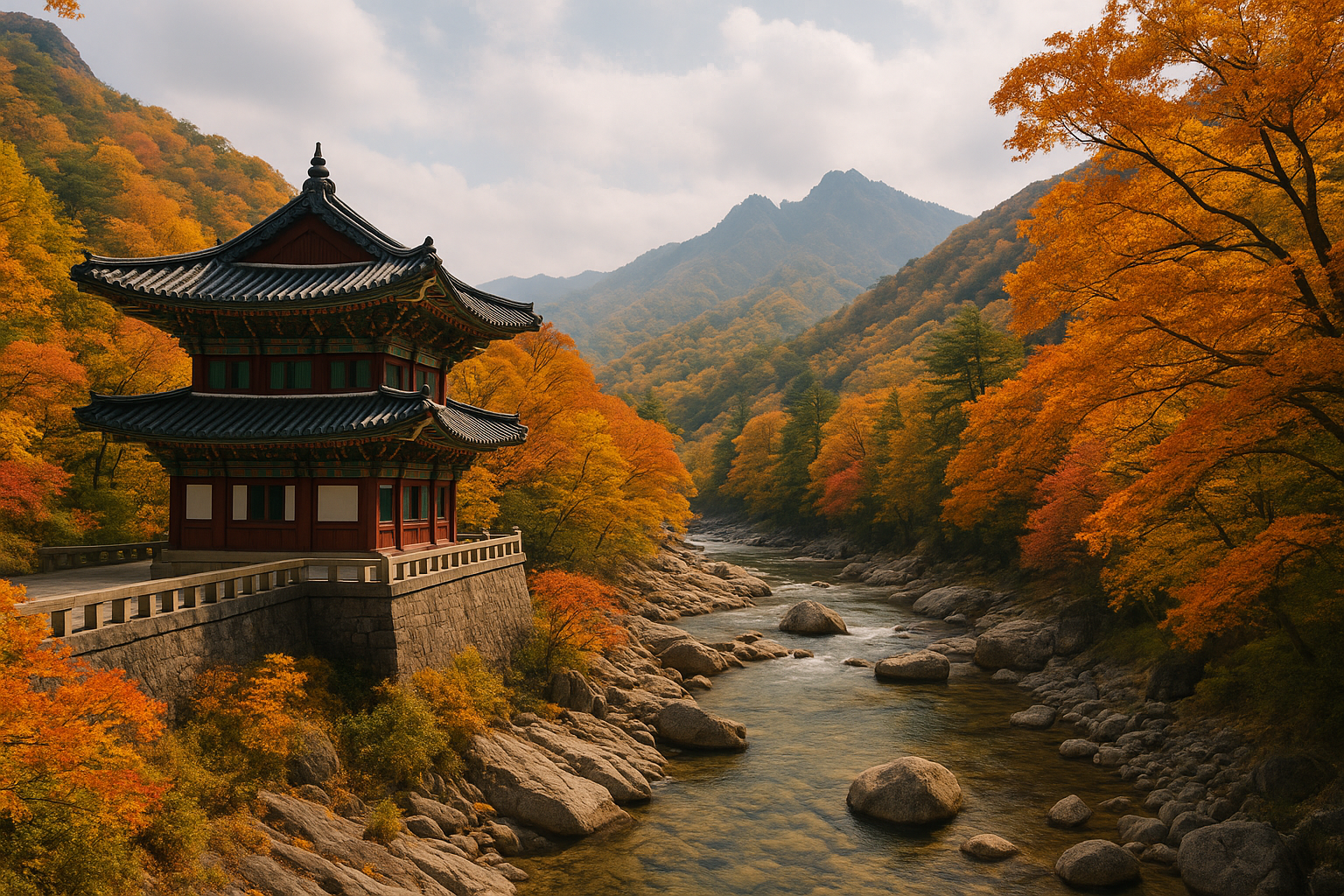
North Korea becomes distinctly ordered in September–November: Pyongyang’s wide avenues are swept and decorated for state anniversaries, while the countryside shows the practical signs of harvest — gangs of workers, simple threshing, and rice and maize turning from green to pale gold.
Autumn on the North Korean calendar
Autumn here means the run-up to the 9 September Foundation Day, when every public building and square has added bunting and portraits, and official broadcasts pick up their tempo; provincial towns also stage local harvest events. Cooler daylight and clear air bring better visibility for Mount Paektu and the border areas near the Demilitarized Zone, and you’ll see more uniforms and official ceremonies on fixed dates than at other times of year.
How travel around North Korea actually works in these months
Travel in North Korea is paced by state-run coaches and the occasional long-distance train; journeys that look short on a map can take twice as long because departures follow fixed schedules and roads outside Pyongyang are slower. Mobile and internet access for foreign visitors is limited compared with most countries; most communication happens through hotel networks or guides’ devices. The North Korean won is the country’s currency, and visitors manage payments through guides or pre-arranged exchanges rather than relying on international card systems.
Small everyday rules you’ll notice on day one
Portraits of the leaders appear in homes, schools and civic centres and are treated with formality; casual gestures around those images that would be unremarkable elsewhere feel out of place here. Meals are often communal and served with kimchi and naengmyeon; refusing food can be taken as a social slip, and people expect modest dress in public spaces. Tipping is not the same ritual that travellers encounter in many countries and is handled awkwardly if offered unsolicited.
Surprises visitors often report about North Korea in autumn
People are struck by the contrast between tightly staged public life — parades, cleaned streets, visible portraiture — and quieter everyday routines in towns and villages where tractors, small markets and harvest work continue with little fanfare. The seasonal clarity of autumn sharpens that contrast: monuments look staged against empty fields being brought in for the year.
Quick 5
Pyongyang (평양)
North Korea
North Korea
North Korea
North Korea
Regions

Travel Requirements
What you need to enter North Korea, for the passport you hold.
Places of interest
Landscapes in North Korea
Travel Tips