

Pakistan
Short description
Autumn after the monsoon in Pakistan
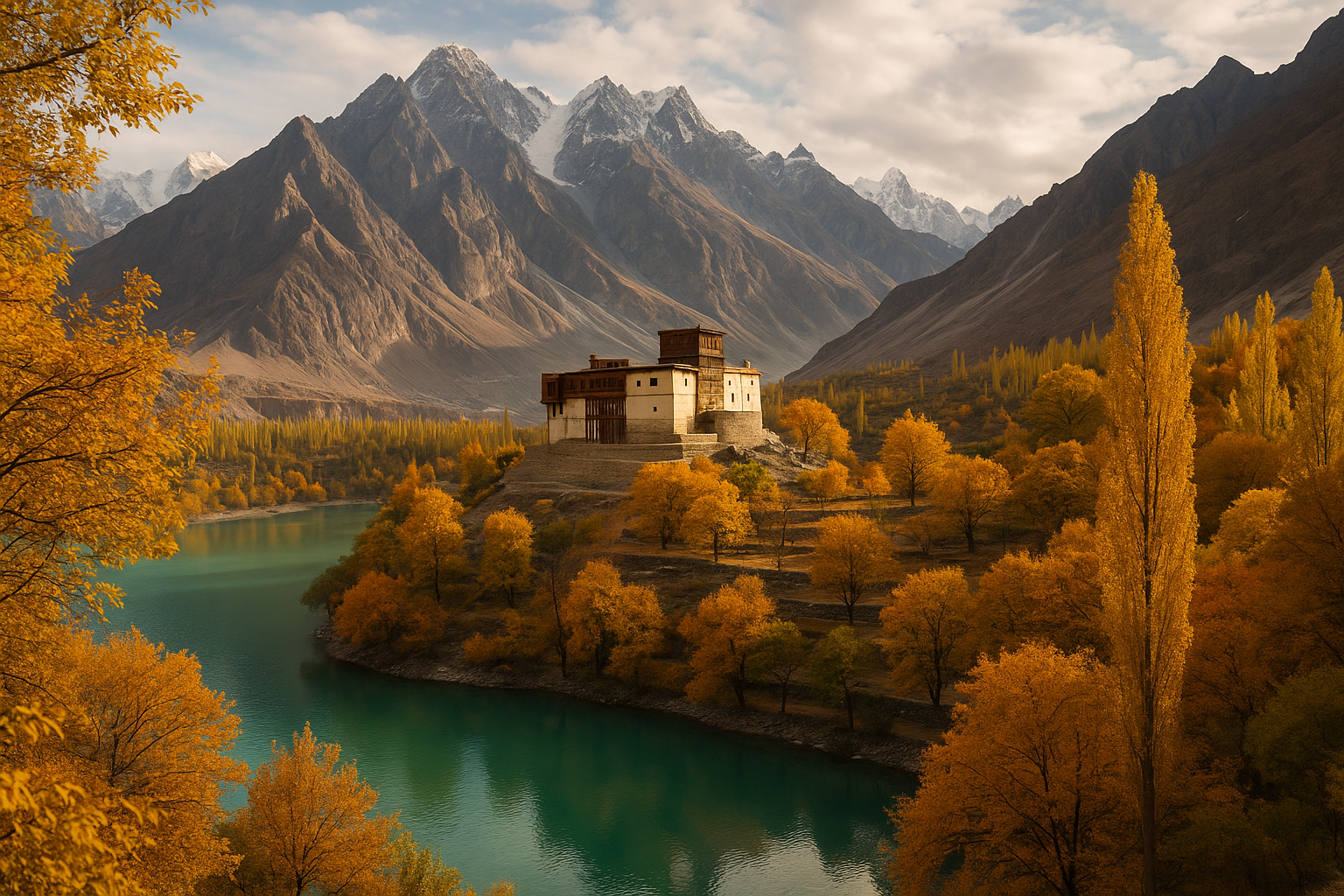
By September the heavy monsoon rains that dominate summer have retreated from most of Pakistan; by October the air in the Indus plain clears to a hard, blue light and roadside fields begin preparations for the rabi wheat sowing that will follow. In the north, nights lengthen and the first snows can dust the highest Karakoram peaks by late November, while the plains cool enough for people to swap daytime sherwanis and thin shawls for warmer layers.
How movement feels on Pakistani roads and rails in autumn
Autumn is the easiest time to travel between regions because flood risks are minimal and visibility improves for mountain drivers. Long-distance bus coaches ply major corridors—Lahore–Islamabad, Karachi–Hyderabad—with overnight services that are a de facto standard for budget travellers; trains still run but timetables and speeds vary, so many locals prefer road or the expanding network of domestic flights. In cities cash remains king for small purchases and rickshaw fares, though credit cards and mobile wallets are increasingly accepted at hotels and larger restaurants.
Daily life, rituals and the small rules a visitor will bump into
Autumn brings more public life back onto streets: after Ramadan and the summer lull, wedding season picks up and families fill parks and cafés in the cooler evenings. Men commonly greet each other with two-handed handshakes and sometimes cheek-to-cheek touches; physical contact between unrelated men and women is much less frequent and more cautious. Expect to remove shoes before entering a home or some small shops, use your right hand for eating and passing items, and to encounter the call to prayer several times a day as an audible clock that shapes opening hours around mosques.
Food in the cooler months — what local tables offer
With temperatures dropping, restaurants and street vendors bring out slow-cooked stews and breakfasts that keep people warm: bowls of nihari in Lahore, smoky seekh kebabs at Karachi night stalls, and roadside bhutta (roasted corn) and sugarcane juice on autumn evenings. Tea is offered repeatedly; refusing once is polite, refusing several times can be taken as insult. If someone invites you home for a meal, expect communal plates and insistence from hosts to eat more—declining delicately after a small second portion is a normal way to manage that hospitality.
Quick 5
Pakistan
Pakistan
Pakistan
Pakistan
Pakistan
Regions
Travel Requirements
What you need to enter Pakistan, for the passport you hold.
Places of interest
Landscapes in Pakistan
Travel Tips