
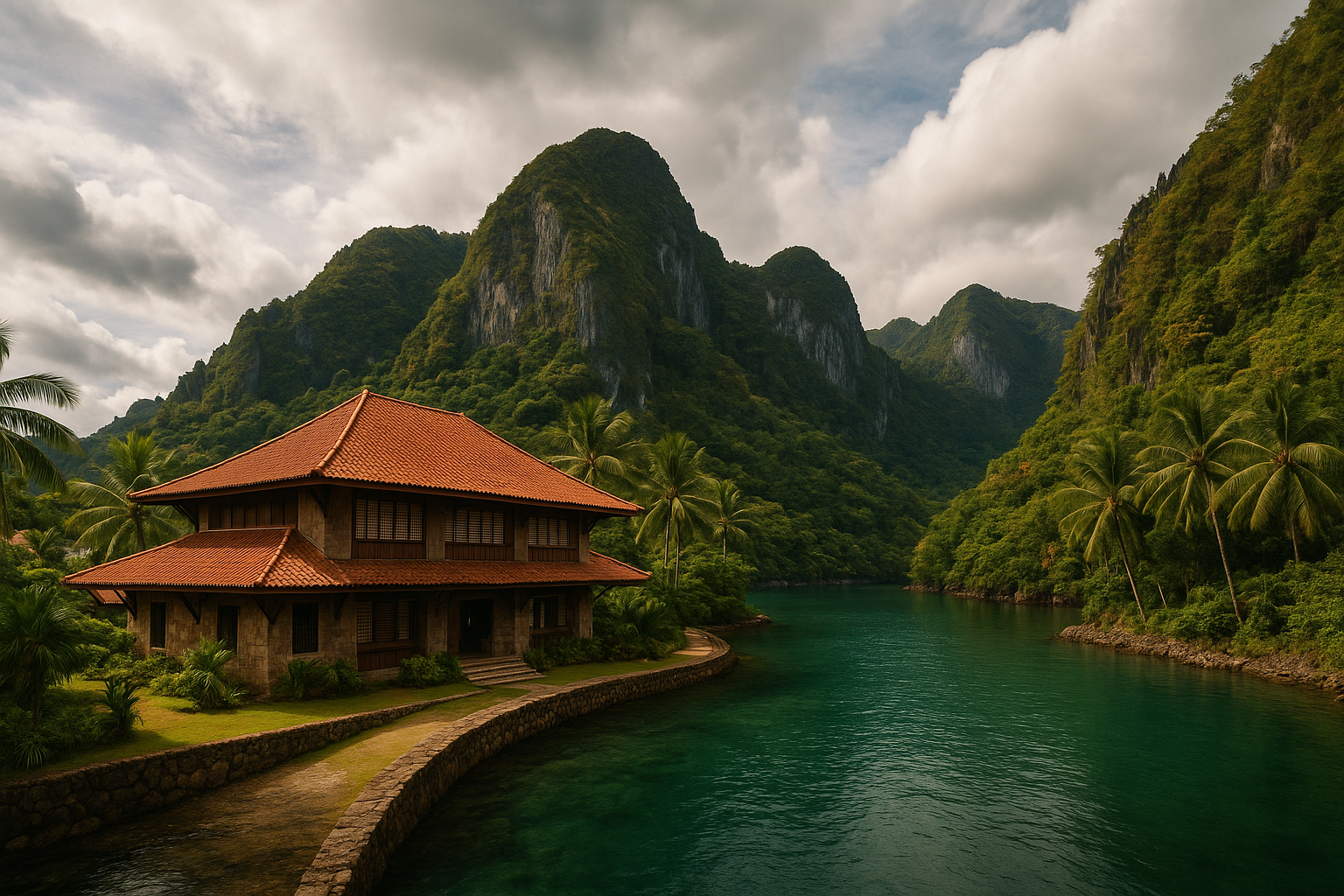

Philippines
Short description
Autumn in the Philippines: monsoons and a shift to amihan
From September to November the Philippines transitions from the wet southwest monsoon (habagat) towards the cooler northeast trade winds (amihan), which means the daily sky can flip between heavy squalls and clear, sharper mornings within a week.
Typhoon activity still peaks in this window, so markets, ferries and commuter flights around Luzon and the central islands often rearrange themselves at short notice; by late November the northern islands usually begin to feel steadier breezes and lower humidity.
Getting around the archipelago in autumn
Travel here is a tag-team of planes, ferries and local vehicles: domestic flights link Manila with Cebu, Davao and other hubs but delays are common when tropical storms move through; inter-island ferries cover many routes, though services are suspended during rough weather more often in September and October.
Within towns expect jeepneys, tricycles and Grab rides to be the practical choices; distances between islands look small on a map but add time when connections get cancelled, so allow a day of buffer for each island hop and keep some cash—the Philippine peso is still what most sari-sari stores and provincial markets want.
How Filipinos live autumn days and nights
Weekends are slot machines of barangay fiestas and church masses—you will encounter lechon at a celebration and a communal boodle-fight at a family event more often than a formal plated service; people commonly say "po" and "opo" for politeness and the elder-kissing gesture known as mano is still used in many households.
English works widely in urban areas, but Taglish and regional languages like Cebuano or Ilocano dominate outside Metro Manila; mobile data is cheap and reliable in cities, less so on remote islands.
What surprises visitors in autumn
First-time arrivals often expect constant heat but find November mornings noticeably cooler in the north; they also underestimate how central karaoke, loud roadside conversations and a willingness to share food and stories are to daily life—Strangers will invite you to a table, and refusing food outright can offend.
And while beaches remain a major draw, in these months the country is defined more by its weather rhythms and festive local calendars than by uninterrupted sun—plan flexibility, and you’ll see why Filipinos treat even a rainy barangay fiesta as worth celebrating.
Quick 5
Philippines
Philippines
Philippines
Philippines
Philippines
Regions

Travel Requirements
What you need to enter Philippines, for the passport you hold.
Places of interest
Landscapes in Philippines
Travel Tips