

Singapore
Short description
How Singapore feels on the ground
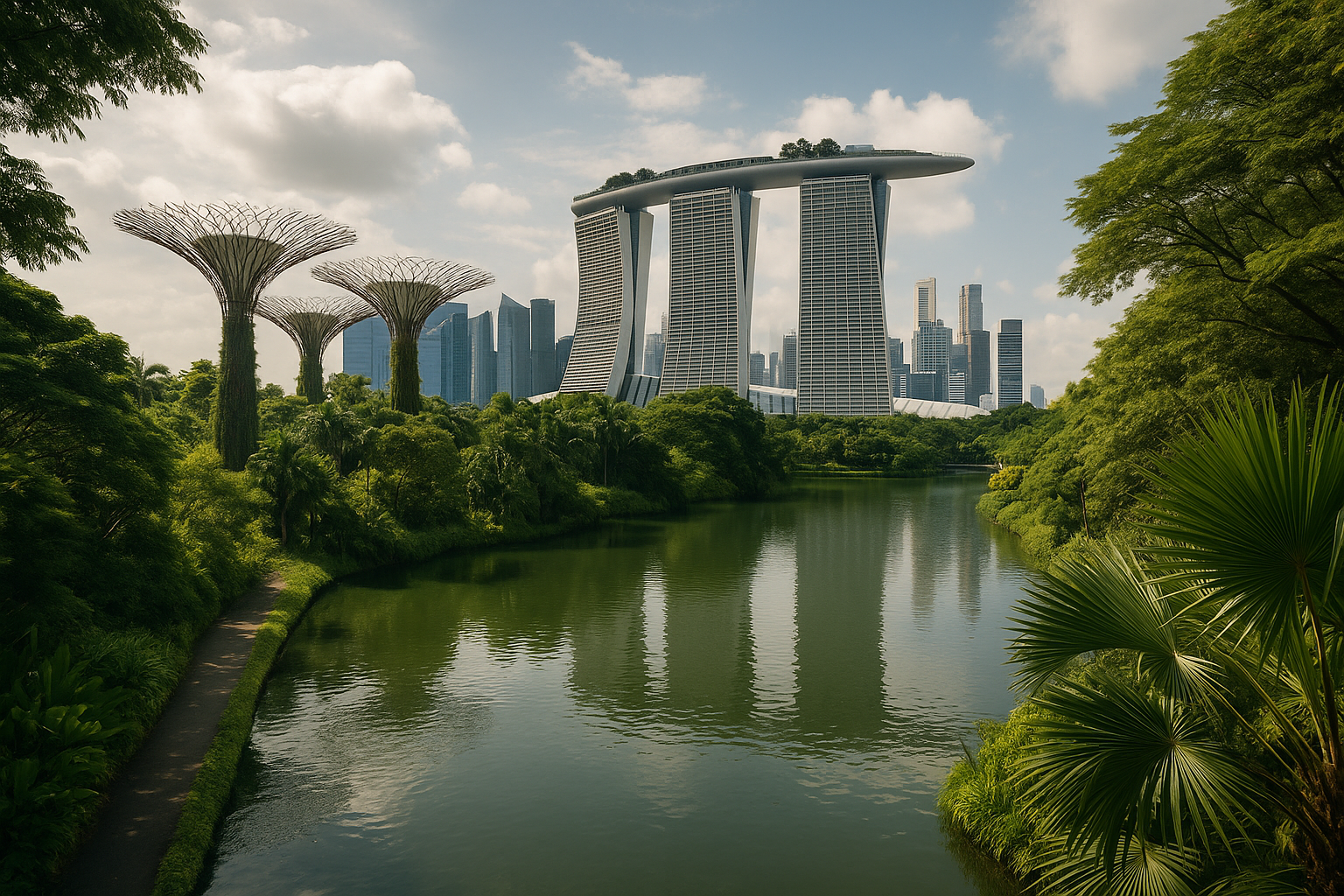
Come September the island's rhythm is compact and efficient: skyscrapers and public housing sit cheek by jowl with allotments of roadside fruit trees, and most neighbourhoods feel reachable by a single rail line and a short bus ride. People move quickly but politely — queues at MRT gates and hawker centres are observed almost without exception, and the city’s small size makes even a long journey inside the island feel like a stretch rather than a day trip.
Autumn here means weather and air you plan around
September–November is the part of the year when Singapore swings between bright, hot days and sudden, tropical downpours; some years those months also see haze blown in from agricultural fires across the straits. That combination shapes plans: outdoor rooftop bars and Gardens promenades are still pleasant, but an umbrella goes everywhere and plans for long walks should include a rainy-day café or an airconditioned mall as a fallback.
Getting around Singapore in these months
The transport network is the practical backbone: the MRT and buses cover the island so comprehensively that most door-to-door trips inside the city feel short. Taxis and ride-hailing apps are plentiful late into the night; fares surge during heavy downpours and national events. Cards and contactless phone payments work at most sellers, though small hawker stalls sometimes prefer cash or a local QR-pay app, so it’s useful to carry a little Singapore dollars.
Daily habits and first-day manners
On your first day you’ll notice multilingual signage and announcements in English alongside Malay, Mandarin and Tamil, and an etiquette of order: you queue, you clear your tray at many hawker centres when asked, and tipping is not expected. Dress is informal because of the humidity, but cover-ups are required at mosques and some temples. Public cleanliness and noise rules are enforced culturally and legally — loud phone calls on the MRT and littering attract immediate disapproval — so observe how people behave and you’ll fit in fast.
Quick 5
Singapore
Singapore
Singapore
Singapore
Singapore
Regions

Travel Requirements
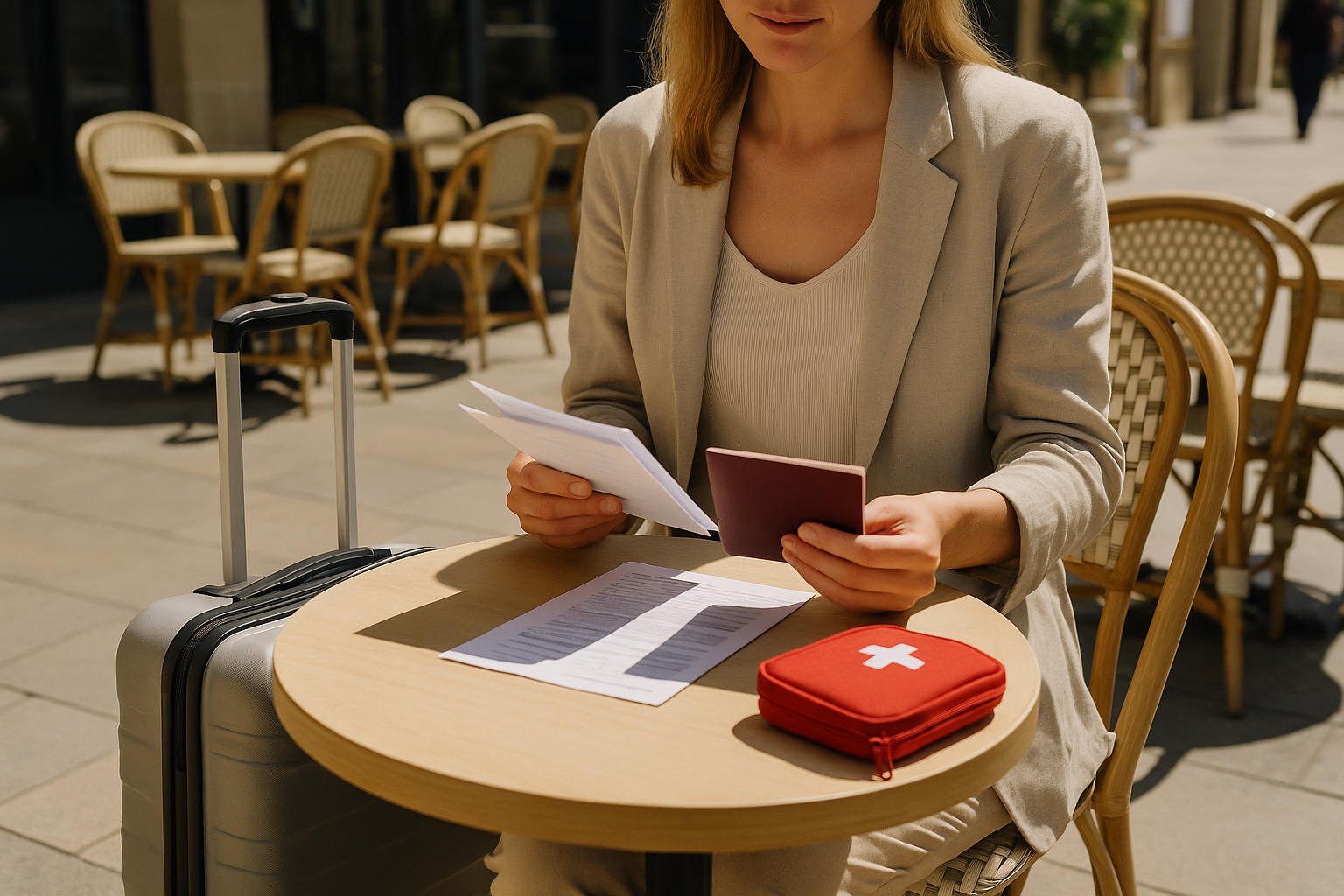
What you need to enter Singapore, for the passport you hold.
Places of interest
Landscapes in Singapore
Travel Tips