
Sri Lanka
Short description
Tea-scented hills and island scale
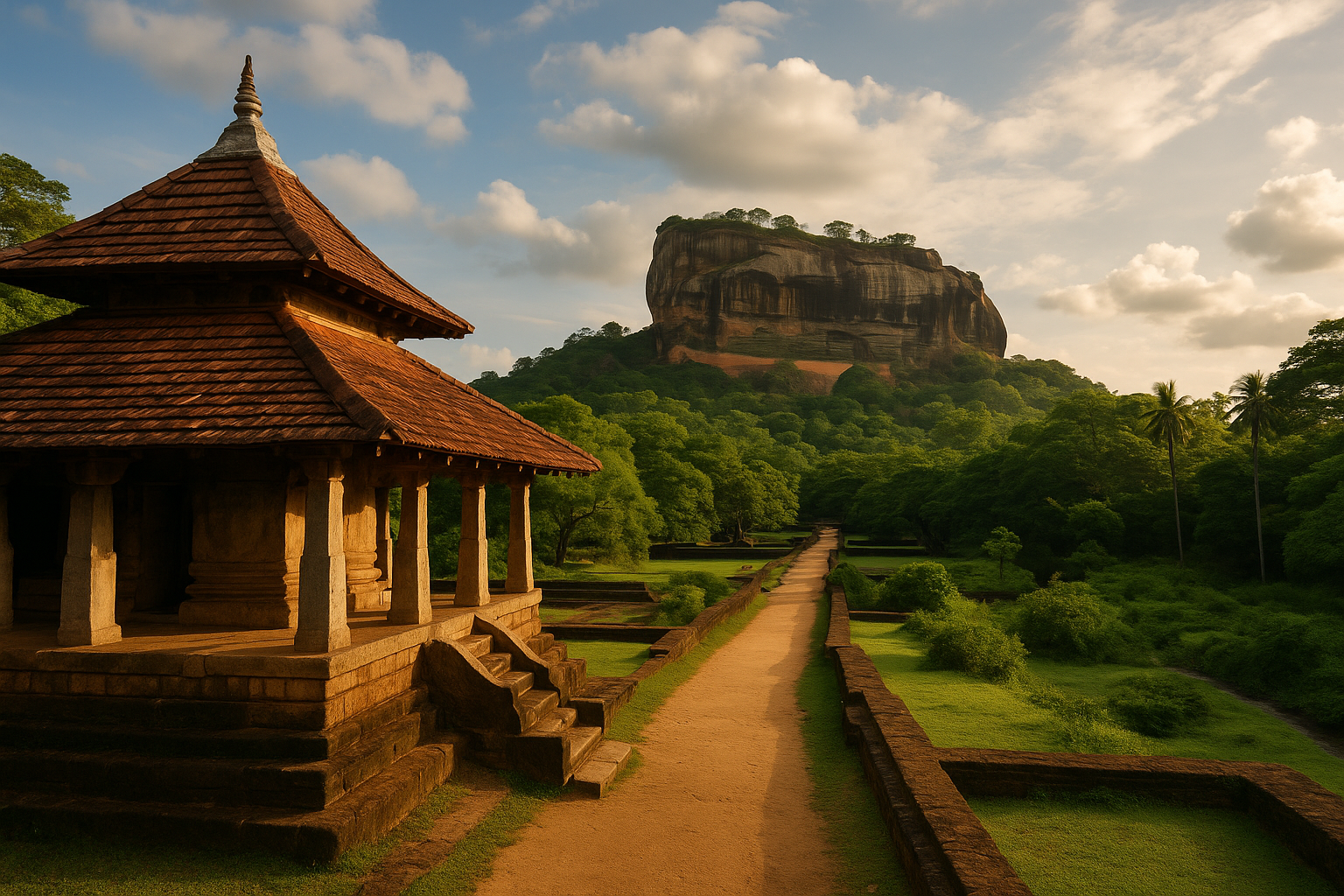
Sri Lanka still reads as an island of contrasts within a day's travel: you can leave Colombo's chaotically timed traffic and be in mist-soft central highlands where plantations climb steep slopes, or on a palm-fringed shore, within hours. Roads and railways follow the contours—coastal highways feel fast, the hill lines are deliberately slow—and that geography shapes how places move and how long you need to get anywhere.
What autumn (September–November) rearranges here
From September to November Sri Lanka is in transition. The southwest monsoon eases in September, the inter‑monsoonal period brings sudden, heavy afternoon storms in October and November, and by late November the north‑east begins to see more rain; that means the east and north can turn wetter as the south and west calm. Expect intense, brief downpours and humid mornings, followed by bright late afternoons—good weather windows and sudden washouts often alternate on the same day.
Getting around: trains, tuk‑tuks and practical time
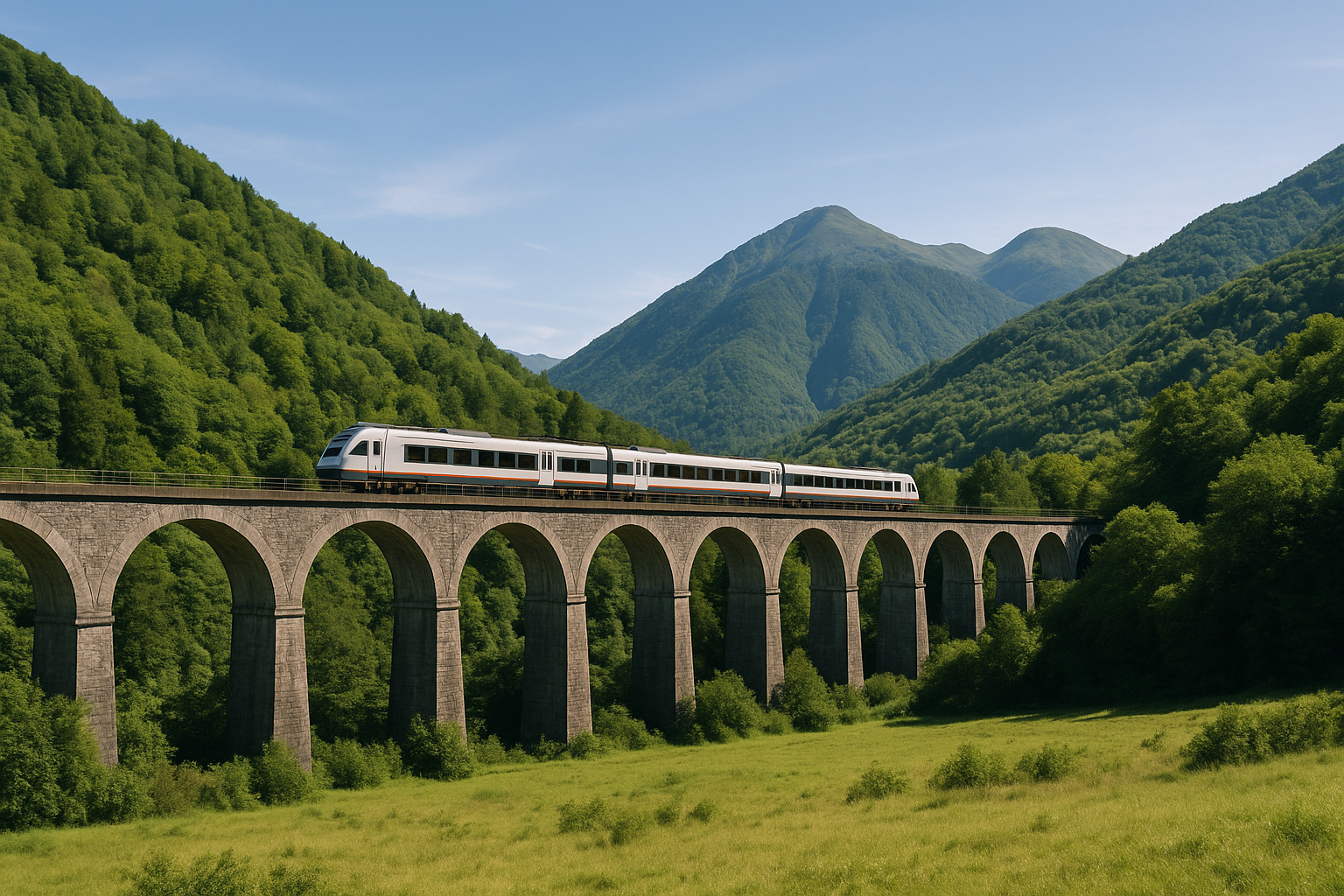
Trains in the hill country are famously slow-moving but they also give the clearest sense of distance here: a four‑hour road journey can be an eight‑hour ramble by rail because the line threads through tea estates and tunnels. Main highways and the southern expressway shave hours off coastal travel, while tuk‑tuks remain the quickest option for short hops in towns. Cards work in hotels and bigger shops, but rural stalls and market vendors expect Sri Lankan rupees; SIMs and mobile internet are easy to buy and keep you connected most places.
Everyday courtesies and how you eat
People will often greet you with Ayubowan; at temples you must cover shoulders and knees, remove shoes, and avoid pointing your feet at shrines. Meals are social: rice and several curries arrive together and sharing is normal, hoppers and kottu show up at dawn and late night respectively, and tea from the hill stations punctuates travel days. Tipping isn’t enforced but small gestures matter; haggling at markets is expected, while prices at fixed cafés usually aren’t negotiable.
Quick 5
Sri Lanka
Sri Lanka
Place: title
Sri Lanka
Sri Lanka
Regions

Travel Requirements
What you need to enter Sri Lanka, for the passport you hold.
Places of interest
Landscapes in Sri Lanka
Travel Tips