

Tajikistan
Short description
How the mountains set the pace in Tajikistan
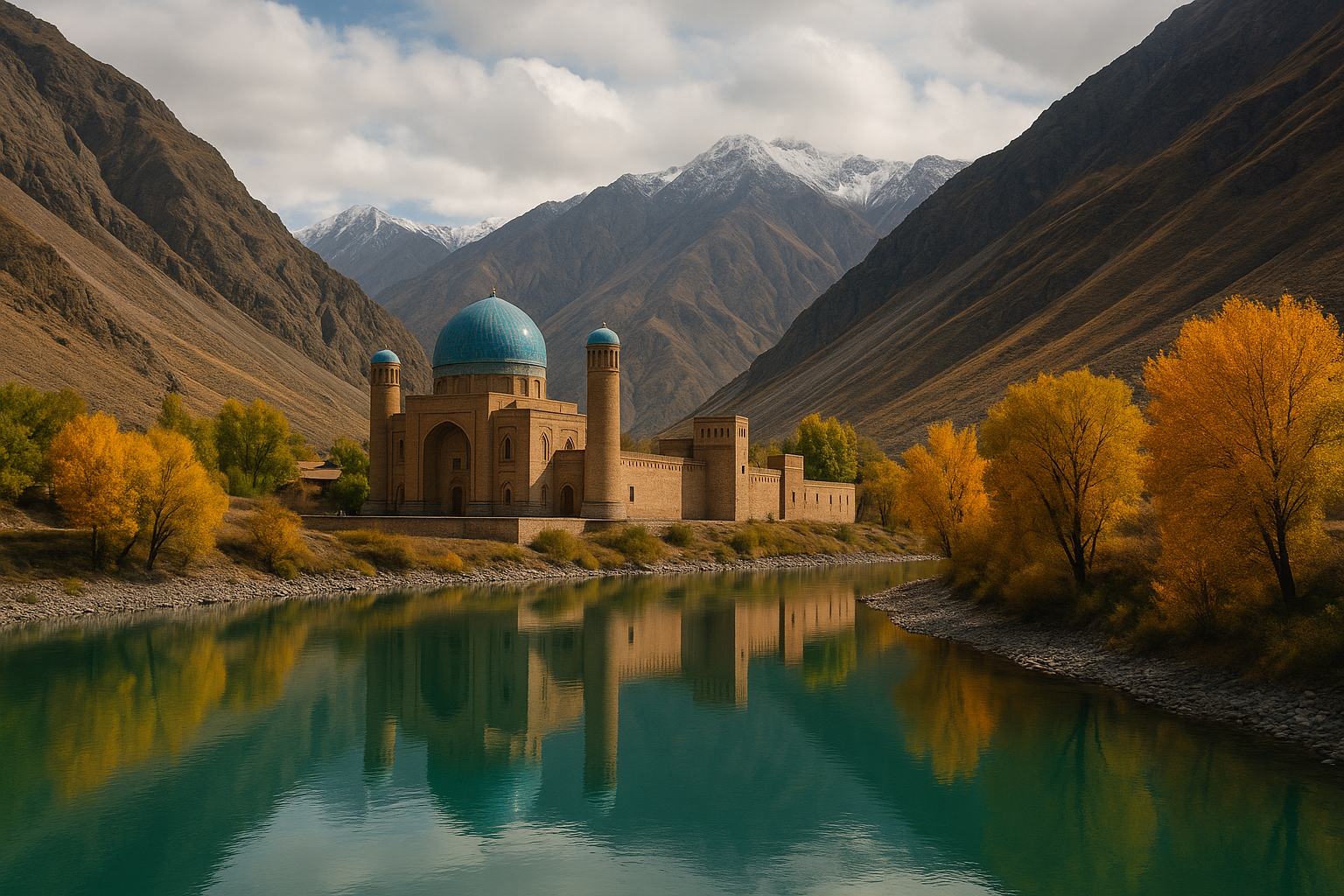
Driving across Tajikistan feels like crossing countries inside one: low river valleys give way quickly to terraces and then to the high, rocky ranges of the Pamirs and the Fann Mountains, so travel plans that look short on a map often take far longer in reality.
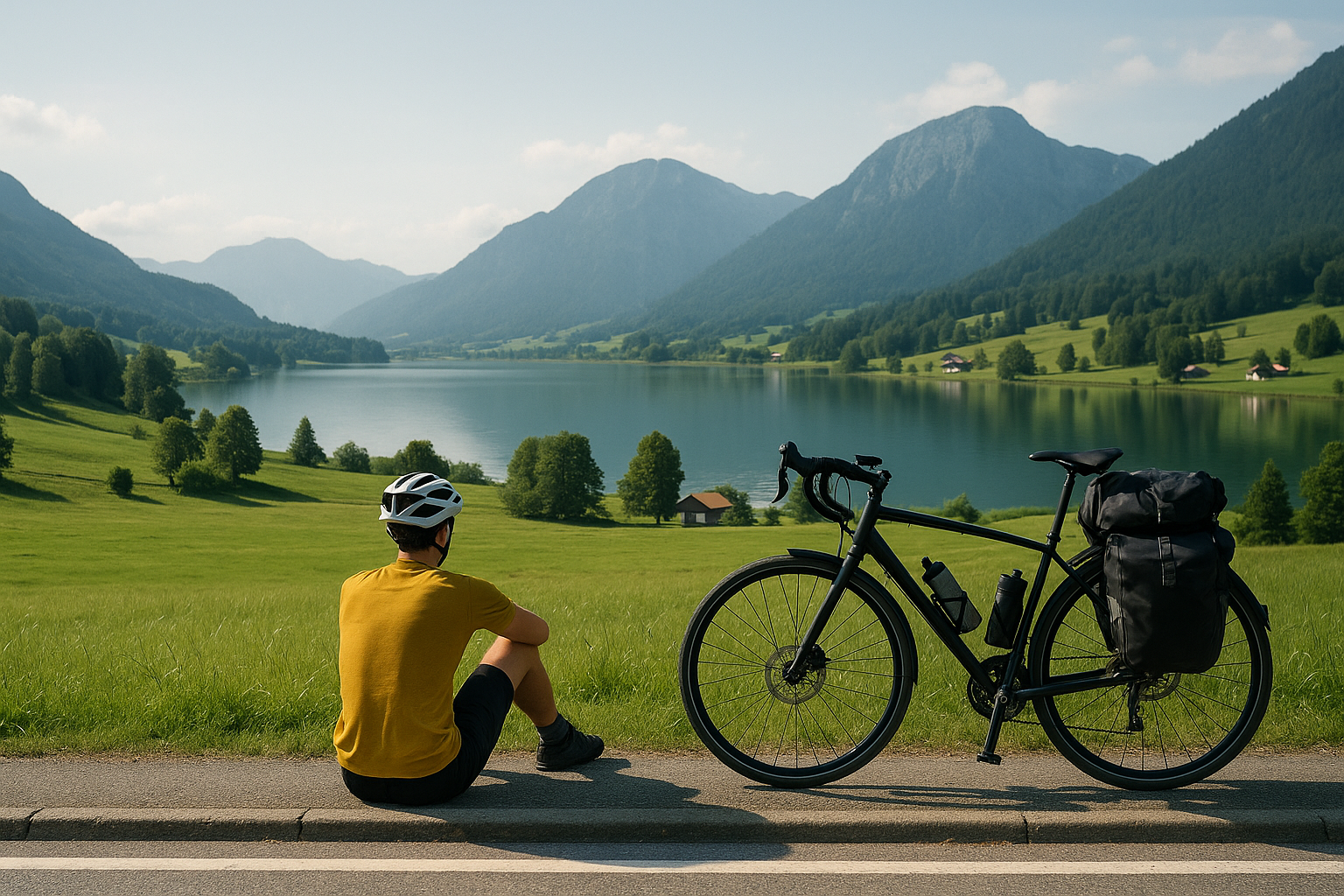
The east–west axis is dominated by the Pamir Highway and the broad fedar valleys; where that road climbs above 3,000 metres the air thins, settlements grow sparse and villages depend on fortnightly supplies from regional centres such as Khorog and Khujand.
Autumn here actually changes who you meet
September to November is harvest time in Tajikistan: apple orchards around Isfara and the fruit trees of the Zarafshan valley show up at roadside stalls, and bazaars tighten from summer’s abundance toward preserved fruits and dried grapes by November.
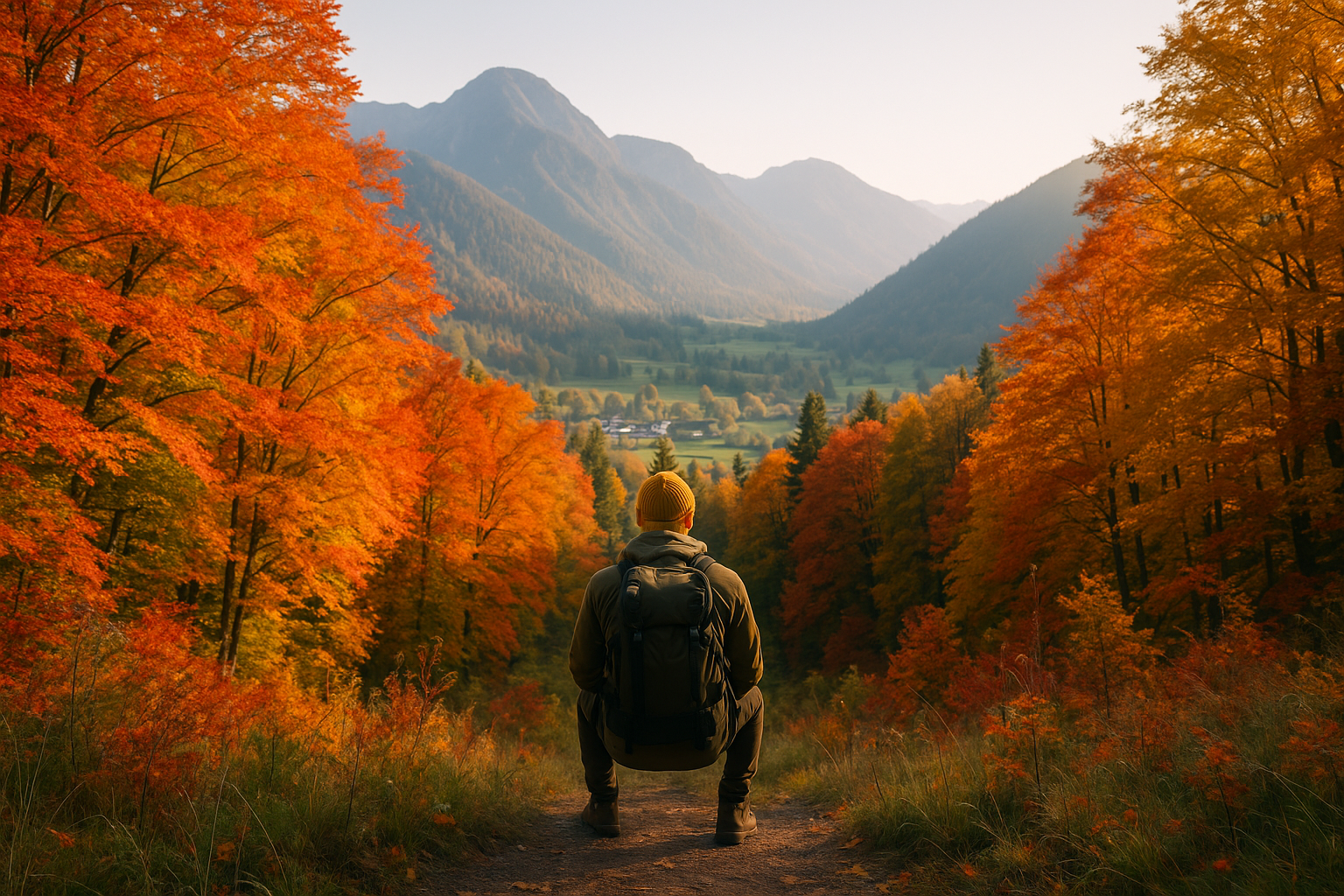
By mid-October snow often begins to dust the highest passes of the Pamirs and the Fann range, prompting shepherds to move flocks down from alpine jails and some seasonal guesthouses to close for the winter; by November the Pamir Highway can start to be intermittently impassable after storms.
On September 9 the whole country marks Independence Day with official ceremonies in Dushanbe and local fairs elsewhere, which is useful for timing travel through the capital.
How travel actually works in autumn
Intercity marshrutkas and shared taxis remain the most common long-distance option; journeys that are 200–300 km on the map often need a full day because of road quality and mountain geometry, so plan for daylight driving and unexpected stops.
Cell coverage drops sharply once you leave the main arteries: Gorno-Badakhshan has stretches where there is no signal for hours, so download maps and arrange pickups in advance; ATMs are reliable in Dushanbe, Khujand and Khorog but smaller towns deal largely in Tajikistani somoni cash.
Small rules and everyday rhythms to expect
Tea is a social contract in Tajikistan: chaikhanas and private homes will offer samovar-brewed tea and refusing outright can be taken personally, so accept at least a cup and reciprocate with thanks or a small gift if staying in someone’s home.
Dress is modest in towns and more conservative in mountain villages of Gorno-Badakhshan; many people switch to winter coats and felt hats from October onward, and handshakes between men are common while women may prefer a nod unless they extend a hand first.
Quick 5
Tajikistan
Tajikistan
Tajikistan
Tajikistan
Tajikistan
Regions

Travel Requirements
What you need to enter Tajikistan, for the passport you hold.
Places of interest
Landscapes in Tajikistan
Travel Tips