

Timor-Leste
Short description
Dili mornings and the island's tempo
On a September morning in Dili fishermen still wash nets along the concrete sea wall while motorbikes weave past colonial-era office blocks; that contrast—small-scale coastal life rubbing up against Portuguese-built streets—is how Timor-Leste feels. The country is compact in population and scale, but travel between coastal towns and interior hamlets does not feel quick: hills and narrow roads make distances take longer than a map suggests, and villages keep a deliberately slow rhythm set by church bells and market stalls.
Autumn here: the late dry season, September to November
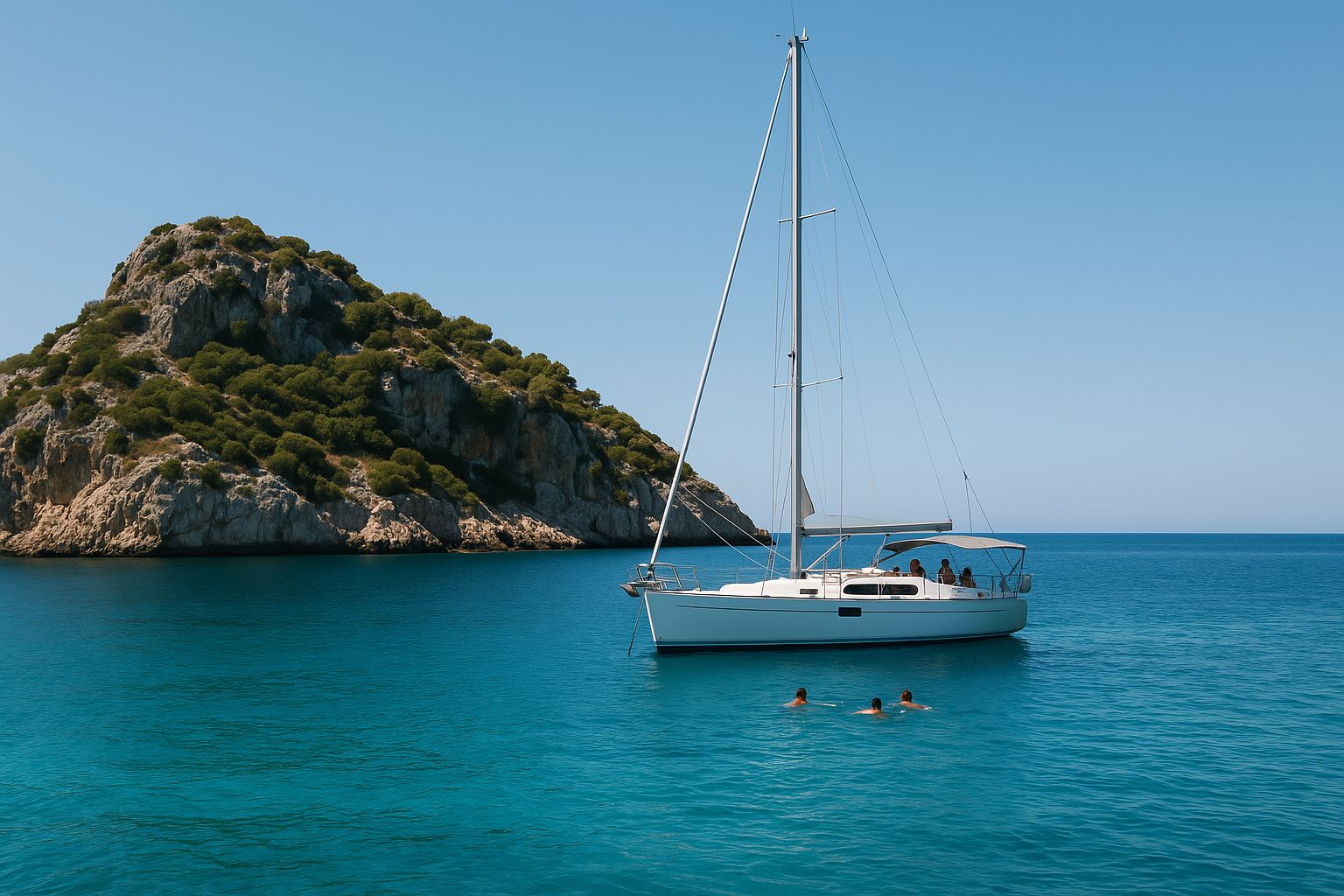
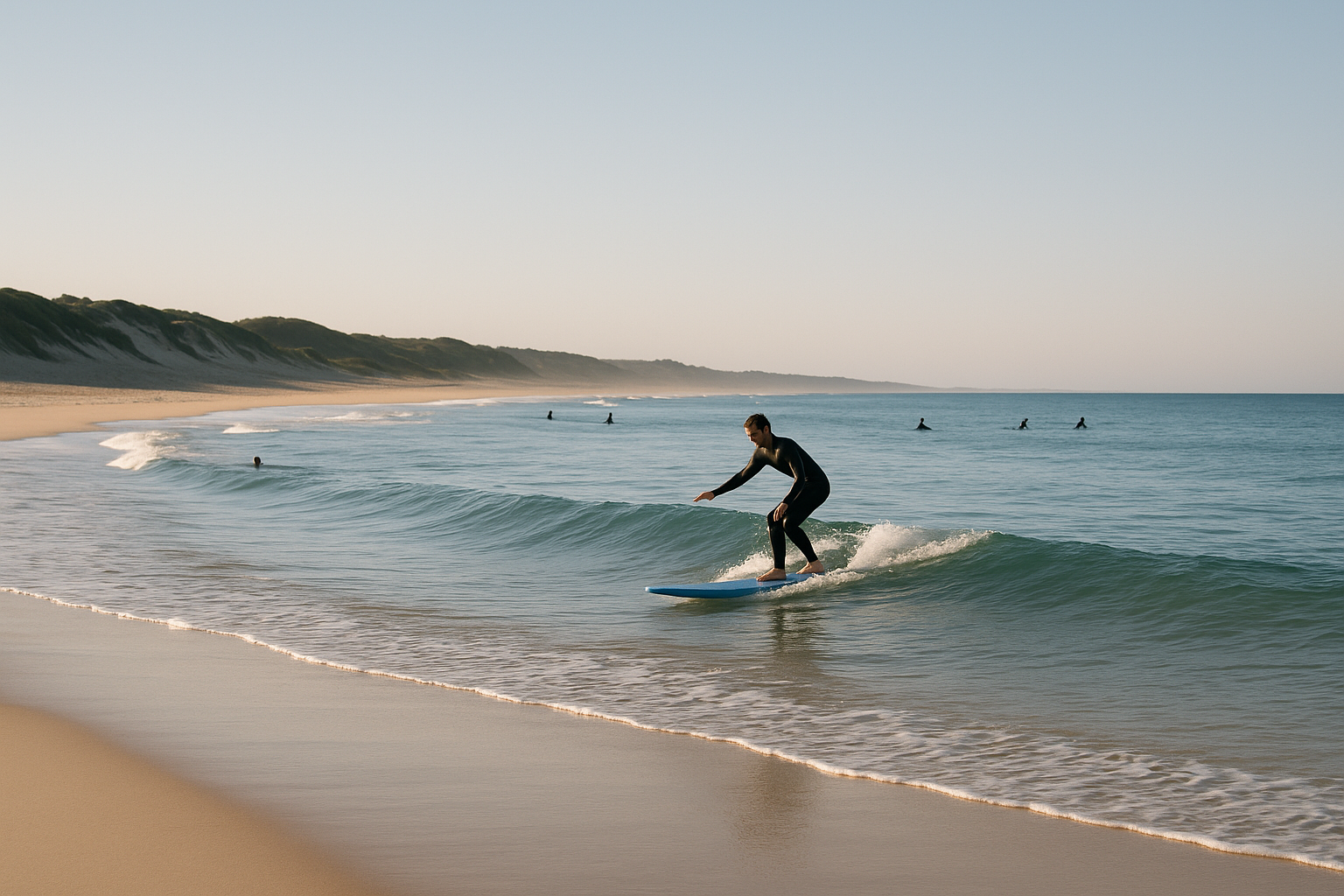
September to November is the tail end of the long dry spell. Rivers shrink, hills turn brown and dust collects on unpaved tracks, but visibility offshore improves and the sea clears—good for swimming, snorkeling and boat runs that depend on calmer water. Harvest activity increases in the highlands where cashew and coffee pickers concentrate their efforts before the rains return; public events and ceremonies are often scheduled while roads remain passable.
How travel actually works
Expect to plan journeys by daylight. Outside Dili and a few towns, many roads are gravel or corrugated; travel times are governed as much by road condition as by kilometres. Shared minibuses and hired 4x4s are the usual options; domestic flights connect the main centres sporadically. The currency is the US dollar, and while a handful of hotels and restaurants in Dili take cards, cash is the default beyond the capital. Mobile signal exists in settled coastal areas but becomes patchy inland; Tetum and Portuguese are official, and knowing a few Tetum phrases opens doors more reliably than English in village settings.
Manners, meals and what comes to your hand
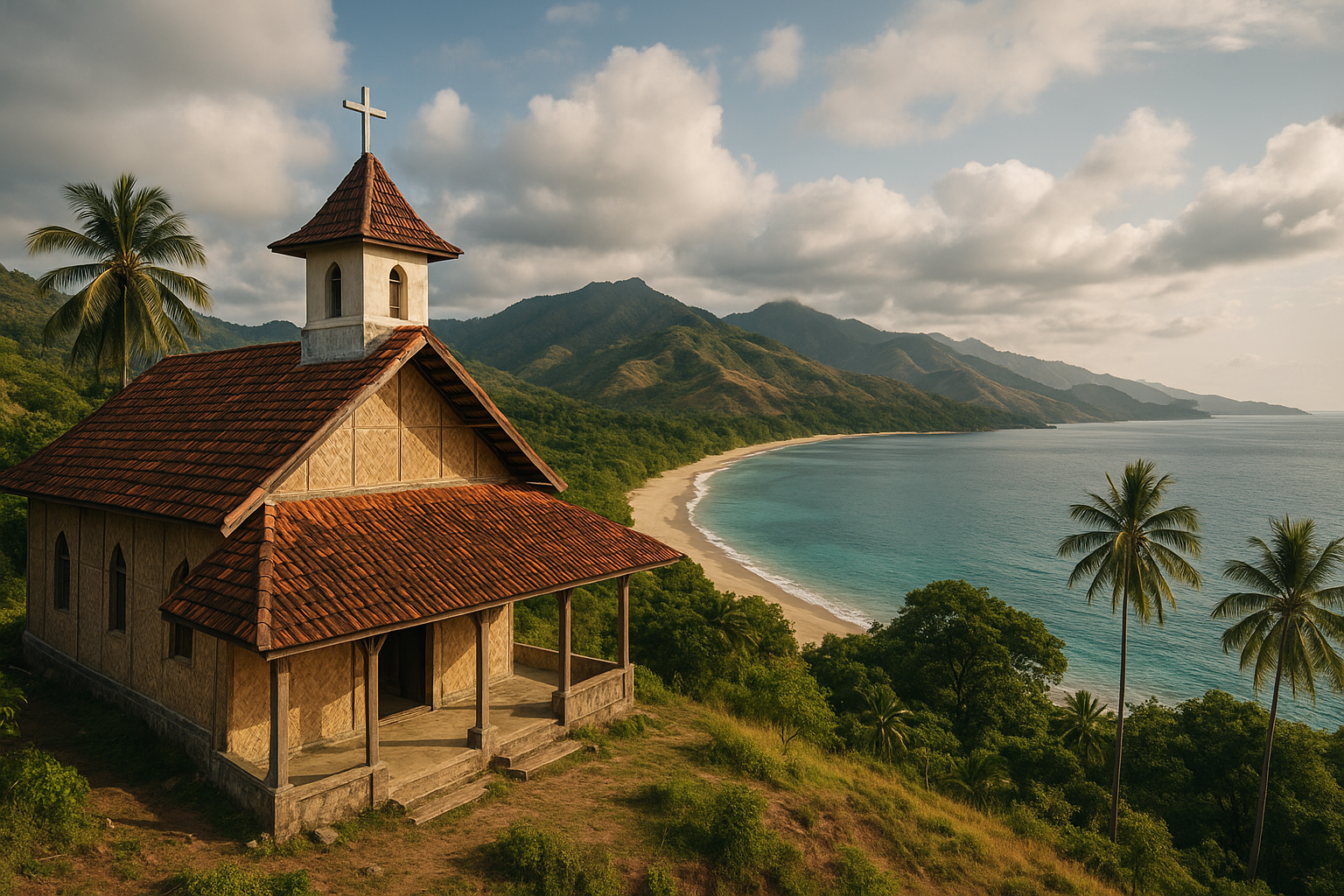
People typically greet with a handshake and exchange of names; in church towns Sunday services shape the week. Meals are communal: a visitor offered fish (ikan or asau), stews like tinus or a piece of bibingka should accept promptly—refusing food can be taken as impolite. Dress respectfully around churches and community ceremonies; modesty is expected at ritual events, and elders are given precedence in seating and conversation.
Common surprises
Visitors often expect a wholly Indonesian feel because of recent history, but Portuguese influence—language on signs, Catholic rituals and colonial architecture—remains visible. The interior is more rugged and less frequented than coastal pictures suggest, and services that feel normal in larger towns (reliable broadband, card payments) are often absent in smaller settlements.
Quick 5
Timor-Leste
Dili
Timor-Leste
Timor-Leste
Timor-Leste
Regions
Travel Requirements
What you need to enter Timor-Leste, for the passport you hold.
Places of interest
Landscapes in Timor-Leste
Travel Tips