
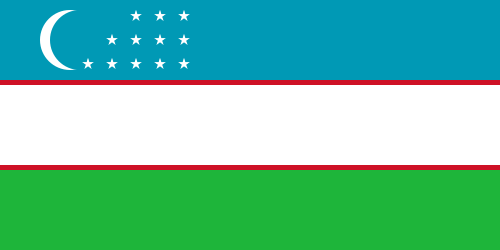
Uzbekistan
Short description
Autumn in Uzbekistan: the harvest sets the tempo
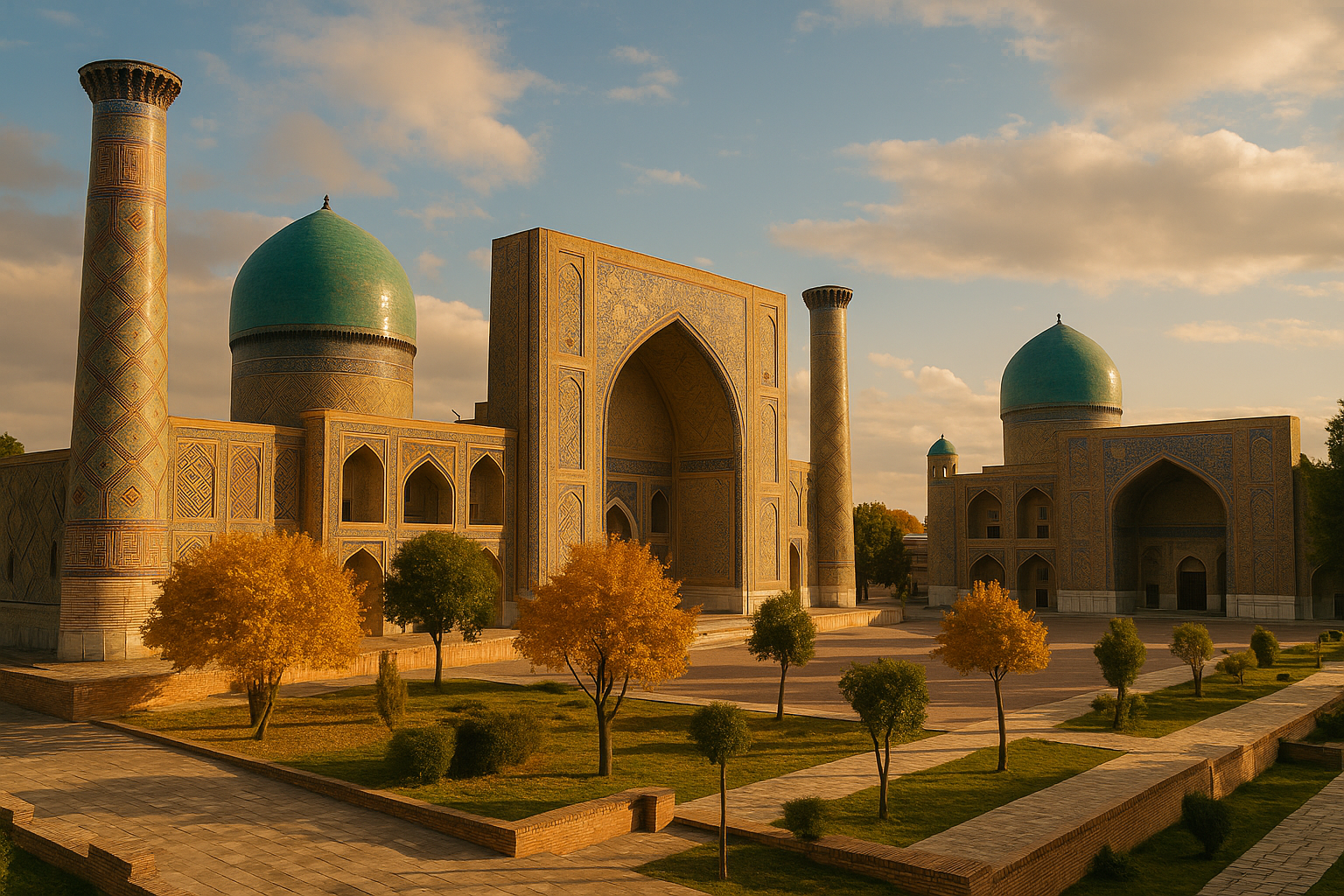
September in Uzbekistan smells of drying cotton and cumin: fields that were green in July go pale and busy with pickers, and markets refill with jars of preserved apricots and walnuts for the winter. By October the mornings are crisp in the Fergana Valley and the air along the Silk Road cities feels drier, which is why most locals move their social life back outdoors for long tea sessions and late walks under plane trees. Nights in late November can be cold enough to need a coat in higher places like the Nuratau foothills, while midday sunlight still warms sandstone façades in the historic towns.
How travel actually works across Uzbek distances
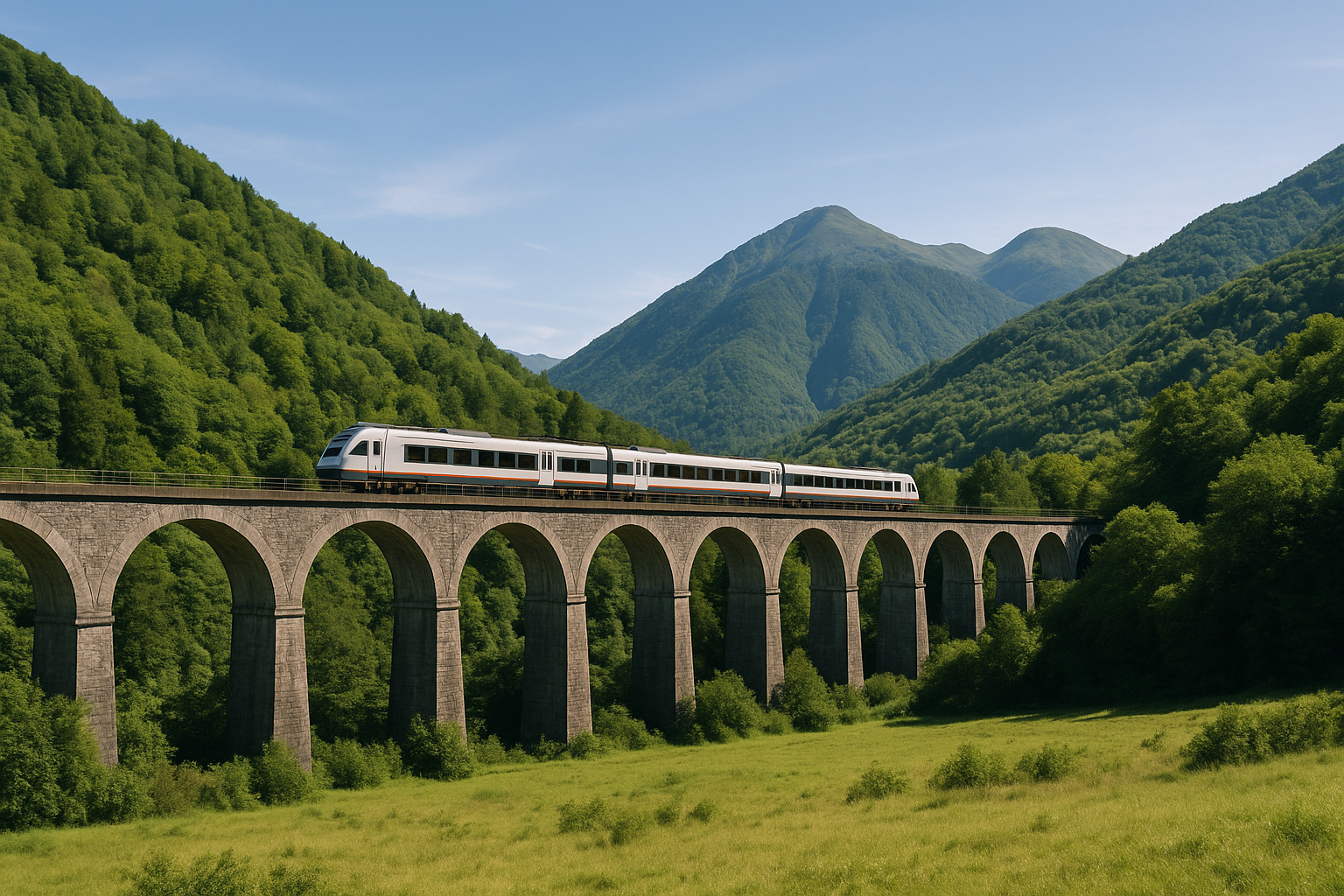
High-speed passenger trains link the main urban triangle and make day trips between Tashkent, Samarkand and other cities straightforward, but reaching smaller towns often means a marshrutka or shared taxi and rougher roads. In cities you will get around easily with the Tashkent metro or apps that summon taxis, yet outside the major hubs cash in som is the lingua franca for markets and minibuses. Mobile data is affordable and Russian is widely useful alongside Uzbek, so a phrasebook plus a working SIM usually smooths most interactions.
Everyday manners you will meet on day one
People commonly greet with Assalomu alaykum and expect a returned greeting; men usually shake hands with men, but women may prefer to decline physical contact with strangers, so wait to see what your counterpart does. Shoes are removed when invited into a private home, and refusing food or tea can be taken as impoliteness unless you explain why; hosts will often insist that you taste a little plov or a piece of flatbread. Bargaining in bazaars is normal, but once a price is agreed the handshake that follows matters as much as the sum.
What visitors often misunderstand about Uzbekistan
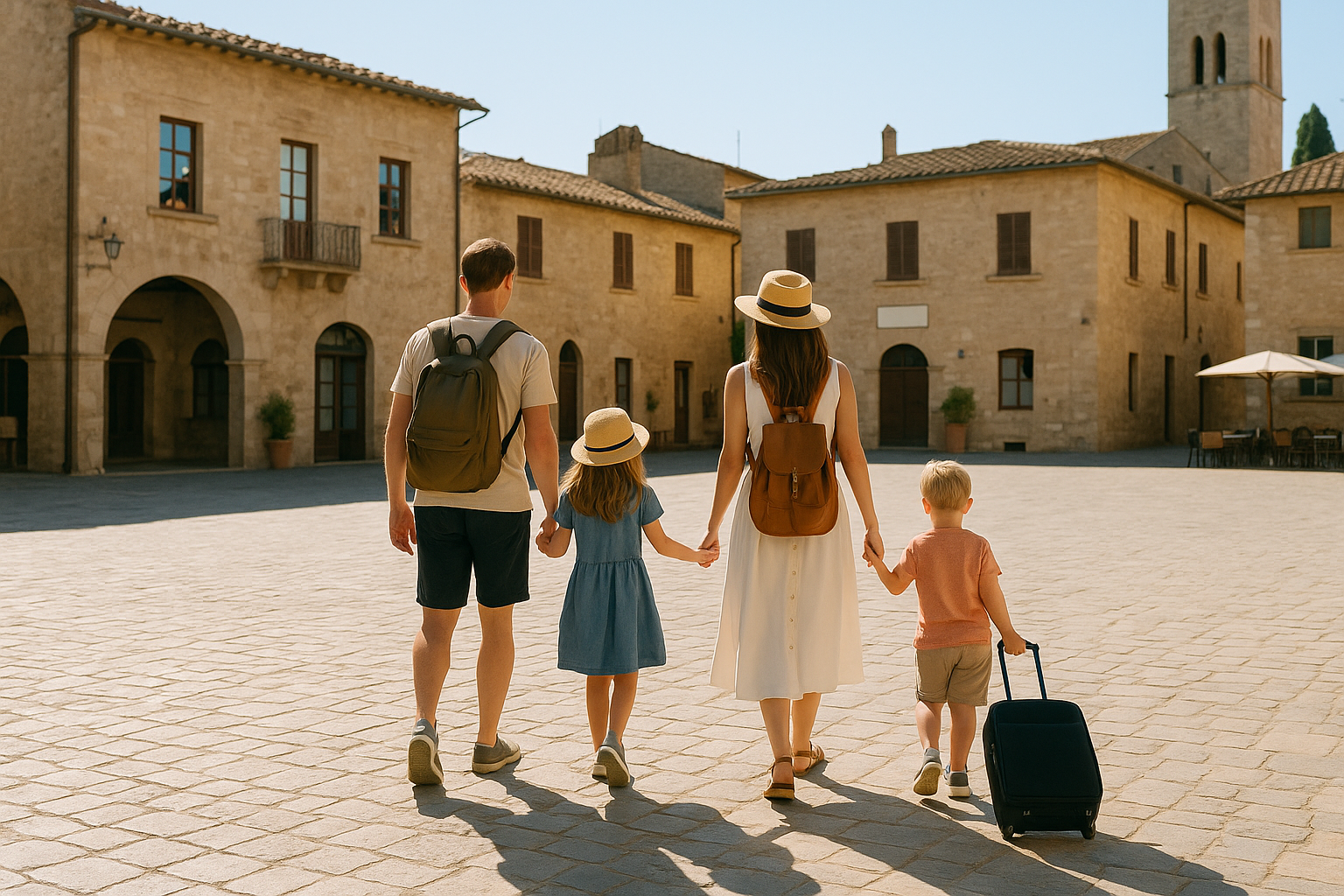
Many arrive thinking of endless deserts and ancient ruins, and are surprised by irrigated orchards, long avenues of trees and Soviet-era neighbourhoods that make cities feel like living, layered places. Another surprise is how routine hospitality is: you will be offered tea in a shop, at a bus stop or inside a museum, and those casual invitations are a practical part of daily life rather than a staged tourist gesture.
Quick 5
Uzbekistan
Uzbekistan
Uzbekistan
Uzbekistan
Uzbekistan
Regions

Travel Requirements
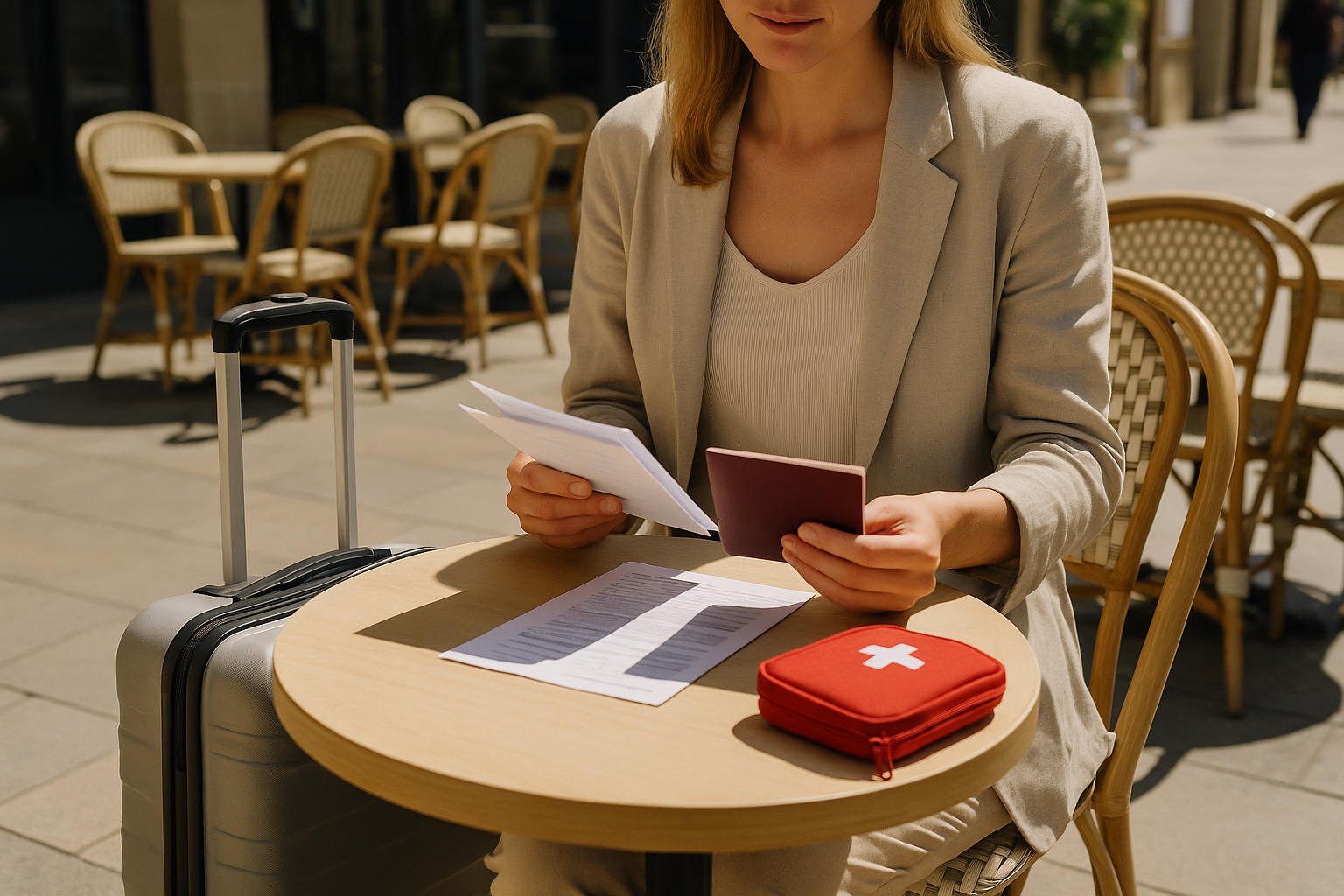
What you need to enter Uzbekistan, for the passport you hold.
Places of interest
Landscapes in Uzbekistan
Travel Tips