
Albania
Short description
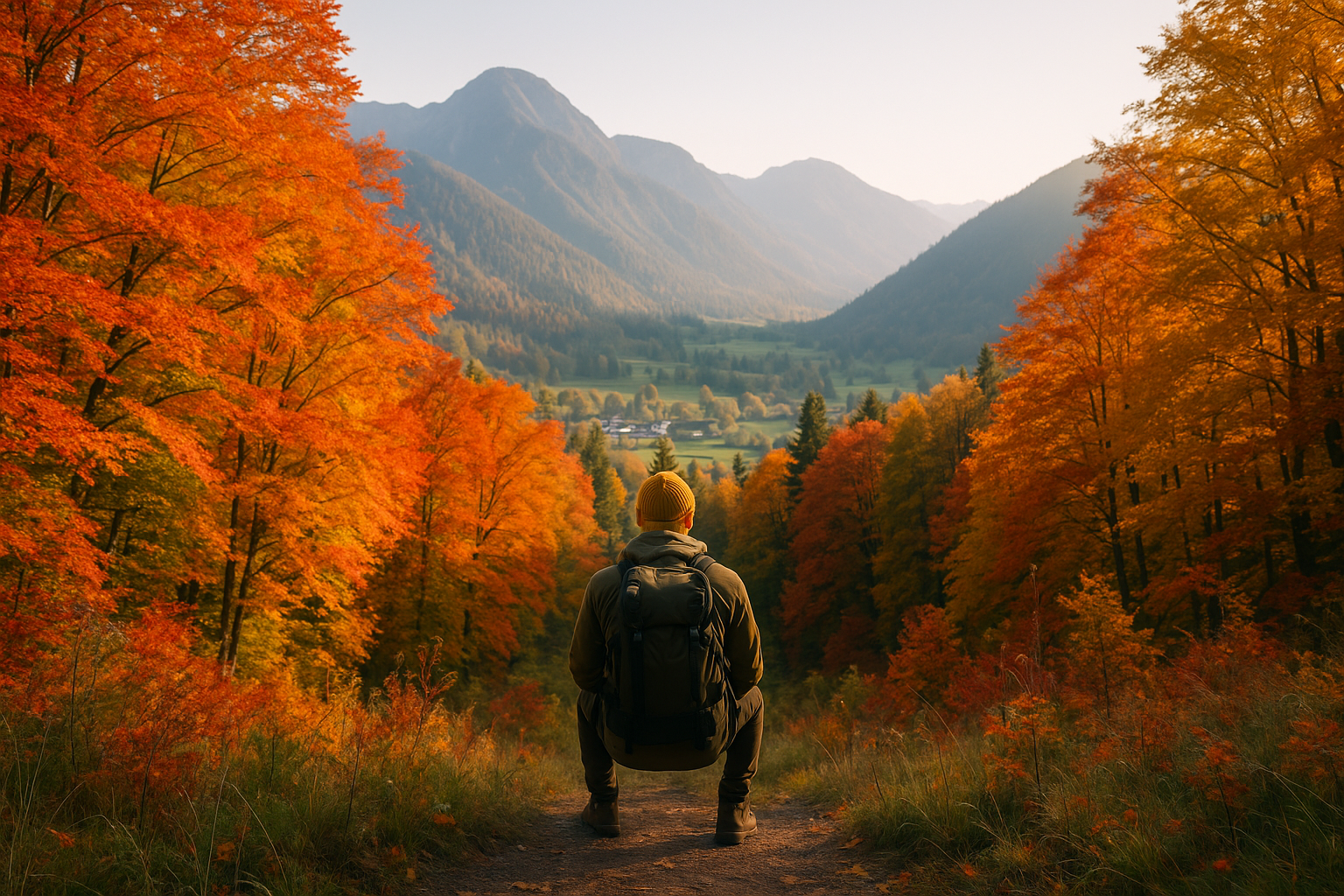
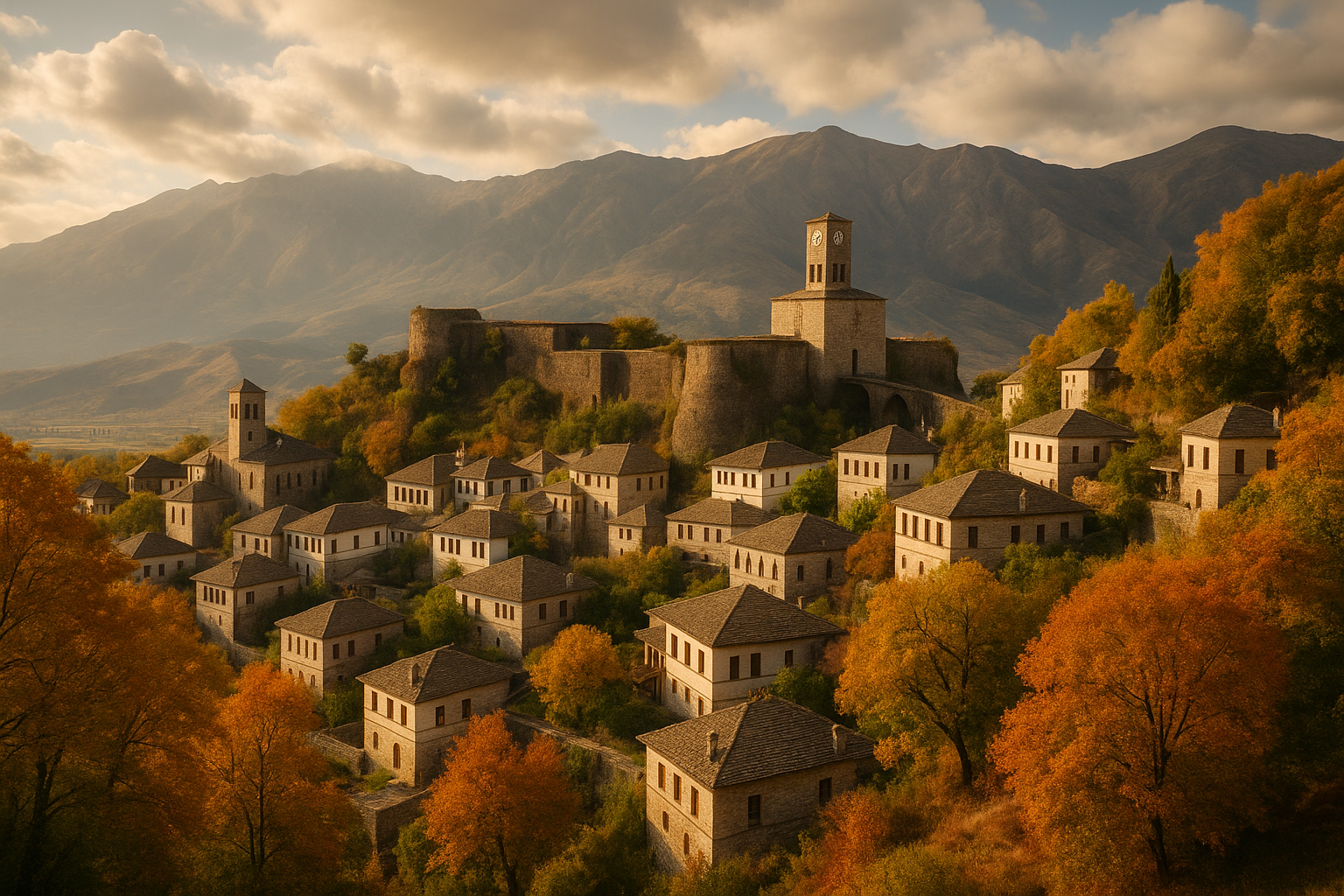
Autumn on Albanian slopes and shores
Olive harvests begin in September in groves that slope down to Albania’s Adriatic and Ionian coasts, and by November the first snow dusts the higher peaks above 1,500 metres.
What autumn actually does to life here
September still feels like an extension of summer on the Riviera — beaches thin out, cafés keep their terrace furniture, and small guesthouses squeeze in a final surge of bookings — but by October the rhythm shifts: villages run on harvest time, wineries press local grape varieties, and chestnuts and mushrooms appear on mountain paths. Rain becomes more frequent in November, shortening daylight and prompting shepherds to move flocks to lower pastures; in some inland towns seasonal markets sell the year’s preserved tomatoes, jars of ajvar-style relishes and crates of late figs.
Getting around Albania in autumn
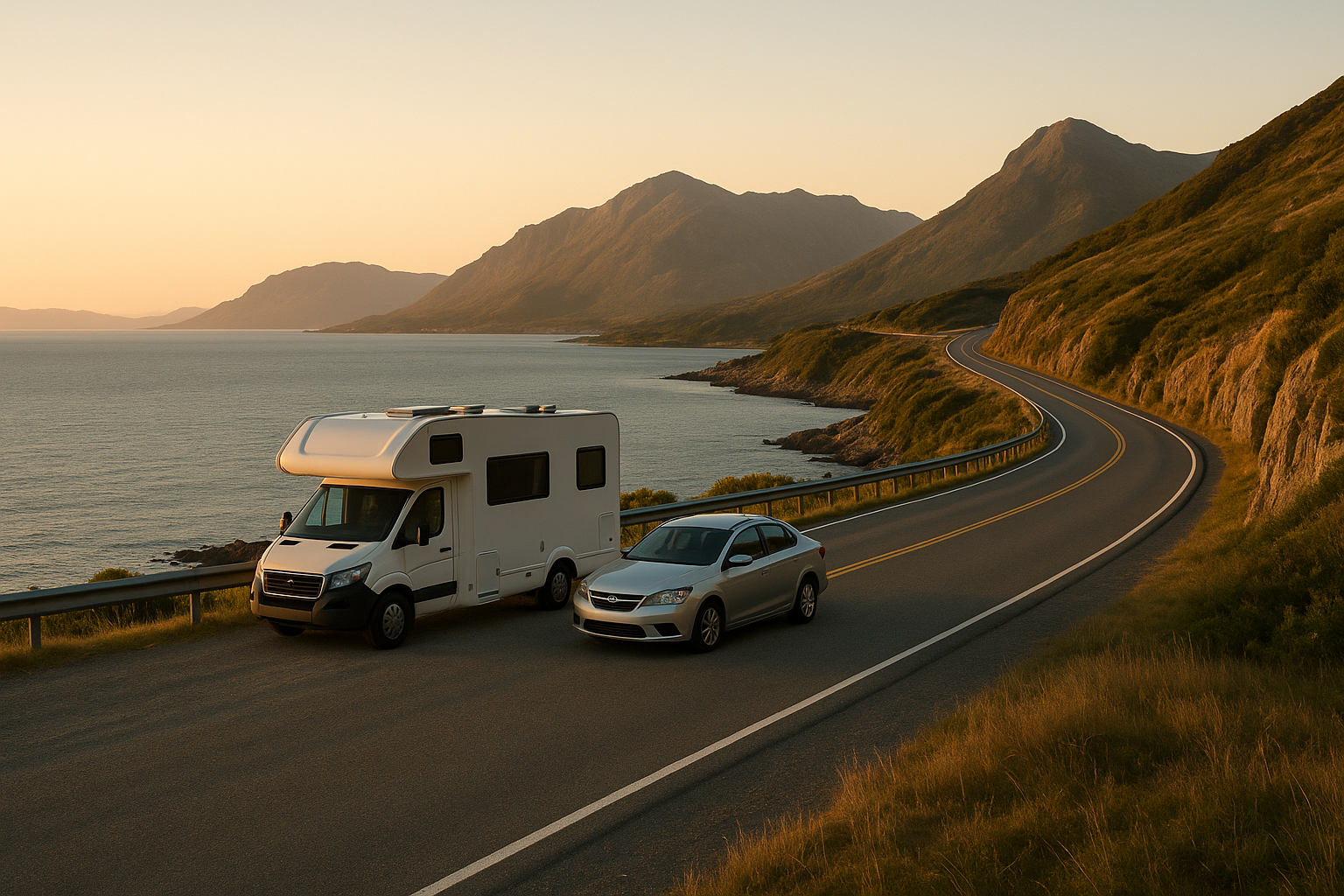
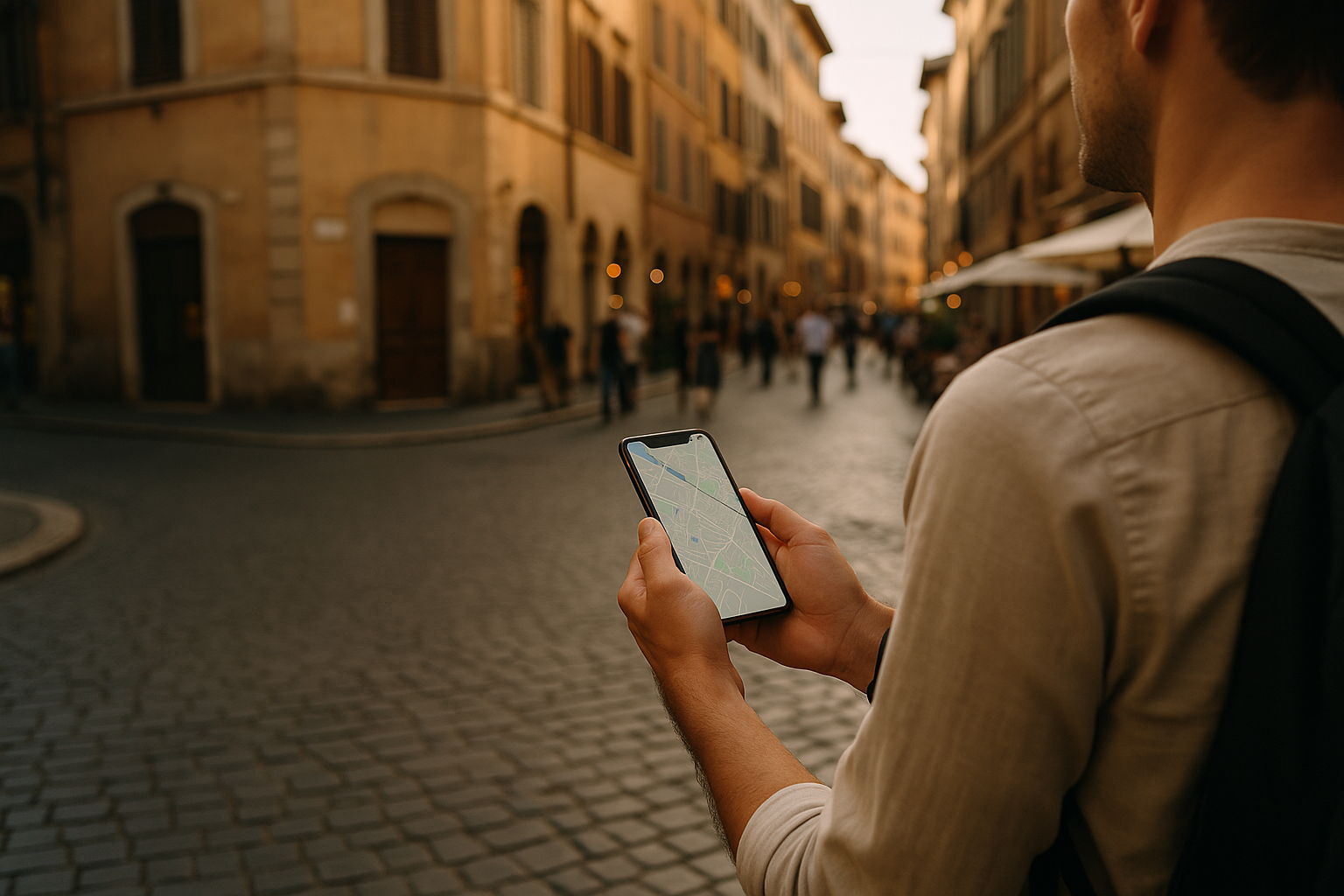
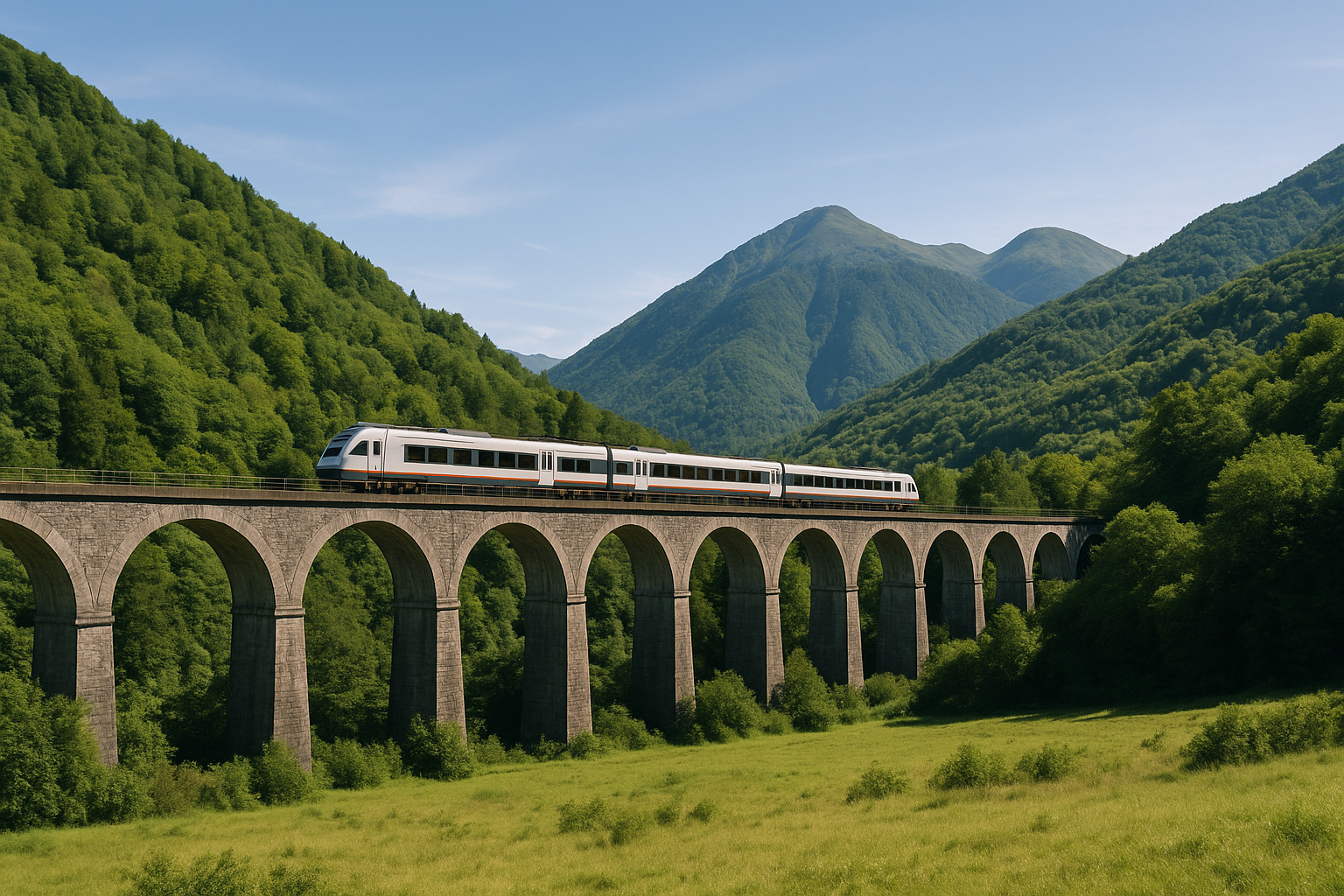
Distances look small on the map but mountain roads add time — a 200-kilometre drive can take most of a day if it climbs to a pass — so plan journeys with spare hours. Intercity buses and minibuses (furgons) still run between Tirana, Shkodër, Gjirokastër and the coast, but services thin out after mid-November and some rural routes rely on informal shared taxis. Cards work in Tirana and larger coastal towns; carry enough lek for village cafés, farm stays and roadside sellers. Mobile coverage is solid in cities and along main roads but intermittent in the Albanian Alps and some southern valleys.
Eating and the social taste of autumn
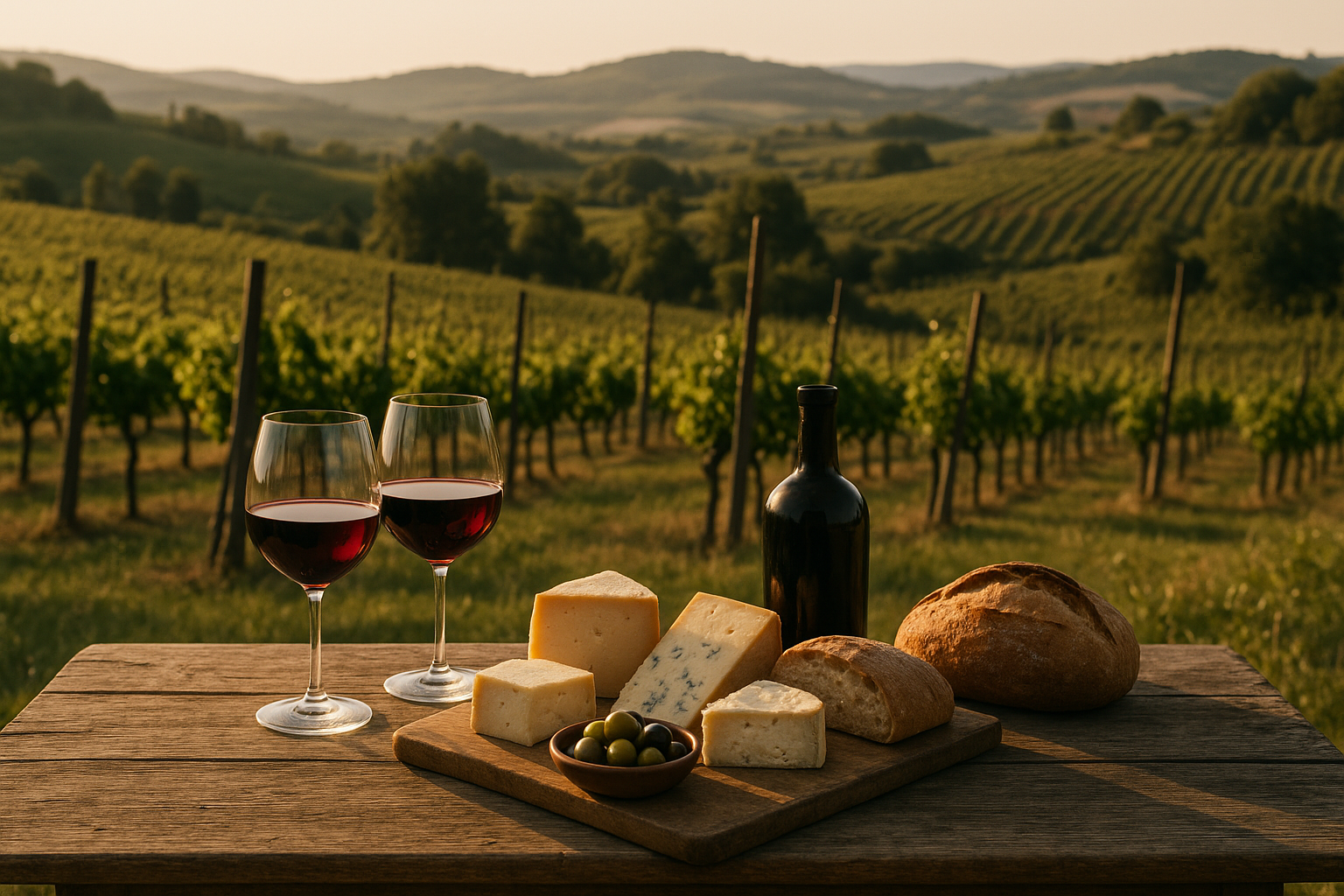
Autumn menus lean on what people have just collected: byrek filled with late-season greens, roasted peppers folded into fërgesë, and lamb stews when families celebrate harvests or local saints’ days. Tavë kosi turns up at home tables more than in cafés, and you’ll often be offered raki or a glass of homemade wine after a meal; refusing may require a polite excuse. Evenings in towns still carry the xhiro — a slow walk past cafés and bakeries — where people stop for a simit or sweet pastry and a conversation in Albanian, Italian or Greek depending on the borderland you’re in.
Quick 5
Albania
Albania
Albania
Albania
Albania
Regions

Travel Requirements
What you need to enter Albania, for the passport you hold.
Places of interest
Landscapes in Albania
Travel Tips