
Andorra
Short description
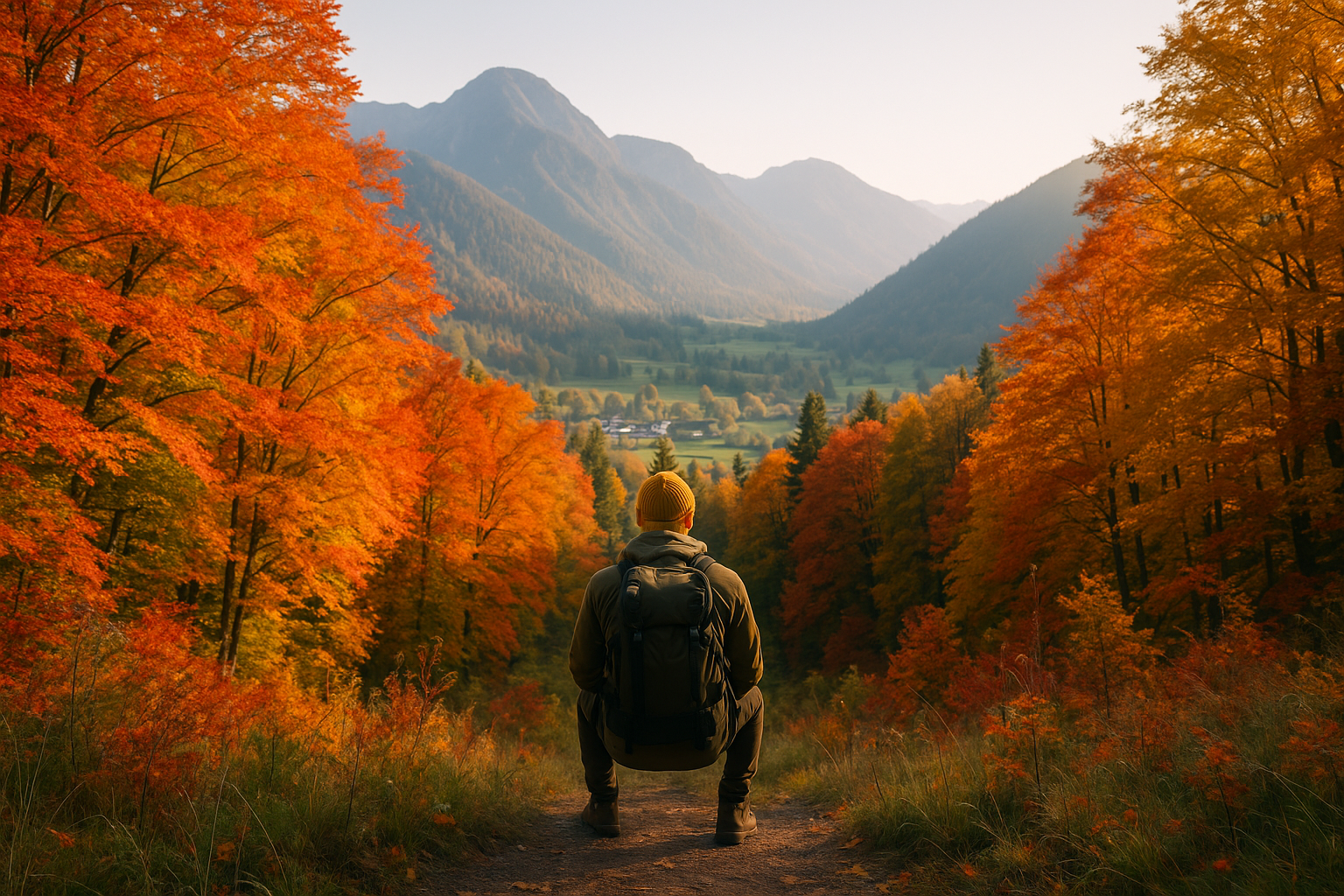
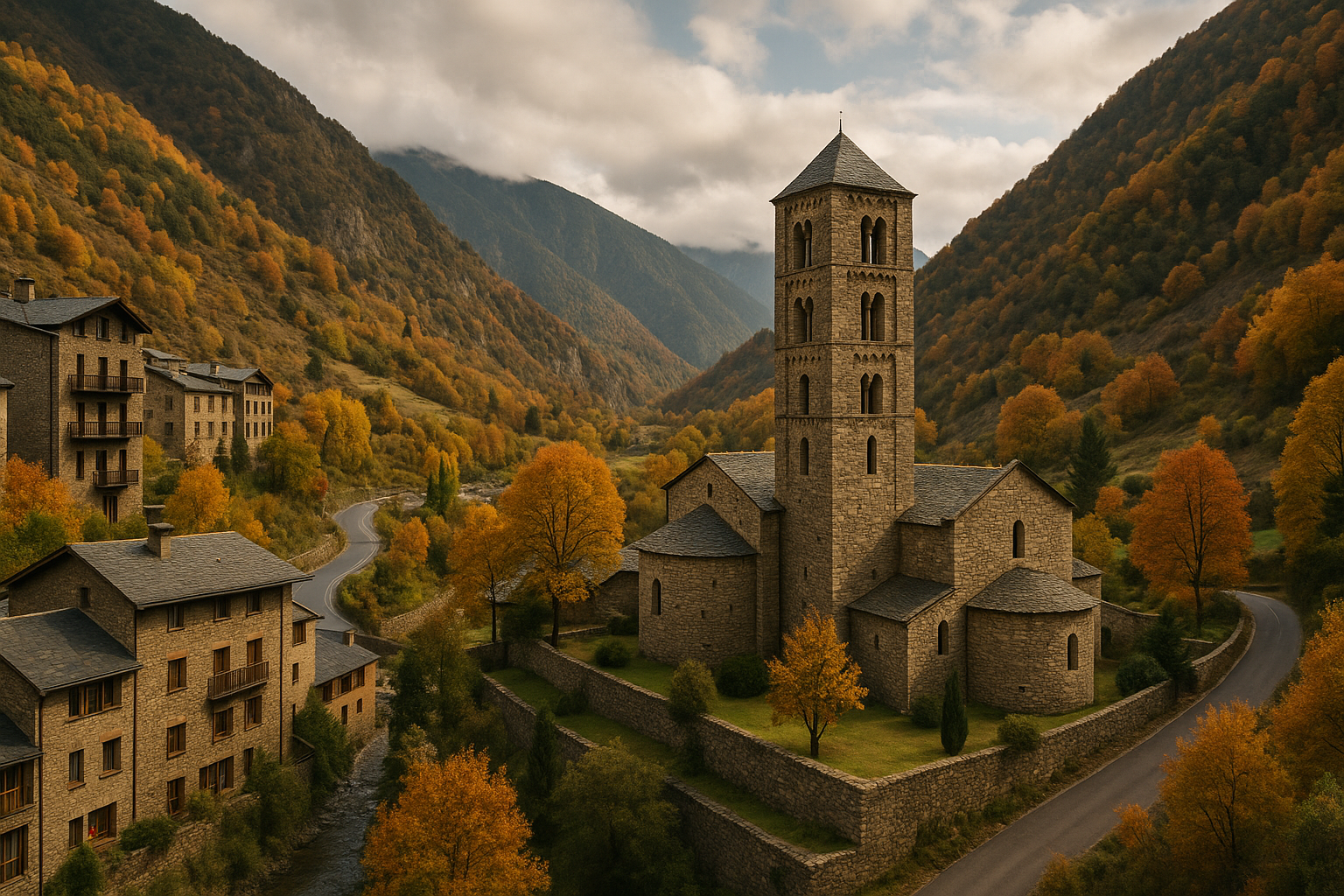
Autumn in Andorra’s high valleys
September to November turns Andorra’s narrow valleys into a place of cooling air, lengthening shadows and a clear sense that the year is moving from outdoor summer to quiet mountain winter. The beech and oak woods on the valley slopes change colour fast here — a single drive up-valley shows green to russet within a few kilometres — and the roads get noticeably emptier outside weekend shopping runs.
How the season reshapes daily life
Local routines shift as ski operators and summer guides retool: ski stations use autumn to maintain lifts and groomers, while small hotels in the parishes close or cut hours between late October and November. Markets focus on hardy produce and preserved foods rather than summer fruit, and Catalan-language notices and timetables reflect that many seasonal workers move on after the high season.
Getting around, speaking and spending
Andorra has no airport; long mountain drives or scheduled buses from Barcelona and Toulouse are the usual arrival choices, then trips between parishes mean half‑hour to hour drives rather than long rail journeys. The currency is the euro and cards work almost everywhere in towns, but a few rural bars and trail-side refuges still prefer cash. Catalan is the official language and using simple Catalan greetings is noticed and appreciated, though Spanish and French are commonly understood.
Everyday manners and a few things that surprise visitors
People in Andorra keep a casually formal tone in shops and offices: a handshake and a short, polite greeting start most interactions. Dining follows Pyrenean rhythms — a substantial midday meal, lighter evenings — and tipping is small and discretionary. Many visitors are surprised by two particular facts: Andorra’s governance includes two co-princes (the President of France and the Bishop of Urgell) and that outside the winter ski season the principality often feels more like a cluster of mountain villages reliant on forestry, farming and cross‑border trade than a nonstop ski-resort town.
Quick 5
Andorra
Andorra
Andorra
Andorra
Andorra
Regions

Travel Requirements
What you need to enter Andorra, for the passport you hold.
Places of interest
Landscapes in Andorra
Travel Tips