

Austria
Short description
Autumn in Austria: grape harvests, Almabtrieb and the first high‑alpine snow
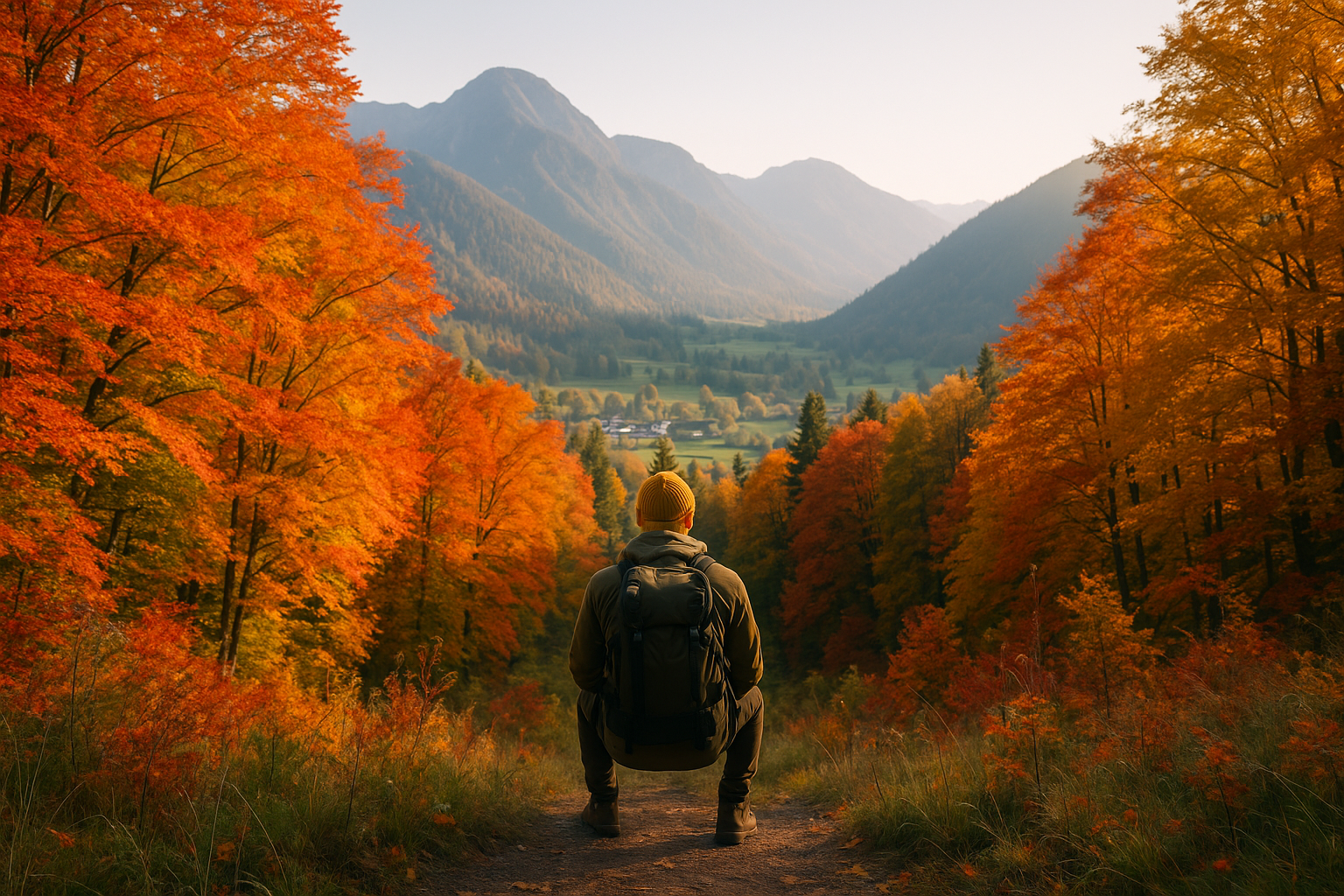
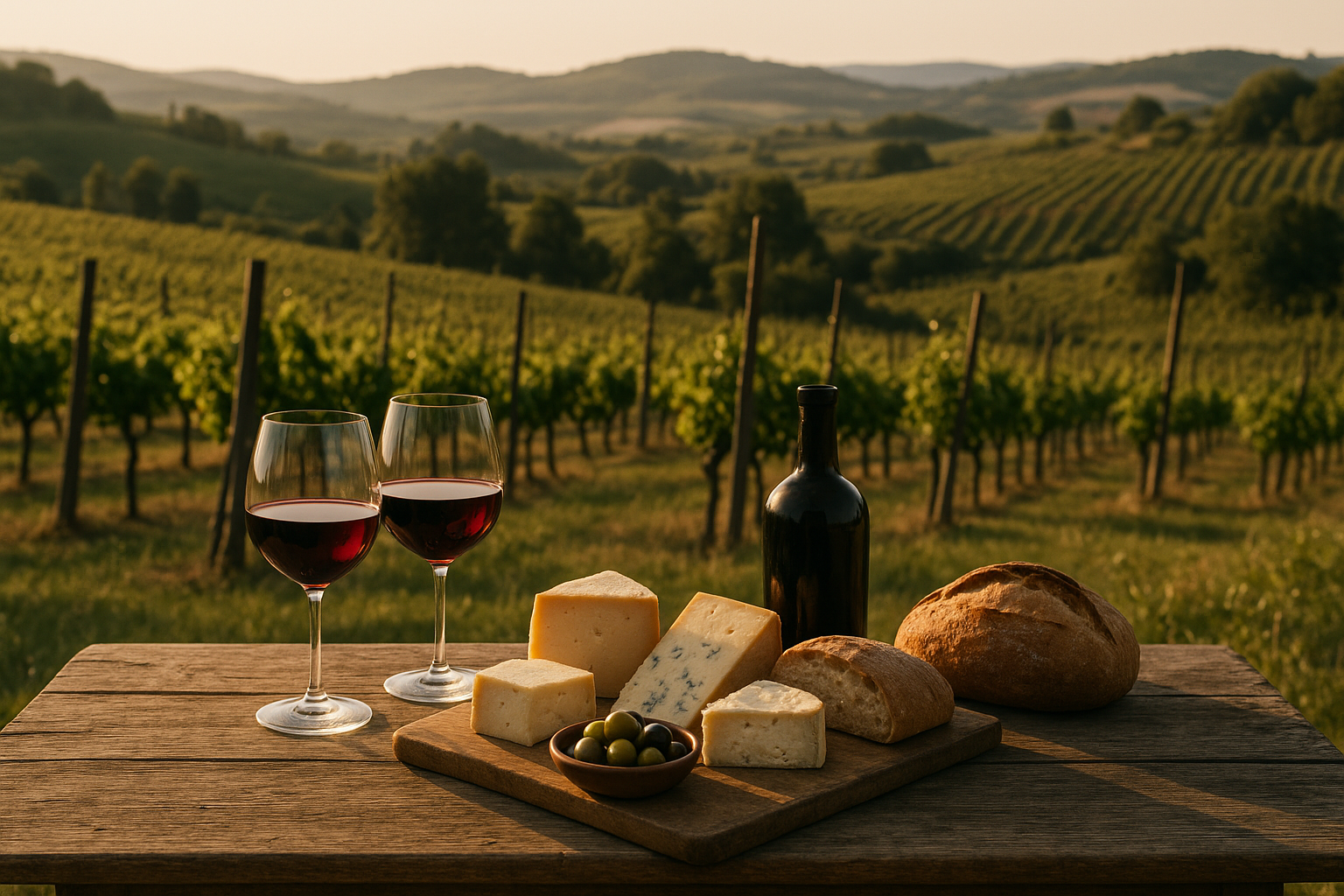
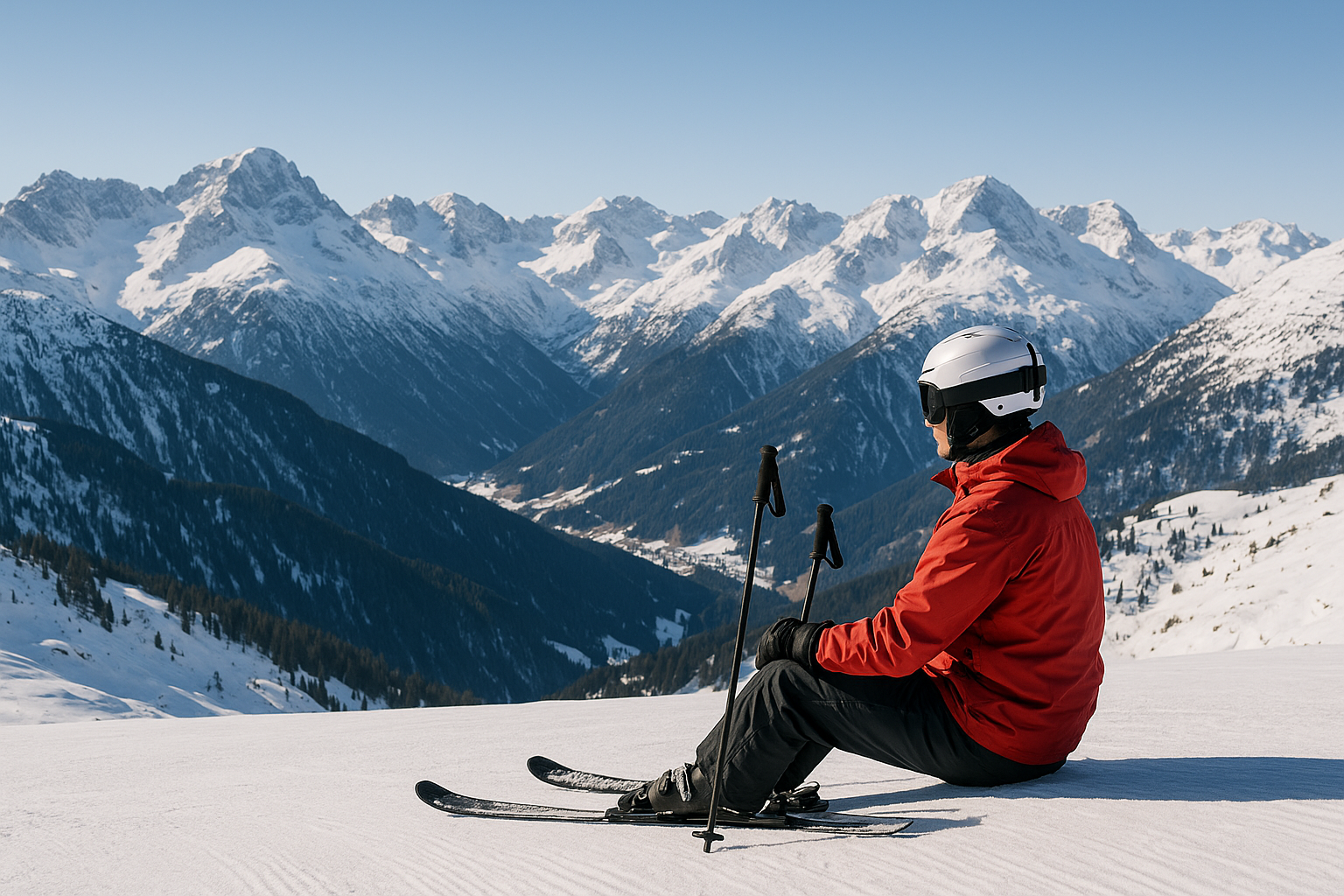
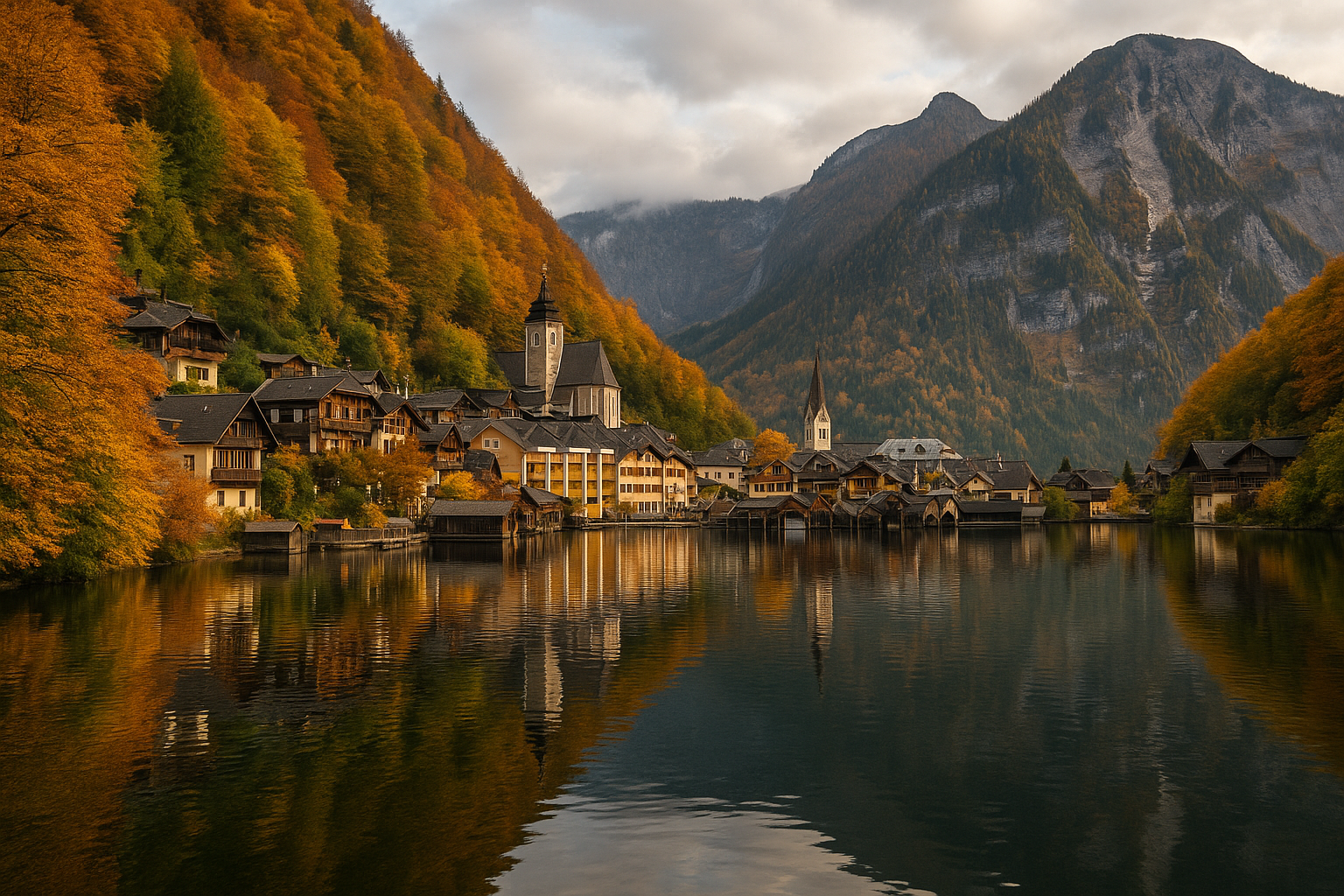
September starts here with the Traubenlese in the Wachau and Burgenland wine regions and often finishes with the first dustings of snow on the Großglockner massif; those two facts tell you how the season stretches from vineyard terraces to high mountains. Villages in Tyrol and Salzburg put cattle back down from the alp in colourful Almabtrieb processions, harvest menus arrive in inns, and city parks in Vienna and Graz turn copper and gold by late October.
Getting around Austria in autumn
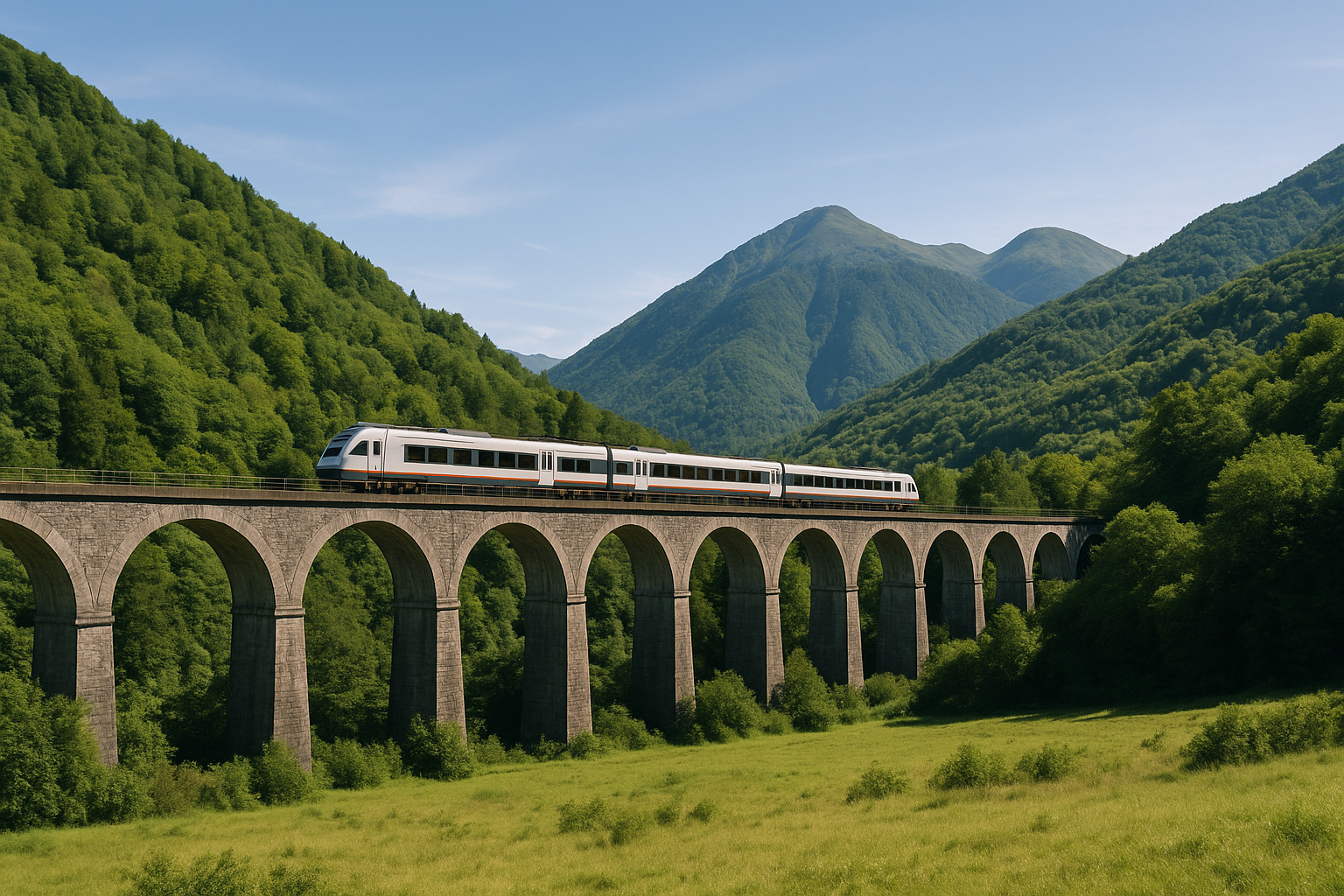
The rail network remains the easiest way to travel between cities: ÖBB Railjet and intercity services connect Vienna, Salzburg, Innsbruck and Graz reliably (Vienna–Salzburg is a short, high‑speed trip). Rural valleys are best reached by car or regional bus: once you leave the main lines services thin out and mountain lifts begin maintenance for winter. Cards are accepted in most hotels and city restaurants; small mountain huts and Heuriger wine taverns in the countryside still prefer cash.
How Austrians live and behave in the cooler months
Social routines shift noticeably. Sundays are quiet outside big cities—shops shut and many locals head to the Heuriger or a Gasthaus for a late afternoon Gansl (roast goose) or a plate of Pilze and chestnuts. You will hear "Grüß Gott" in the east and "Servus" in the west; formal titles and surnames are common in business settings but everyday encounters in cafés are relaxed and long—Austrians take their Kaffeehaus time. Tipping is straightforward: hand the amount you want the waiter to register rather than leaving large notes on the table.
What visitors consistently misunderstand
People expect imperial Vienna and instead find strong regional cultures: the vocabulary changes (try "Jause" for an afternoon snack or "Marillen" for apricot), menus shift to game and pumpkin‑oil dishes in Styria, and provincial festivals matter more than one‑off tourist events. Austrians can seem reserved until you share a table at a Heuriger or the village festival—then their humour and local pride become obvious.
Quick 5
Austria
Austria
Austria
Austria
Austria
Regions

Travel Requirements
What you need to enter Austria, for the passport you hold.
Places of interest
Landscapes in Austria
Travel Tips