

Belgium
Short description
How Belgium feels in autumn
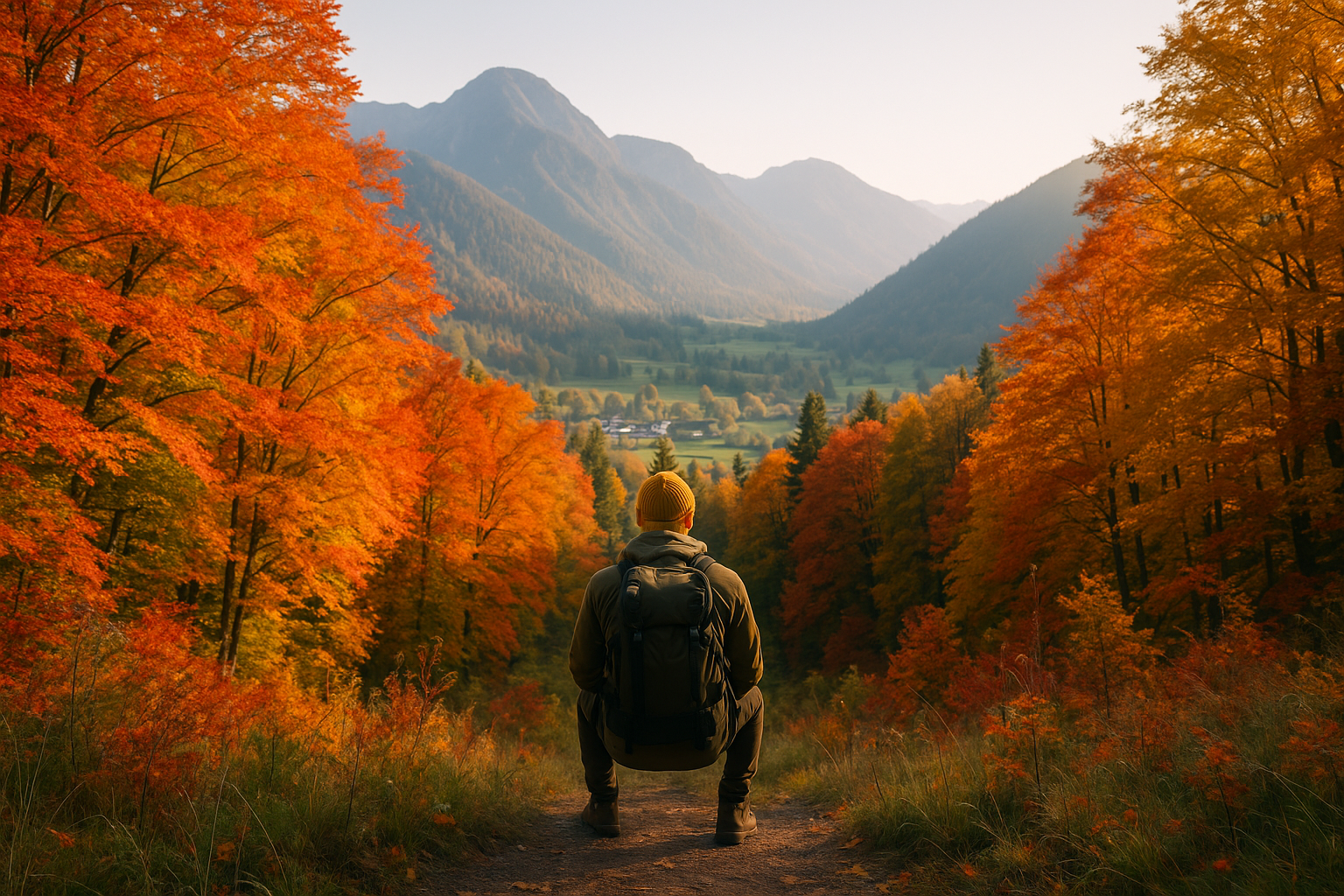
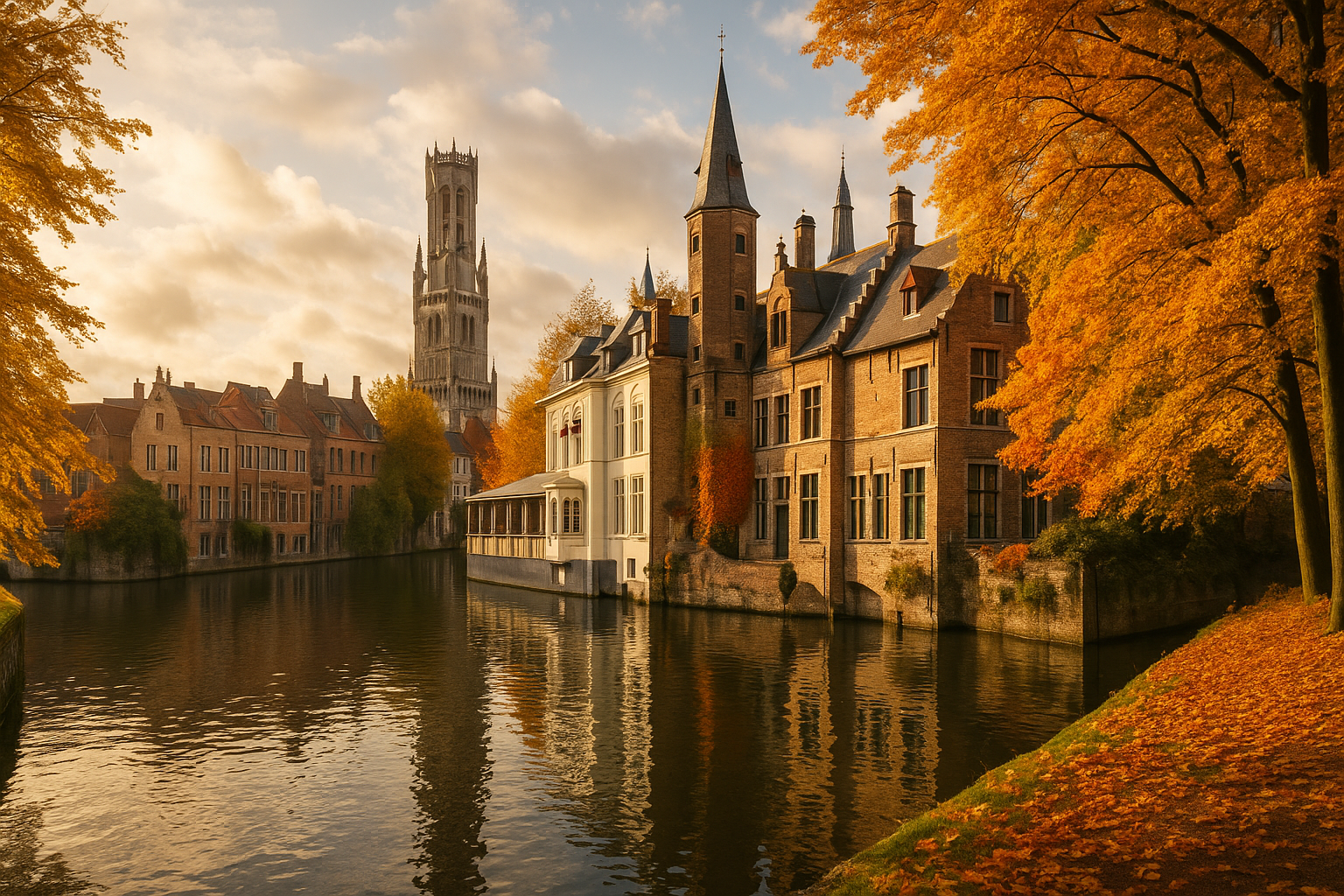
Autumn in Belgium is the season when terraces thin out and cafés fill with people warming up over bowls of moules-frites, stews and strong brown ales. The air carries wood smoke from domestic stoves in the countryside and the smell of frying fat outside friteries; tram and bike traffic still threads through towns while leaves crowd the gutters. Expect shorter daylight from September into November and a steady succession of grey, damp days punctuated by bright, crisp mornings.
Regional rhythms you’ll notice
Language divides remain visible: Dutch dominates streets and shops in Flanders, French in Wallonia, and German in the small eastern provinces, with Brussels operating bilingually. That split shows in menus, municipal signage and the local press; a shopkeeper will switch languages if they can. Markets that sell game, mushrooms and late-season produce appear in town squares as people start storing food for winter.
Getting around and what to expect
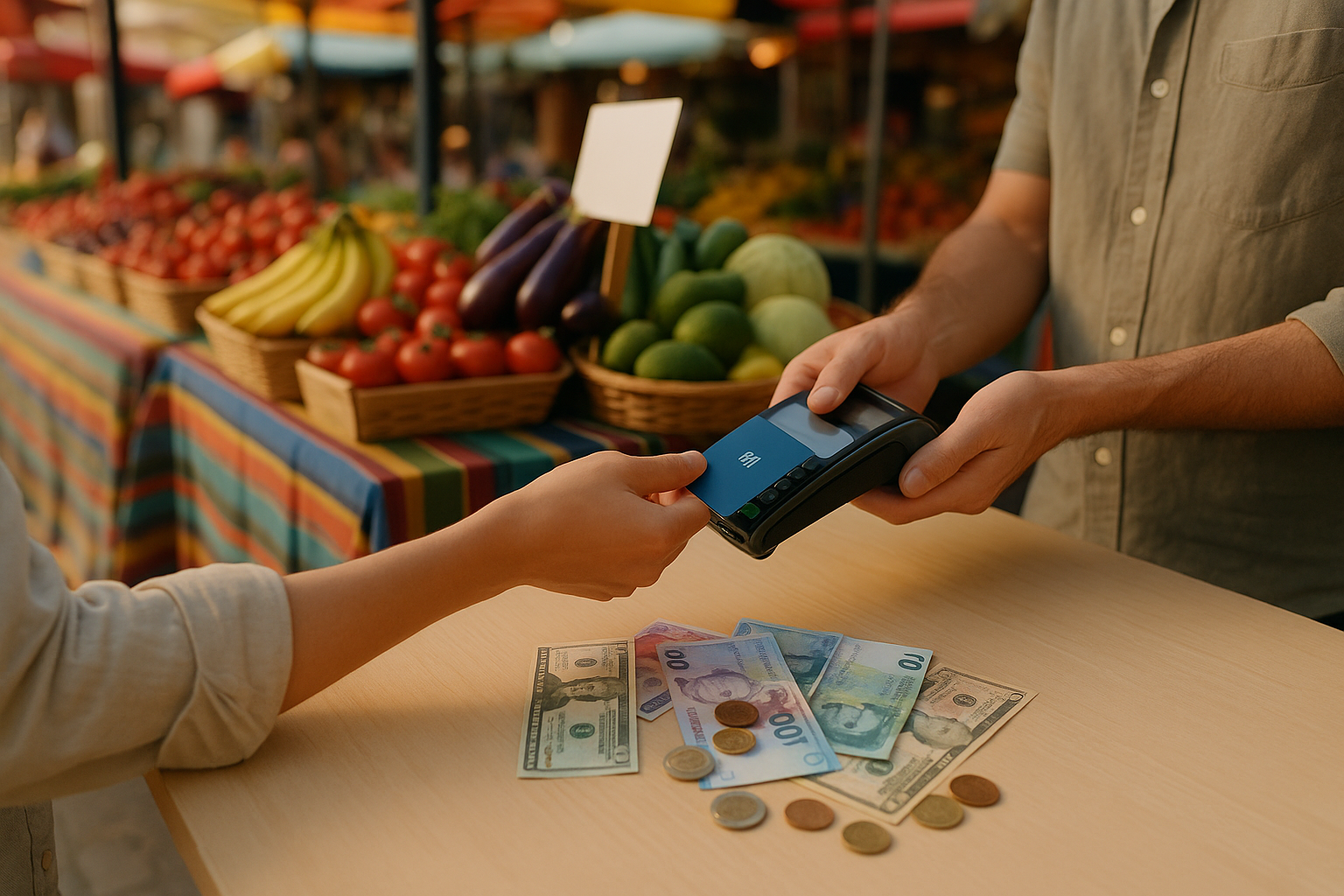
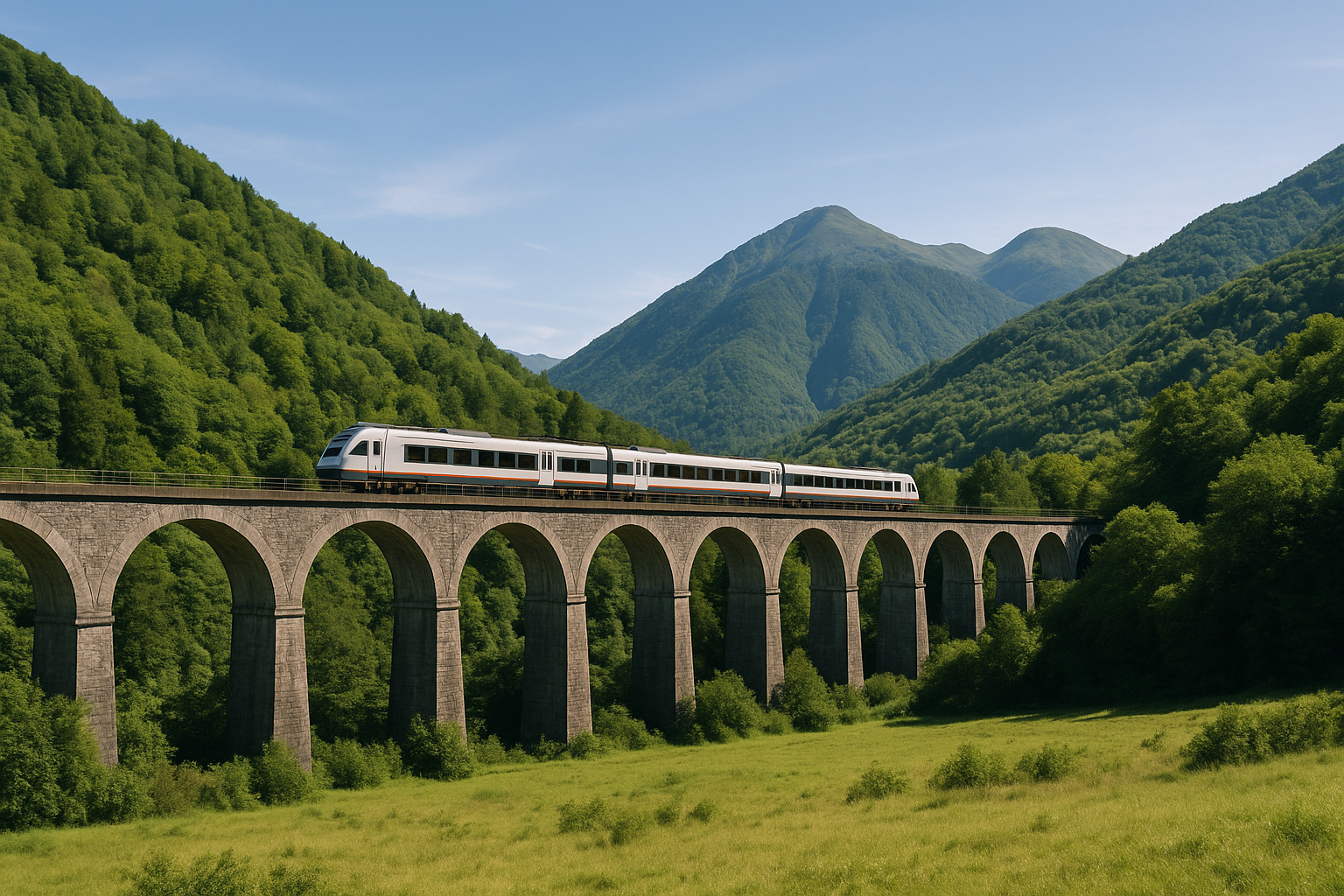
The country’s compact size and a dense rail network mean intercity travel rarely takes the day. Belgian intercity trains are useful for same-day hops between major towns; regional buses and trams fill the gaps. Cash is still practical at small bakeries and markets, but contactless cards work almost everywhere. Mobile reception is reliable in cities and most of the countryside; a few forested valleys and the Ardennes have patchier coverage.
Eating and social rhythm in cooler months
Autumn is when Belgians move from light meals to dishes that hold heat: Flemish beef stew (stoofvlees) with fries, heartier seasonal soups and an emphasis on slow-cooked meats paired with local ales. Supper tends to start around 19:00; restaurants include service in the bill, so rounding up or leaving a small tip is polite but not expected. Chocolat shops and patisseries lay in stocks for end-of-year celebrations, so it’s a good time to sample regional specialties without summer crowds.
Quick 5
Belgium
Belgium
Belgium
Belgium
Belgium
Regions
Travel Requirements
What you need to enter Belgium, for the passport you hold.
Places of interest
Landscapes in Belgium
Travel Tips