

Bosnia and Herzegovina
Short description
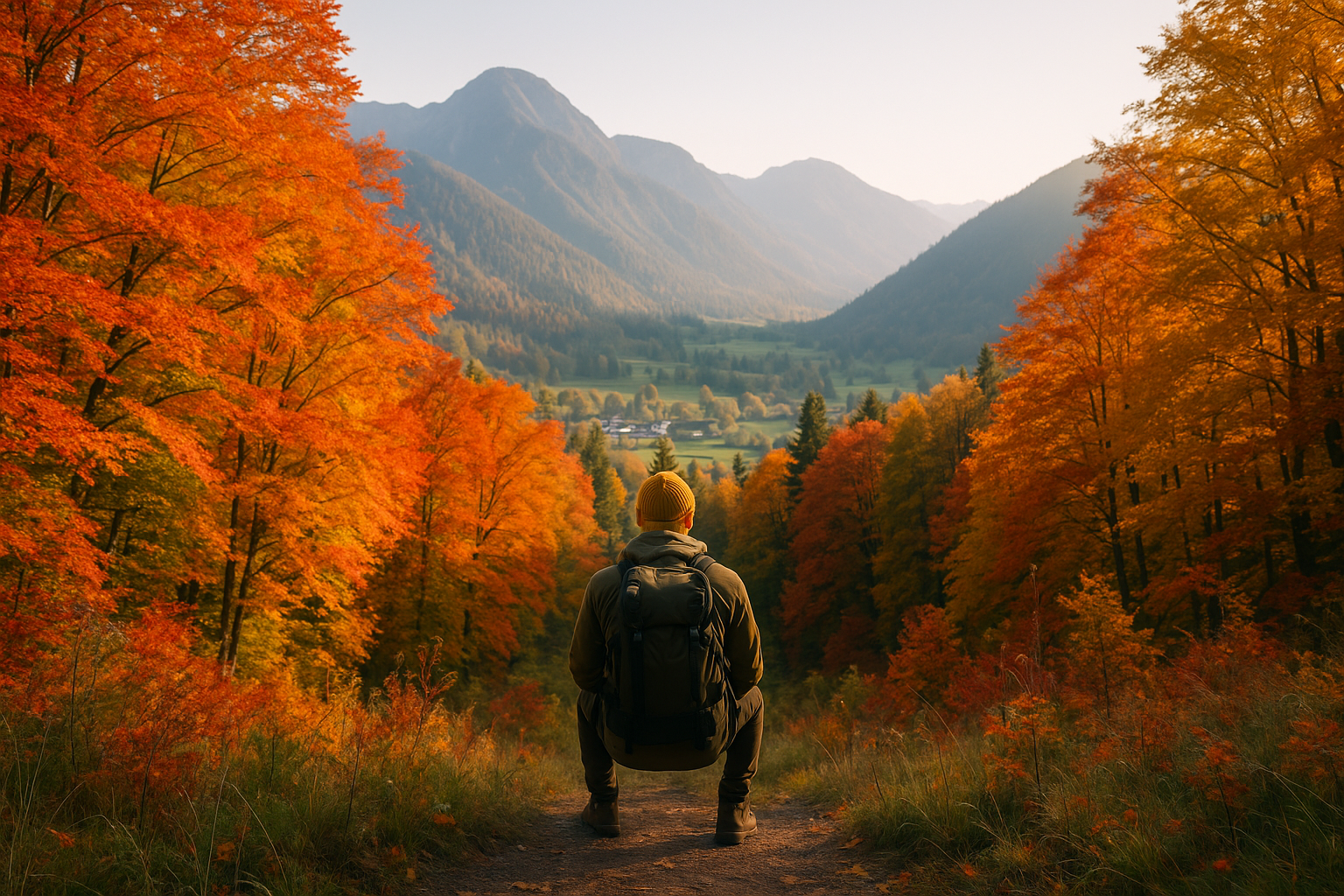
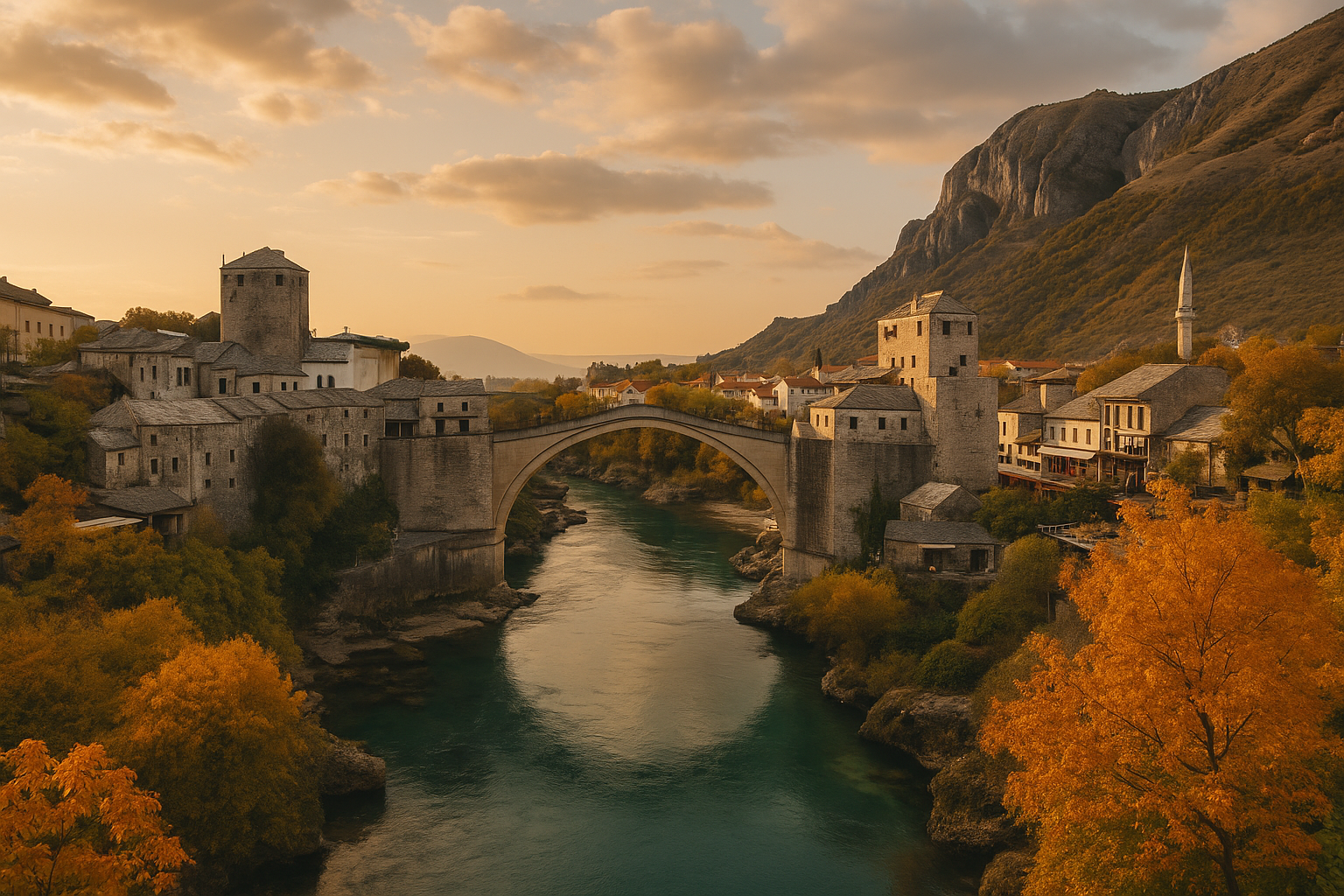
Autumn on the rivers and slopes
By September the Miljacka in Sarajevo runs cooler and low-lying fog catches the avenues; by November the higher passes around Bjelašnica and Vlašić can have fresh, brief snow that changes travel plans overnight. The country’s scale is compact — a few hours will take you from broad river valleys into steep, forested hills — but those short distances feel big because the roads twist and the settlement pattern keeps villages clinging to slopes rather than spreading out.
What autumn actually does here
Autumn pulls activity off main streets and into cafés and bakeries: people linger over cezva-brewed Bosnian coffee as chestnuts roast on street corners and mushroom foragers return with the season’s haul. In Herzegovina the grape harvest and pruning work continue through September and October; in central Bosnia the first wood-smoke of the heating season begins to scent towns. Religious calendars and town festivals mean certain days are quieter in different municipalities, so a Tuesday in one town can feel more lifeless than the same weekday elsewhere.
How moving around works in practice
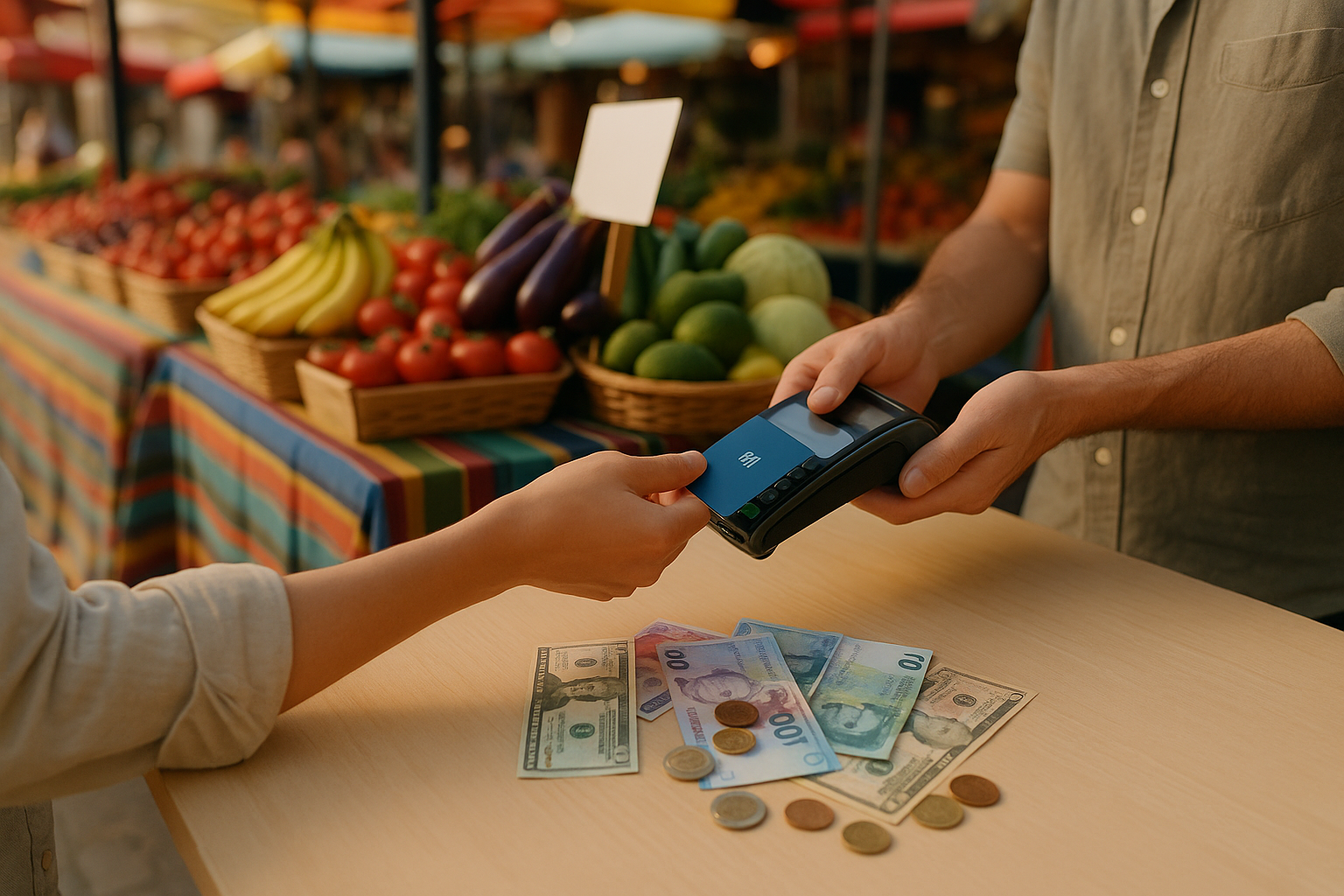
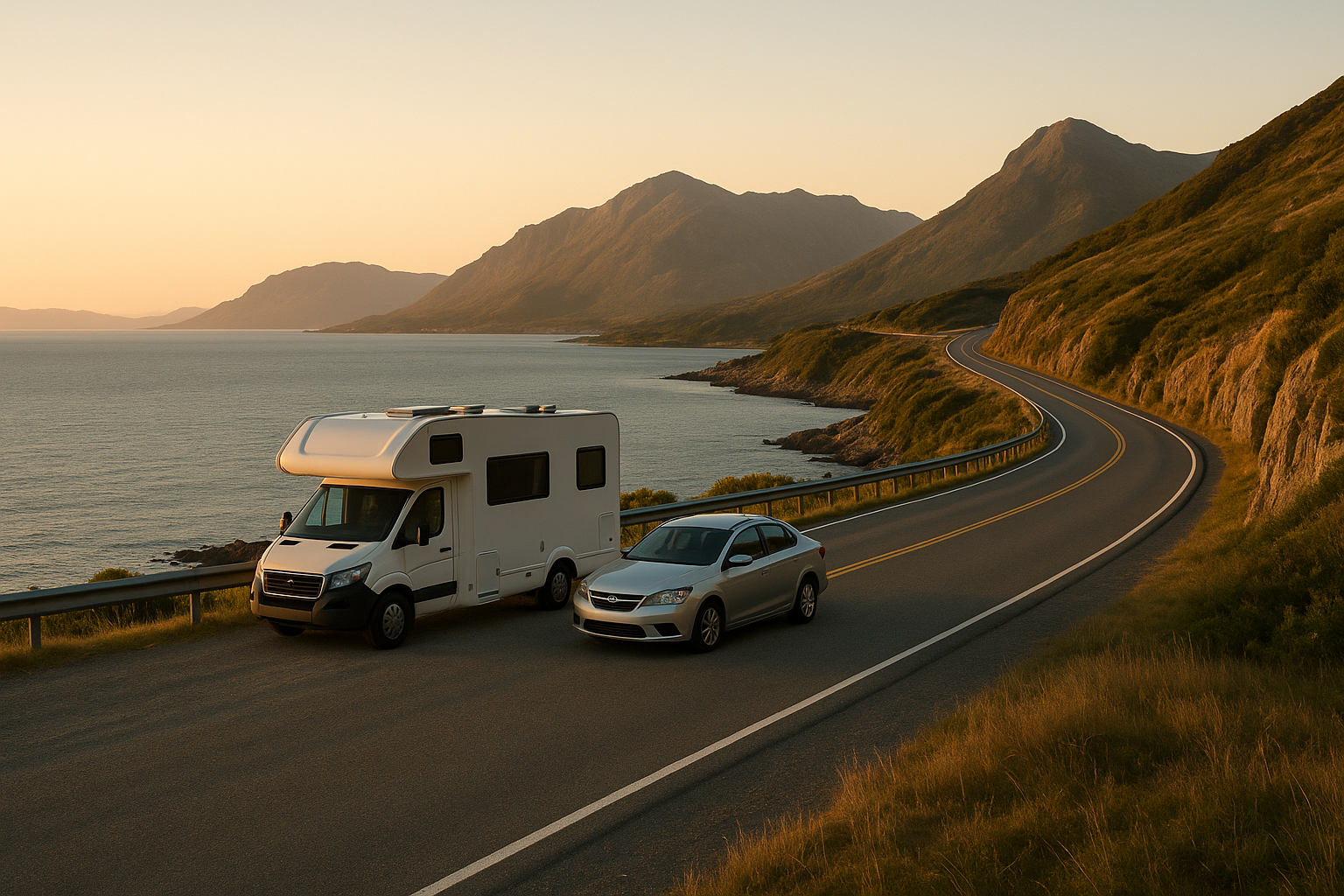
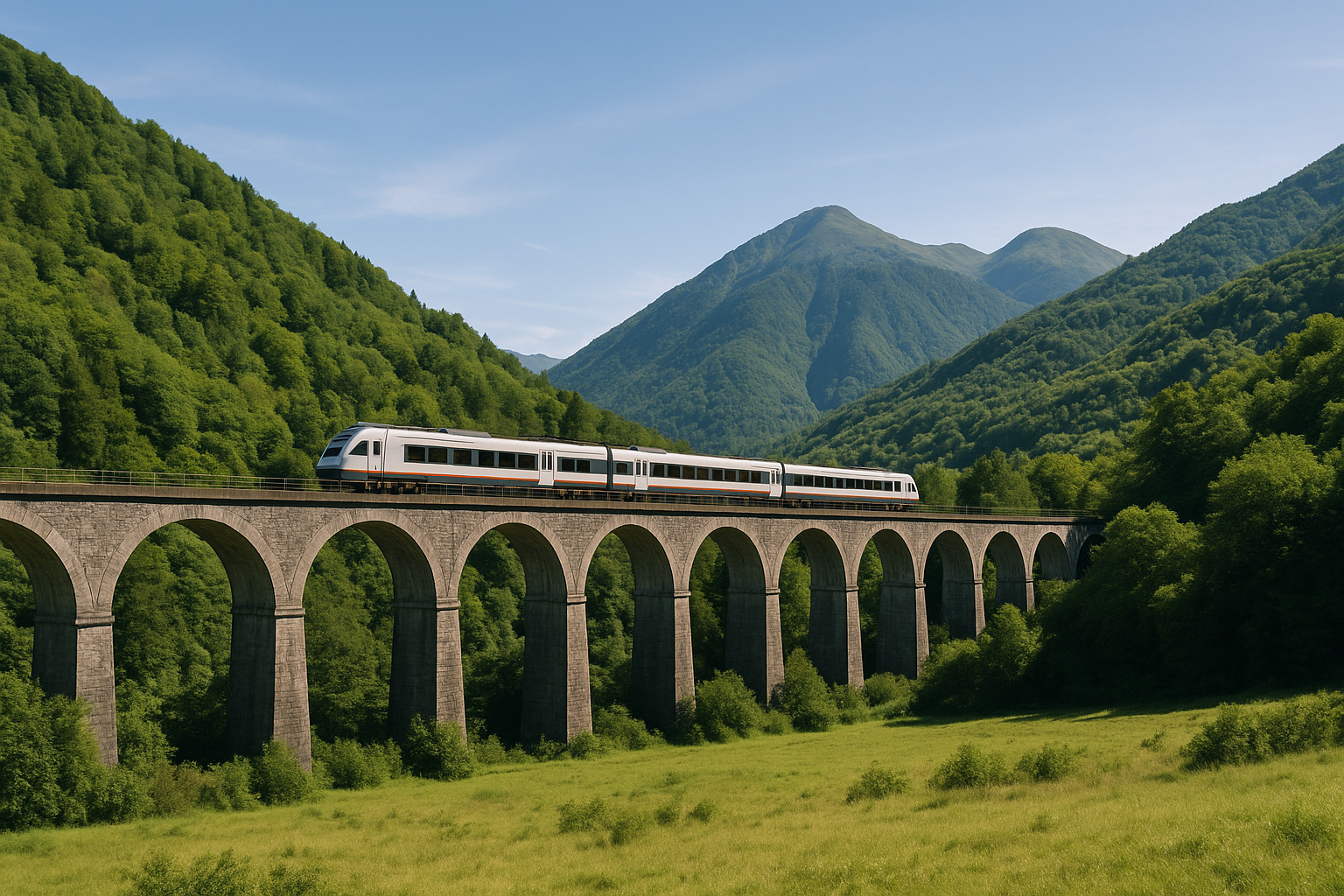
Intercity buses are the most reliable way to cover distance; trains exist but are slow and limited. Driving is rewarding but expect narrow tarmac, frequent gradients and drivers who overtake on blind bends — allow extra time. Cards work in hotels, larger restaurants and shops, but cash in Bosnia and Herzegovina Convertible Marks is still the default at markets, small cafés and many rural guesthouses. Road signs alternate between Latin and Cyrillic scripts, and English is common in Sarajevo and other tourist-facing towns but much less so in villages.
Autumn on the table
Meals move indoors as temperatures drop: a midafternoon burek from a bakery or a hearty Bosanski lonac in a family-run eatery fits the rhythm better than al fresco dining. Hosts will offer coffee almost as a courtesy whenever you sit — accepting is polite and often leads to conversation. Expect fresh, seasonal mushrooms, roasted chestnuts and late apples at markets; try sharing plates at a table rather than ordering single portions. Tipping tends to be modest — rounding up or leaving around five to ten percent is common.
Quick 5
Bosnia and Herzegovina
Bosnia and Herzegovina
Bosnia and Herzegovina
Bosnia and Herzegovina
Bosnia and Herzegovina (BIH)
Regions

Travel Requirements
What you need to enter Bosnia and Herzegovina, for the passport you hold.
Places of interest
Landscapes in Bosnia and Herzegovina
Travel Tips