
Croatia
Short description
What autumn does to Croatia’s coast and countryside
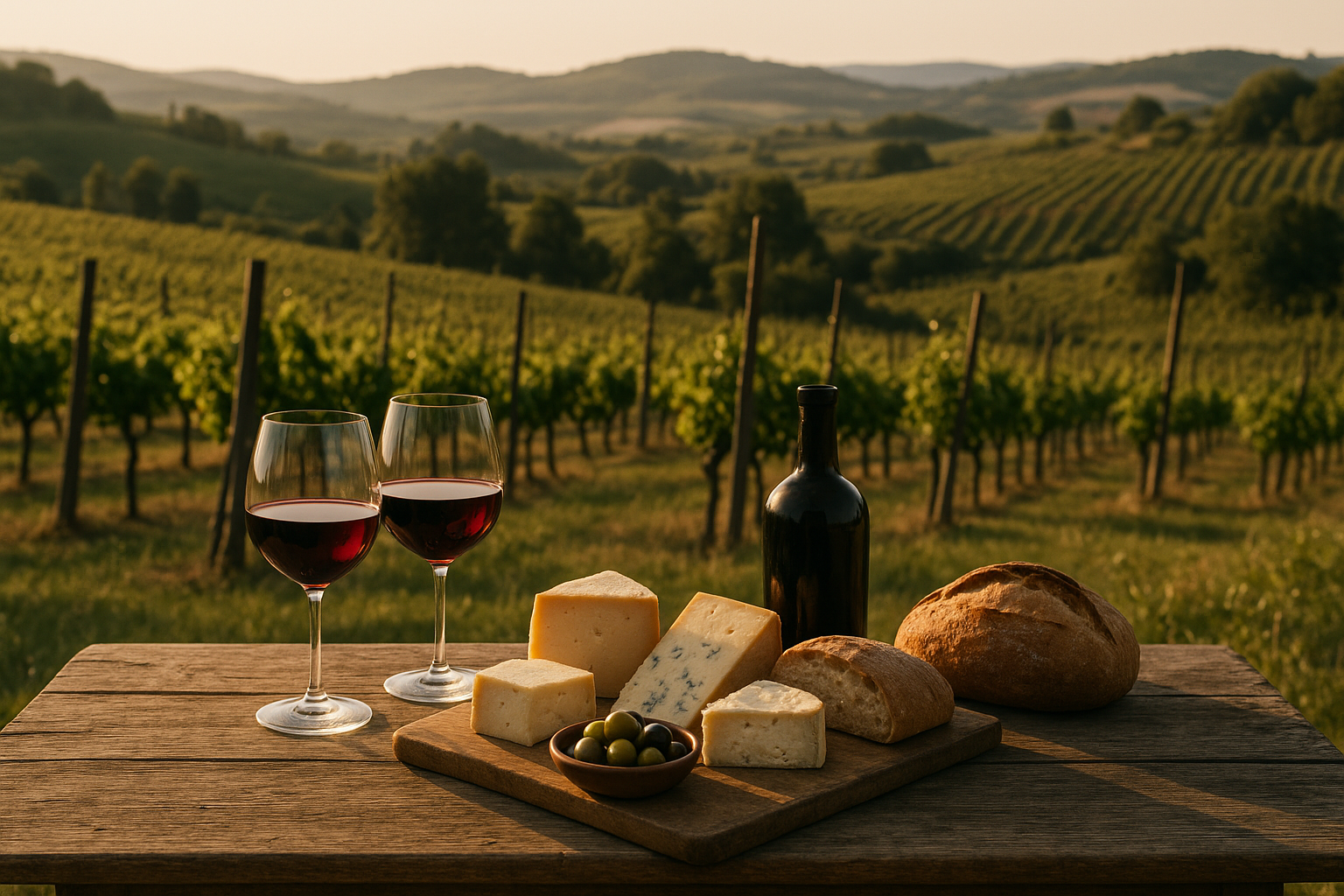
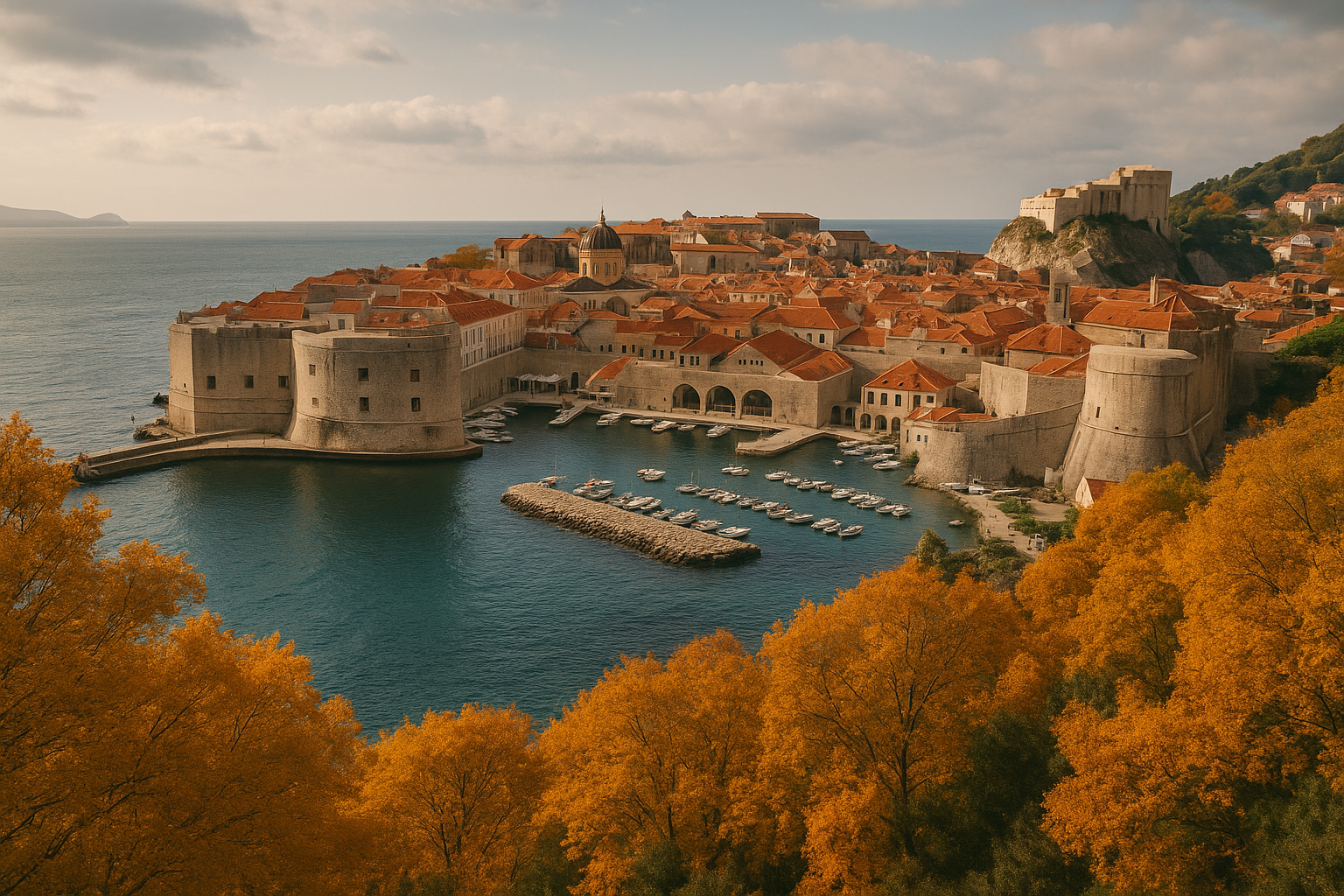
In Croatia, September thins the summer crowds along the Dalmatian coast and ferries run with fewer passengers; by November many island bars have already turned off their lights. Inland, the vineyards of Istria and Slavonia are busy with berba—the grape harvest—and the landscape changes from tourist terraces to stacks of crates and temporary presses. Nights lengthen fast: sea afternoons stay mild into October, but rolling fogs and damp cold arrive early in continental towns.
Food, seasons and pockets of activity
Autumn is truffle and mushroom season in Istria—hunts around Motovun and Buzet become part of daily life—and many konobas switch menus to game, cabbage and slow-roasted dishes like peka. Olive presses hum after the harvest in coastal groves, and local village festivals celebrate chestnuts and new wine more openly than city centres do. Expect cafés in Zagreb and Rijeka to keep packed with people drinking long black espressos while outdoor heaters fend off the evening chill.
Getting around Croatia in autumn
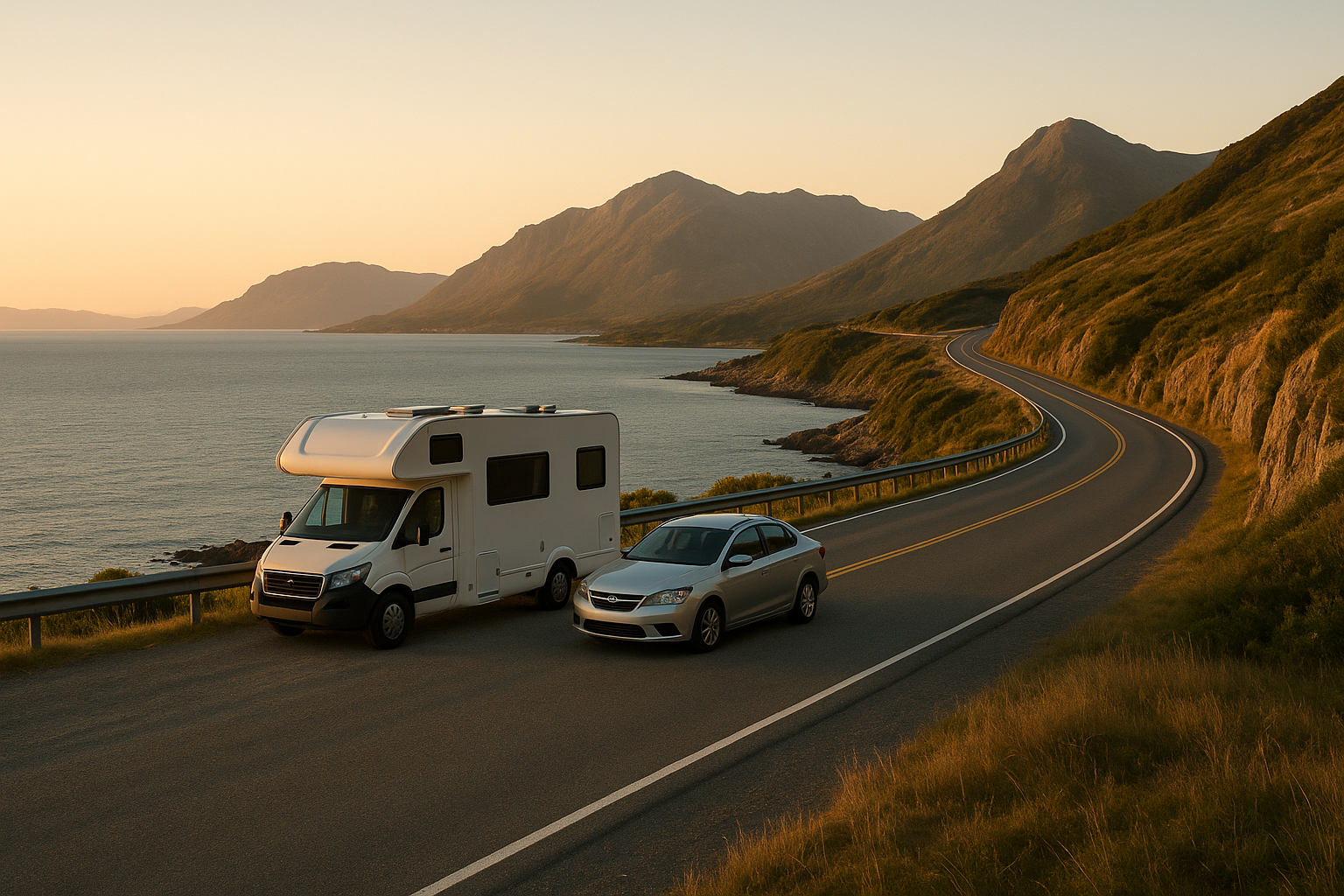
Distances look short on a map but drive times tell the truth: the coastal road folds around cliffs and towns, so a Zagreb–Split trip runs fastest on the A1 motorway rather than the coastal route. Ferries and catamarans still run, but timetables thin after mid-September and some island services stop for the season, so check schedules rather than assuming daily crossings. Card payments are common in cities, but carry Kuna for rural konobas, markets and smaller ferries.
How locals behave and what catches visitors off guard
People use formal greetings—say "Dobar dan" and "Hvala" and you’ll be understood—and mealtimes remain leisurely: lunch is often the main meal, dinner drifts towards early evening. Tipping is customary (rounding up or leaving roughly ten percent) and family-run places sometimes close for entire weekdays in low season. Visitors often expect a permanent summer rhythm on the coast; the real rhythm in autumn is harvest, repair and rest, which means quieter harbours, fuller markets and a different kind of access to local life.
Quick 5
Croatia
Croatia
Croatia
Croatia
Croatia
Regions

Travel Requirements
What you need to enter Croatia, for the passport you hold.
Places of interest
Landscapes in Croatia
Travel Tips