
Czechia
Short description
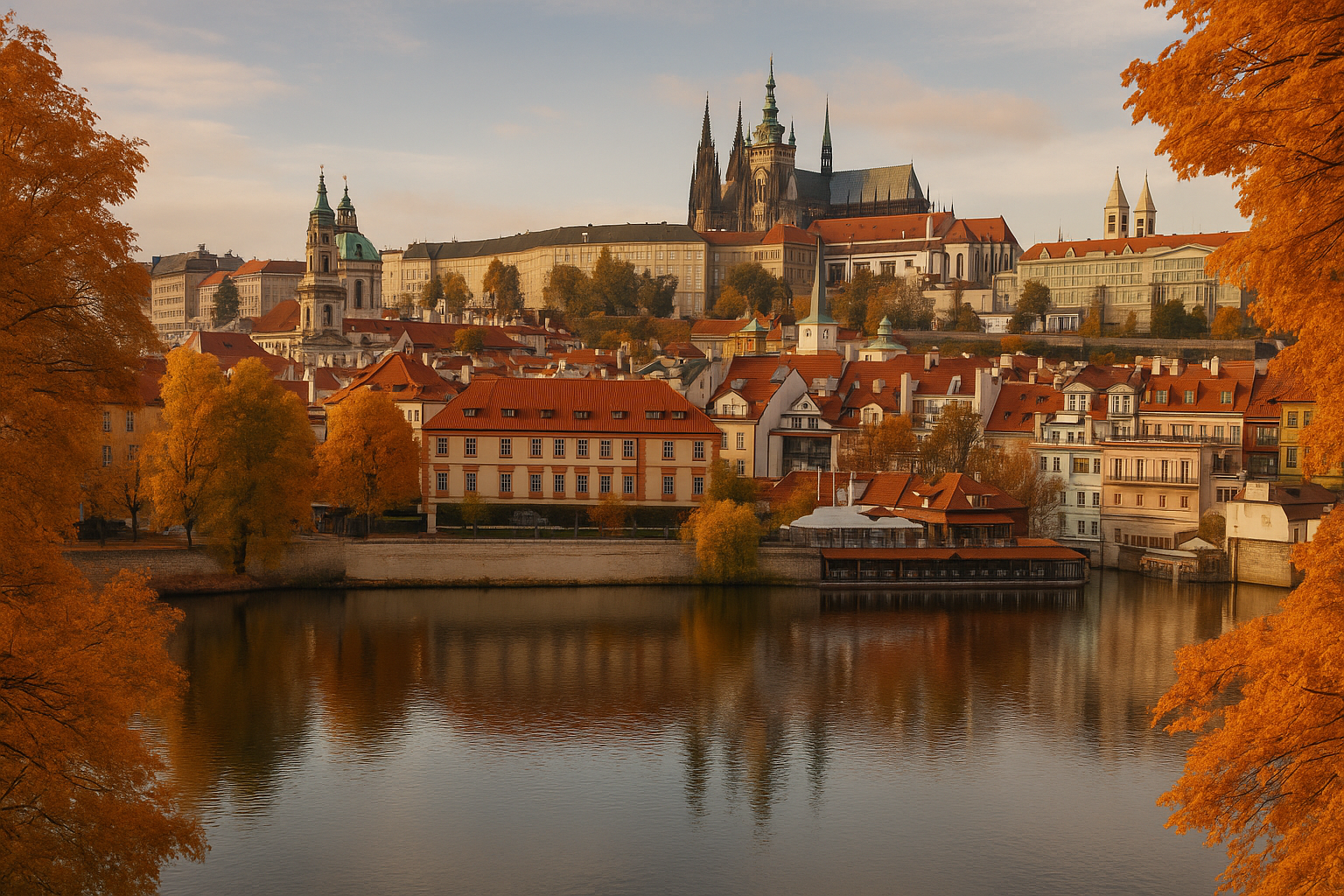
How Czech autumn reshapes towns and woods
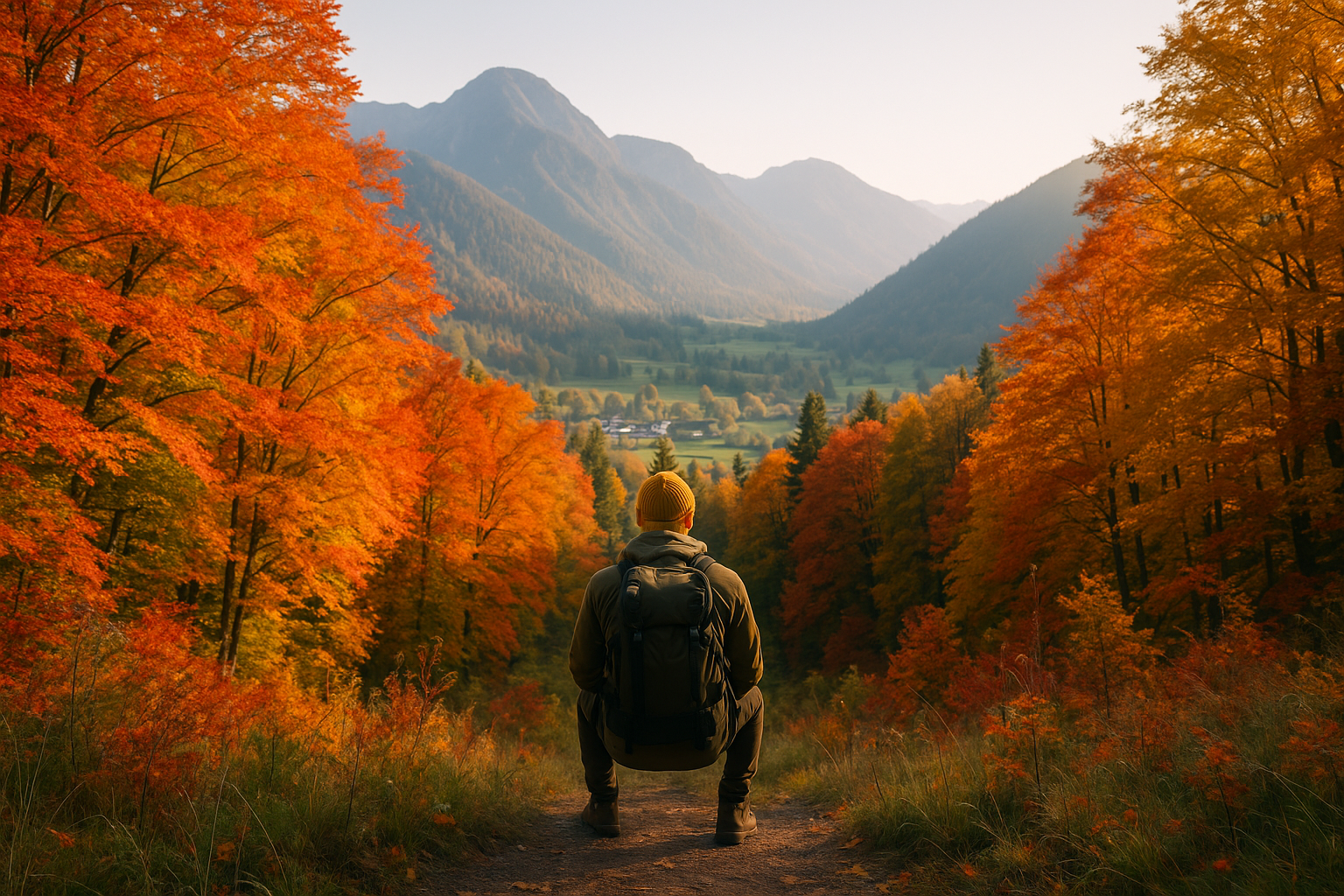
In Czechia the map changes colour from September: hills in Bohemia and the Beskydy turn lacquer-brown and vineyards in Moravia go noisy with harvest crews. Streets in city centres keep their traffic and trams, but parks and riverside paths fill with people collecting chestnuts and mushrooms—foraging is a normal, almost civic activity here, not a tourist novelty.
What autumn actually does to daily life
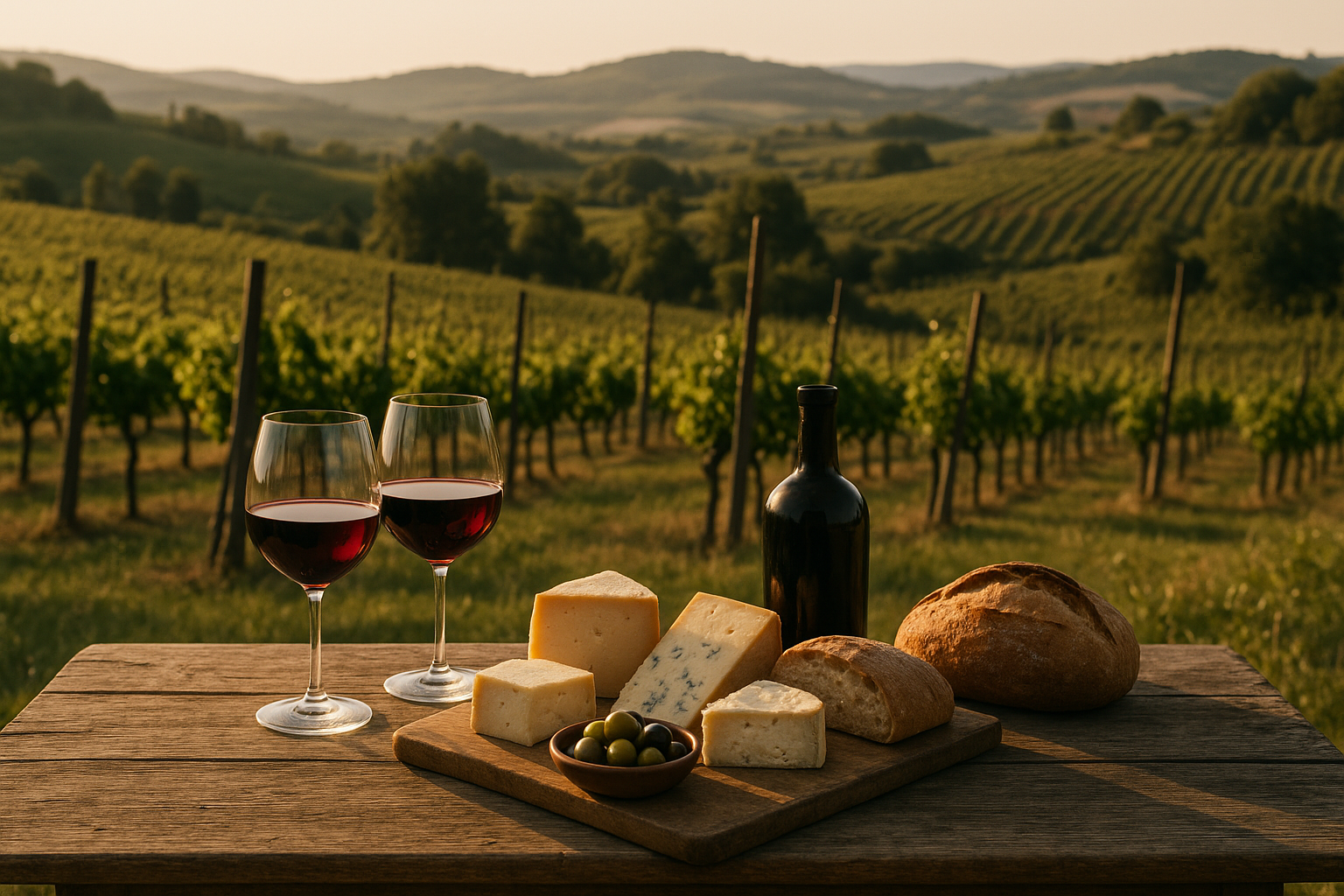
From late September many outdoor cafés and beer gardens close or move indoors; pub interiors—the local hospoda—become the default meeting place through November. Wine harvest festivals (vinobraní) happen in South Moravia, and game appears on menus once hunting season starts. Shorter daylight sends shoppers to evening markets earlier; churches and small towns mark All Souls’ Day with quiet visits to cemeteries rather than loud spectacles.
How to travel around Czechia in autumn
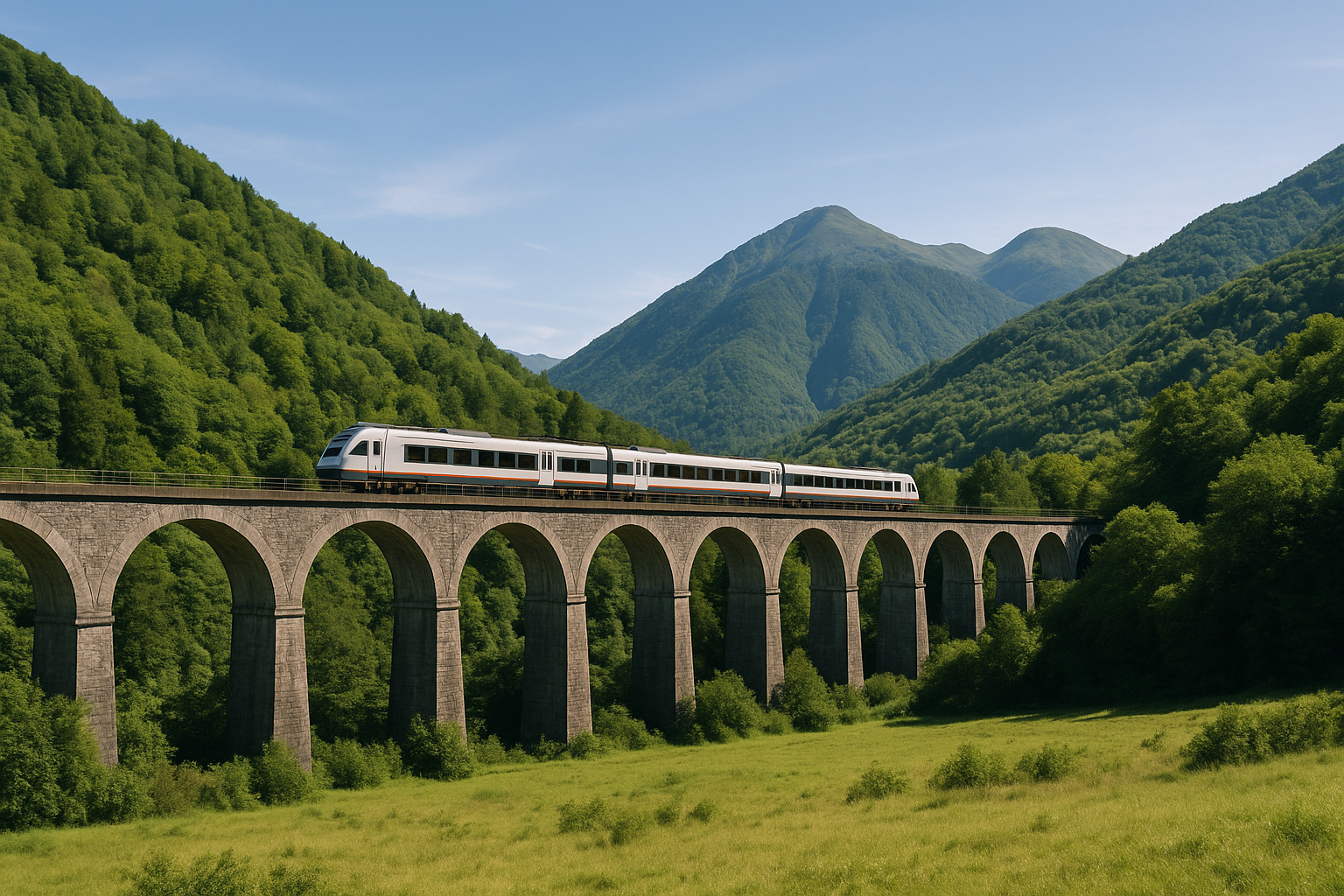
Distances are deceptive: the country is compact, but expect two to three hours between major cities by road or rail rather than one. Trams and suburban trains in places like Prague and Brno run reliably; regional services connect smaller towns but can be less frequent on Sundays. Cash (Czech koruna) remains handy in villages and at roadside stalls, while cards work in most urban cafés and hotels. Mobile reception is good in towns and on main roads but thins out in dense forests and some highland valleys.
Manners, food and small surprises you’ll meet
People greet with a brief handshake in formal settings and first names come quickly among colleagues; learning a few Czech phrases opens doors. Mealtimes lean towards a warm, late lunch in many places and substantial meat dishes reappear in autumn—svíčková, goulash and roast pork with dumplings and sauerkraut are common, alongside mushroom dishes and venison stews. Tipping is modest: leaving around ten percent or simply rounding up at a table is normal. Expect efficient, low-key service rather than showy hospitality, and that locals treat seasonal food and mushroom-picking as everyday matters, not culinary curiosities.
Quick 5
Prague (Praha)
Prague (Praha)
Prague
Prague
Prague
Regions
Travel Requirements
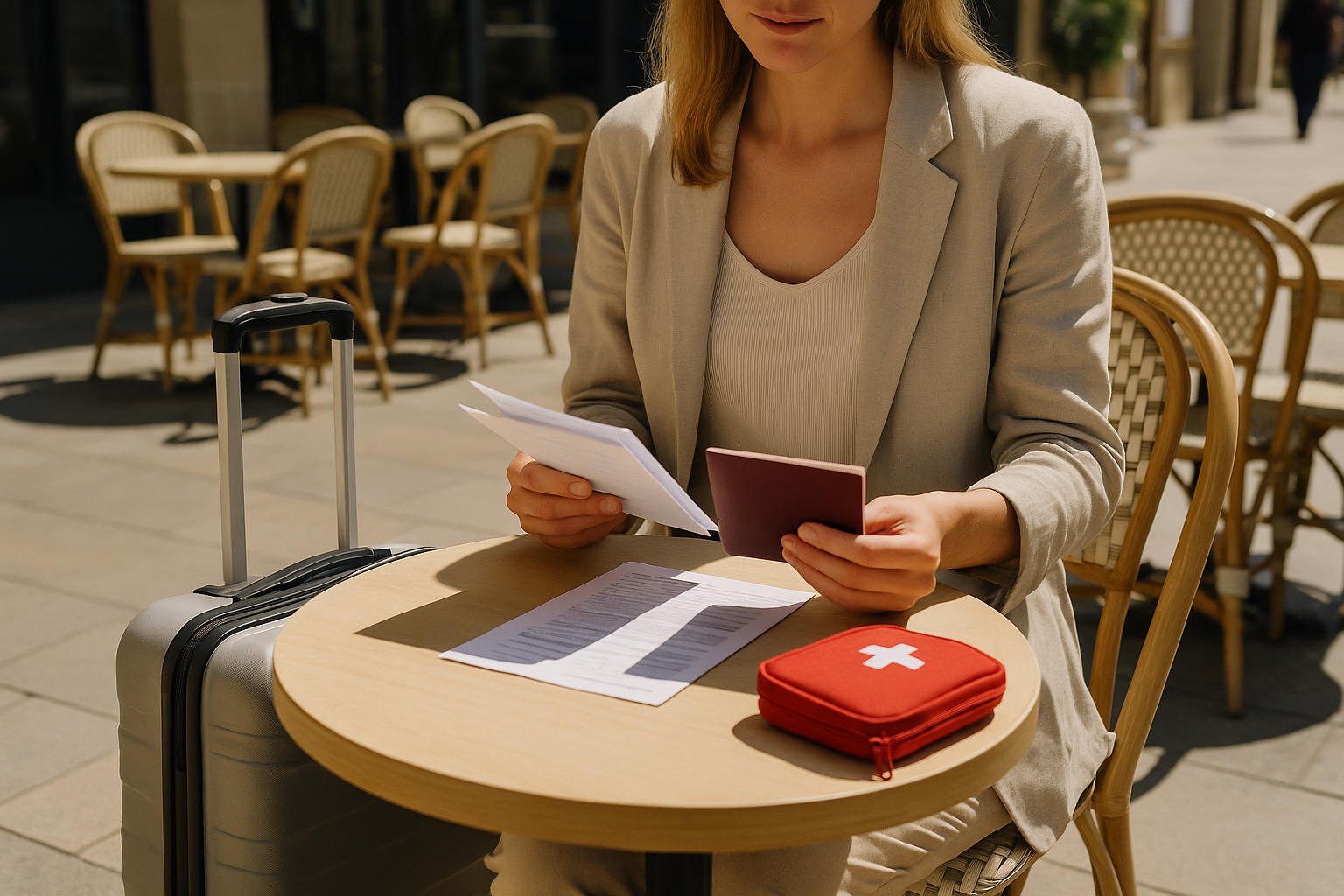
What you need to enter Czechia, for the passport you hold.
Places of interest
Landscapes in Czechia
Travel Tips