
Finland
Short description
The scale you notice first: lakes, islands and quiet roads
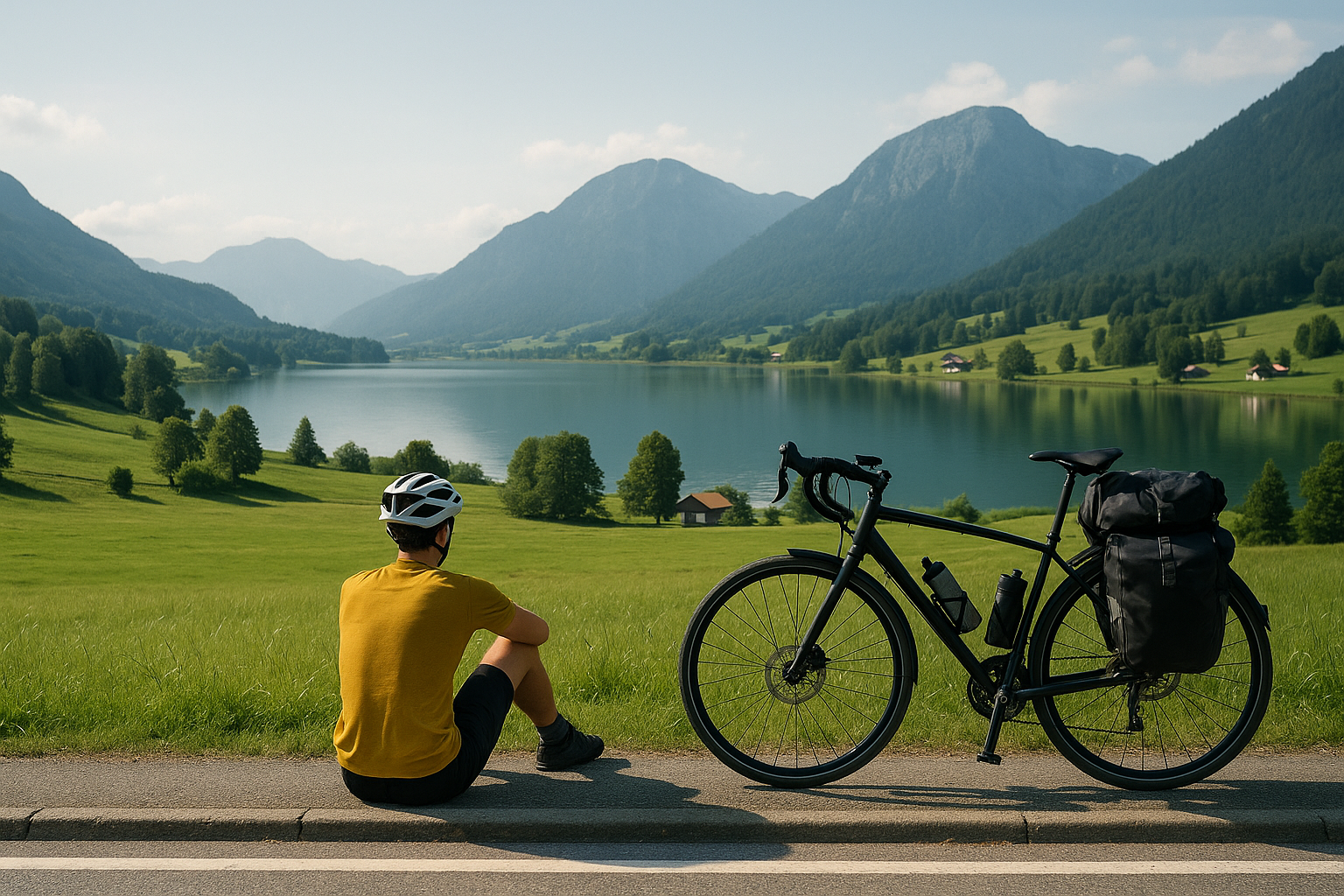
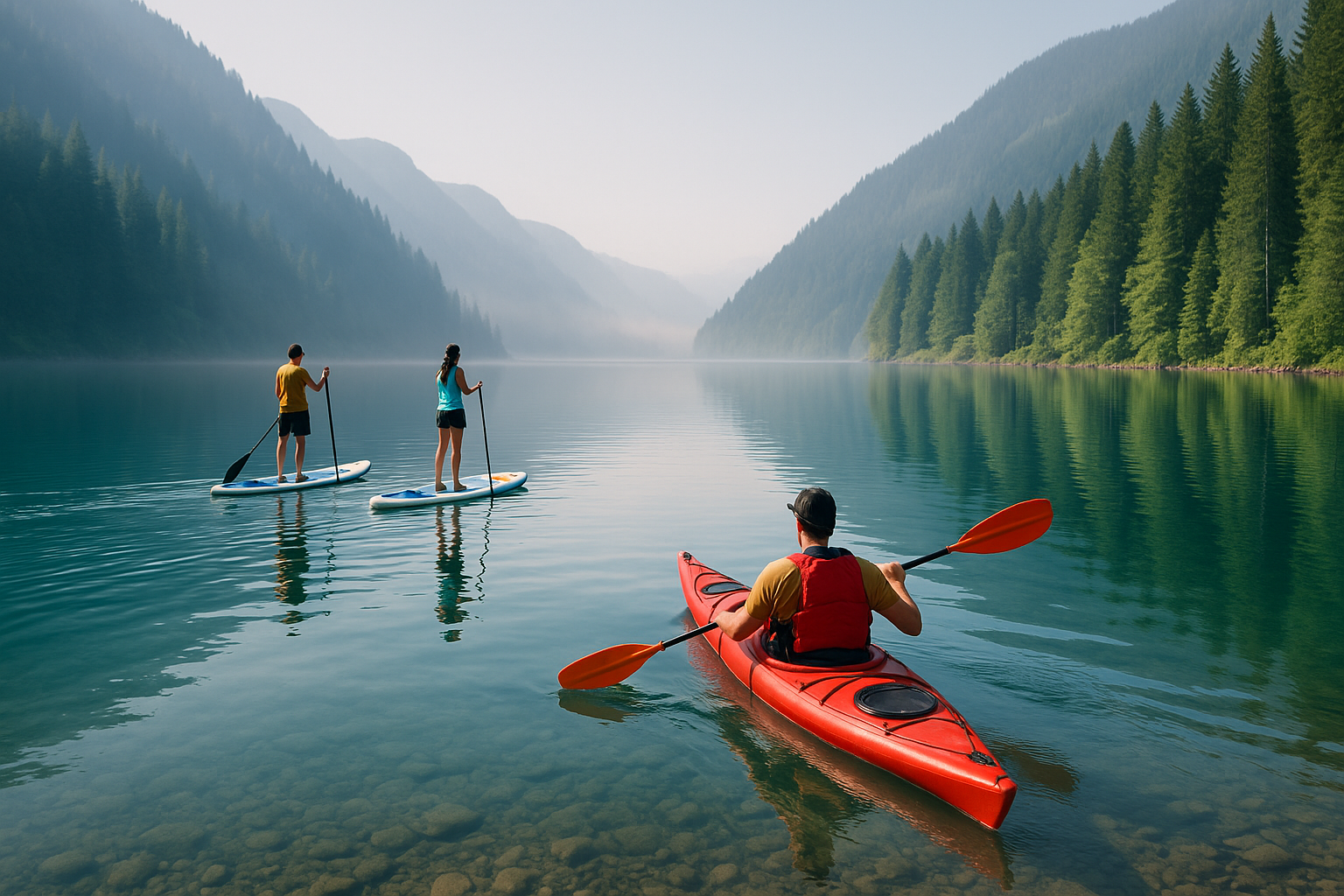
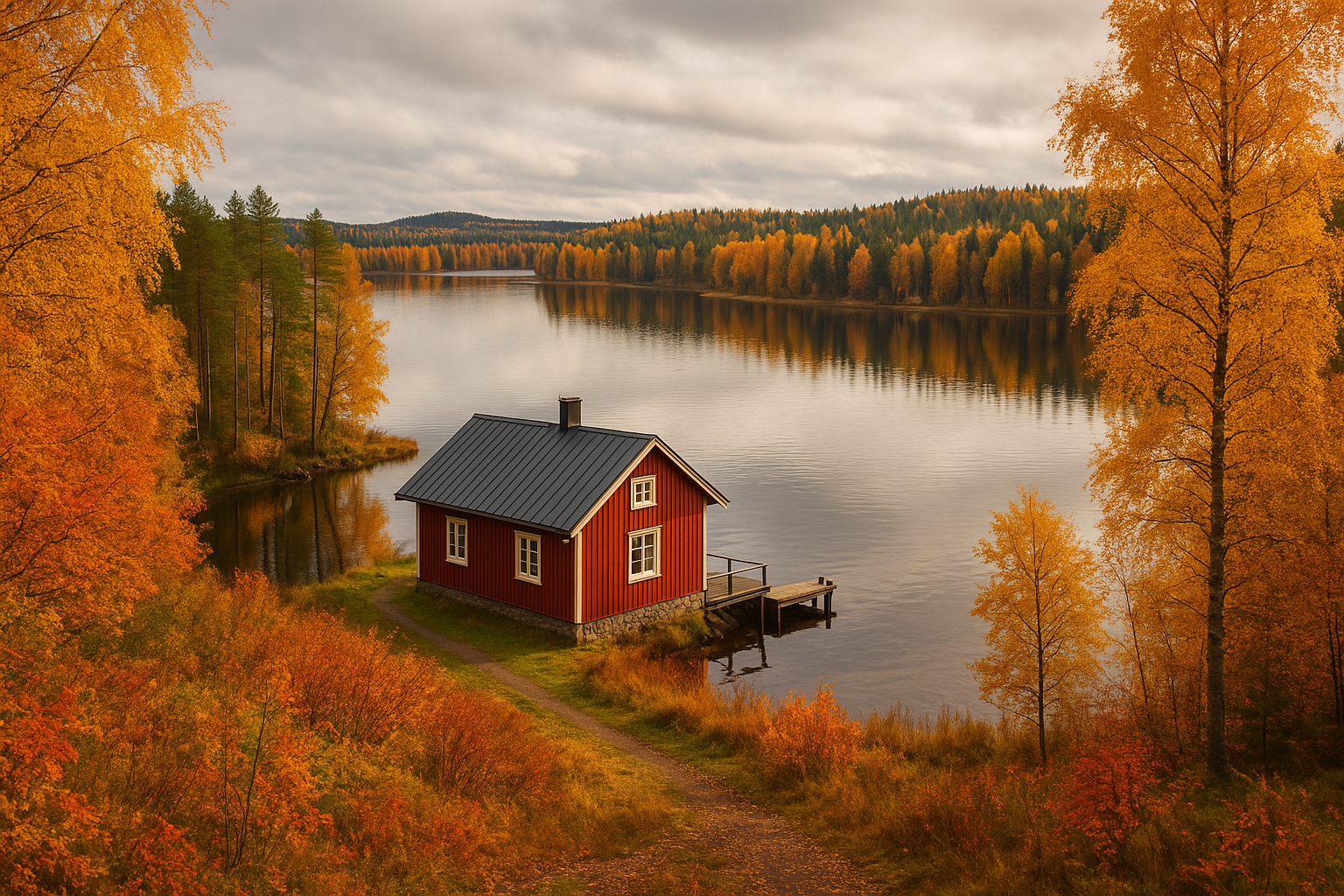
Autumn in Finland feels like a thinning-out of human noise: towns shrink to the size you expect from a nation of about 5.5 million people spread across a landscape of forests, lakes and an archipelago that runs into the Baltic. Finns retreat to mökki (summer cottages) and weekend travel often means a short drive to a lake rather than a long city hop; that makes the country feel both small in daily rhythm and very large when you point a compass northward toward Lapland.
Ruska, foraging and the nights coming in
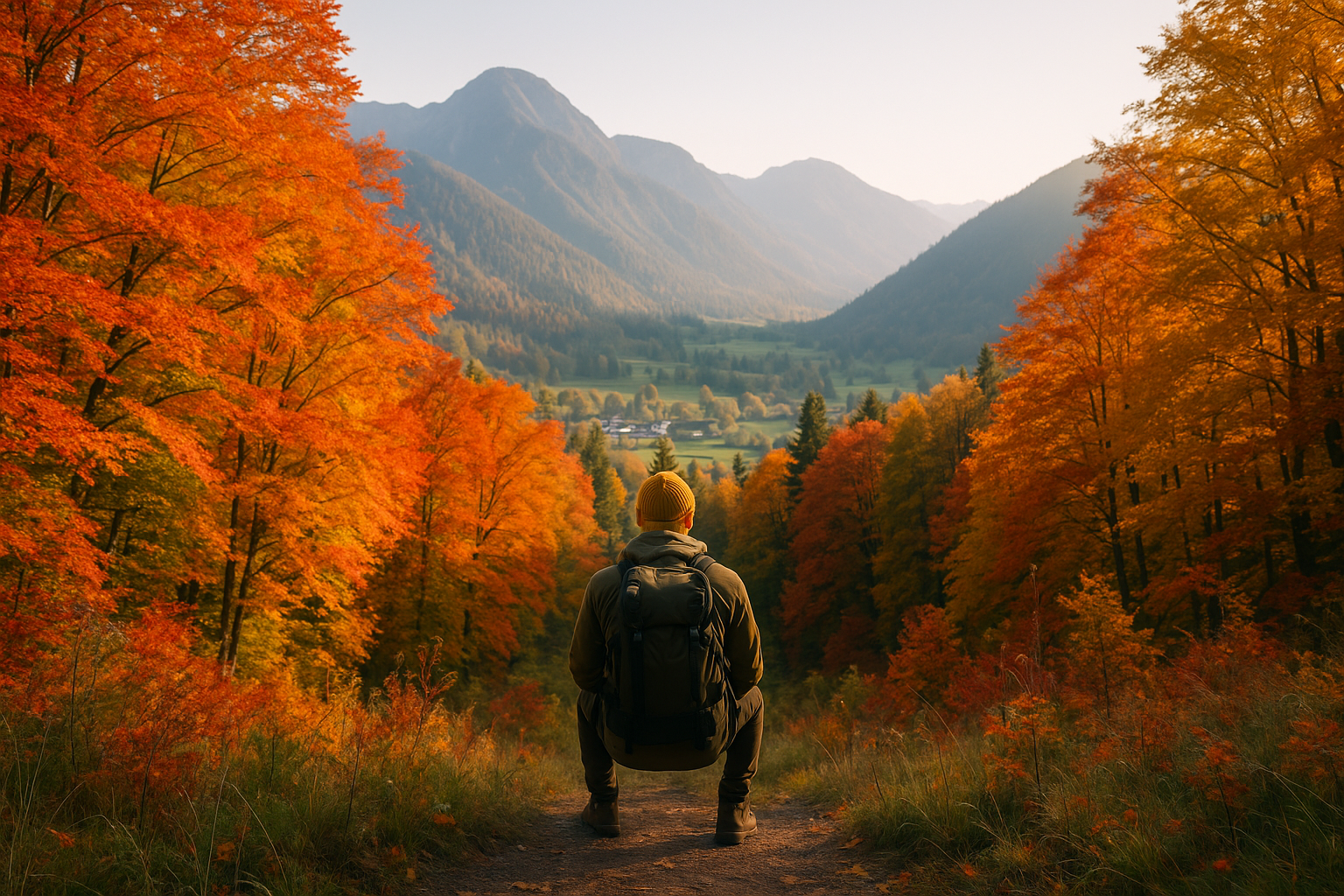
September to November is when birches and rowan burst into ruska—the early golds and reds that colour roadside forests—and when mushroom and berry-picking move from pastime to routine under jokamiehenoikeus, the Everyman’s Right that lets you gather food on most private land. Daylight collapses quickly as you travel north: in late autumn the sky darkens early enough in Lapland for the Northern Lights to become an event, while southern cities still have long evenings in September.
How to get around and what actually works
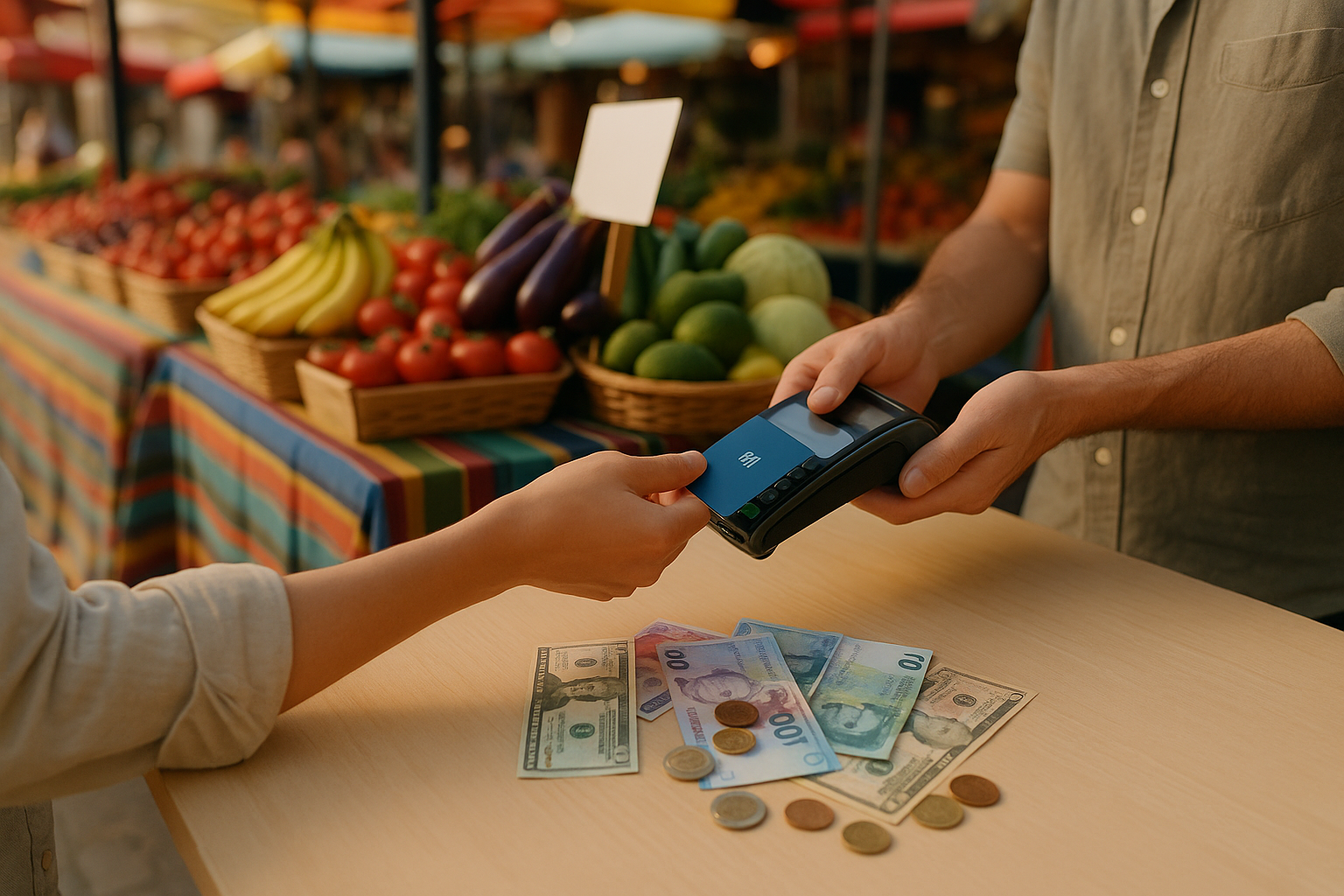
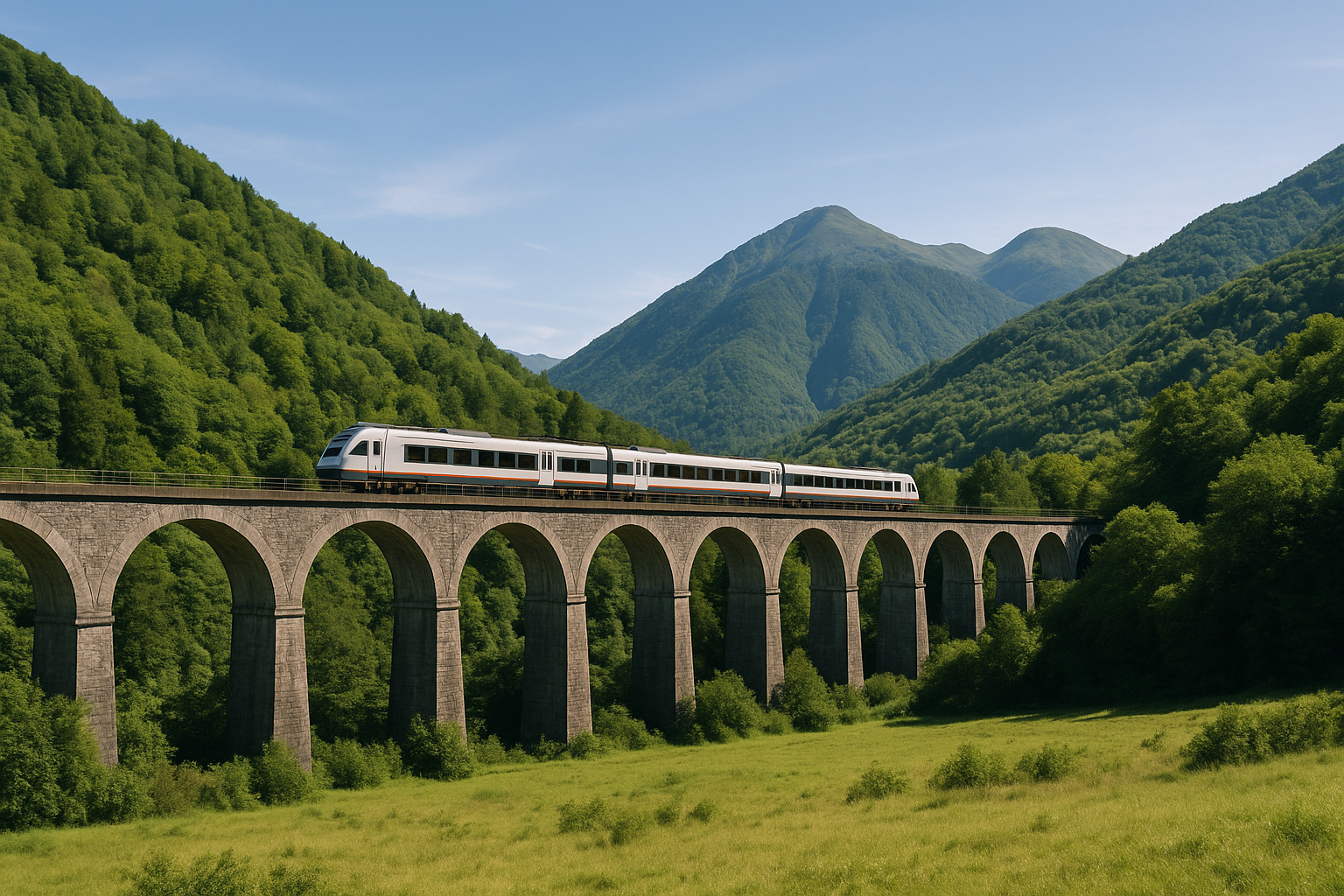
Finnish transport keeps autumn straightforward: long-distance sleeper trains run from Helsinki to the north, regional buses link towns the rail doesn’t, and domestic flights are used when time is short. Cards are the norm—small shops often won’t take cash—and mobile coverage is reliable in towns but patchy in immobile forests and some islands. Road signs are bilingual (Finnish and Swedish) in many coastal areas, and English gets you service in most hotels and cafés.
Food, sauna and ordinary manners
Eating follows seasons: restaurants and home cooks lean on mushrooms, lingonberries and late potatoes; you’ll be offered rye (ruisleipä) and Karelian pasties, and trying kalakukko or reindeer is as much about local habits as flavour. Saunas are a structural part of Finnish life—many homes and public pools keep them running through autumn, and a post-sauna dip in a lake is common until ice takes hold. Don’t expect to tip; politeness is quiet and punctuality is noticed more than effusive praise.
Quick 5
Finland
Finland
Finland (ISO: FIN)
Finland
Finland
Regions

Travel Requirements
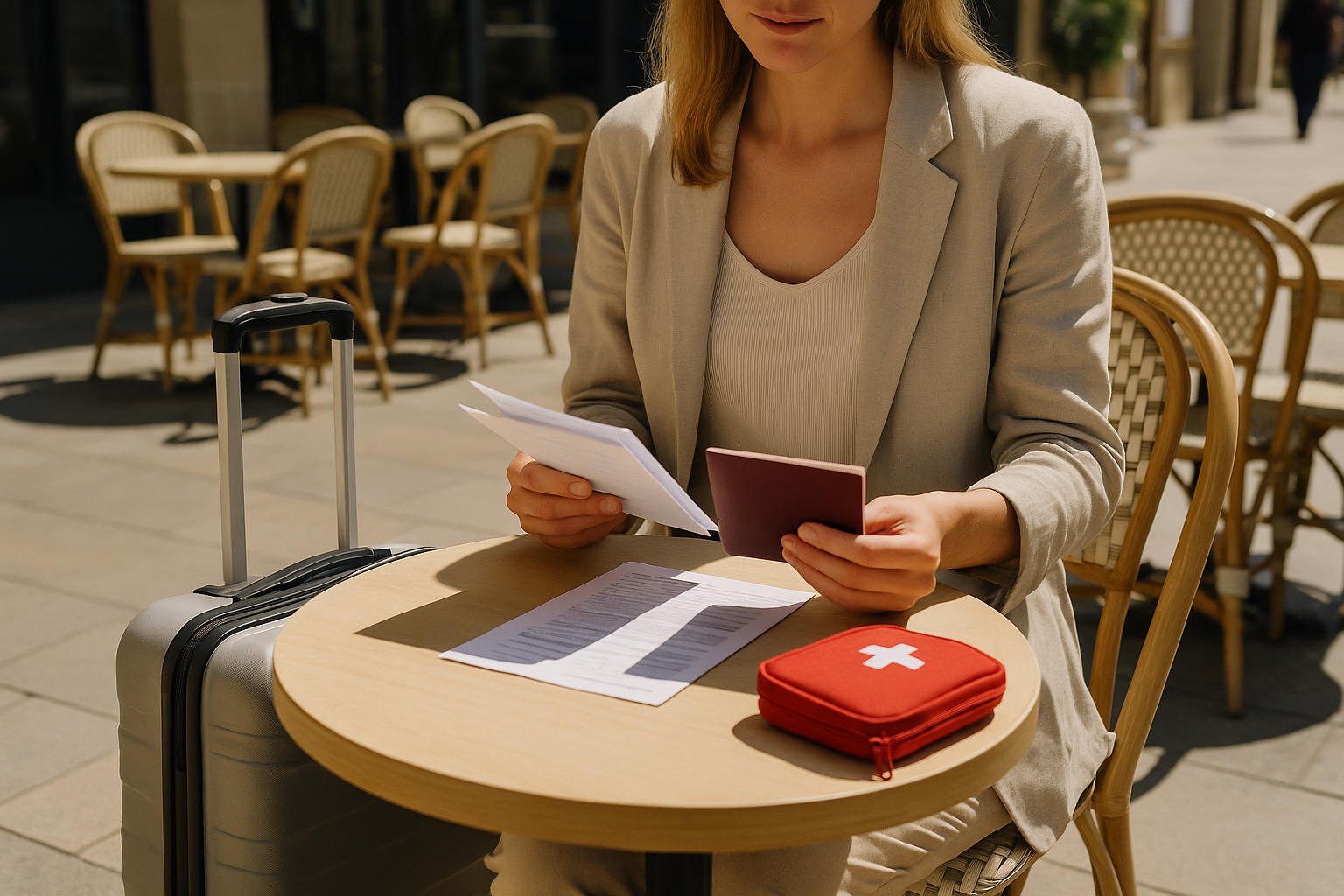
What you need to enter Finland, for the passport you hold.
Places of interest
Landscapes in Finland
Travel Tips