

Germany
Short description
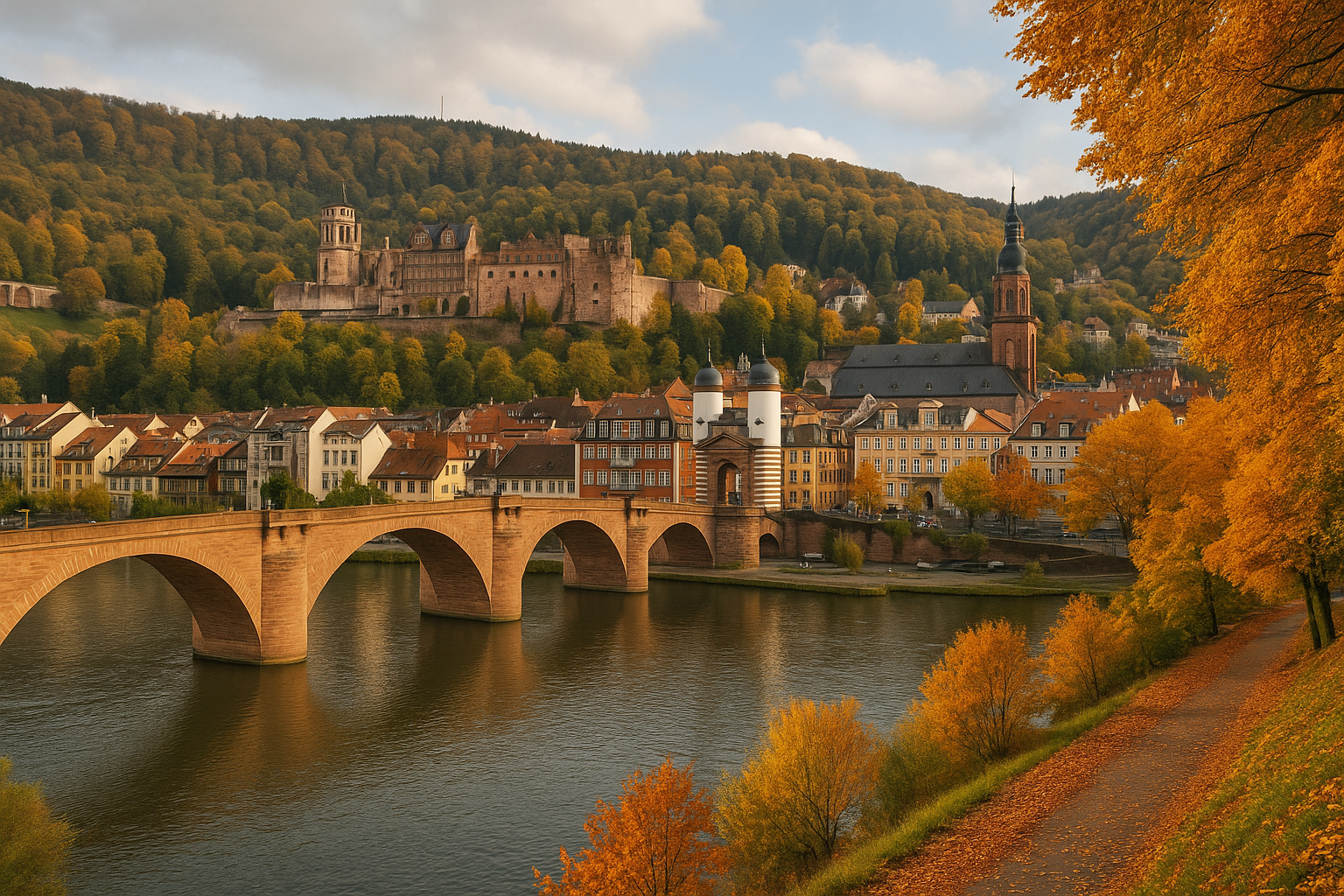
Oktoberfest's tail and the winepress: what autumn looks like in Germany
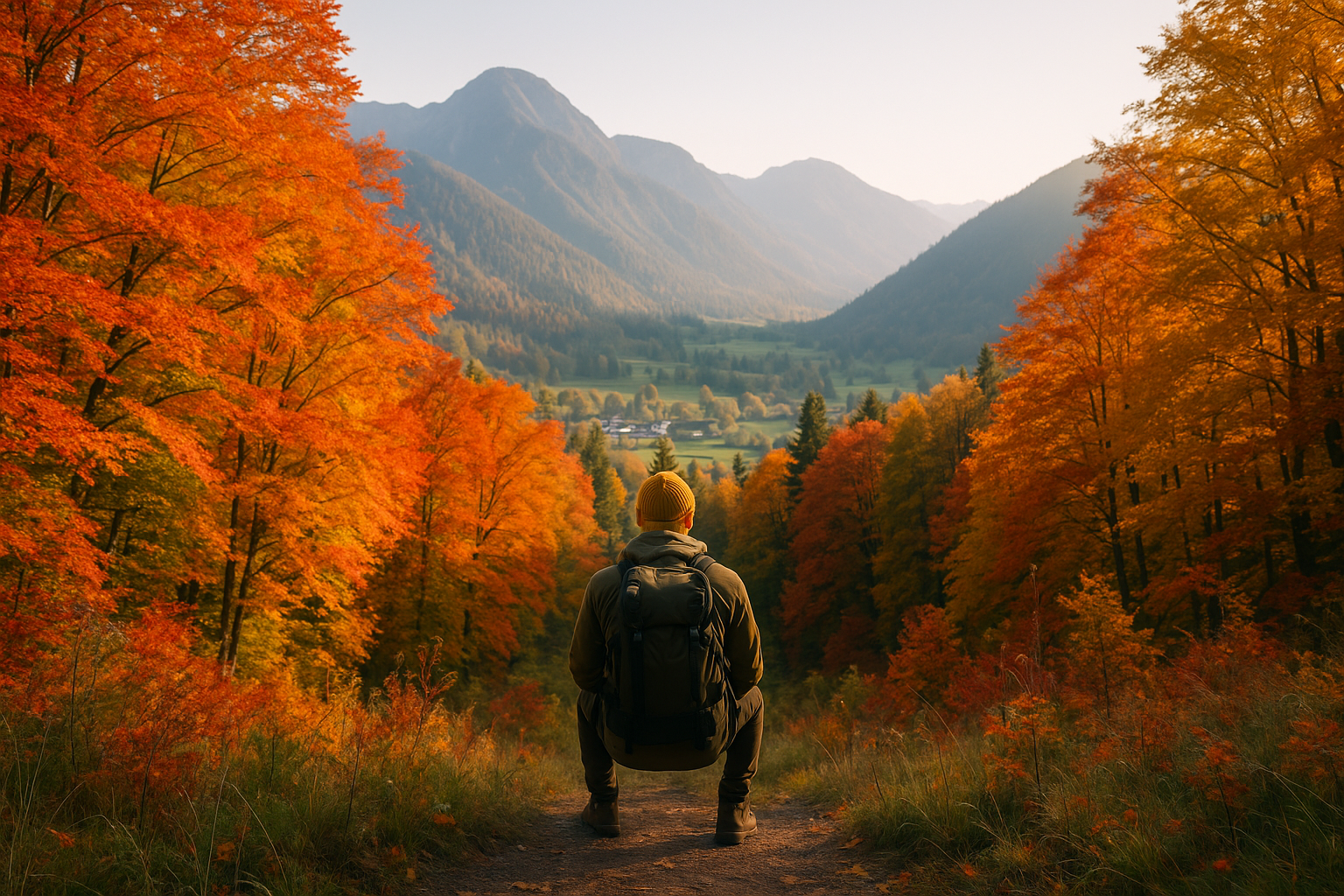
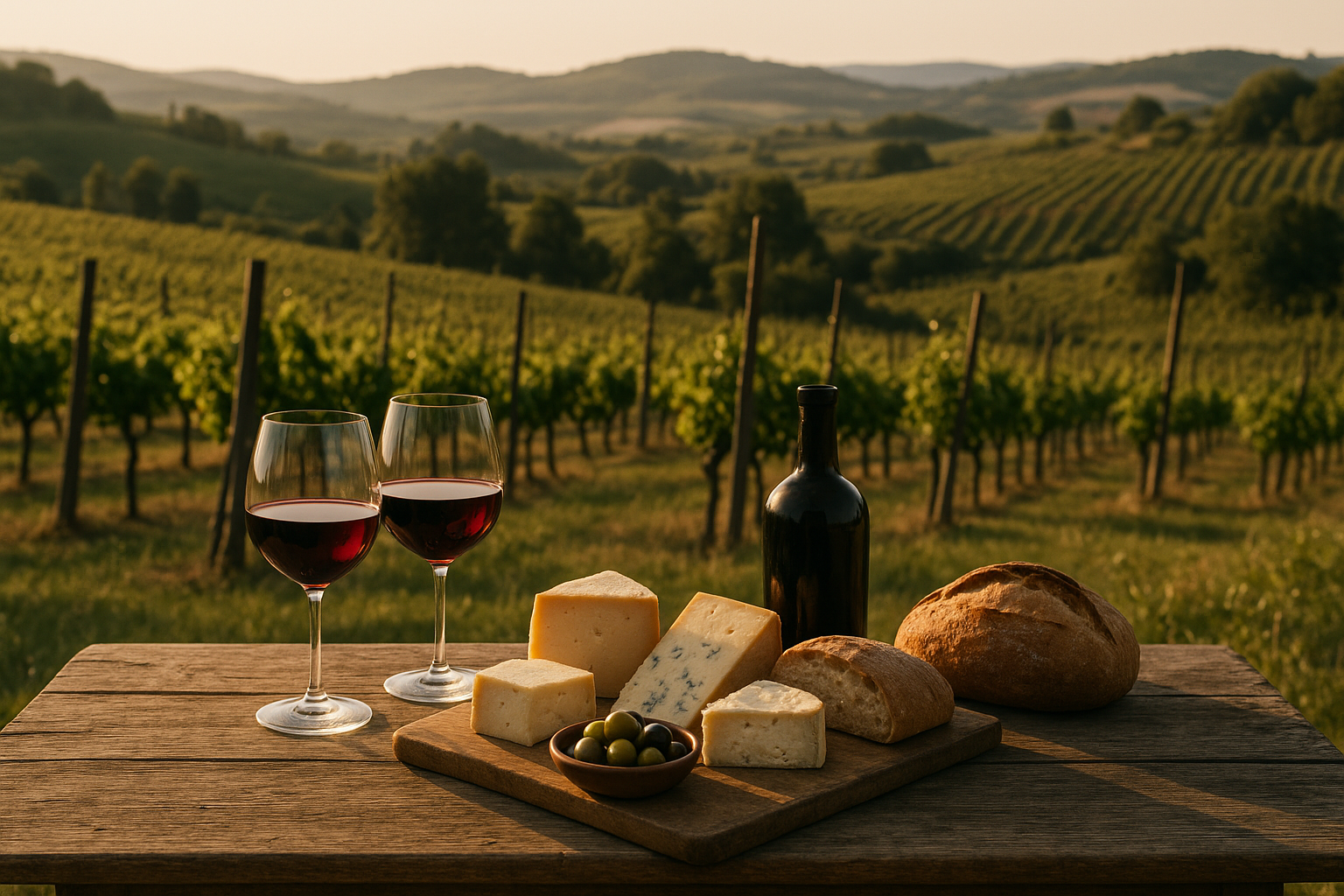
The Bavarian beer tents thin out in October while wine villages along the Mosel and Rhine are busy with the Weinlese and stalls serving Federweißer and Zwiebelkuchen; that tandem of beer-festival debris and new wine scent is a recognisably German autumn smell.
How movement and timetables change after summer
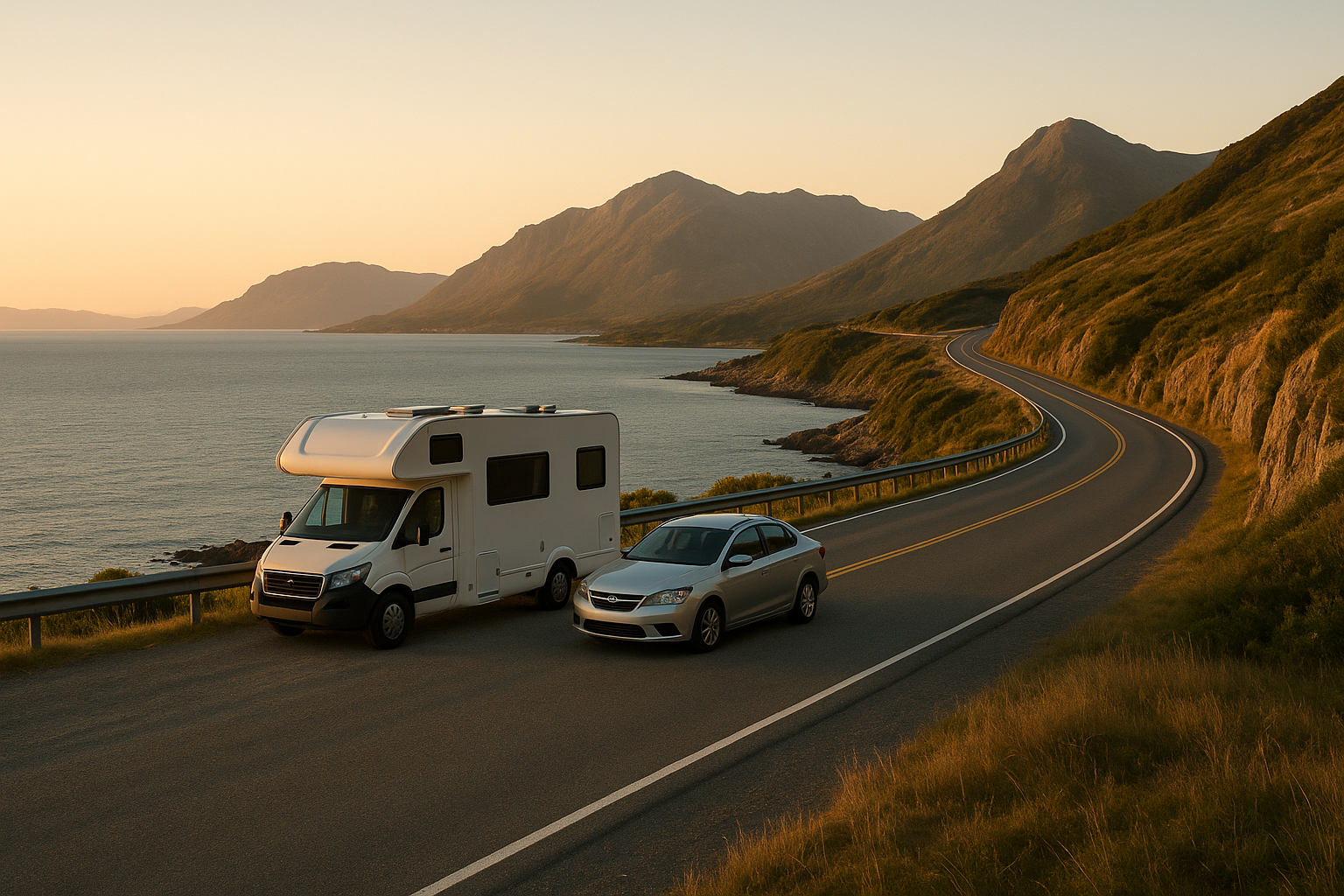
Long-distance travel still leans on Germany’s ICE trains to link Berlin, Hamburg, Cologne and Munich within a few hours, but regional travel matters more now: smaller towns depend on Regional-Express, S-Bahn connections and the occasional FlixBus, and a BahnCard will repay itself only if you plan multiple long journeys. Driving can be efficient—many stretches of the Autobahn permit unrestricted speed—but renting a car makes sense for vineyard lanes, forested routes in the Black Forest and villages where trains are hourly. Note that most shops close on Sundays in towns across Germany; plan grocery runs and museum visits accordingly.
Social rhythms and rules you’ll notice at once
Punctuality is noticed: Germans expect appointments and public events to start on time, and queues are taken seriously. You will encounter Mülltrennung—separate bins for glass, paper, organic waste and residual trash—everywhere, and many municipalities enforce quiet hours on Sundays and at midday. In November you’ll meet children with paper lanterns at Martinssingen processions, and several states observe Reformation Day on 31 October while Catholic regions mark All Saints’ Day on 1 November.
Autumn on the plate in Germany
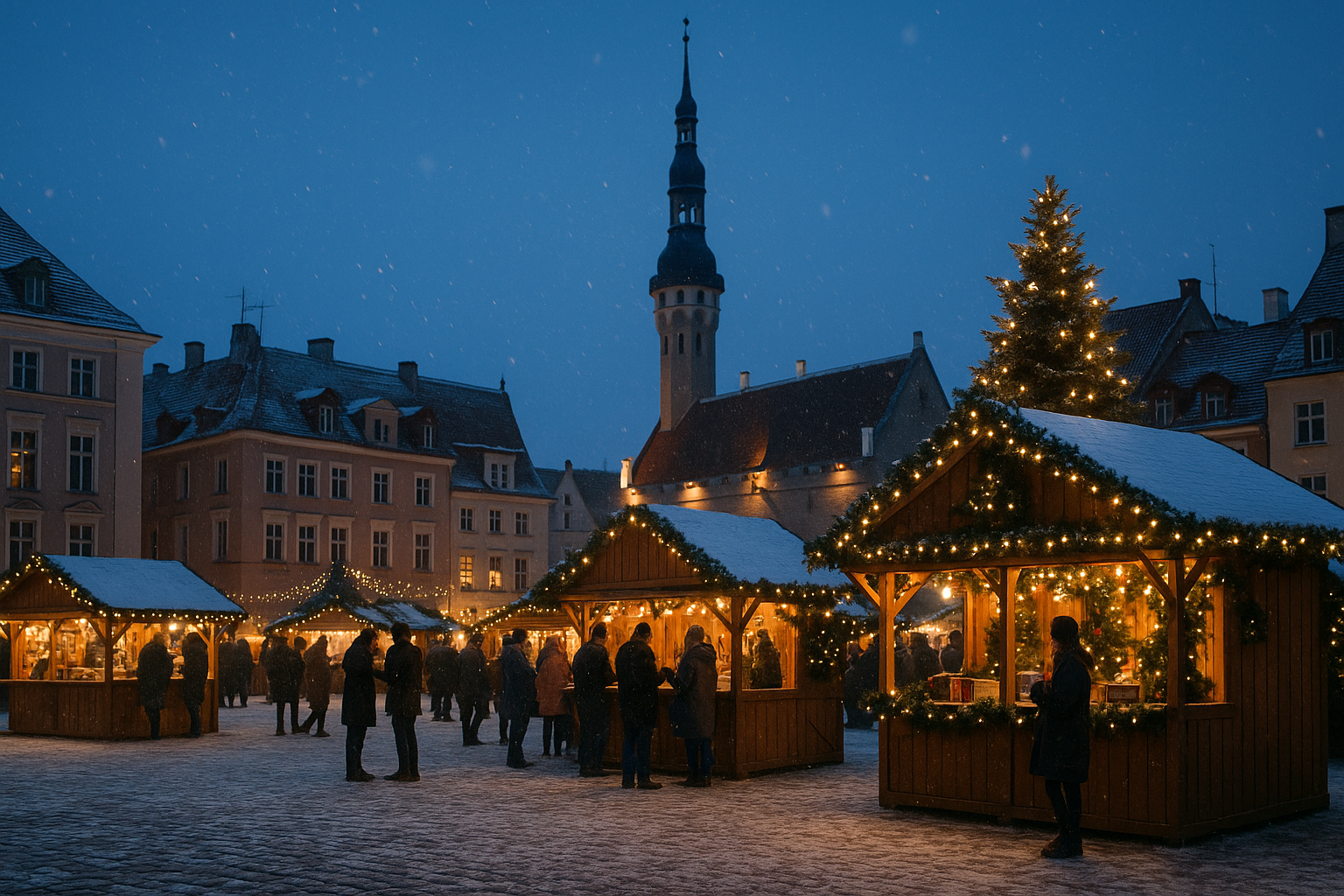
Autumn menus highlight forest and field: chanterelles (Pfifferlinge) and other mushrooms are common in markets, game—venison and wild boar—appears on menus, and in northern Germany the kale-and-sausage tradition (Grünkohl with Pinkel) becomes a late-season ritual. Bakeries introduce heartier loaves and you will find chestnuts roasted on street corners and stalls starting to set up for Christmas markets in late November, which is when gingerbread and Stollen begin to appear alongside regional sausages and sauerkraut.
Quick 5
Germany
Germany
Germany
Germany
Germany
Regions

Travel Requirements
What you need to enter Germany, for the passport you hold.
Places of interest
Landscapes in Germany
Travel Tips