

Hungary
Short description
September to November in Hungary: harvests, thermal baths and shorter daylight
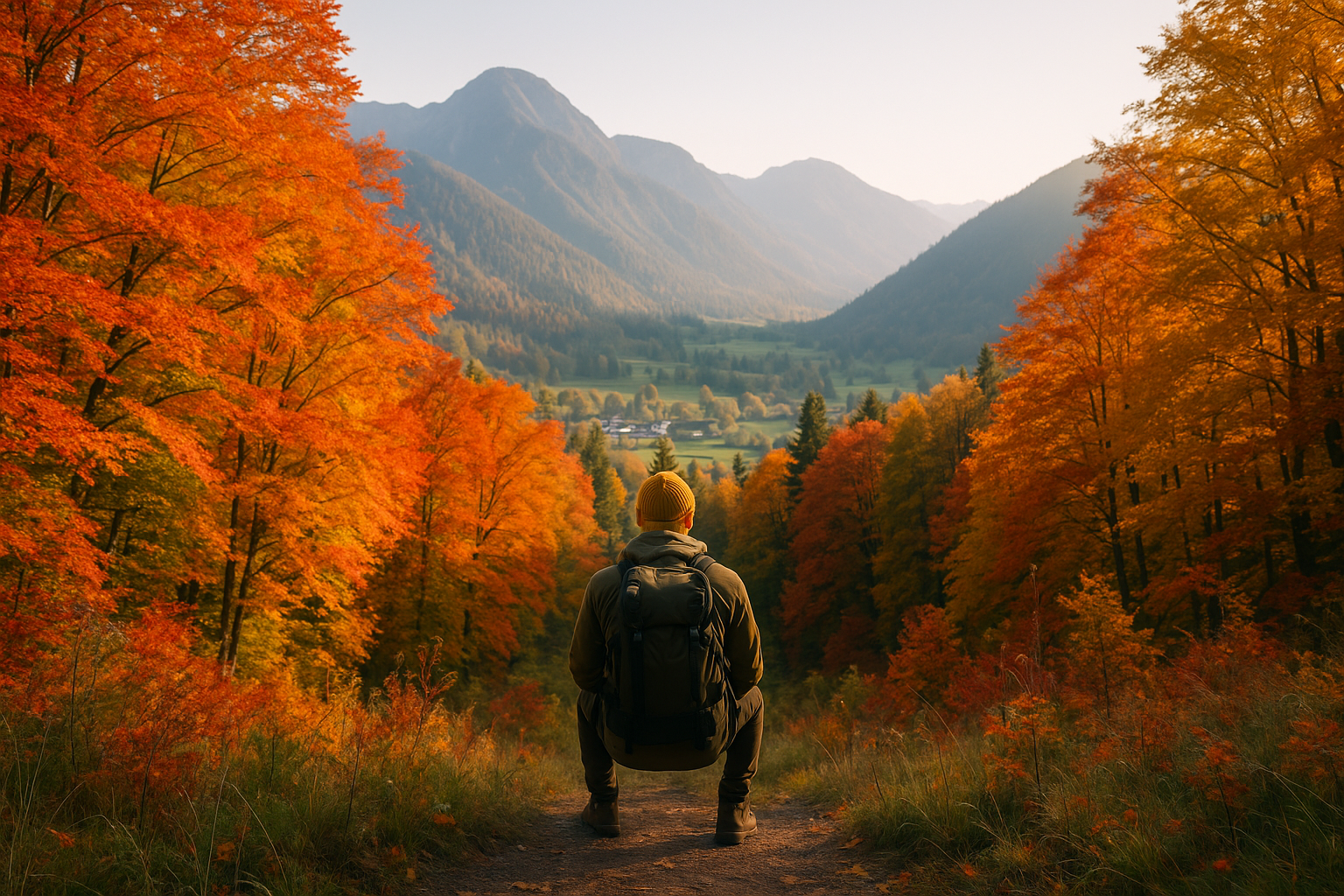
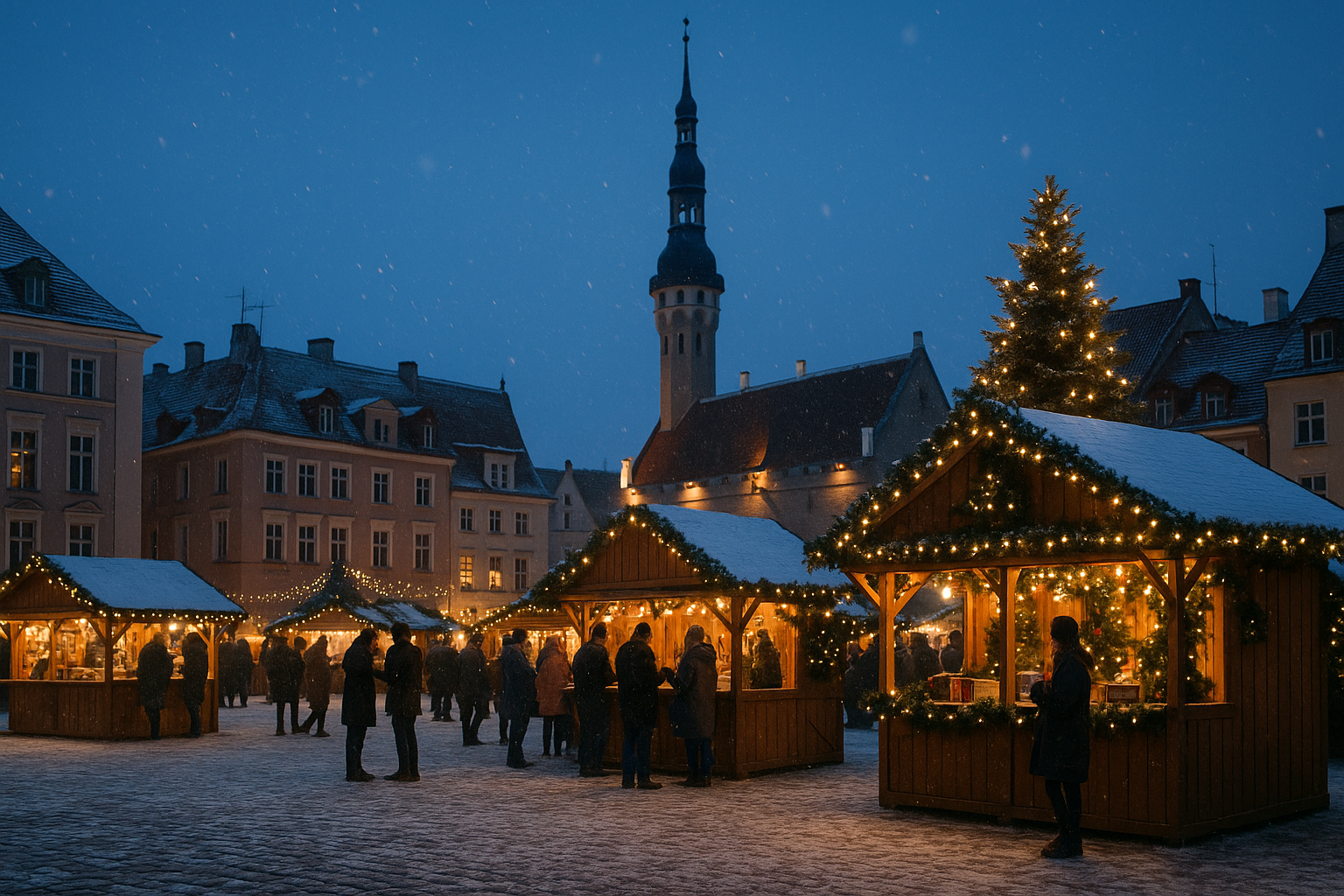
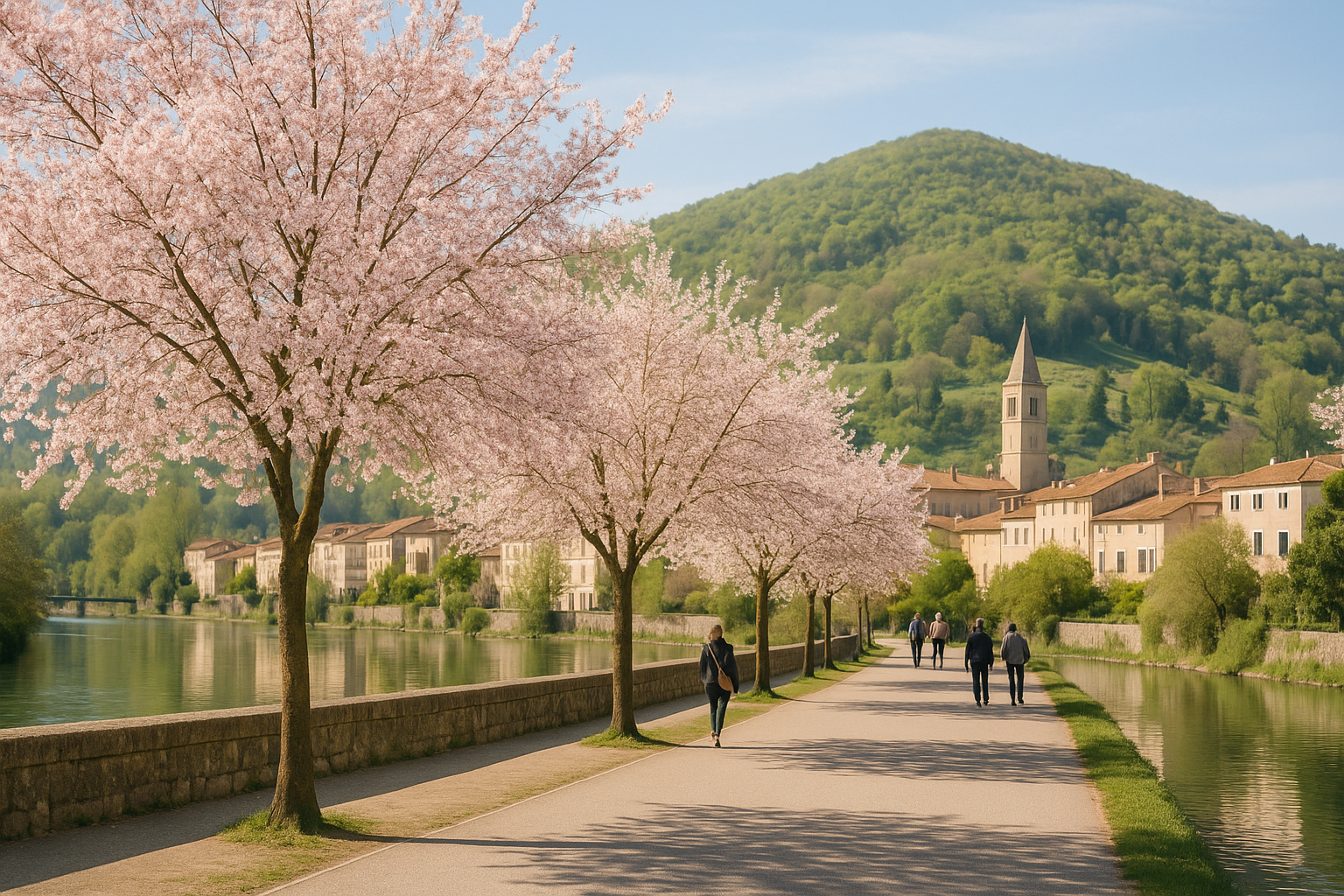
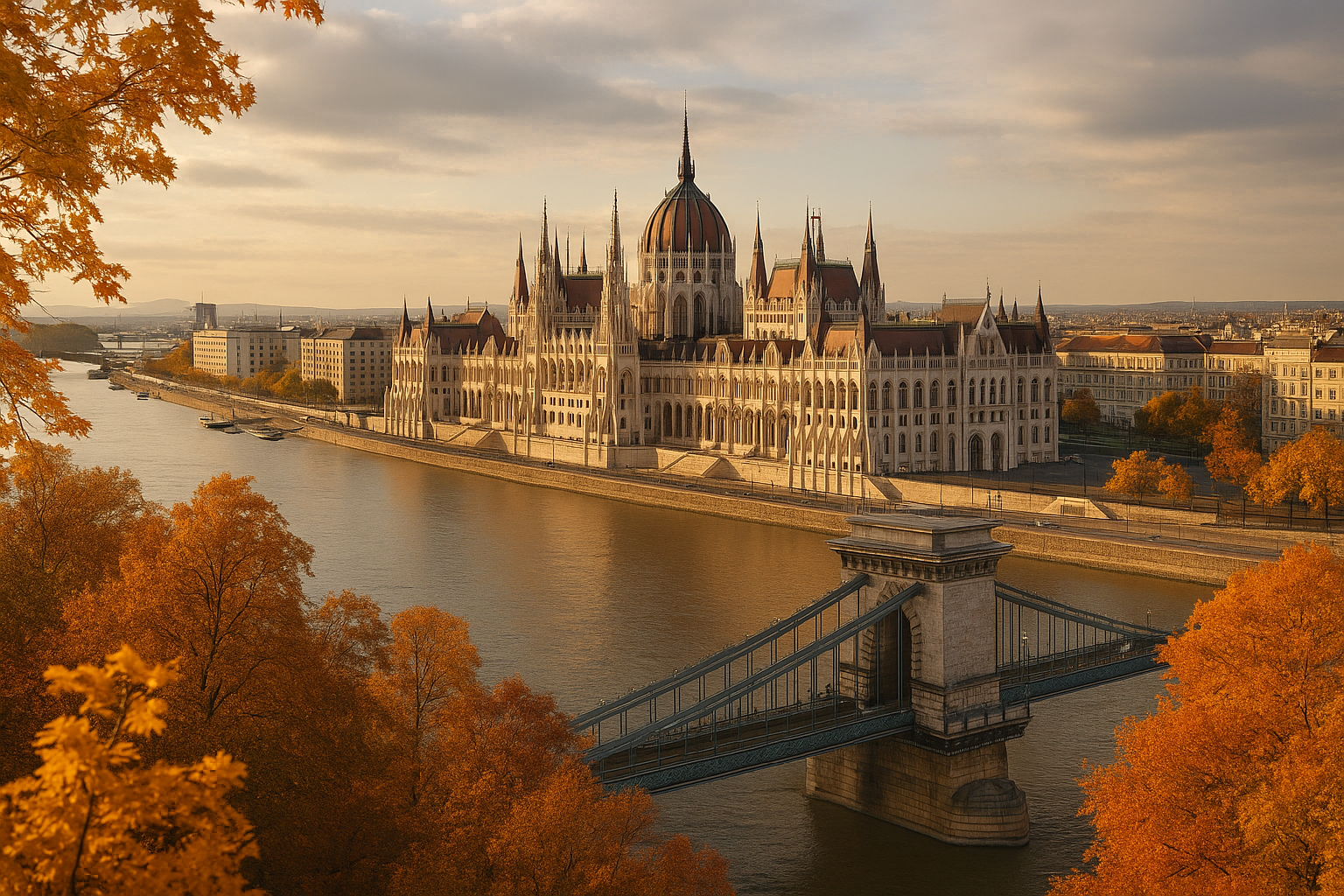
September in Hungary often smells of crushed grapes in Tokaj and Eger as vineyards bring in their harvests; by November the hills around Budapest and the Great Plain wear autumn colours and mornings feel sharply cool along the Danube. The season rearranges daily life here: outdoor cafés close their parasols, markets shift from summer berries to apples, pumpkins and jars of pickles, and the country quietly slows from tourist noise to a local tempo.
How the country moves when leaves fall
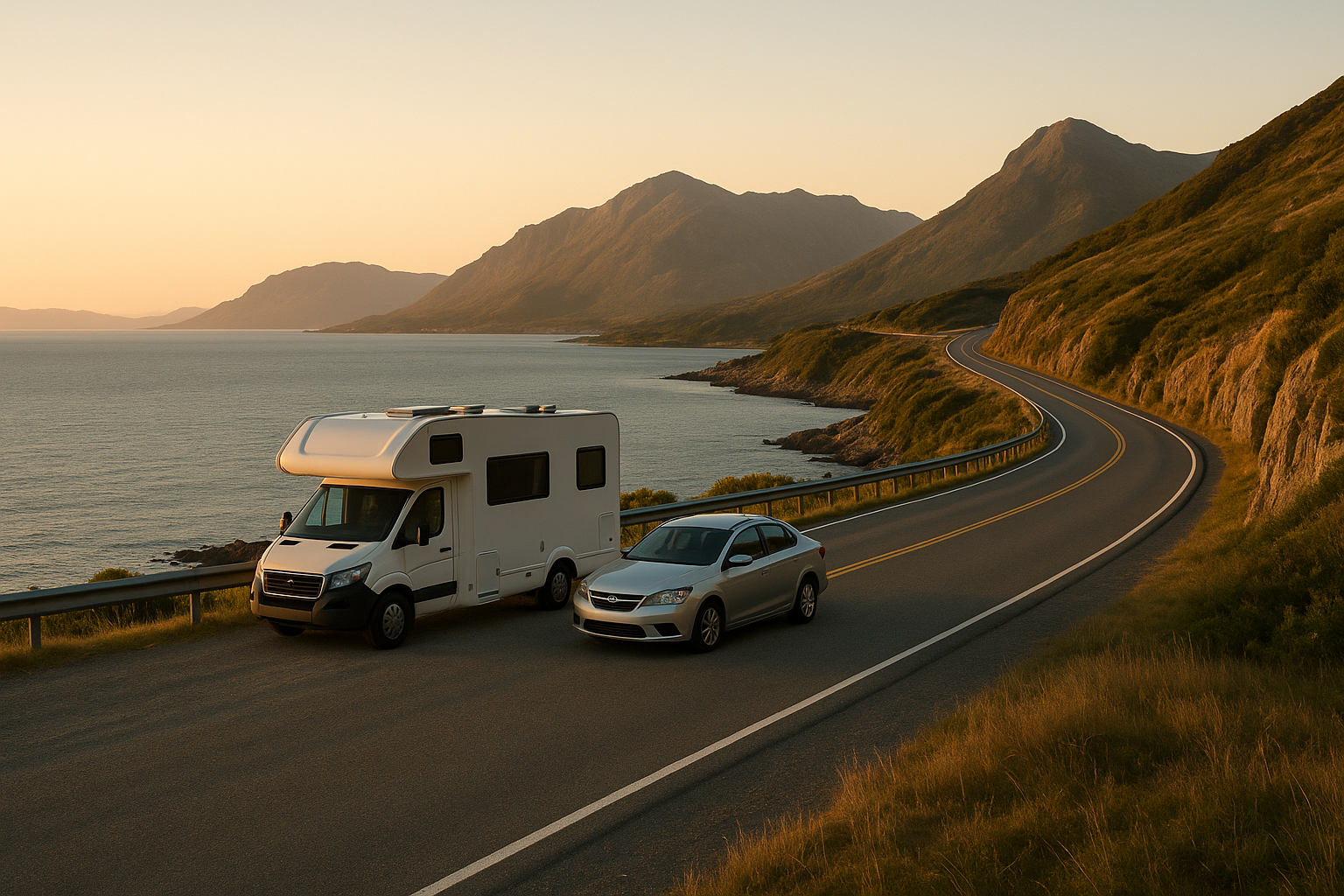
Distances are deceptive: Hungary fits into a long weekend but getting between villages and spas can take longer than the map suggests if you rely on regional trains. Intercity rail is reliable for main routes and buses reach smaller towns; renting a car frees you to follow back roads across the flat Great Plain and into wine-country lanes. Mobile reception is good in towns; in villages cash still smooths small transactions, while cards work in most cafés and shops.
Autumn routines Hungarians keep
Locals shift to heartier rhythms—noon is still the main meal for many, markets are busiest in the mornings, and evenings move indoors to baths, pubs and family kitchens. A firm handshake and eye contact are the normal greeting; older people may be addressed politely with titles in formal settings. Tipping is customary at cafés and restaurants (roughly around ten percent), and when you enter a thermal bath expect a changing-room routine and swimmers rather than towel-only spaces.
What autumn tastes like in Hungary
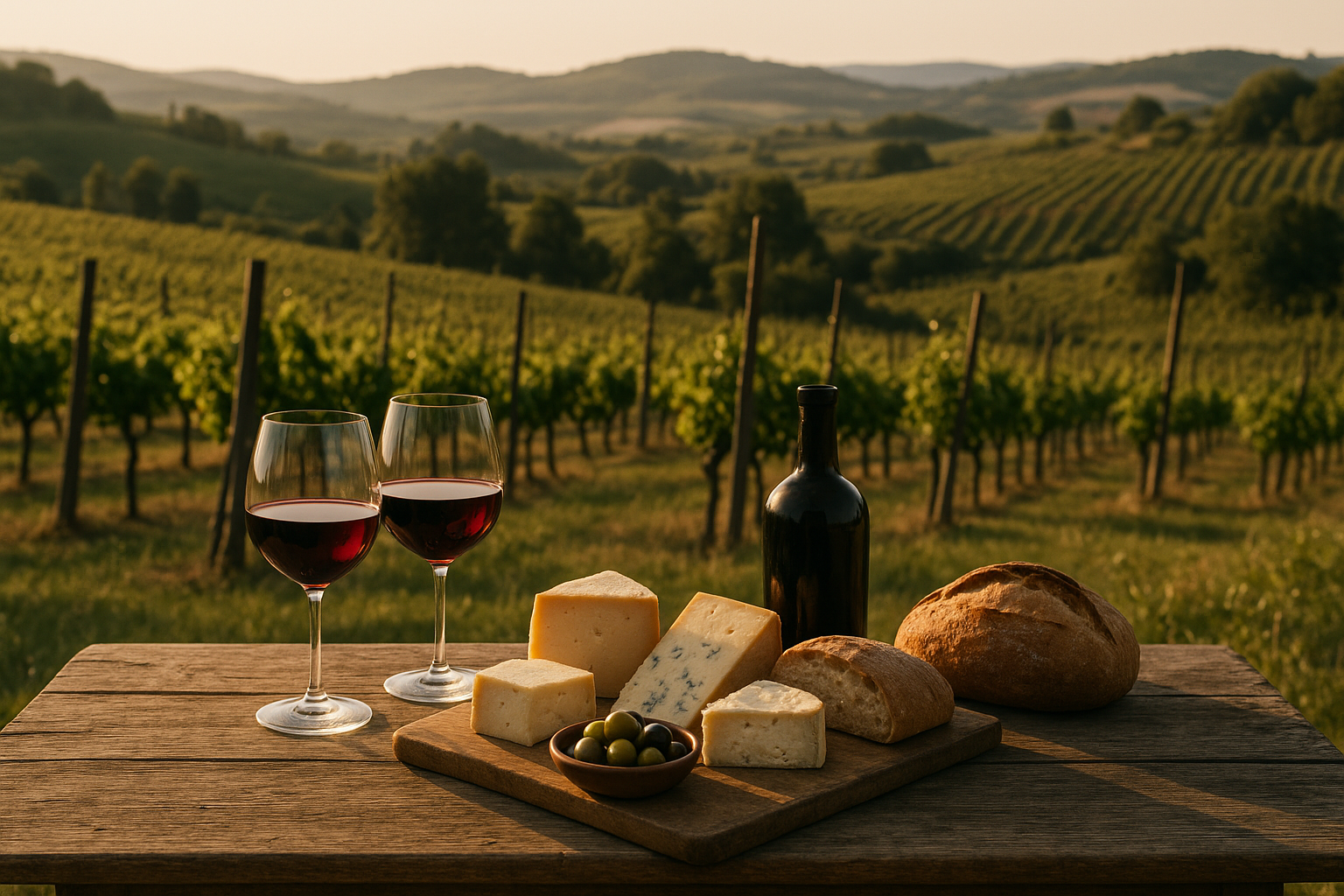
Autumn menus turn toward stews, roasted game and mushroom dishes, often finished with a slice of poppy-seed cake or a sweet crepe. Street food still appears—lángos and sausages—but small wine bars pulse with new vintages from Tokaj, Villány and Eger; sampling a dry white with a plate of smoked cheese is a local way to mark the season. If you try something unfamiliar, people will readily explain what’s on your plate and pour you another sip.
Quick 5
Hungary
Hungary
Hungary
Budapest
Hungary
Regions

Travel Requirements
What you need to enter Hungary, for the passport you hold.
Places of interest
Landscapes in Hungary
Travel Tips