

Ireland
Short description
September to November in Ireland: turf smoke, county finals and quickening evenings
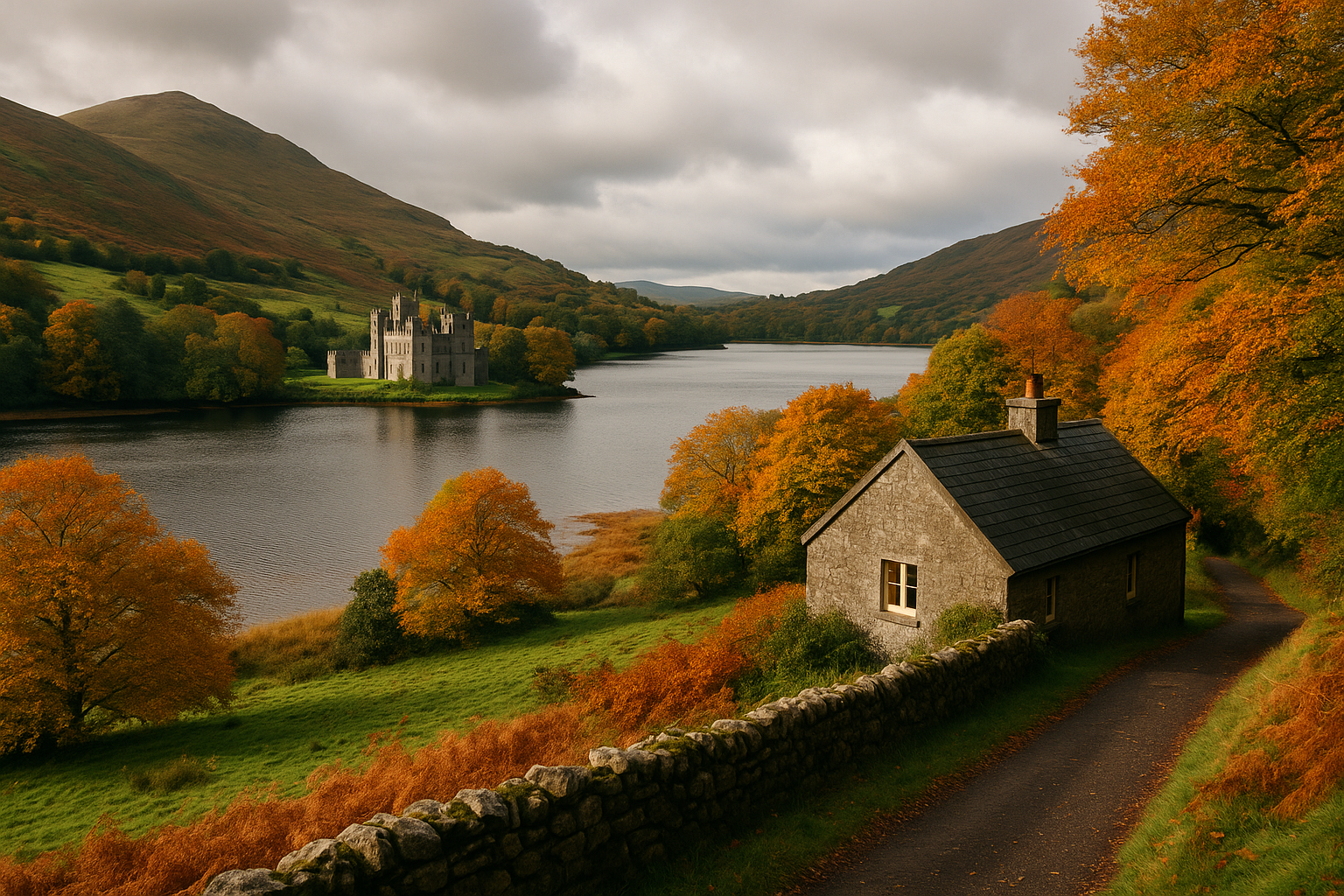
By September in Ireland hedgerows are heavy with blackberries, small towns begin to smell of turf smoke and the county Gaelic football and hurling championships take over Saturday afternoons.
The particular pace of Ireland in autumn
Autumn compresses social life into local rhythms: farmers finishing silage, pubs filling earlier for after-work music sessions, and parish halls hosting harvest festivals that still draw people from surrounding townlands; that local geography—the townland—shapes how villages and communities meet.
What autumn actually does here
The season drags Atlantic weather systems across the western seaboard, so a week can contain a gale from the ocean followed by several sharp, clear days that light the limestone and bogland in a way locals notice; at the same time the National Ploughing Championships in September turns fields into a focal point for rural trade and conversation.
How travel around Ireland works in these months
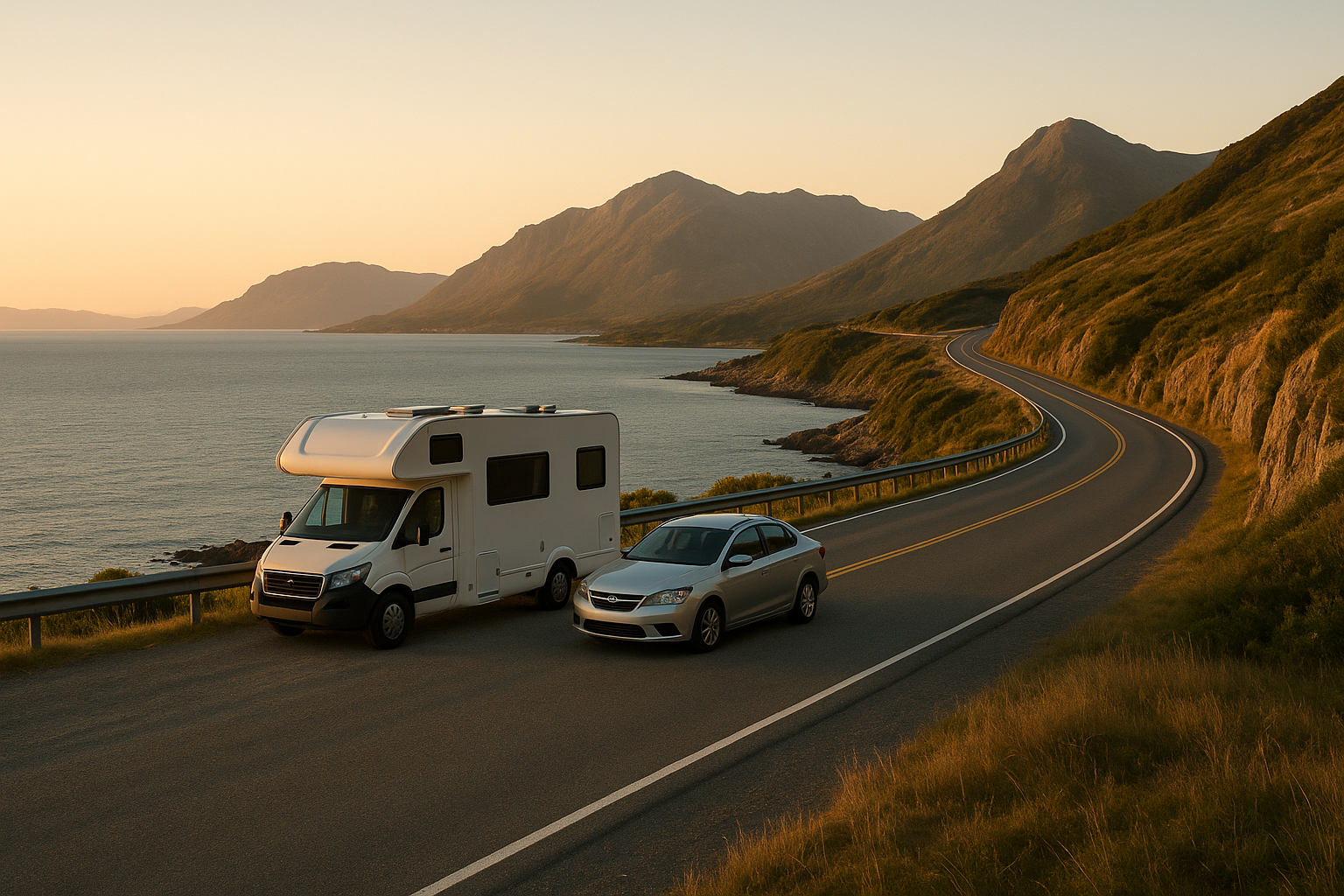
Distances feel short on a map but roads often make journeys longer: motorways link the main cities and the M50 squeezes Dublin traffic, while regional roads thread between stone walls and pastures and slow progress—hire a car if you want the west, expect trains and buses to serve Dublin–Cork–Galway reliably but not every village, and remember drivers keep to the left.
Everyday customs, food and the small surprises
In towns and villages the pub is where information is exchanged—ordering at the bar is common, traditional music moves indoors as the nights lengthen, and menus shift to game, oysters and shellfish along the coast plus warming stews and soda bread; staff won’t expect large tips, and bilingual road signs in Irish and English mean knowing local pronunciations helps more than you realise.
Things visitors often misunderstand
People assume constant rain or that Irish is widely spoken day-to-day: the weather actually alternates between Atlantic storms and unexpectedly brilliant autumn days, and while Irish appears on signs and in schools most conversations happen in English, with local accents and place-name pronunciations taking a little attention to learn.
Quick 5
Ireland
Ireland
Ireland
Ireland
Ireland
Regions

Travel Requirements
What you need to enter Ireland, for the passport you hold.
Places of interest
Landscapes in Ireland
Travel Tips