
Liechtenstein
Short description
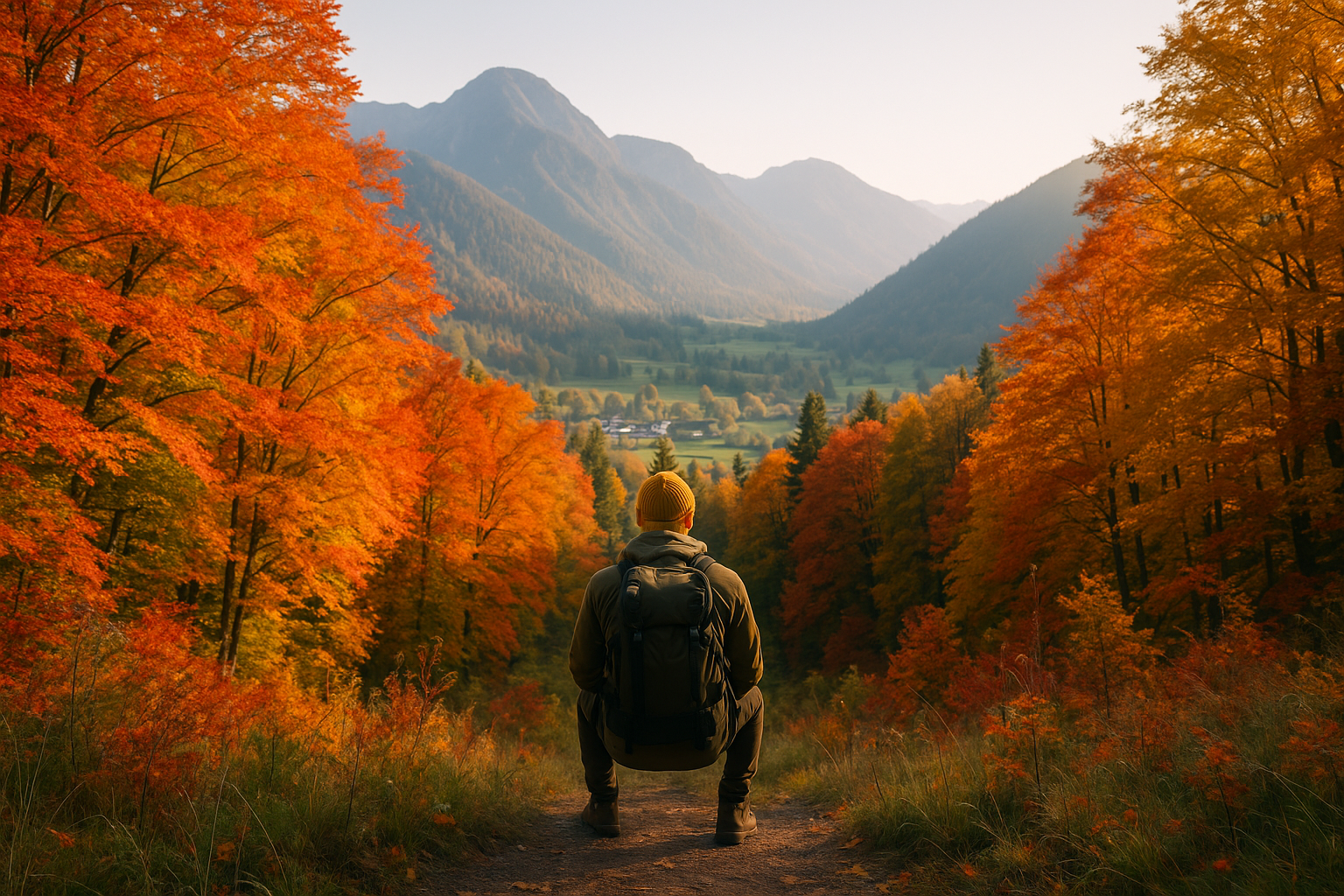
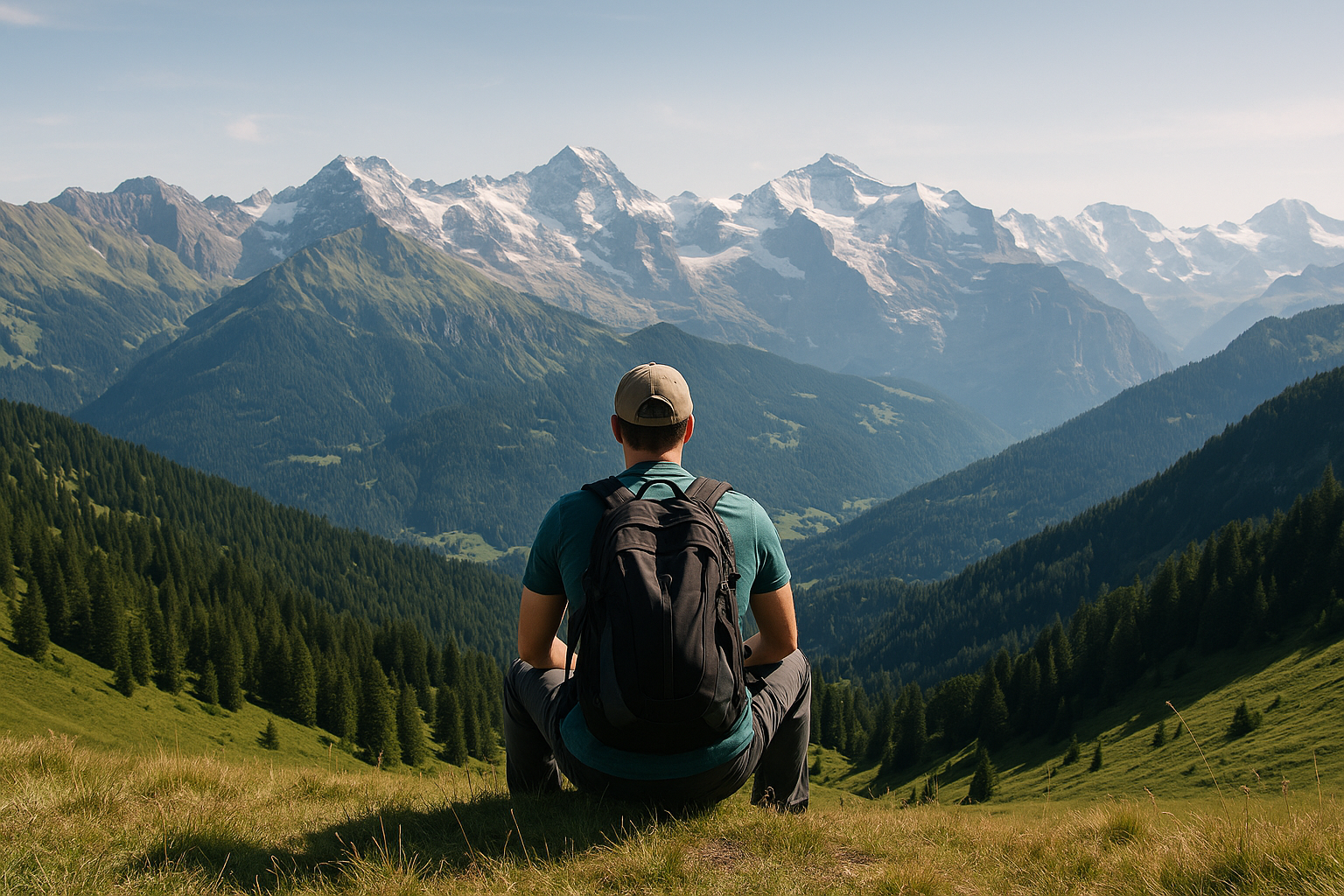
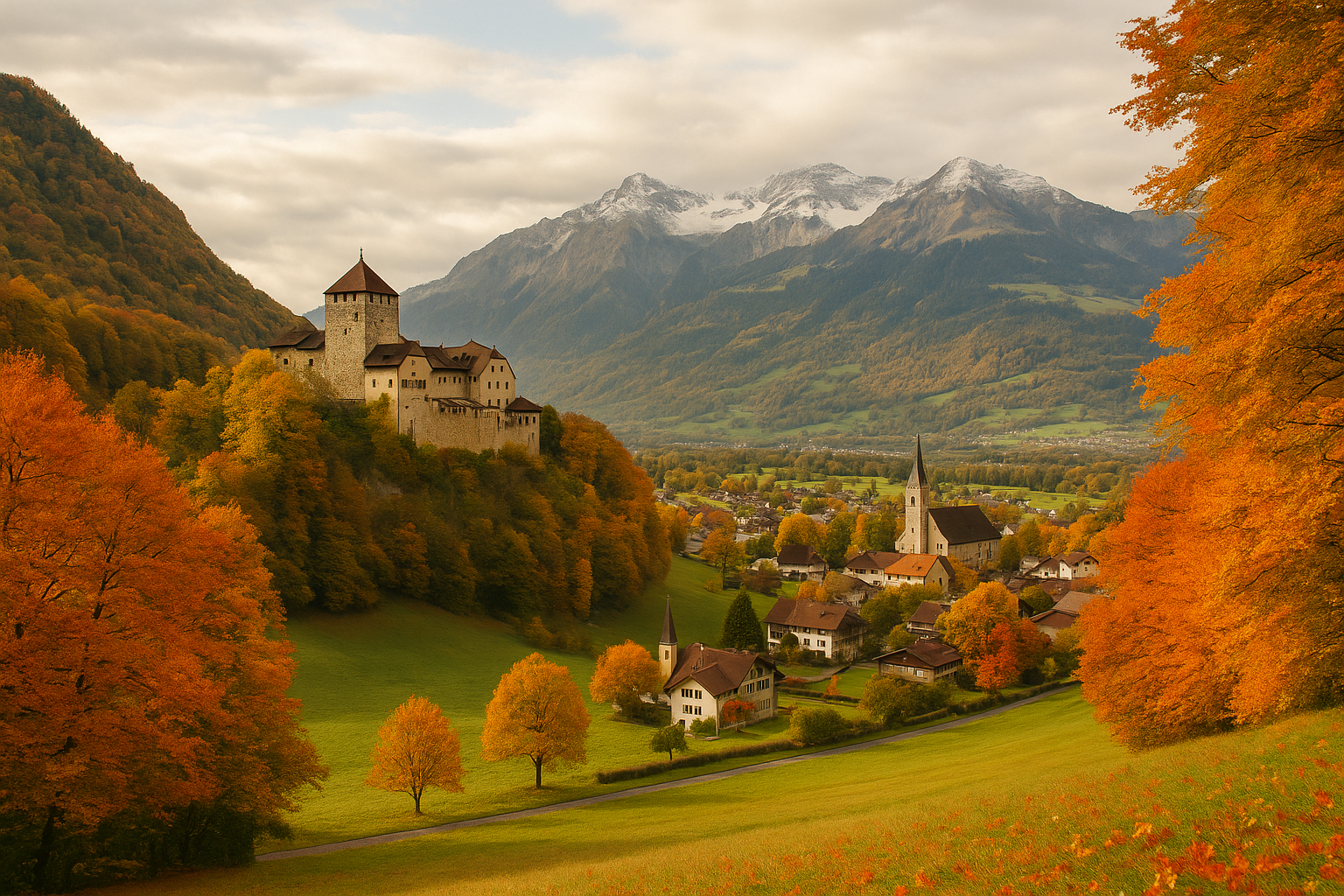
Autumn light on the Rhine and the slopes above Vaduz
September to November in Liechtenstein narrows the year to two things: the valley along the Rhine, where the last summer vines turn russet on south-facing terraces, and the foothills above where beeches and larches stain the ridges. Fog settles some mornings in the lowlands and lifts by mid-morning; clear afternoons feel unusually long because the principality is compact and the sun drops behind the mountains early. Village streets smell of wood smoke on colder evenings.
How moving between villages actually works here
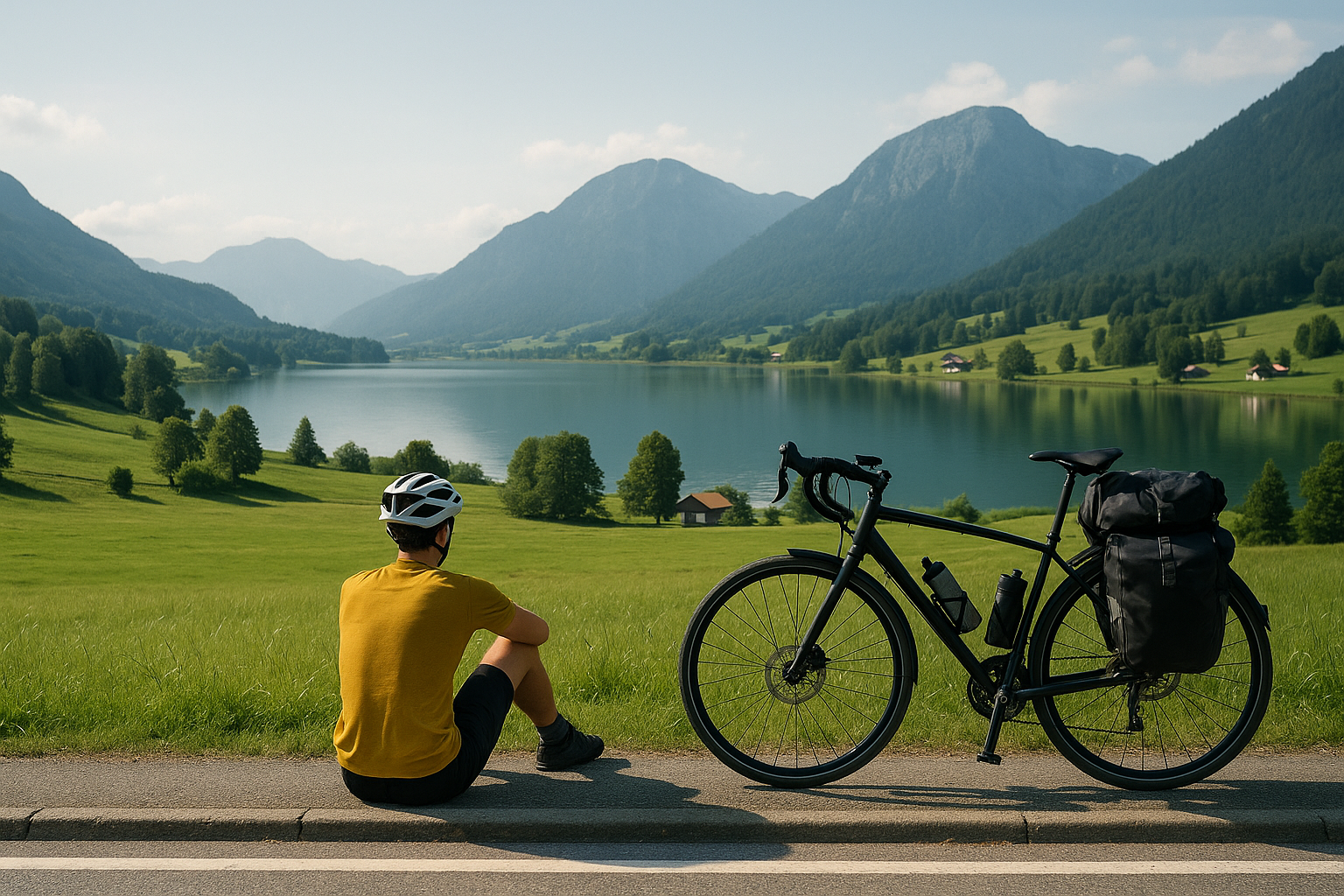
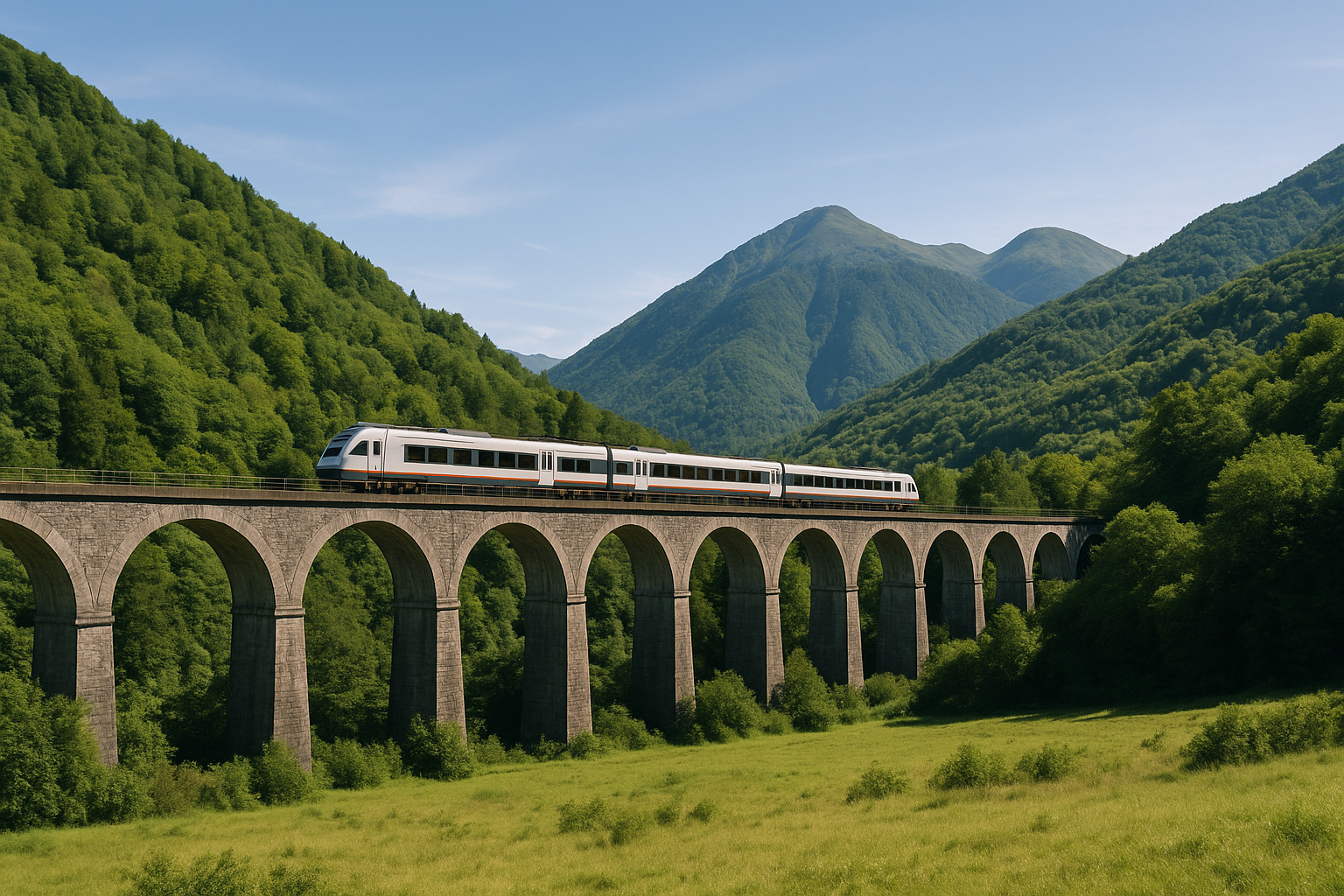
Distances are short—the country’s population is about 38,000 and most services concentrate around Schaan and Vaduz—so journeys that feel like a day in larger states are just an hour here. A single rail line runs along the Rhine with only a few stops; locals rely on frequent buses or a rental car to reach upland settlements. Shops and cafés take Swiss francs; German is the official language and will get you everywhere, though many people also speak fluent Swiss German dialects.
Autumn habits that shape daily life
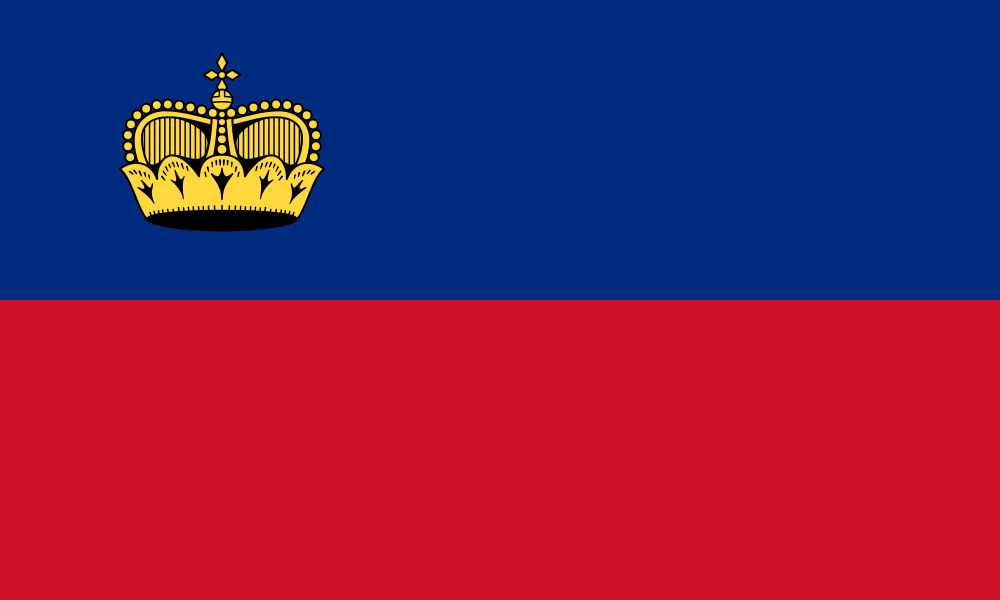
Weekdays are punctual and businesslike: appointments start on time and small-town formality lingers in greetings—use Herr or Frau with a surname until invited otherwise. Sunday remains quieter than the rest of the week, with churches still filling in many villages. Public events and municipal meetings often display the princely arms, a reminder that local identity is as civic as it is national; you’ll see the prince’s flag on official buildings as readily as commercial ones.
What you’ll eat when the temperature drops
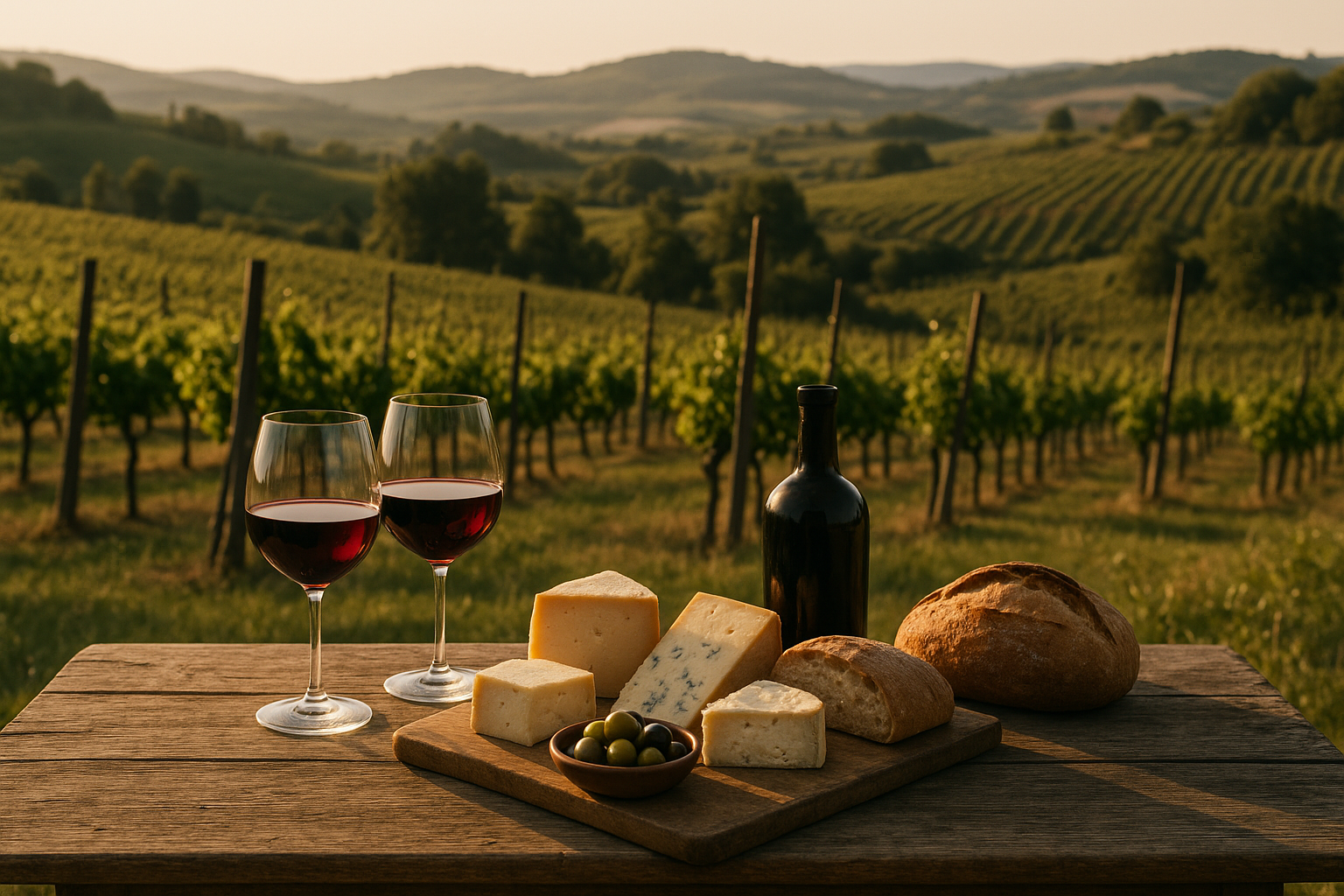
Menus shift toward what the valley produces. In autumn you’ll find Käsknöpfle on tavern lists and dishes named for Triesenberg and other villages—Röstibraten and Triesenberger Schnitzel appear more often as game and root vegetables come into season. Small inns pair those plates with regional wines from the Rhine terraces or with beers from neighbouring Switzerland; portions tend to be generous and unpretentious.
Quick 5
Liechtenstein
Liechtenstein
Liechtenstein
Liechtenstein
Liechtenstein
Regions

Travel Requirements
What you need to enter Liechtenstein, for the passport you hold.
Places of interest
Landscapes in Liechtenstein
Travel Tips