

Lithuania
Short description
How Lithuania feels in the fall
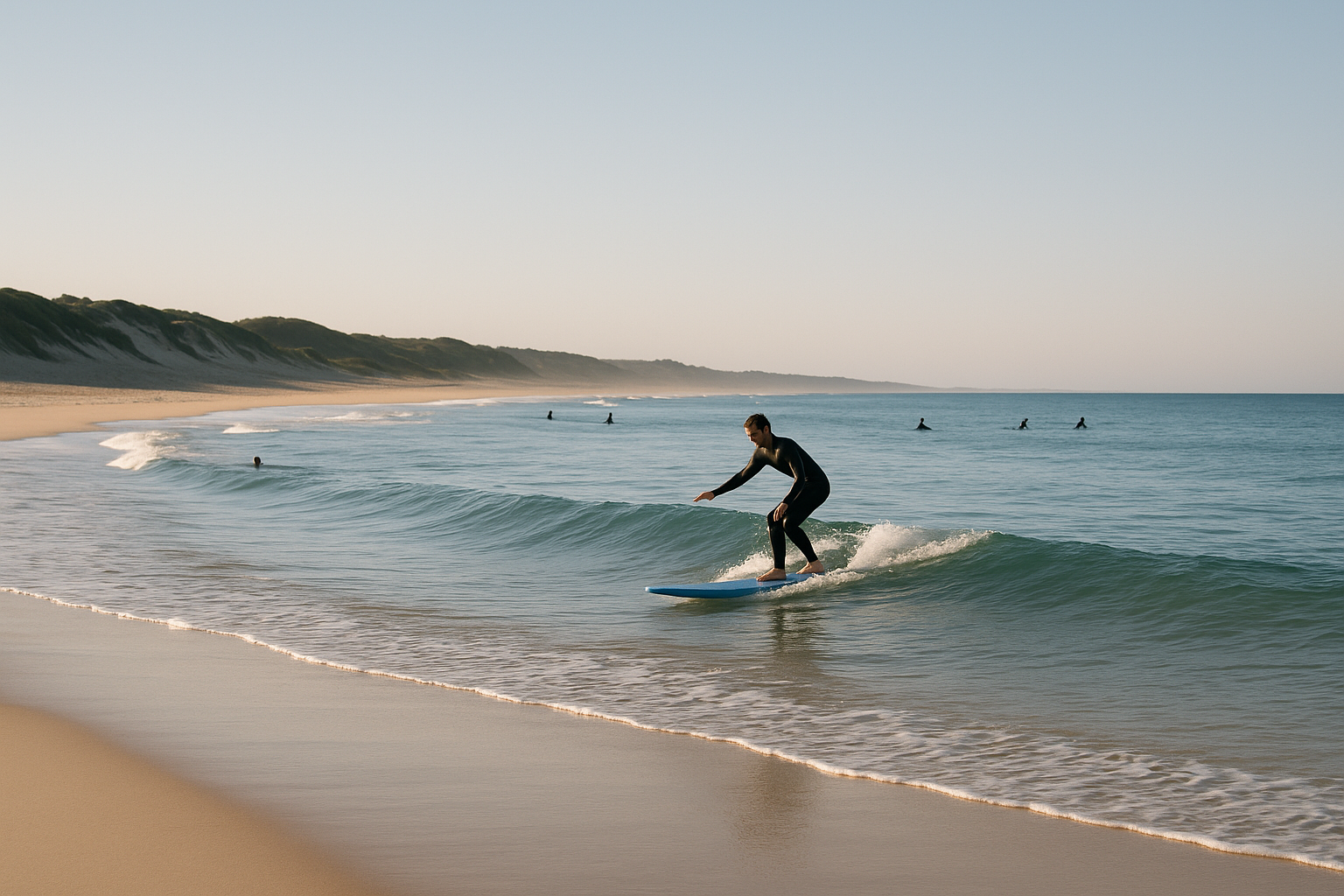
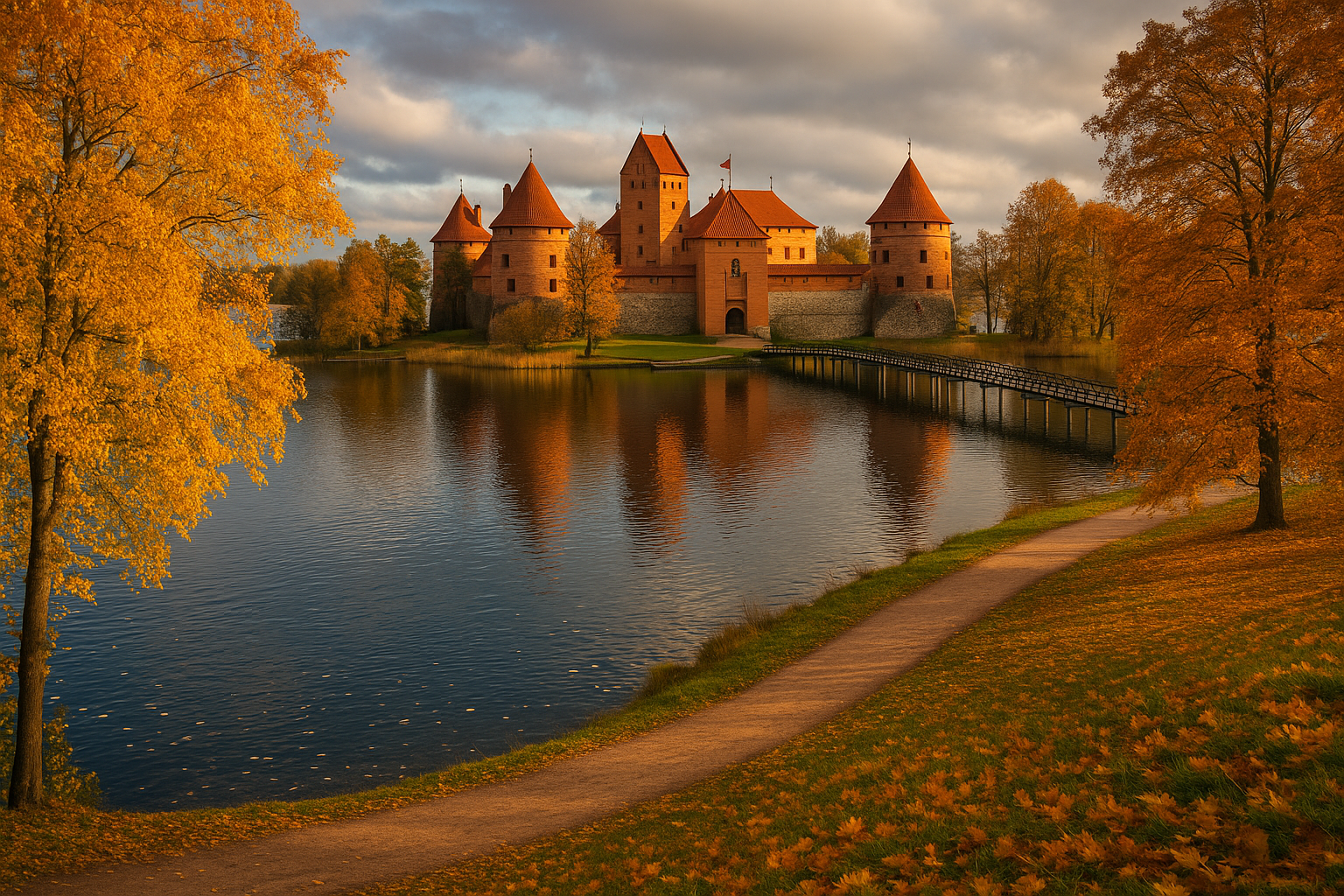
In Lithuania autumn announces itself with jars of pickled mushrooms on market stalls and long, pale evenings that favour cafes in Vilnius’s baroque streets over park benches. The country’s scale—small enough that you can cross two ethnographic regions in a single afternoon—means the landscape shifts quickly from the low, sandy dunes by the Baltic to pine-carpeted lakes in the east. Basketball chatter follows you everywhere: local courts fill after work as daylight shortens, and televised games are a communal soundtrack in bars and pubs.
What September–November changes here
September turns the countryside into mushroom- and berry-gathering season; locals disappear into forests at weekends and return with plastic sacks of porcini and chanterelles. By late October cemeteries become focal points—the first of November brings lanterns and rows of candles on graves, a practice observed across towns and villages and one of the clearest signs that the year is moving toward winter. Coastal resorts on the Curonian Spit lose their summer crowds after August, leaving wind-thrashed promenades and restaurants that close for the season.
Getting around Lithuania in autumn
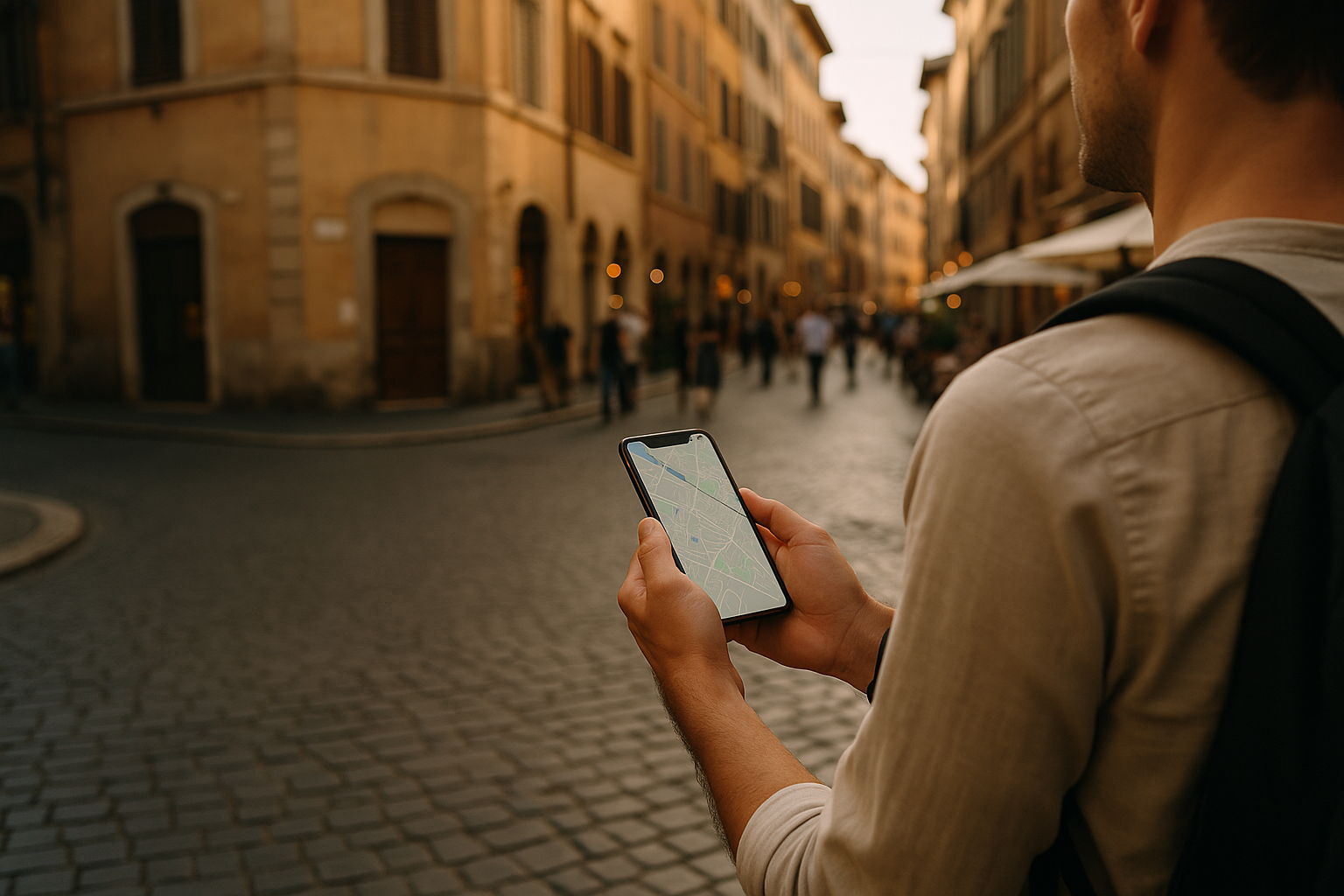
Distances are short but not instant: a bus from Vilnius to Klaipėda takes several hours on a good day, and intercity buses remain the most reliable rural connection where train routes are sparse. Major towns and cities accept cards almost everywhere, but small village markets and foragers still trade in cash for eggs, honey and mushrooms. Mobile coverage is strong in urban corridors but thins in dense forests and some coastal dunes, so download maps if you plan beach or mushroom walks.
Everyday manners you’ll notice quickly
People greet formally at first—use a firm handshake and a few words in Lithuanian will be noticed—then relax into directness; conversations are more likely to skip small talk than in many Western European capitals. Meal rhythms slide earlier as nights lengthen: a hearty lunch is common and restaurants fill for dinner from about 18:00. Tipping exists but is modest; rounding up or leaving ten percent for table service is enough. If you’re offered black bread, smoked fish or a shot of midus (honey liqueur) after a walk, accept: sharing food and home-made preserves is the short cut to being treated as a welcome guest rather than a tourist.
Quick 5
Lithuania
Lithuania
Lithuania
Lithuania
Lithuania
Regions

Travel Requirements
What you need to enter Lithuania, for the passport you hold.
Places of interest
Landscapes in Lithuania
Travel Tips