

Luxembourg
Short description
Autumn colours arrive along the Moselle and in the Ardennes
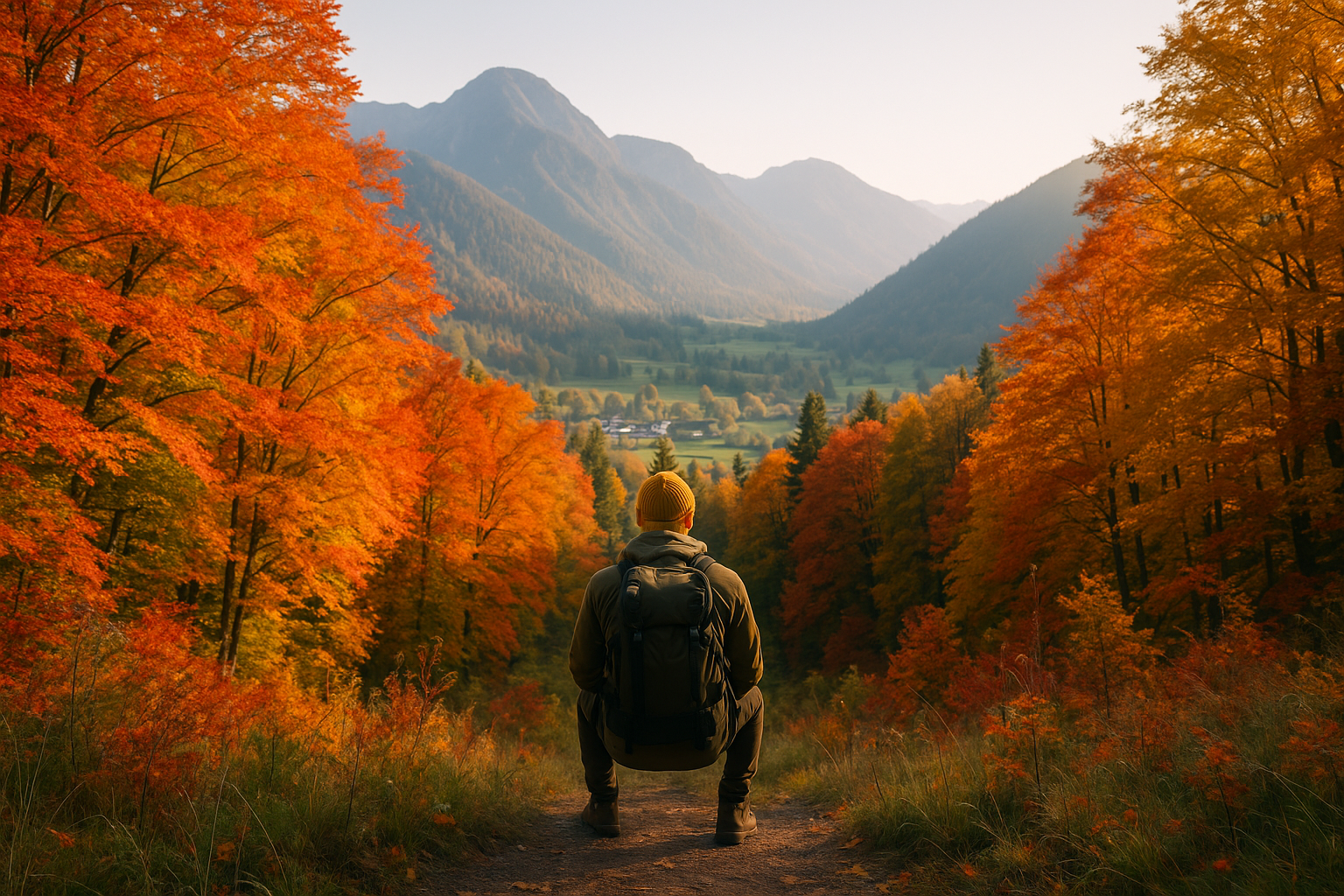
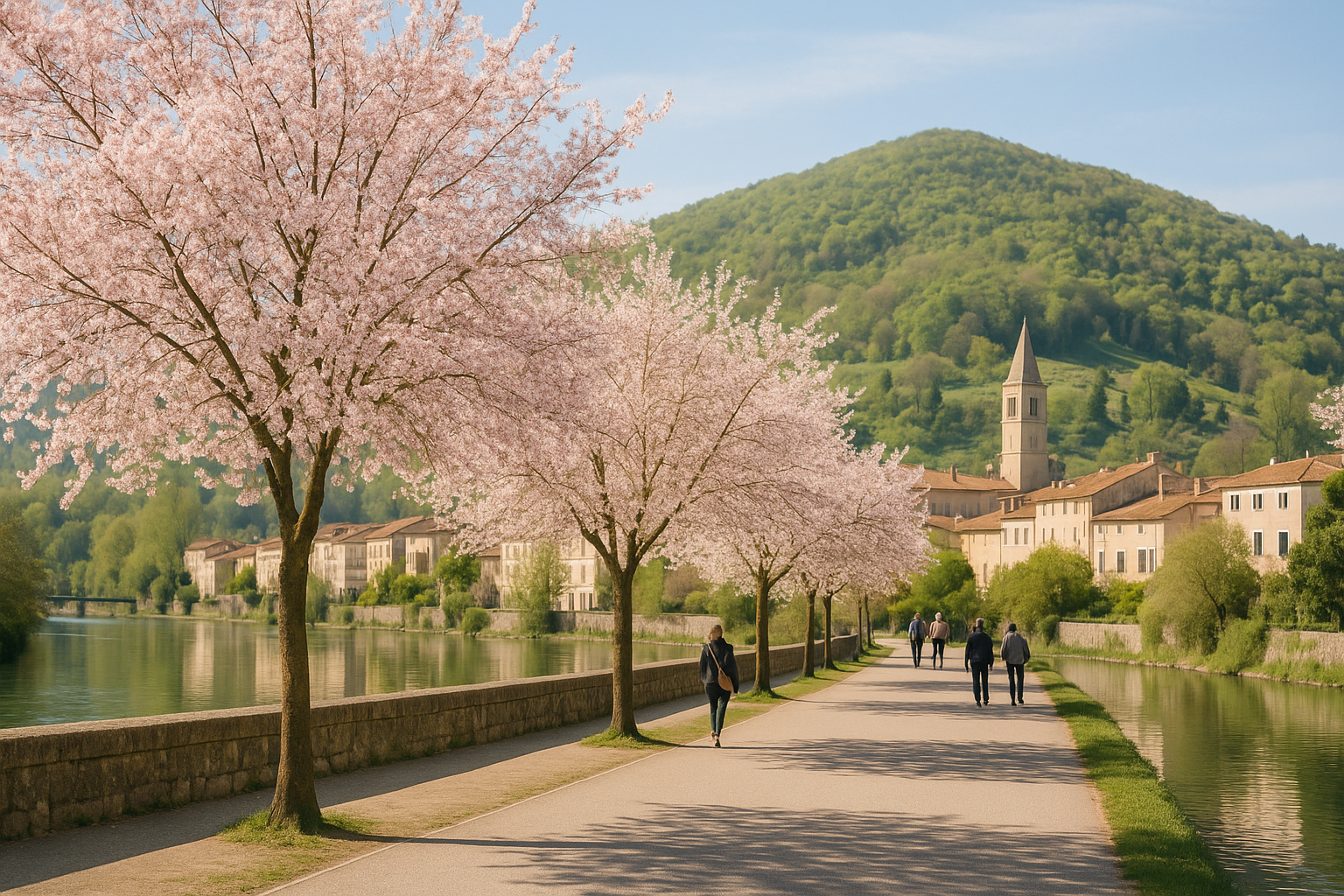
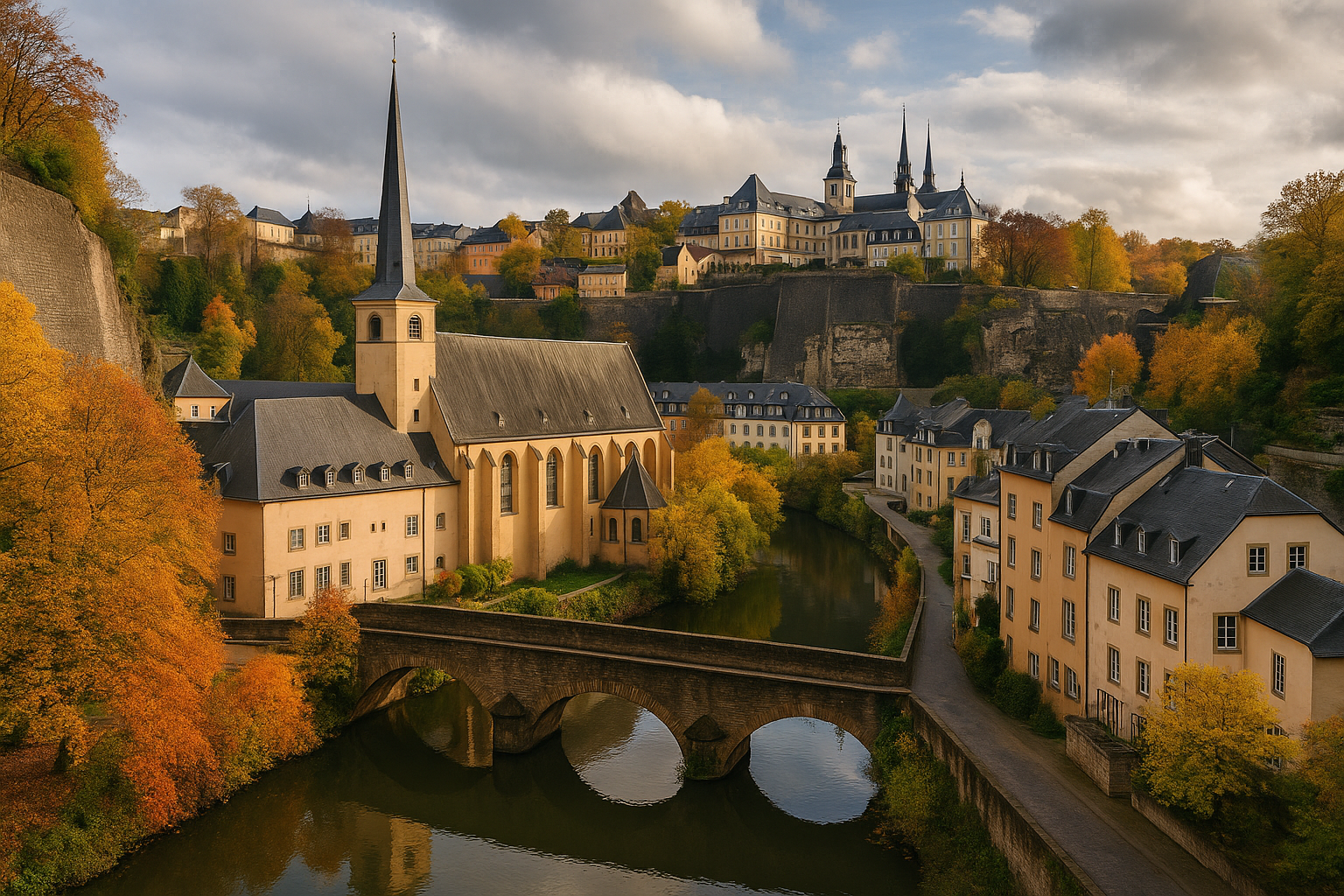
In September the Moselle vineyards in southeastern Luxembourg turn from deep summer green to a patchwork of gold and russet, and by November beech and oak in the Oesling (the Luxembourgish Ardennes) are visibly shedding their leaves; that seasonal shift determines how locals use their weekends, with riverbank wine tastings and forest walks replacing summer terrace life.
Getting around feels compact and multilingual
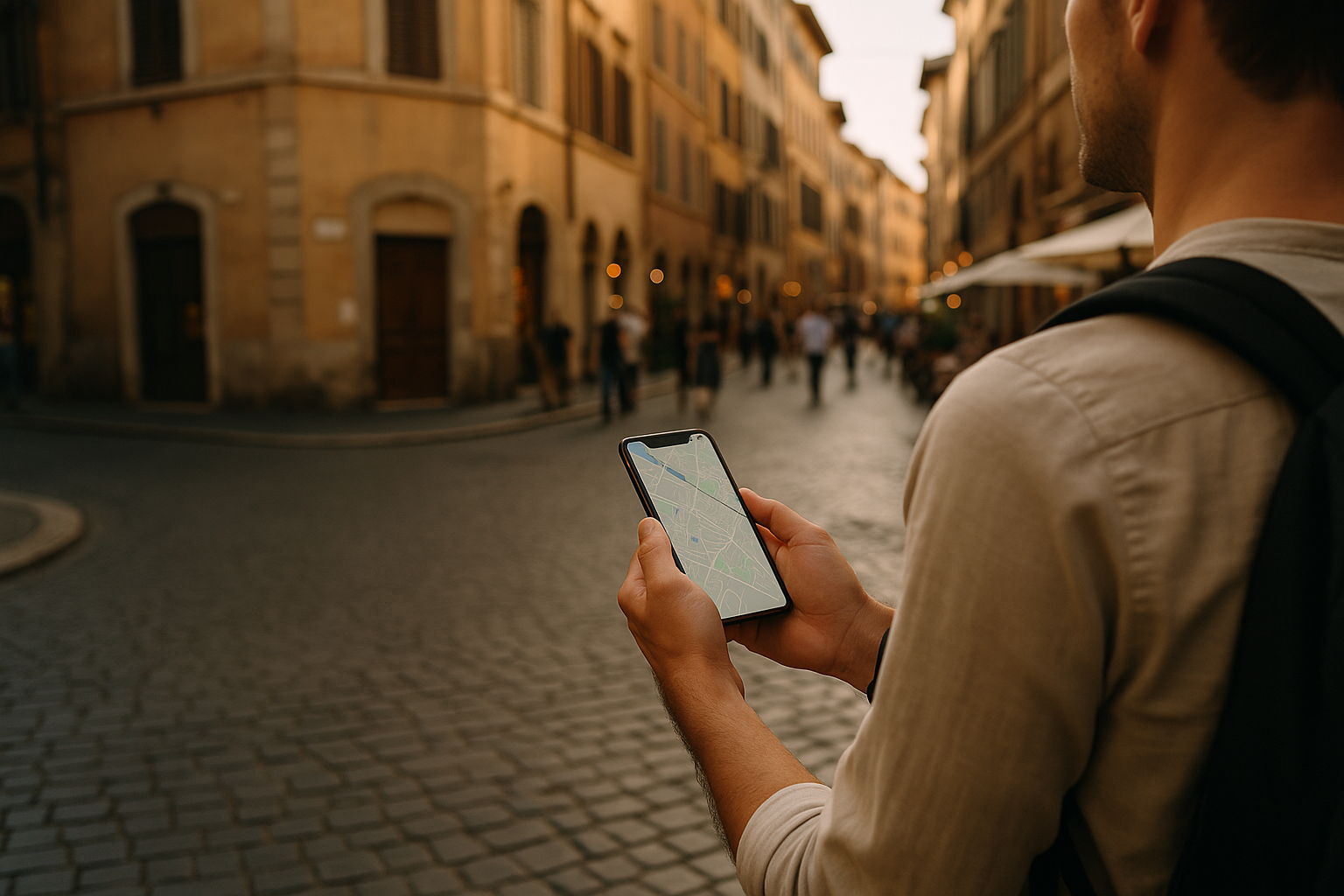
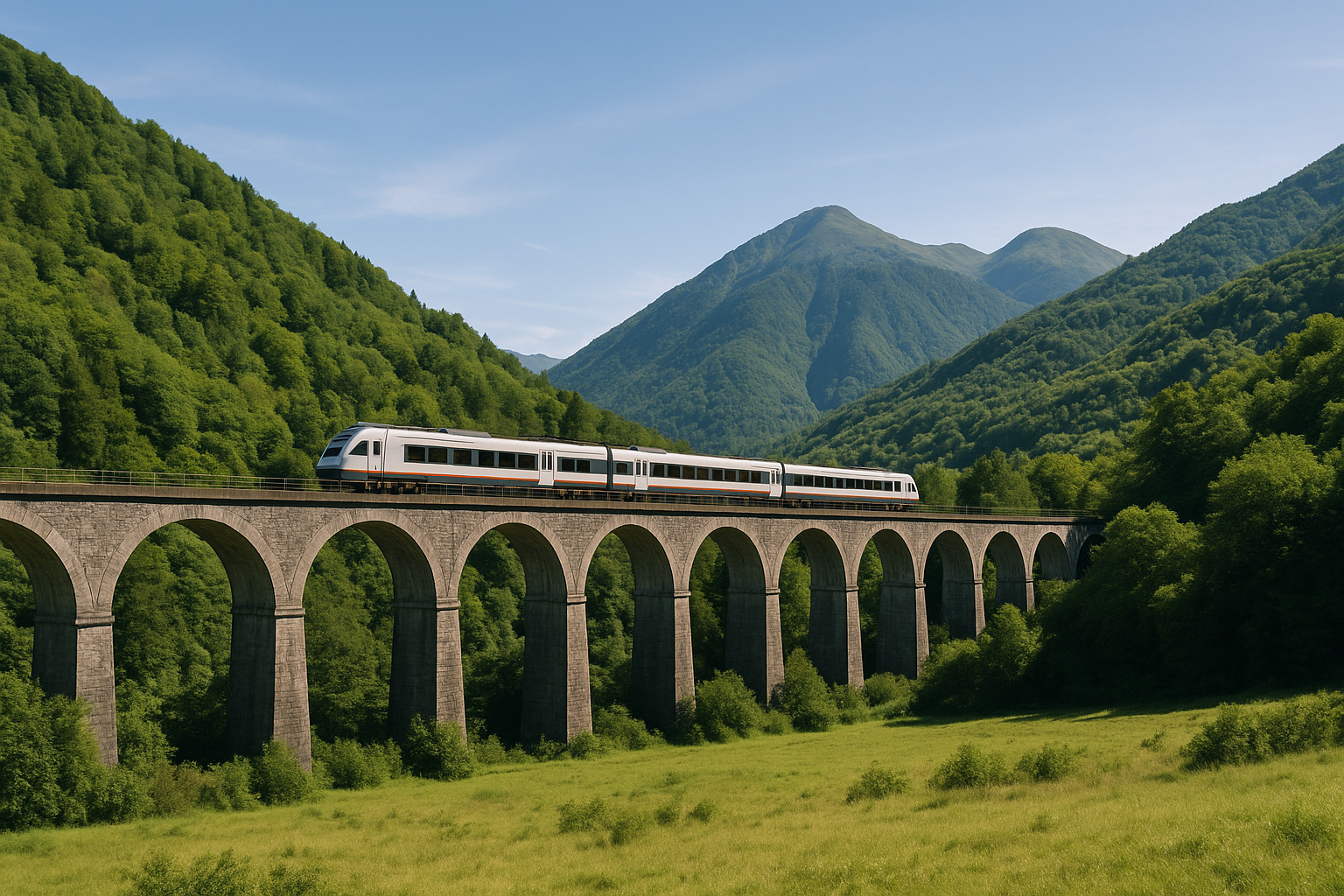
Distances are short—trains link Luxembourg City to Esch and the Moselle in under an hour—but the country’s small size is complicated by heavy weekday commuter flows from Belgium, France and Germany into the capital; expect morning and late-afternoon crowds on rail and road. Public transport has been free nationwide since 2020, making a spontaneous hop from city to vineyard or village easy; in smaller villages buses still follow limited timetables, so check schedules. Signage, ticket machines and official websites regularly switch between Luxembourgish, French and German, and most people will answer in English if that’s easier.
Eating, drinking and what autumn brings to the table
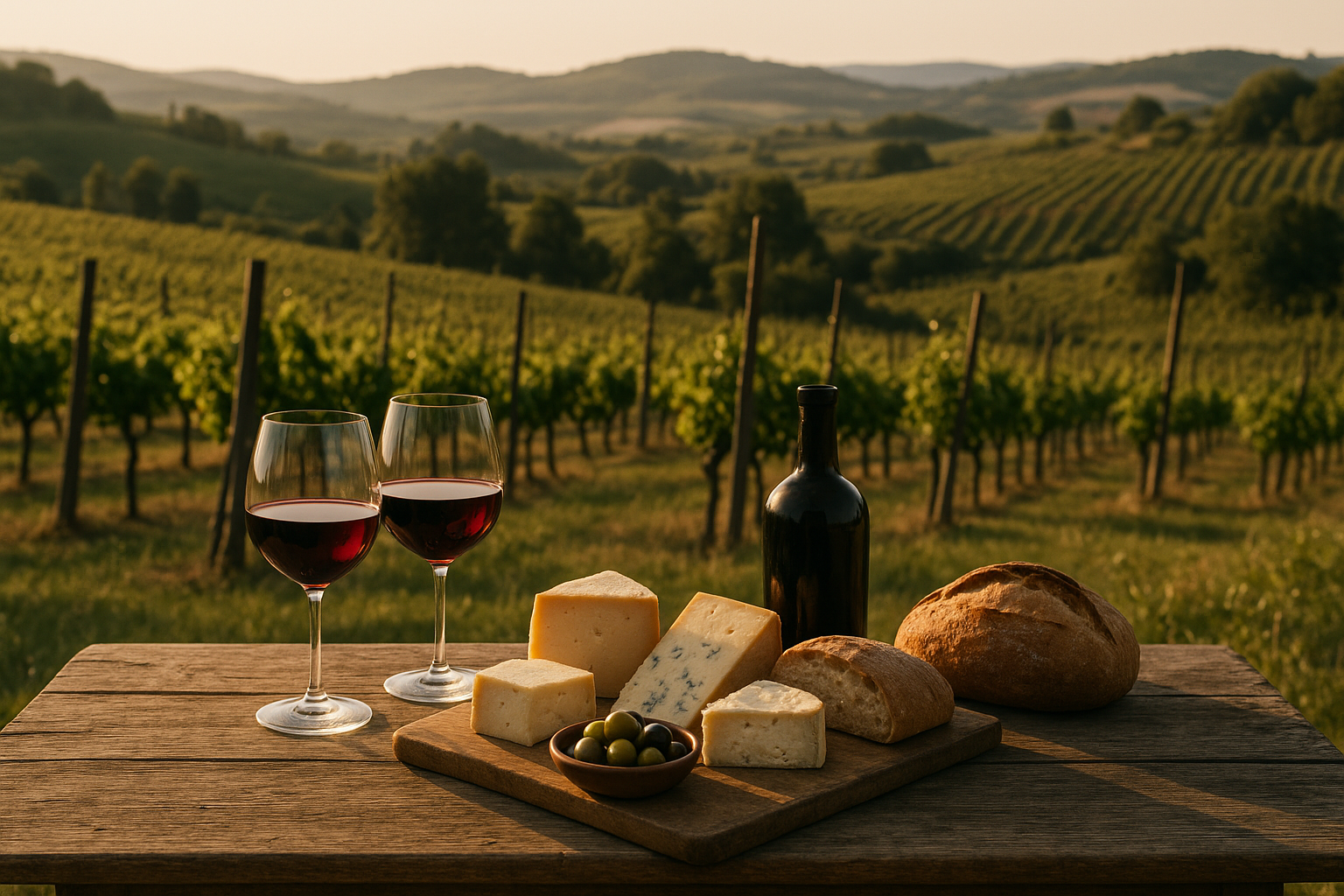
Autumn menus lean into game and cellar wines: local growers bottle Riesling and Elbling from the Moselle during the vendange, and village fêtes celebrate the grape harvest with new wine and charcoal-grilled sausages. In town cafés you’ll find gromperekichelcher (potato fritters) at market stalls and bouneschlupp (green bean soup) on brasseries’ seasonal lists; traditional judd mat gaardebounen turns up alongside wild boar or venison as kitchens move from light summer fare to heartier plates. Card payments are widely accepted, but village markets and small stands often prefer cash.
Small social cues visitors notice fast
Business life has a formal tone: handshakes are normal in professional settings while friends may exchange two light cheek kisses; punctuality is taken seriously for meetings. Shops in smaller towns commonly close on Sunday, and many cultural venues schedule new exhibitions and concerts for autumn evenings—so plan weekday and weekend timetables separately. A frequent surprise: beyond the European institutions and banking towers, Luxembourg’s landscape is rural and seasonal rhythms—harvests, hunting, wine festivals—shape local life more than the international calendar.
Quick 5
Luxembourg
Luxembourg
Luxembourg
Luxembourg
Luxembourg
Regions

Travel Requirements
What you need to enter Luxembourg, for the passport you hold.
Places of interest
Landscapes in Luxembourg
Travel Tips