
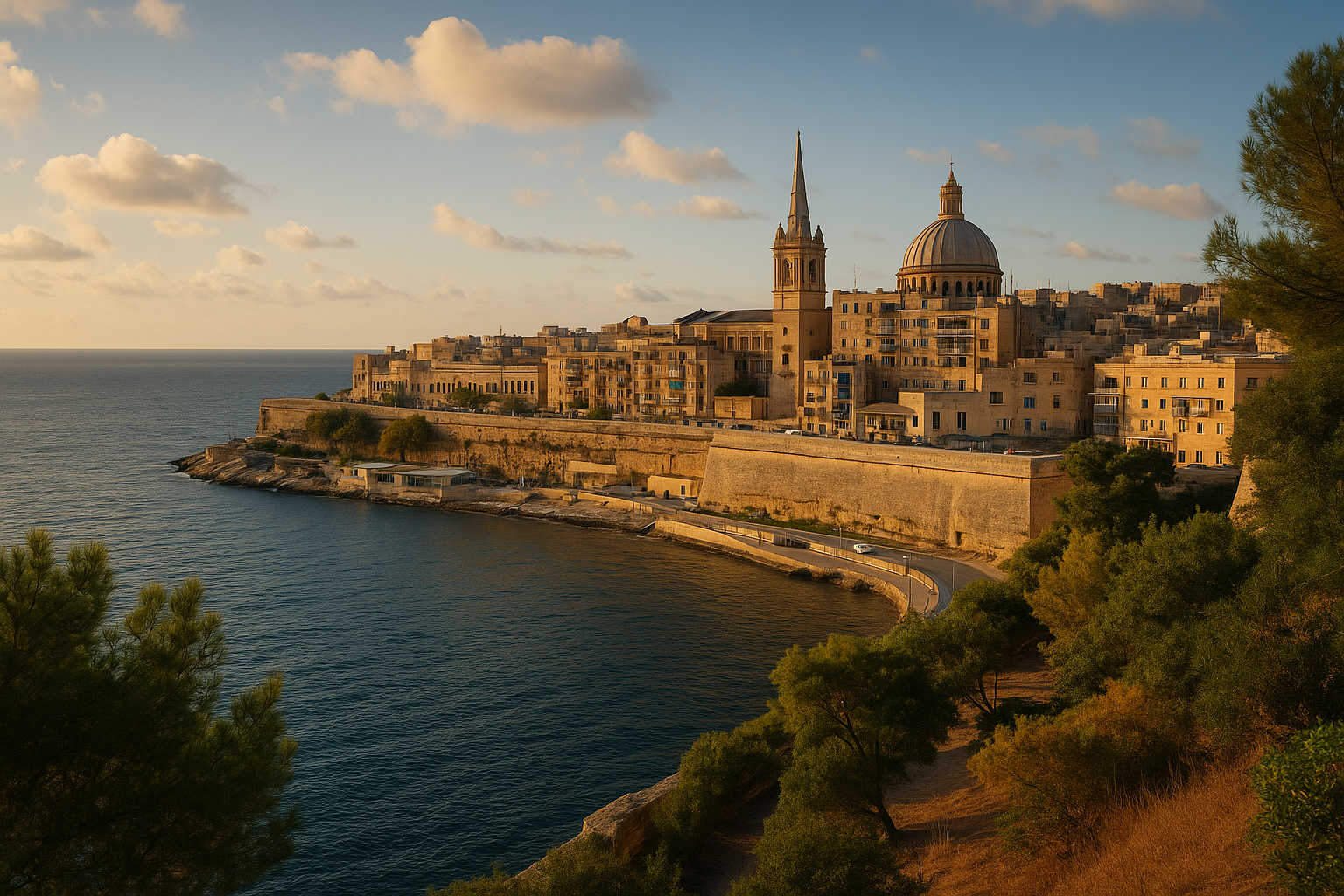
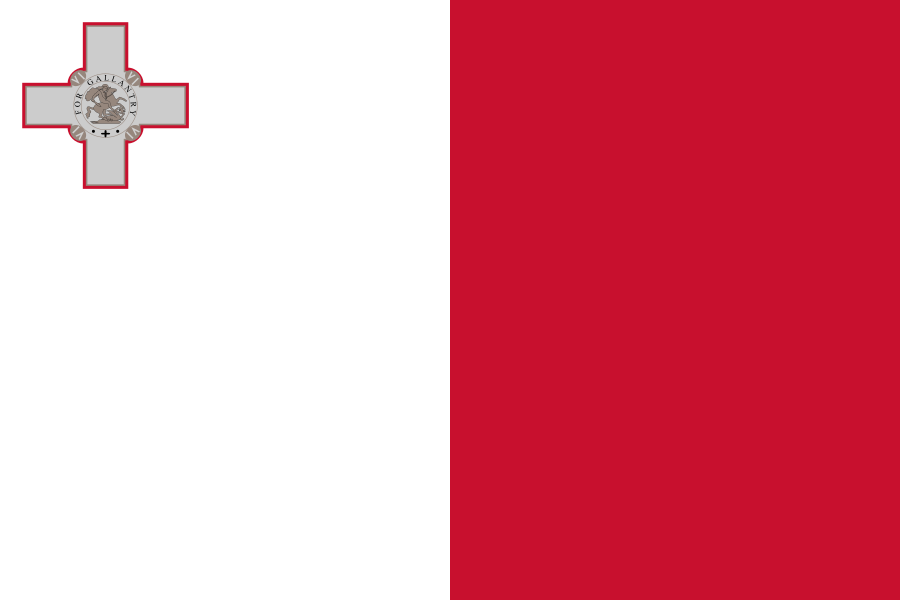
Malta
Short description
How Malta feels in autumn
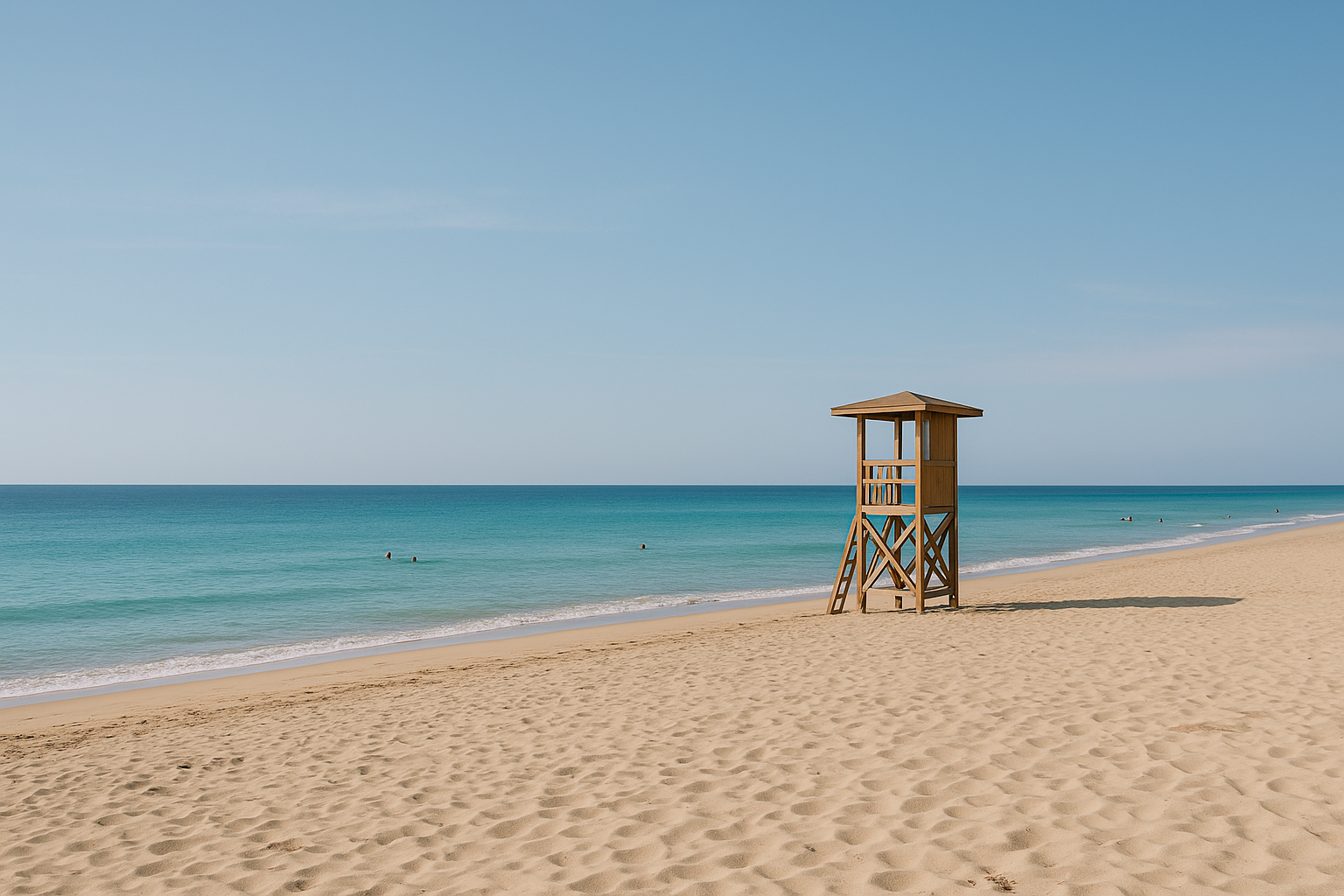
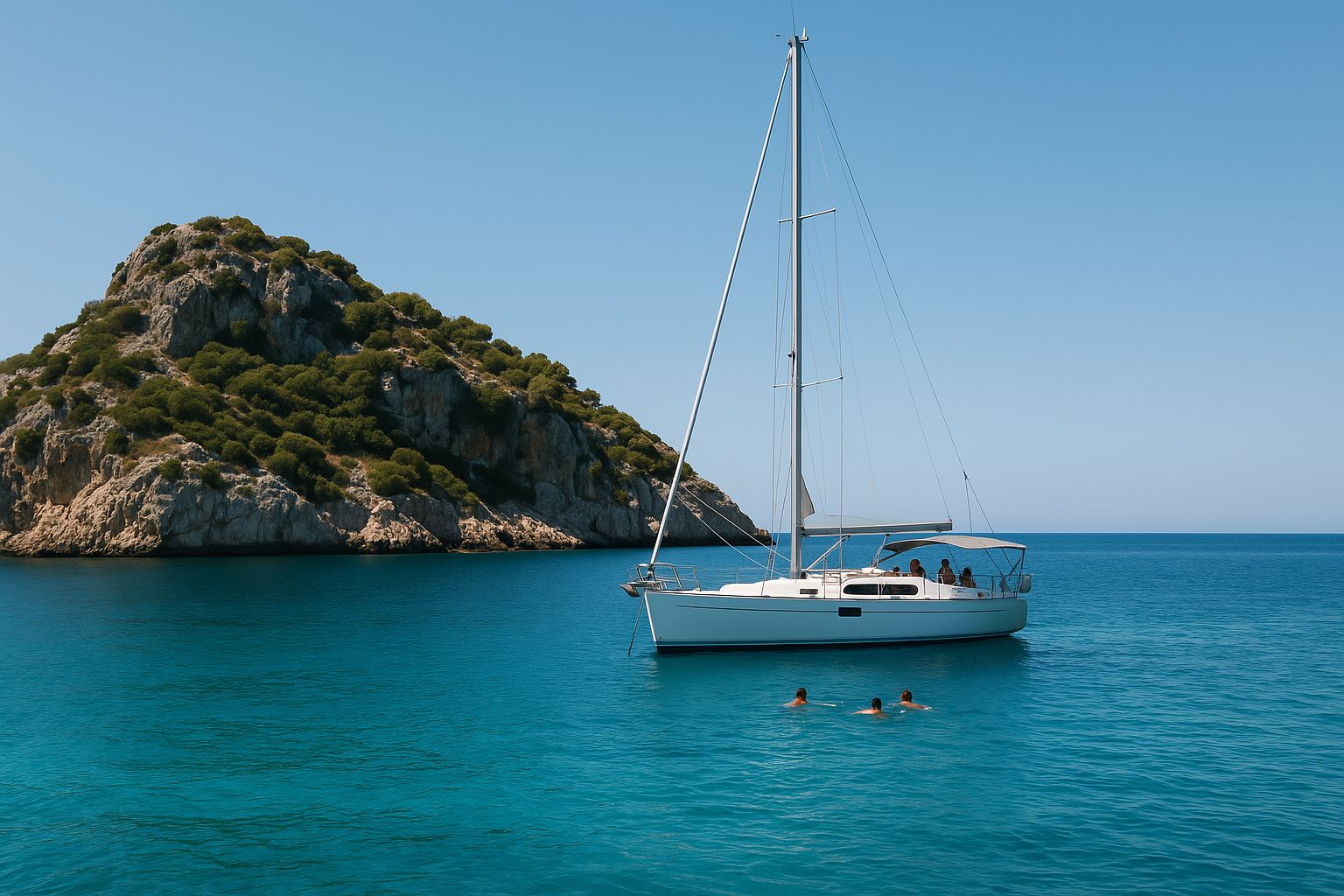
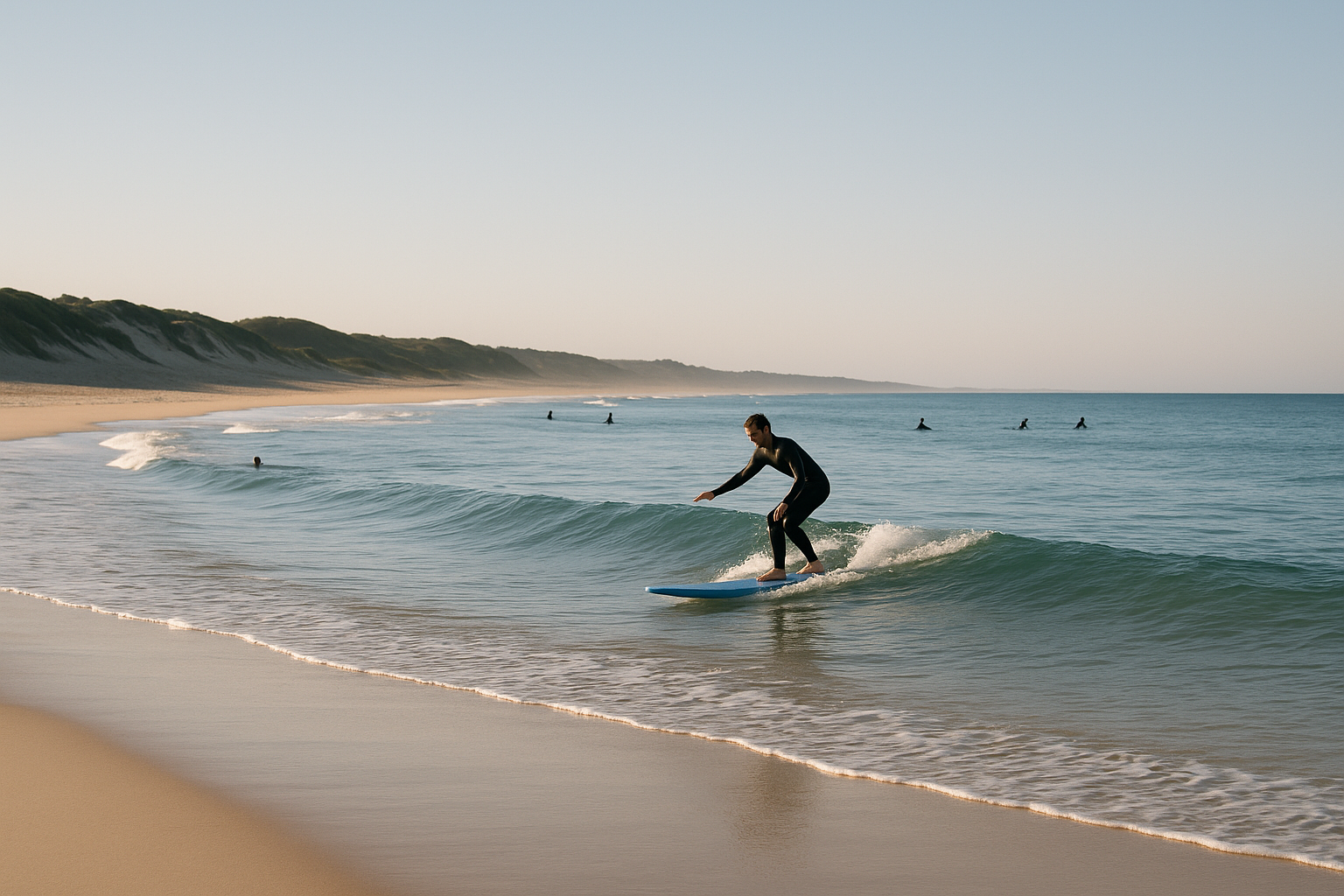
By September the island’s tempo shifts: day-trippers thin out but village life keeps a steady, loud pulse. Band clubs and parish committees are still active after the summer rush, fireworks and processions occasionally spill beyond August, and many small towns look lived-in rather than staged for tourists. The sea remains warm enough for swims well into October, which means beaches emptying slowly rather than shutting down overnight.
What autumn actually does to Malta
Autumn shortens daylight and brings breezier afternoons from the northwest; you’ll notice the mistral gusts more than any continuous rain. Harvest activity appears in a modest way — grape presses and seasonal markets pop up on Gozo and in village squares — and outdoor dining moves from afternoon siestas back toward later, longer evenings. By late November the islands feel quieter: schools are back, fishing boats are more visible again, and some beachfront cafés have their summer terraces cleared away.
Getting around Malta and between islands
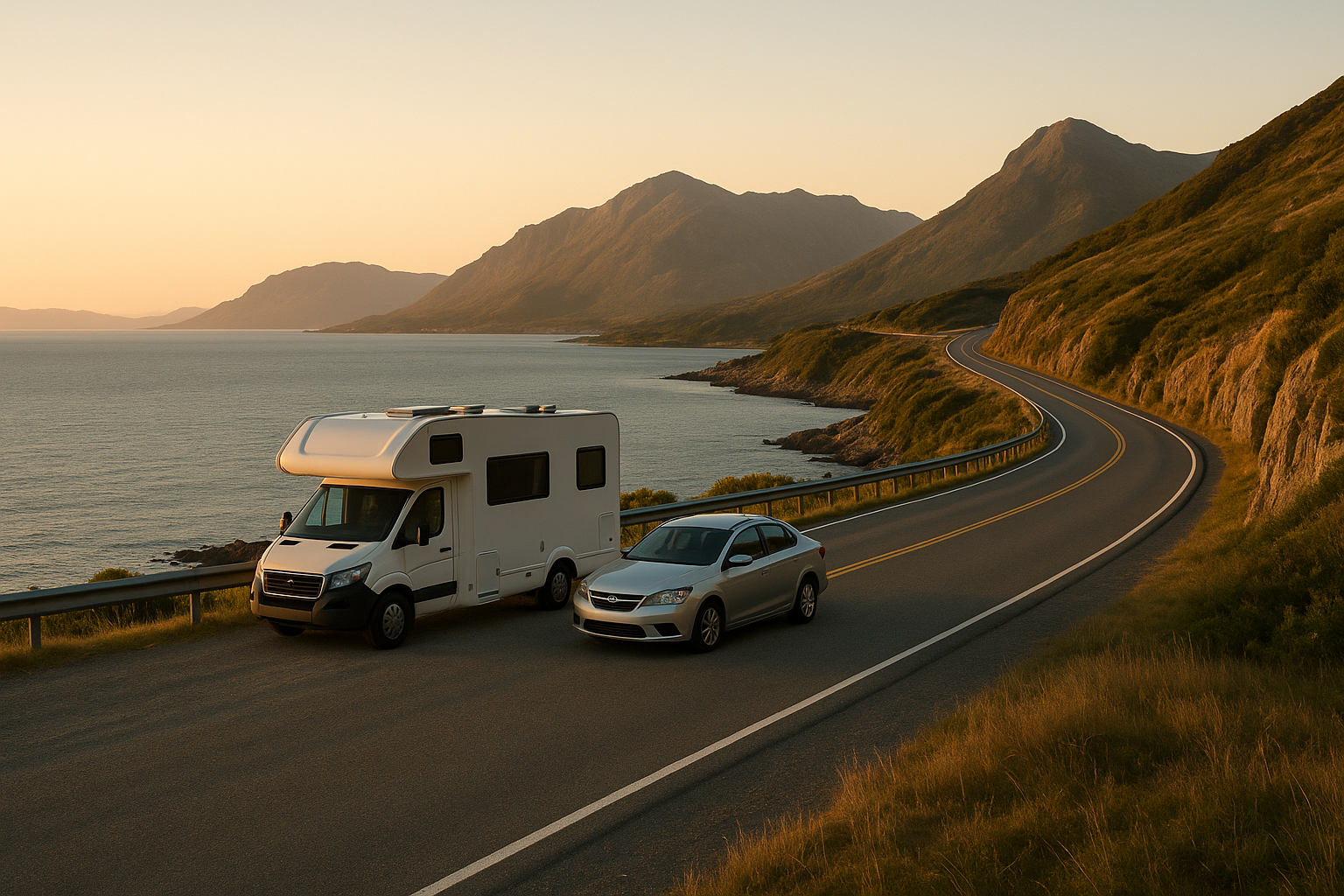
The islands are small but the roads aren’t built for high speed: a 20–30 minute drive can take longer in narrow village streets. Buses cover most routes and run in English-friendly timetables, while the ferry to Gozo takes roughly a half hour from the northern terminal. Taxis and private transfers are common for late returns from dinners or festas; expect card payment in hotels and larger restaurants, but many village stalls, bakeries and festa stalls operate cash-only.
Maltese food and the autumn mood
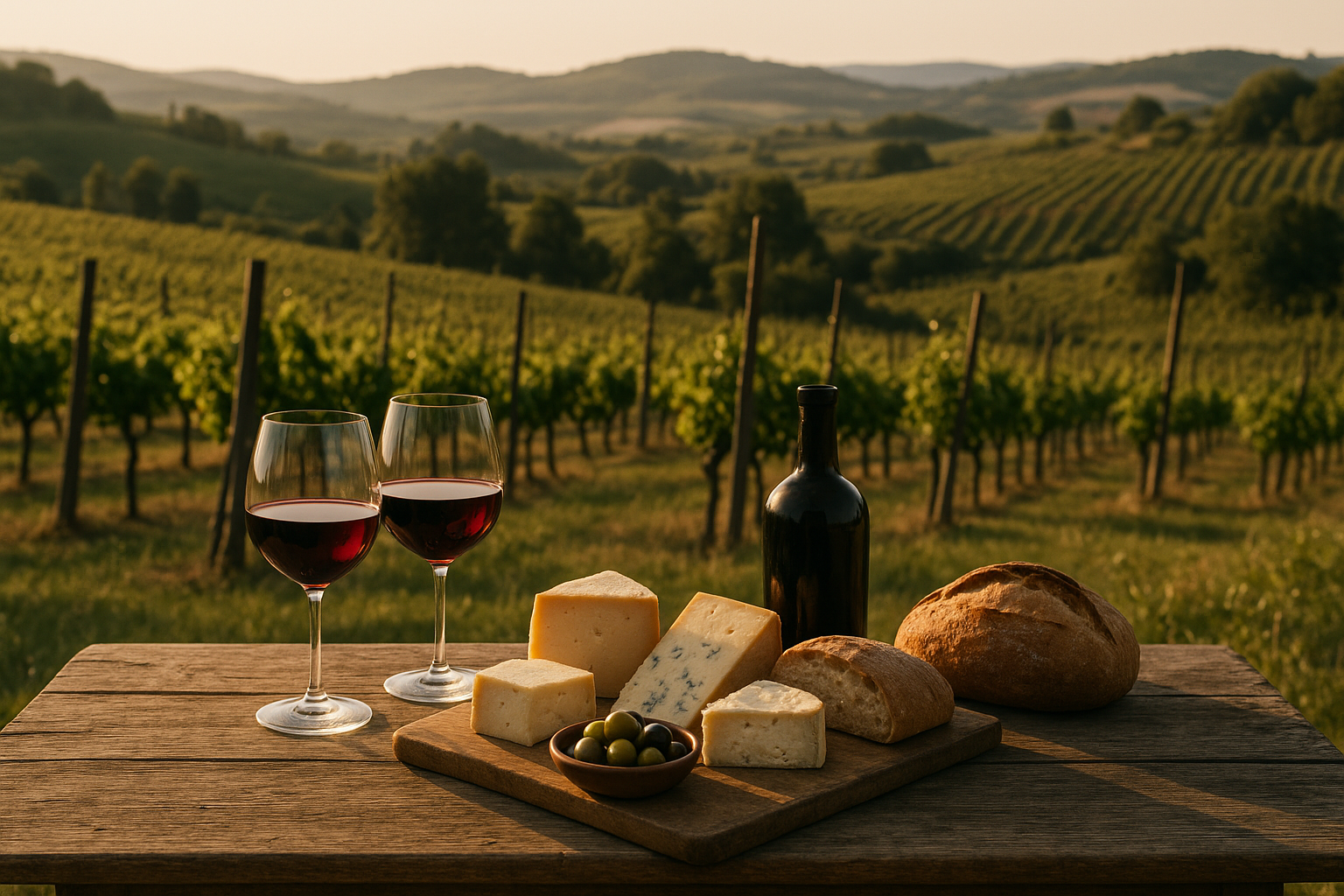
Autumn menus slide away from grilled fish toward hearty stews and shared plates — rabbit stews (fenkata) and bragioli turn up with more frequency in neighbourhood trattorias. Morning bakery queues selling pastizzi continue year-round; evenings are about communal meals, long talk and wine rather than quick tourist lunches. If you arrive at a festa you’ll be offered a paper cup of wine or local sausage without ceremony; accepting feels like the easiest way to understand the place.
Quick 5
Malta
Malta
Malta
Malta
Malta
Regions

Travel Requirements
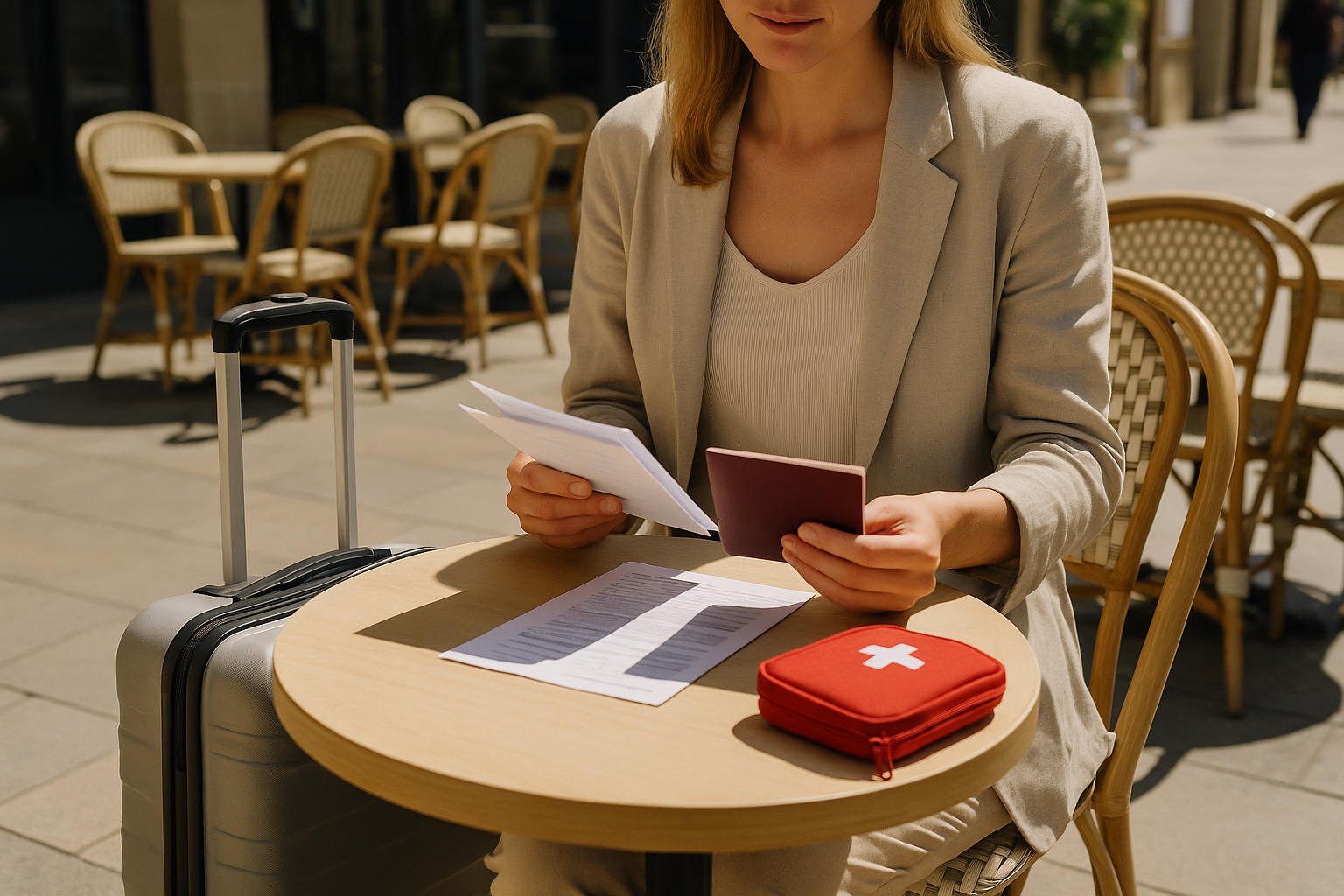
What you need to enter Malta, for the passport you hold.
Places of interest
Landscapes in Malta
Travel Tips