
Moldova
Short description
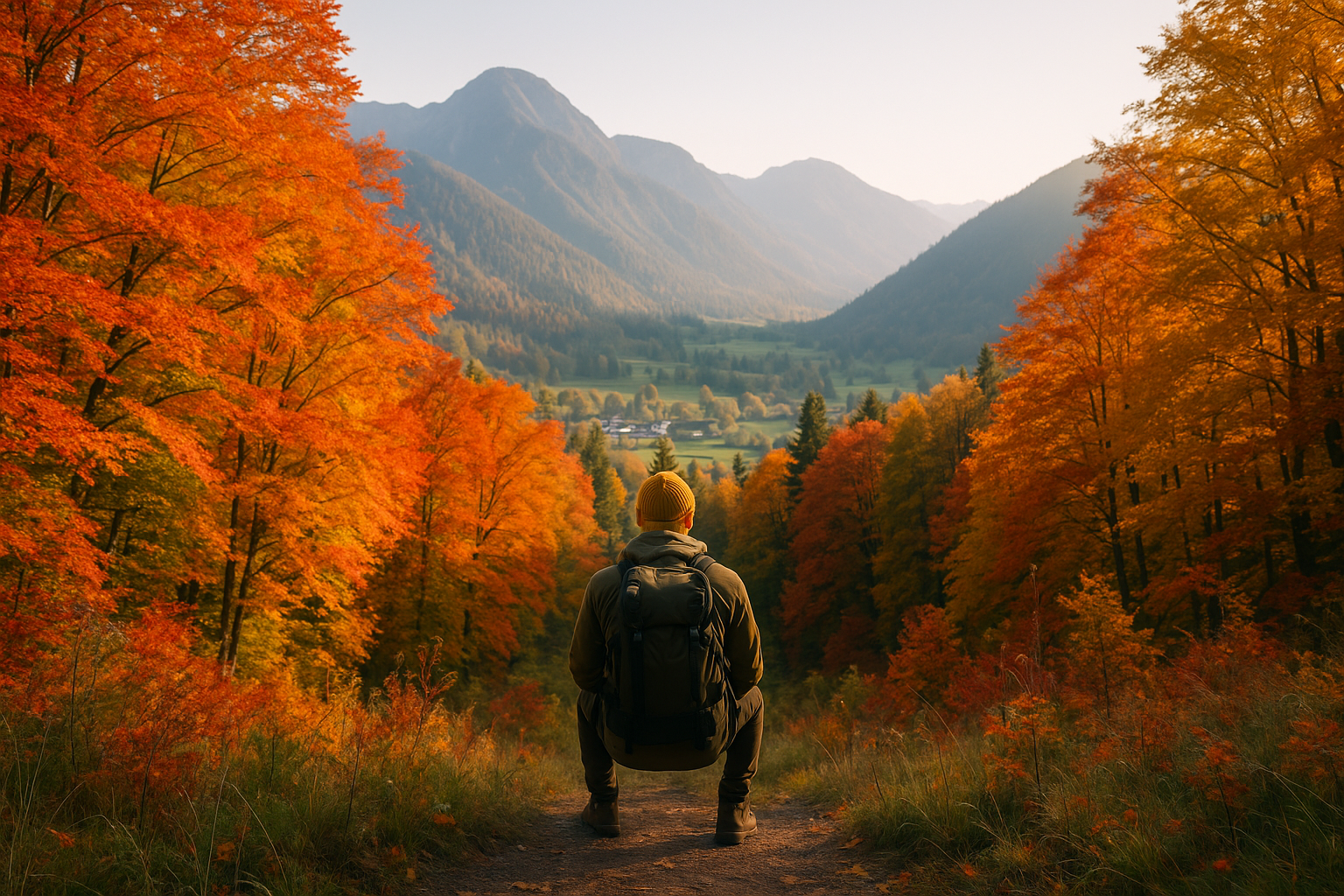
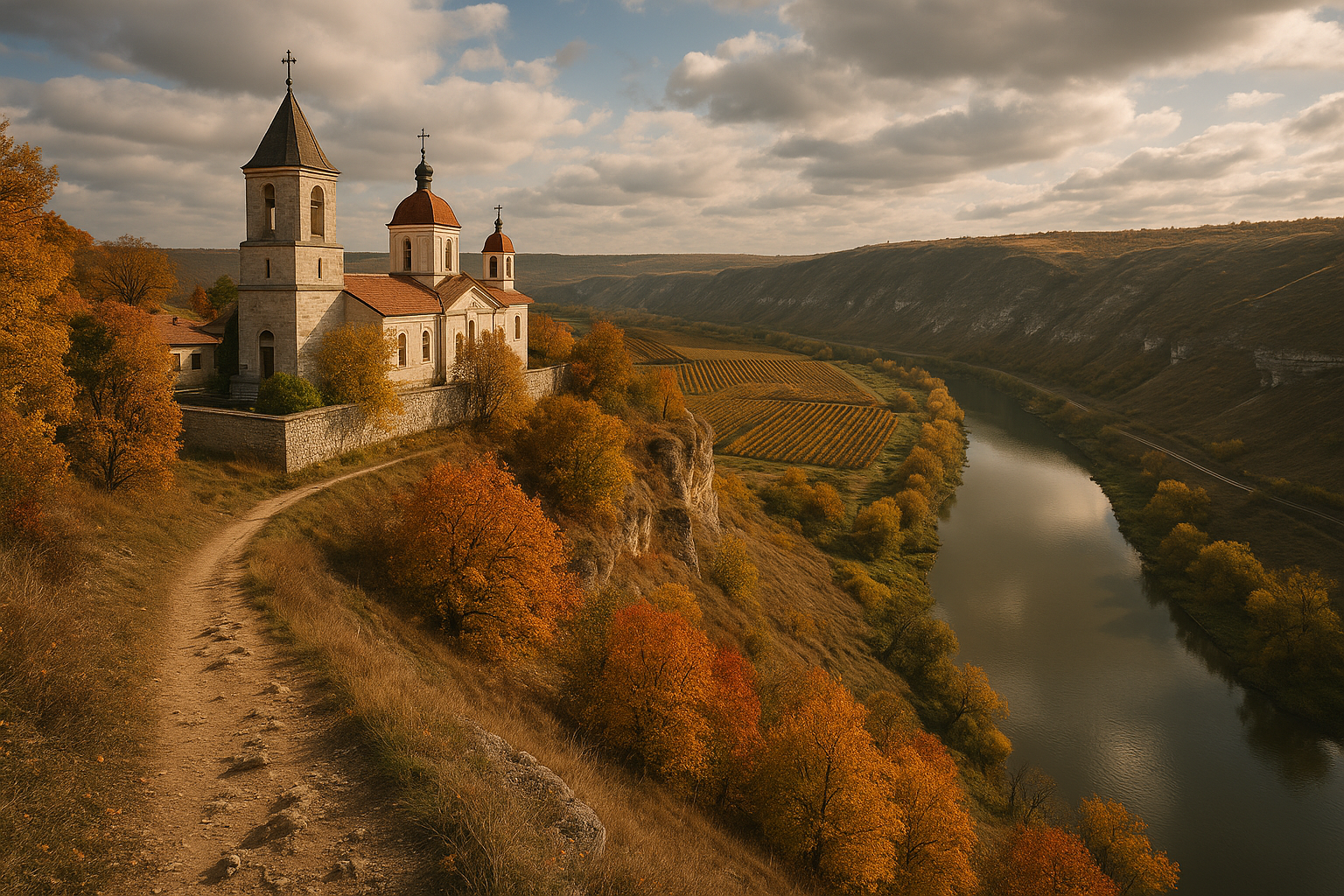
Autumn arrives in Moldova through the vineyards
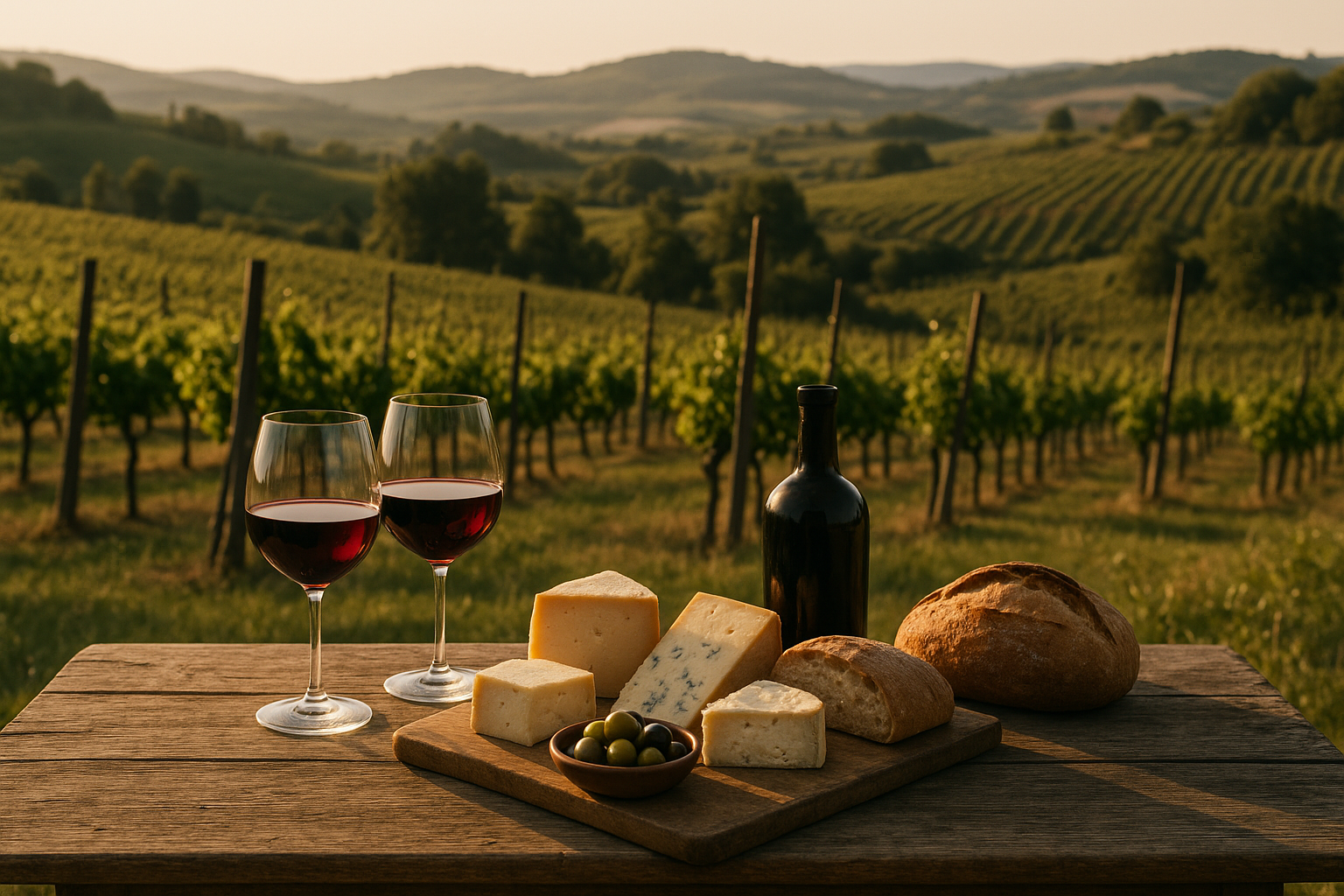
In Moldova the grape harvest begins in early September and the smell of fermenting grape juice follows tractors along country lanes; wine is not background here but an agricultural event that redirects labour and conversation for weeks.
How Moldova feels on a short trip
Distances are deceptive: a two‑hour drive can take you from Chișinău’s broad Soviet‑era boulevards to single‑track roads between fenced orchards and smallholdings; the country’s roughly 2.6 million people live in a low, human scale where towns dissolve into fields within a few kilometres.
Romanian is the official language and will get you most of the way, although Russian is commonly heard in cities and dominates daily life across the breakaway region of Transnistria.
Autumn here changes how people live
September to November is harvest season for grapes and also for apples and late vegetables; families stack jars of pickles and jams, and markets become noisy with buyers choosing fruit for winter preserving.
Cellar culture intensifies: household cellars and the famous subterranean storage under places like Cricova fill with new vintages, so you’ll encounter more invitations to taste in village kitchens than at restaurants.
Getting around and spending money in Moldova
Public transport works but is modest: marshrutka minibuses and regional trains link major towns, while rural routes run infrequently and expect to use taxis or car hire for anything off the main roads.
Cards are accepted in supermarkets and city cafés, but cash in Moldovan lei is how most small shops, markets and roadside sellers prefer to be paid; ATMs are common in Chișinău and district centres but sparse in smaller villages.
Eating in autumn: what you will actually be offered
Moldovan autumn food is about preservation and fat: hosts will offer plates of placinte, mămăligă with mushroom or pork stews, and jars of pickled vegetables; turning down a home‑made jar or a glass of local wine can be taken as impolite during harvest visits.
Quick 5
Moldova
Moldova
Moldova
Moldova
Moldova
Regions

Travel Requirements
What you need to enter Moldova, for the passport you hold.
Places of interest
Landscapes in Moldova
Travel Tips