
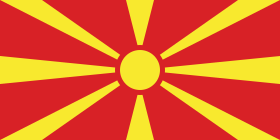
North Macedonia
Short description
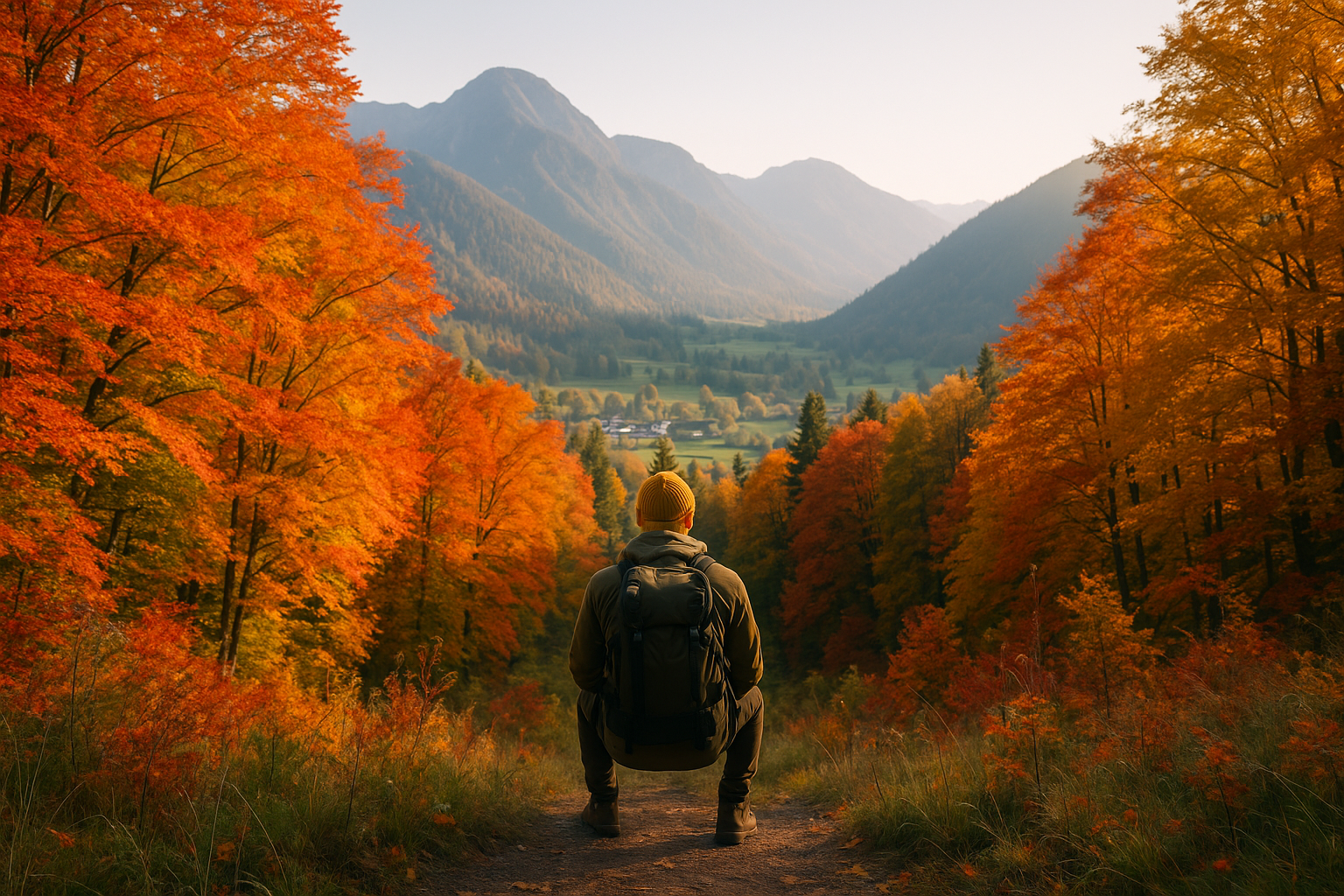
Autumn in North Macedonia: the smell of peppers and the grape harvest
You will first notice autumn in North Macedonia by the smoke from roasted red peppers — households across towns and villages spend September and October turning peppers into jars of ajvar for the winter.
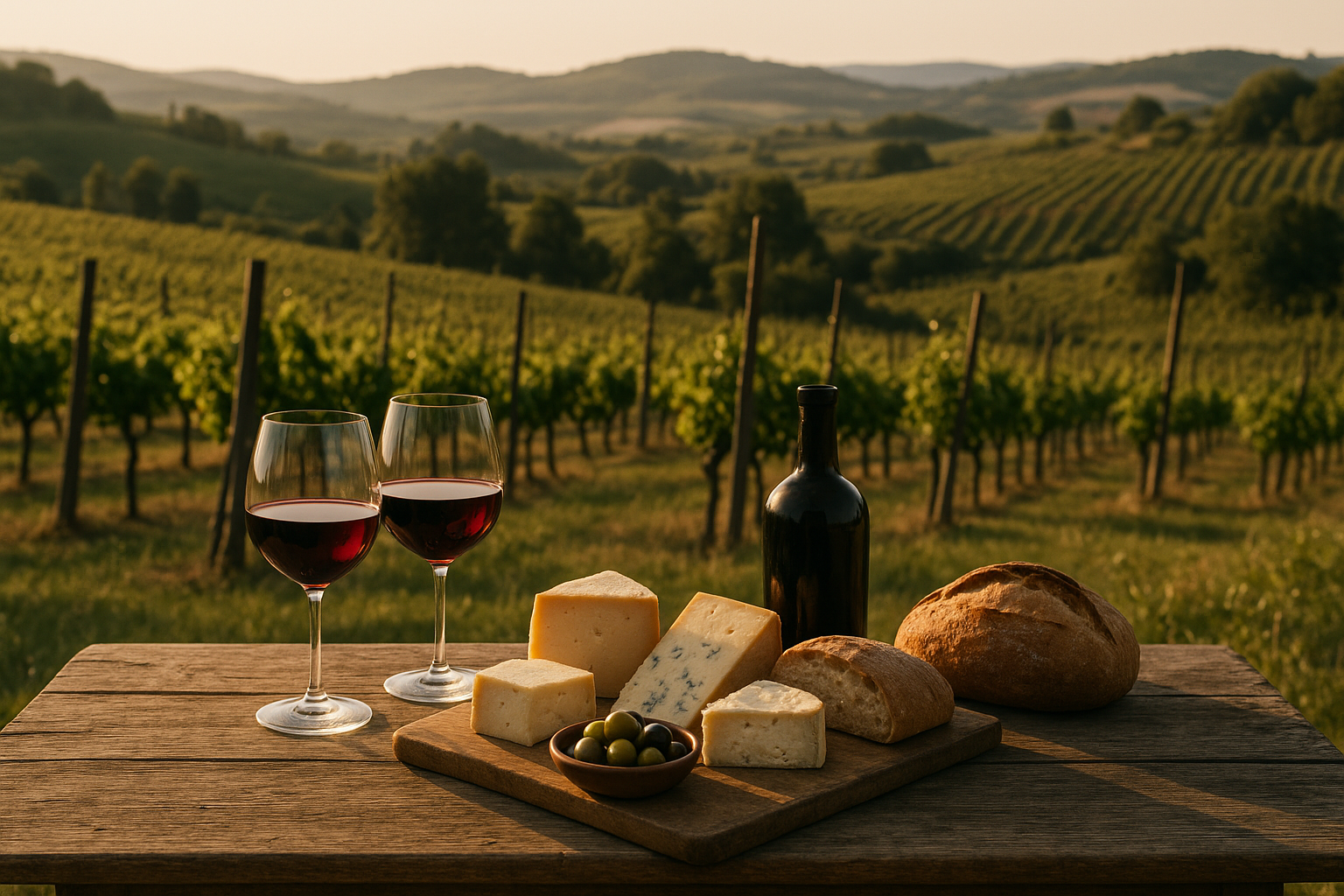
At the same time vineyards in the Tikveš and Povardarie regions are busy: late-September and October see grape sorting, family-run cellars open to buyers, and mobile tasting stalls by the roadside.
How the country moves when the leaves turn
Buses are the practical way to cover distances: the trip from Skopje to Ohrid takes roughly three hours on a good day, and services between regional centres run several times daily, while passenger trains are infrequent and much slower.
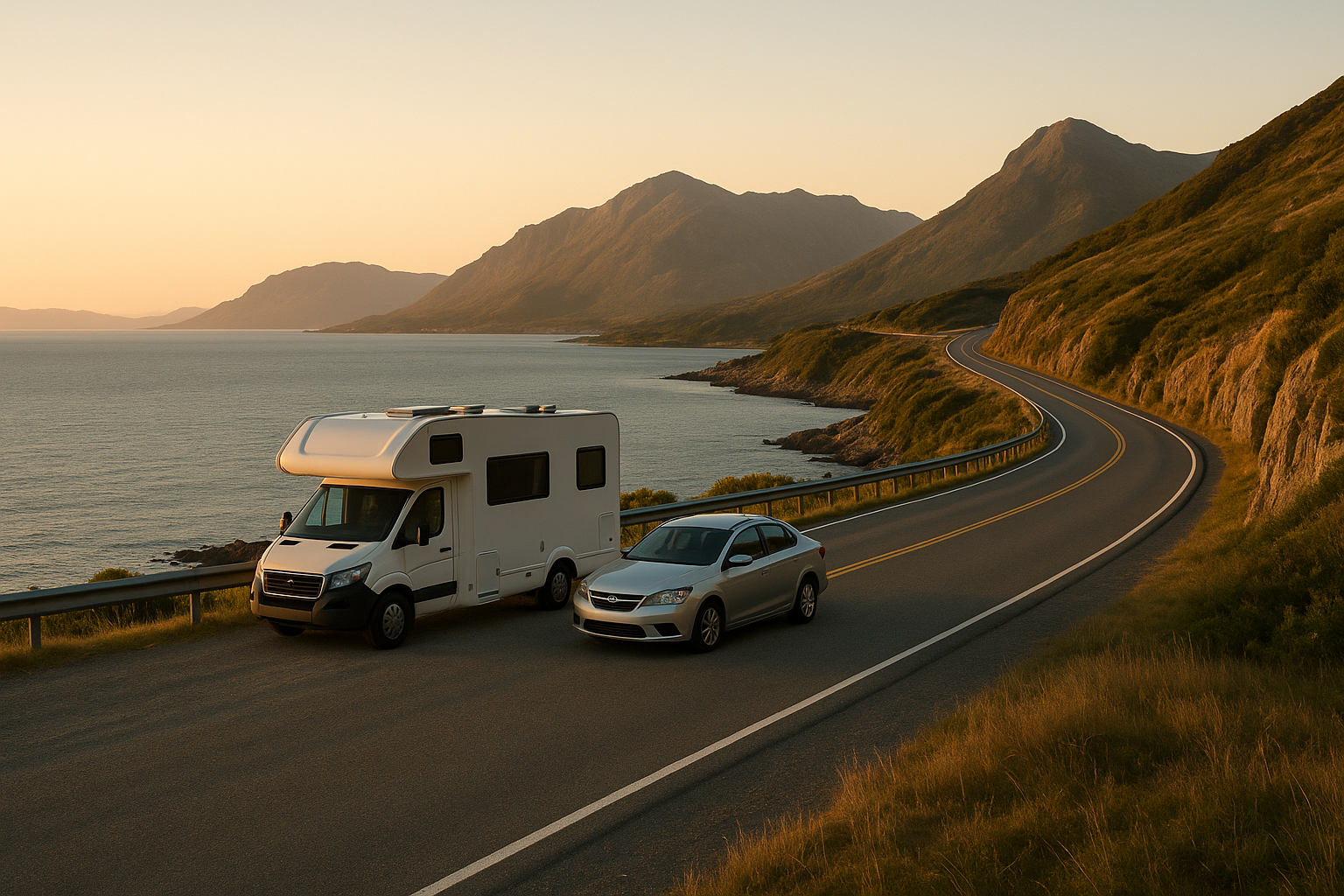
Renting a car gives more freedom for mountain passes — the road over the Šar range and the approach to Pelister can be wet, leafy and slower in November — and petrol stations are common on main routes but sparse in highland valleys.
Daily rhythms you’ll meet on arrival
Streets are marked in both Cyrillic and Latin scripts and using a few Macedonian phrases eases things: say "dobar den" for hello and "blagodaram" for thank you, and expect a firm handshake from strangers and a kiss on each cheek among friends and family.
Phone and data coverage is solid in towns; cash in denar remains king at green markets and village kafanas, though cards are usually accepted in Skopje cafés and larger restaurants.
Eating in autumn: jars, stews and late-night burek
Autumn menus lean into what’s been harvested: freshly jarred ajvar appears at every table, tavče gravče (baked beans) shows up as comfort food in mountain inns, and bakeries sell hot burek throughout the day and into the evening.
Expect offers of local rakija after a meal in a village, and wines from Tikveš featured on restaurant lists; markets such as Skopje’s Green Market fill with chestnuts, apples and peppers that locals buy by the kilo to preserve for winter.
Quick 5
North Macedonia
North Macedonia
North Macedonia
North Macedonia
North Macedonia
Regions

Travel Requirements
What you need to enter North Macedonia, for the passport you hold.
Places of interest
Landscapes in North Macedonia
Travel Tips