

Norway
Short description
Autumn over Norway's fjords and plateaus
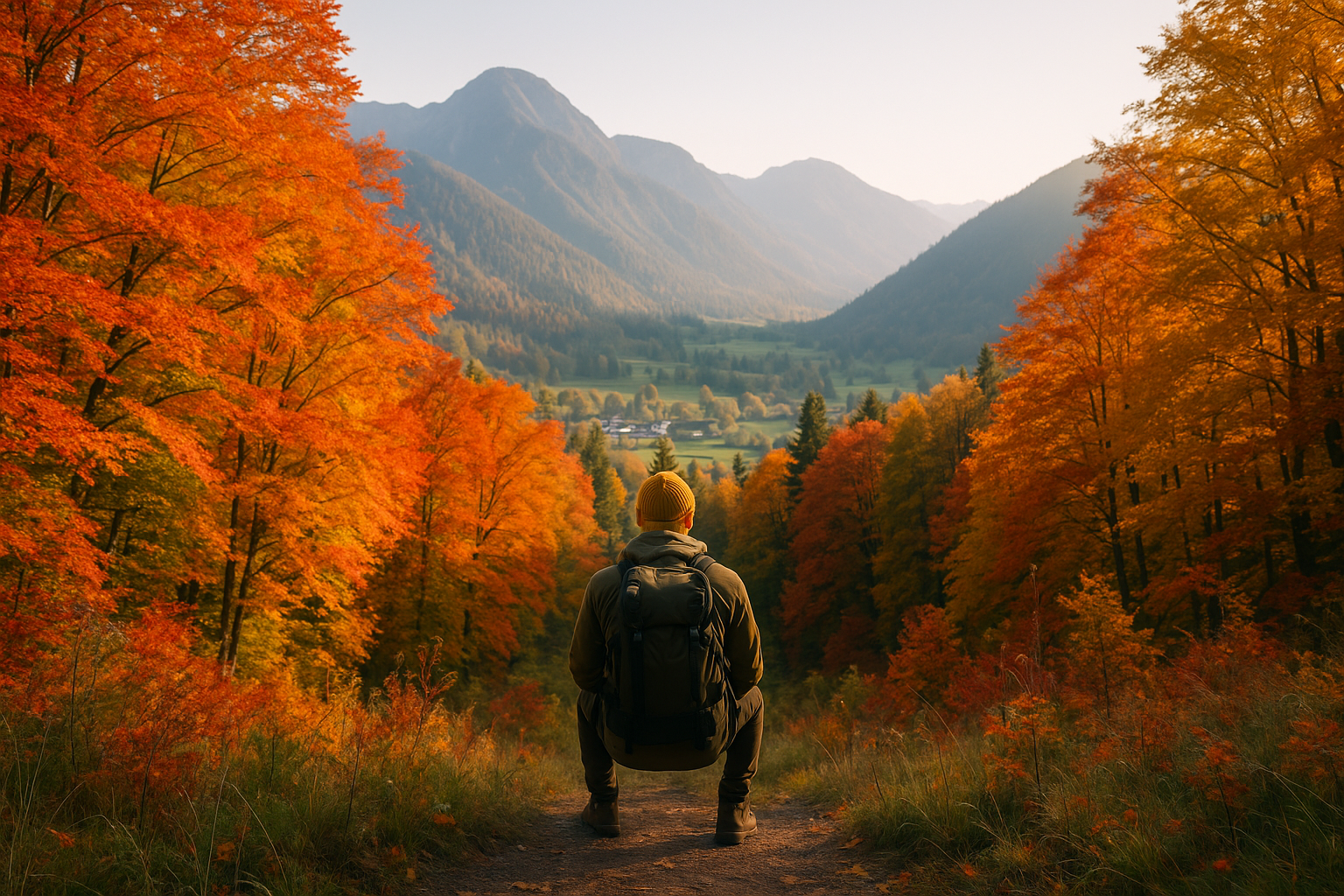
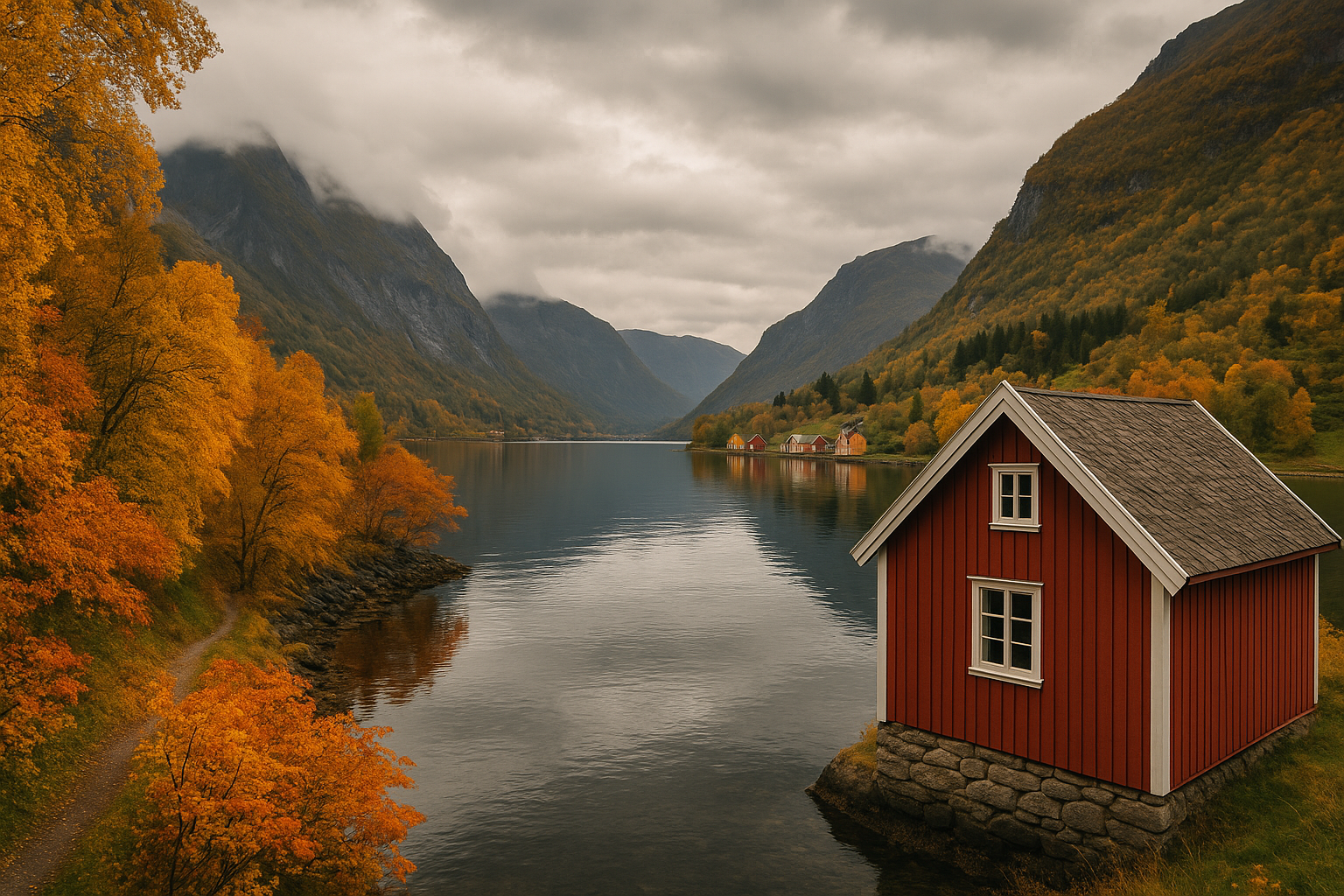
By September the birch and rowan along the western fjords flare to yellow and the smell of wood smoke starts to sit over harbours; that specific mix of sea air, wet stone and burning timber is a Norwegian autumn. Nights lengthen fast: in Tromsø the first aurora displays can arrive in late September, while Oslo will still have long dusks in September before November brings brief daylight and early streetlights. Visitor numbers thin on popular ferry routes and the coast feels quieter rather than empty.
How autumn changes travel in Norway
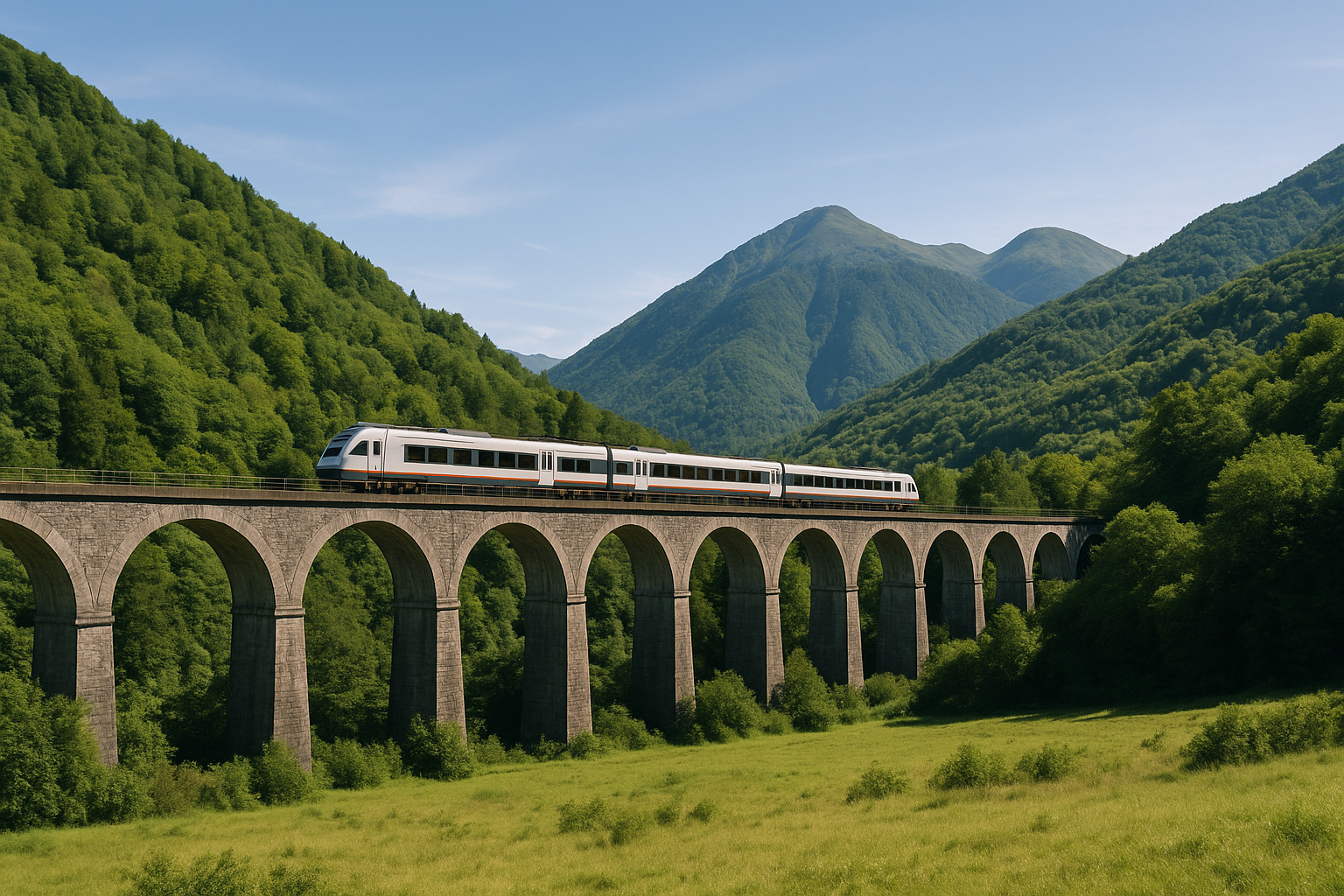
Long distances are the country's fact of life—train from Oslo to Bergen takes around half a day across the mountain plateau, and driving a few hundred kilometres can feel like a major trip because roads wind along fjord shores and cross ferries. The Hurtigruten coastal service switches out of high-season timetables and some summer-only ferries reduce runs. Card payments and the mobile app Vipps are the norm; you can get by in English almost anywhere, but a few remote places still prefer Norwegian.
Everyday rhythms, food and where people go
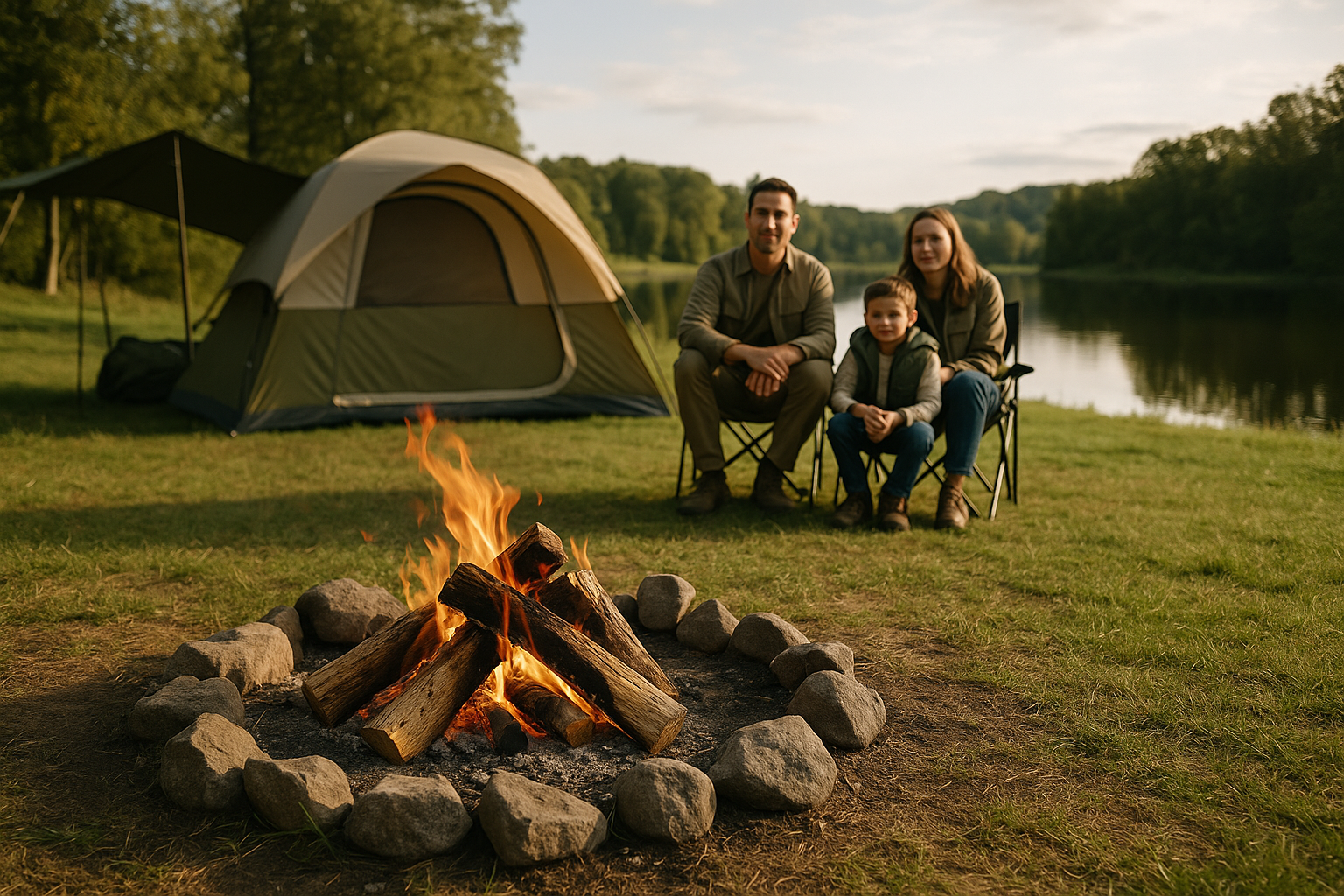
Autumn is hytte season: Norwegians spend weekends in cabins for mushroom and berry foraging under the protection of allemannsretten. Kitchens start serving fårikål and other sheep-and-cabbage dishes, and you may be invited to share a simple, late-afternoon kaffe and cake—mealtimes move earlier as evenings cool. Layers, a waterproof shell and sensible shoes are what locals wear; winter clothing appears in shops from October as demand rises.
What surprises visitors about Norway in autumn
People often expect only fjords and summer crowds, but autumn reveals working coastal towns, Sami reindeer activity in the north and an economy that runs on punctual ferries and freight as much as tourism. You’ll notice practical quiet—the polite queuing, restrained conversation, and few public tips—alongside unexpected colour in forests and a chance to see the northern lights while trains and ferries still run on normal schedules.
Quick 5
Norway
Norway
Norway
Norway
Norway
Regions

Travel Requirements
What you need to enter Norway, for the passport you hold.
Places of interest
Landscapes in Norway
Travel Tips