

Poland
Short description
How autumn unfolds in Poland
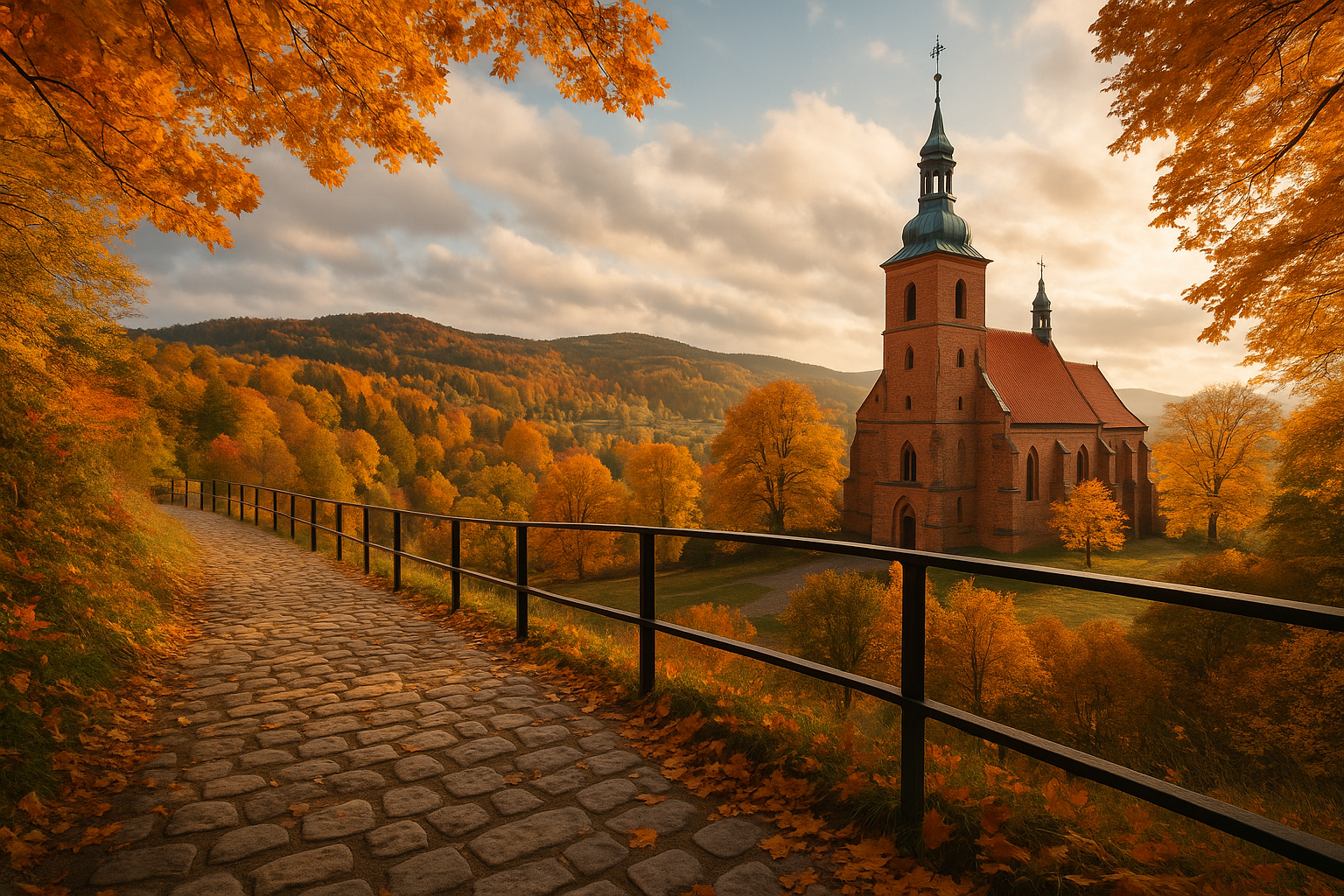
In Poland, September often arrives with apple harvests in the eastern orchards and the first morning frosts along the Tatra foothills, so the country feels halfway between harvest work and winter making preparations. Streets in cities and towns gather heaps of chestnuts and sycamore seeds; in late October you’ll see municipal teams clearing leaf piles from tram tracks in cities like Wrocław and Gdańsk. The rhythm is practical: farmers are busy with late crops, school terms restart in earnest, and cafés begin serving soups as standard menu items rather than extras.
What autumn actually does to Polish life
From September to November Poles shift into indoor routines—church attendance rises toward All Saints’ Day on November 1, when families travel to cemeteries and light candles on graves for a very visible and nationwide observance. Markets fill with jars of preserved mushrooms and jars of pickled cucumbers, because mushroom foraging is still a common weekend activity across forests in Lesser Poland and Podlasie. Evenings shorten rapidly; by November many towns switch on long rows of street lamps and shop window lighting that puncture the early dark.
How to move around Poland in the autumn
Long-distance rail is the practical backbone: PKP Intercity runs frequent services between major cities, and regional trains connect smaller towns though timetables thin on Sundays due to trading rules and local schedules. In cities, trams and buses keep to winter timetables by late October; renting a car makes sense for lake districts and forested areas where buses are infrequent. Expect to use PLN for small market purchases; cards work in most restaurants and hotels, but cash is still handy at rural stalls and family-run guesthouses.
Eating autumn in Poland
Autumn menus lean into what’s just been gathered: mushroom sauces, big portions of roasted roots, and soups such as żurek or beetroot barszcz. Pierogi appear with seasonal fillings—wild mushrooms, sauerkraut and potato—and street stalls sell hot grilled sausages on chilly evenings. When a Polish host offers you food in autumn, it’s often from a recent batch of preserves or a slow-cooked pot, and refusing feels more awkward than accepting a generous spoonful.
Quick 5
Kraków
Zakopane
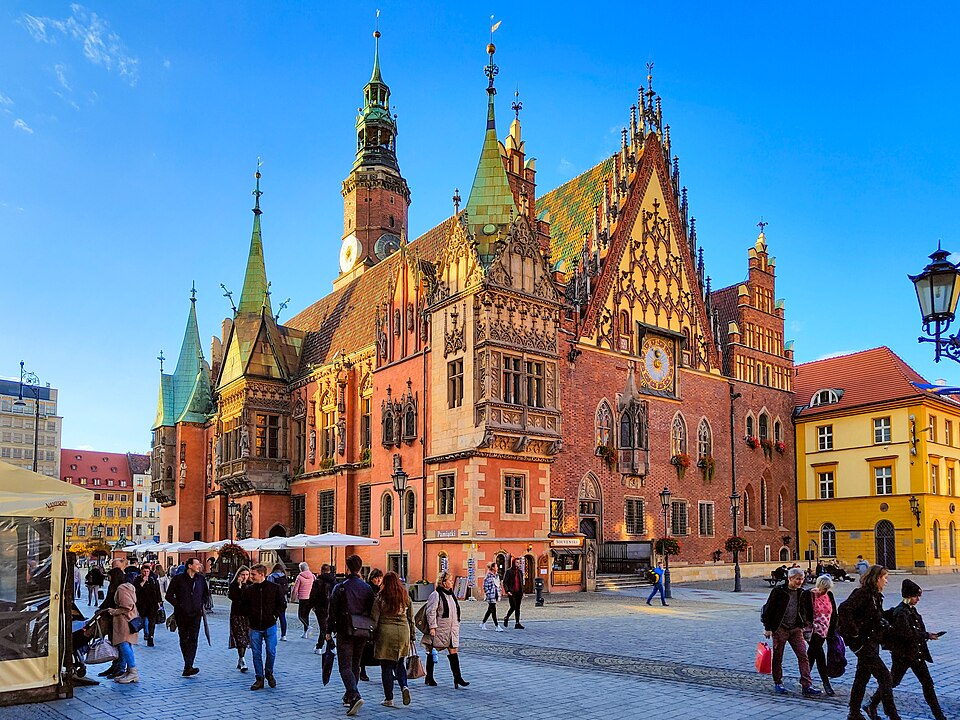
Gdańsk
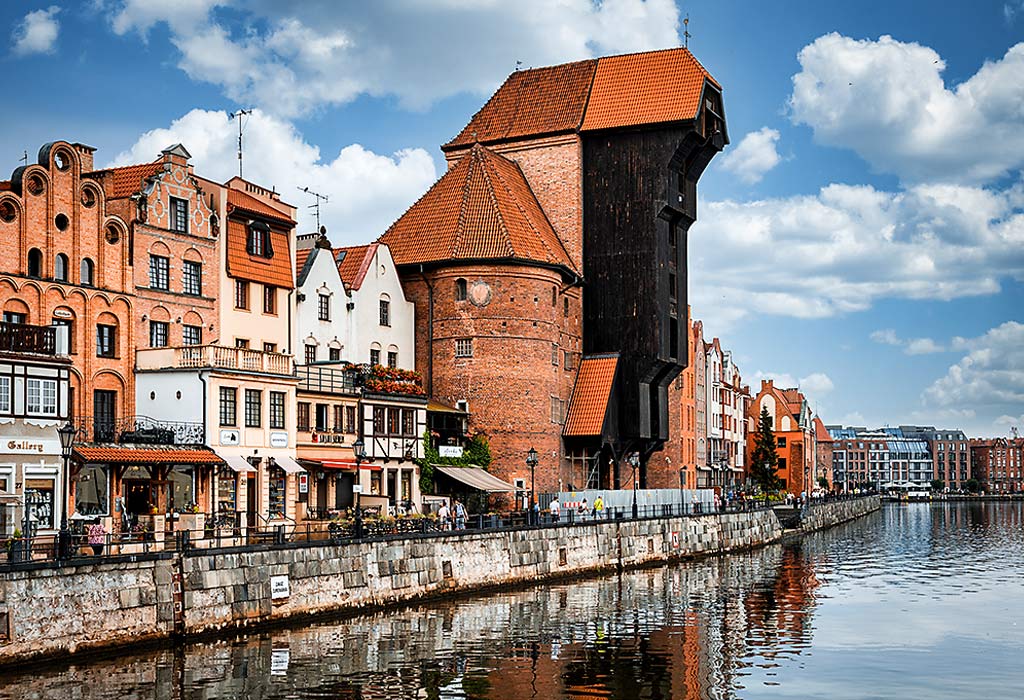
Polish Mountains
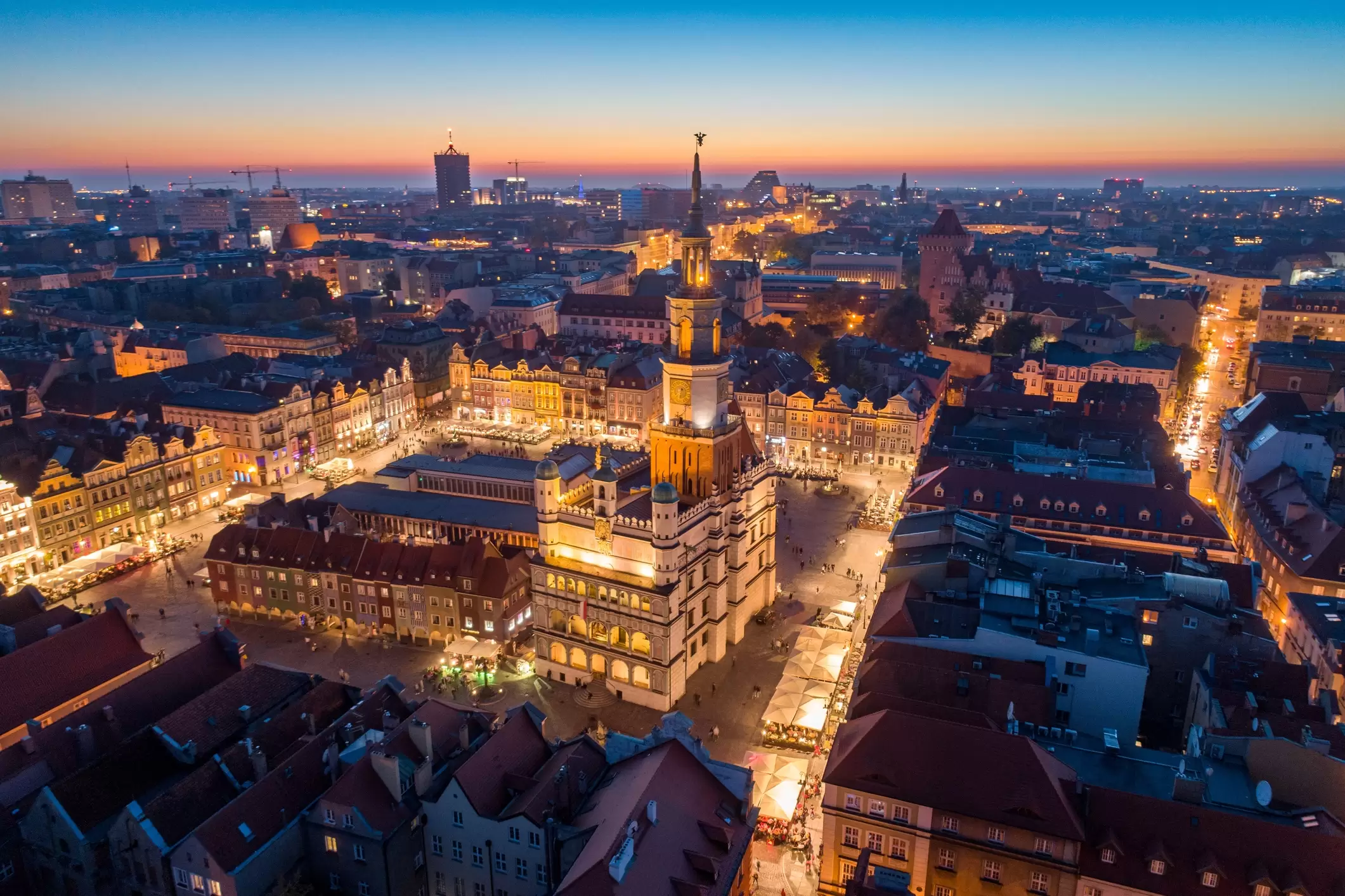
Warsaw
Regions

Travel Requirements
What you need to enter Poland, for the passport you hold.
Places of interest
Landscapes in Poland
morskie OKo
Travel Tips