

Portugal
Short description
How Portugal moves in autumn
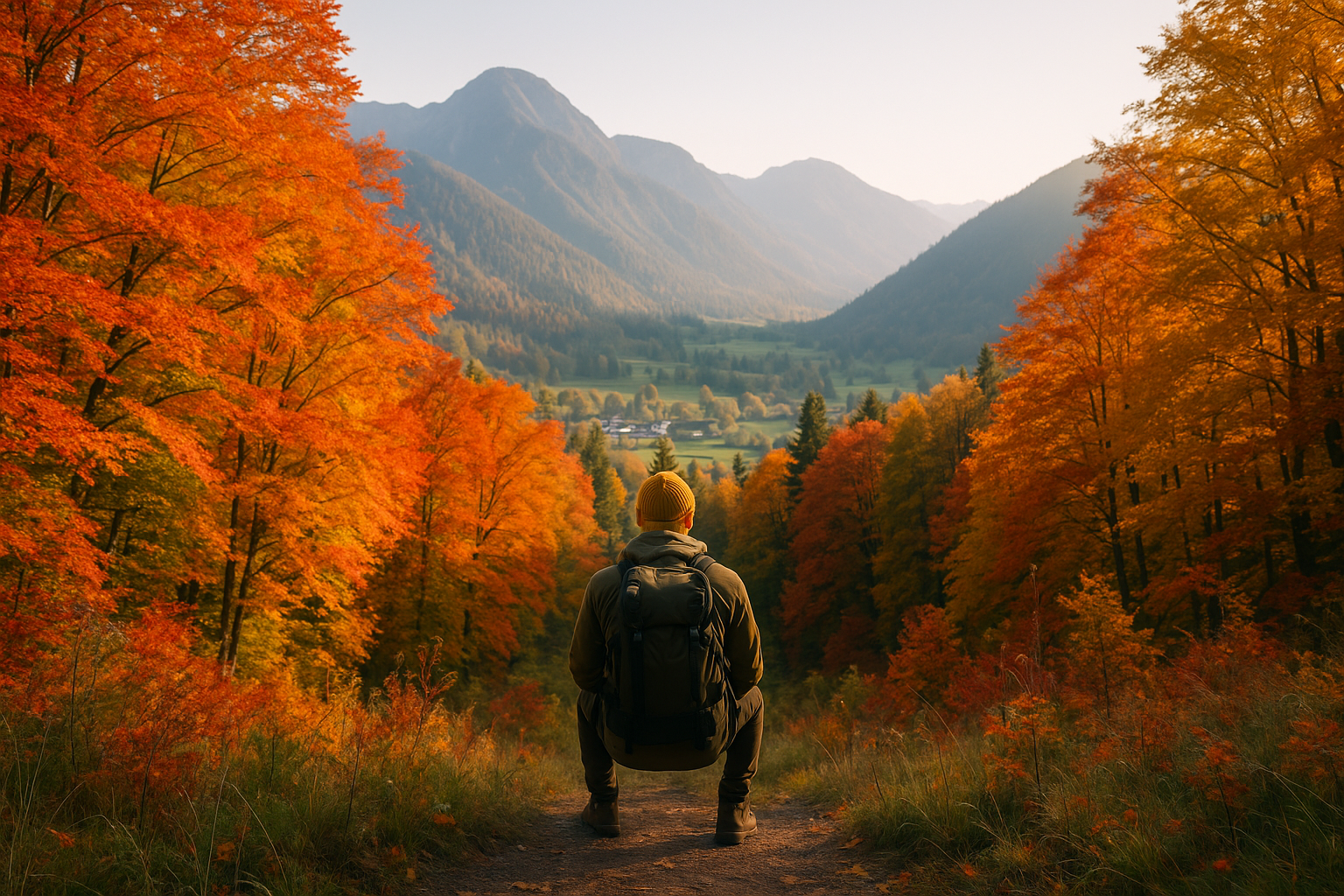
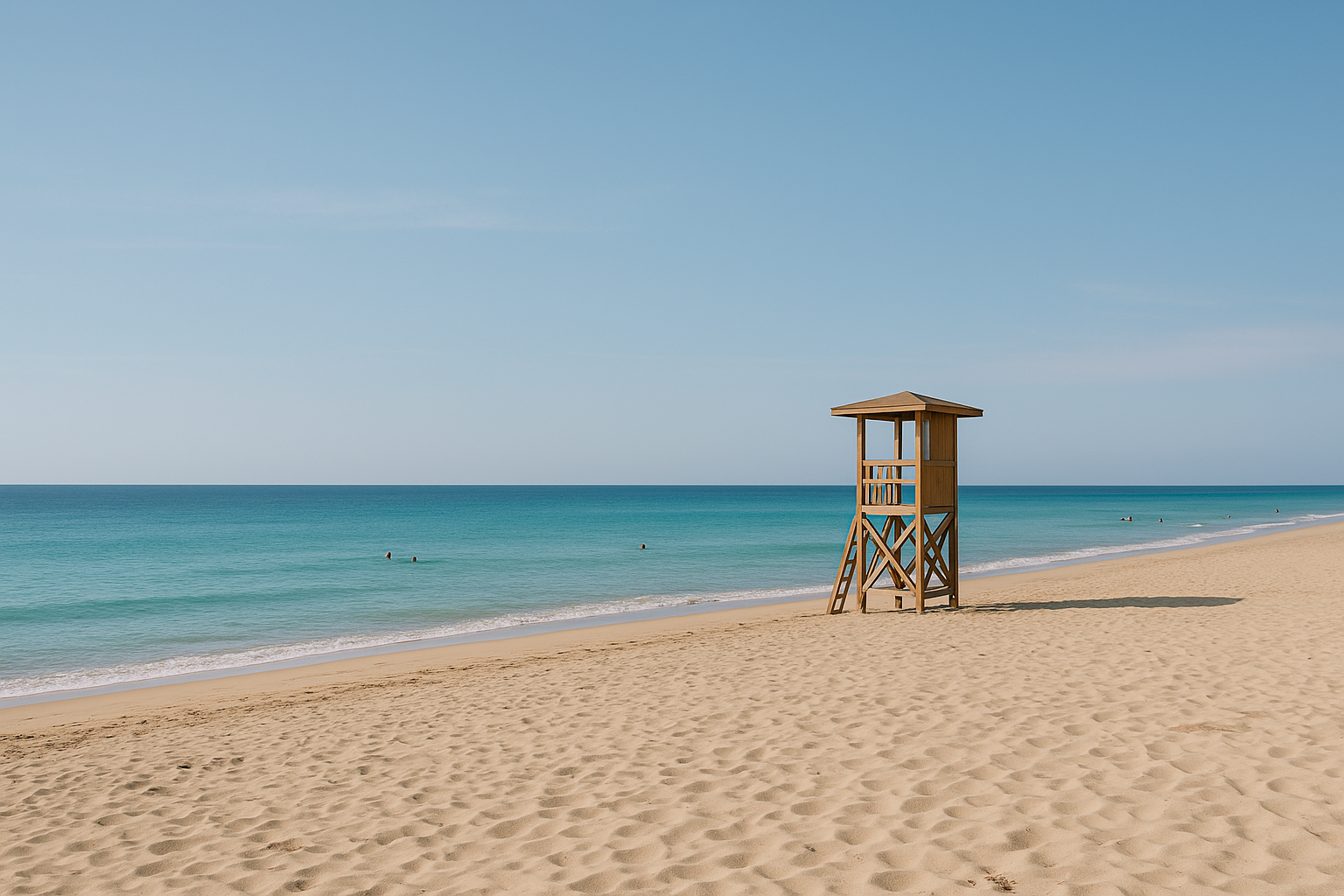
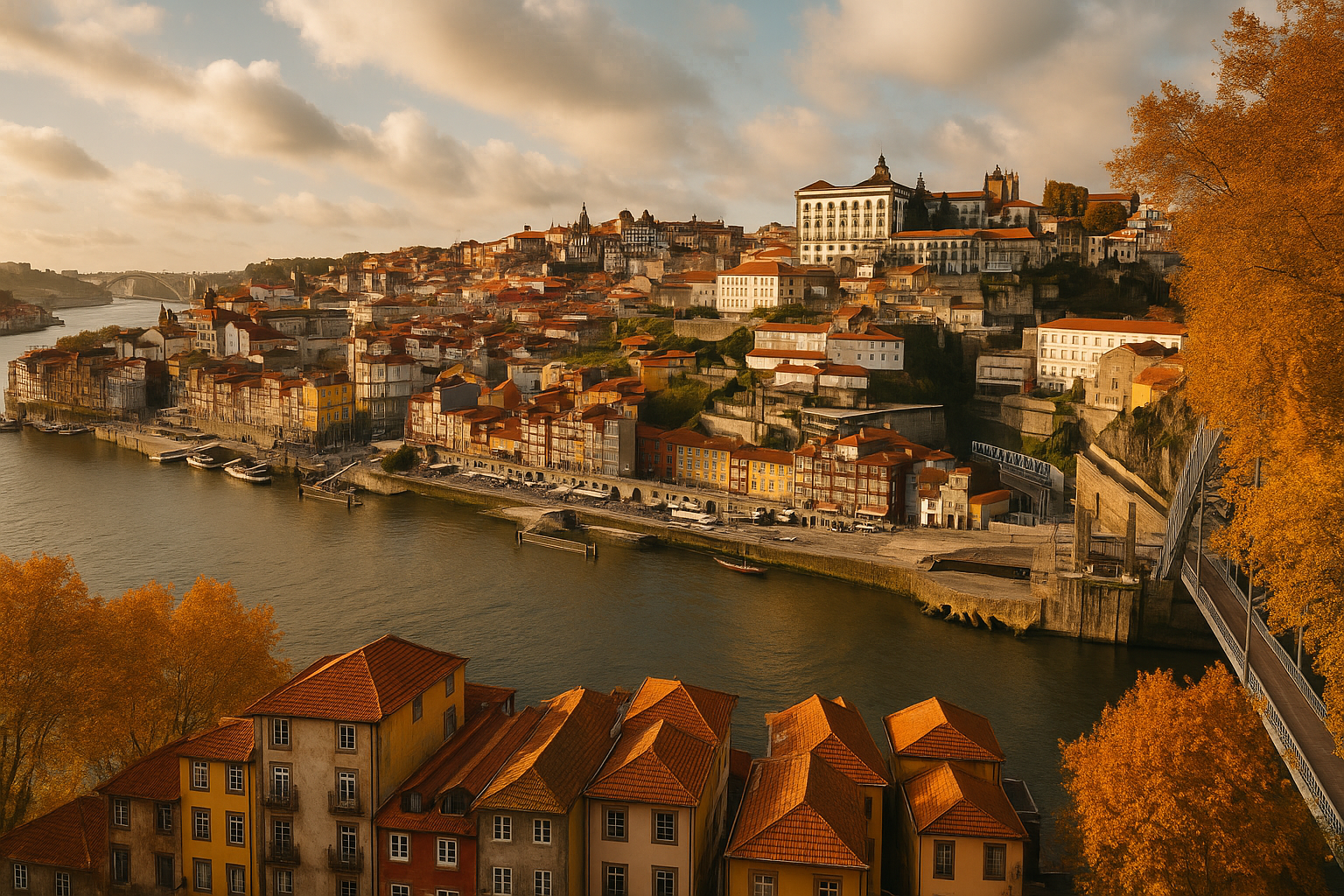
Autumn in Portugal is when the Douro terraces flush orange, chestnuts appear at market stalls and the first stamps of rain arrive from the Atlantic; the country's scale makes those changes visible within a day's travel. Coastal towns feel calmer after August—Algarve beaches empty of lounger rows and Lisbon's tram 28 runs under a thinner, cooler light—while the north keeps a brisker, wetter mood as vineyards finish pressing for port. The pace is smaller, with days that shorten quickly and sunlight that favours late-afternoon windows and tiled facades.
What autumn does to food and local rituals in Portugal
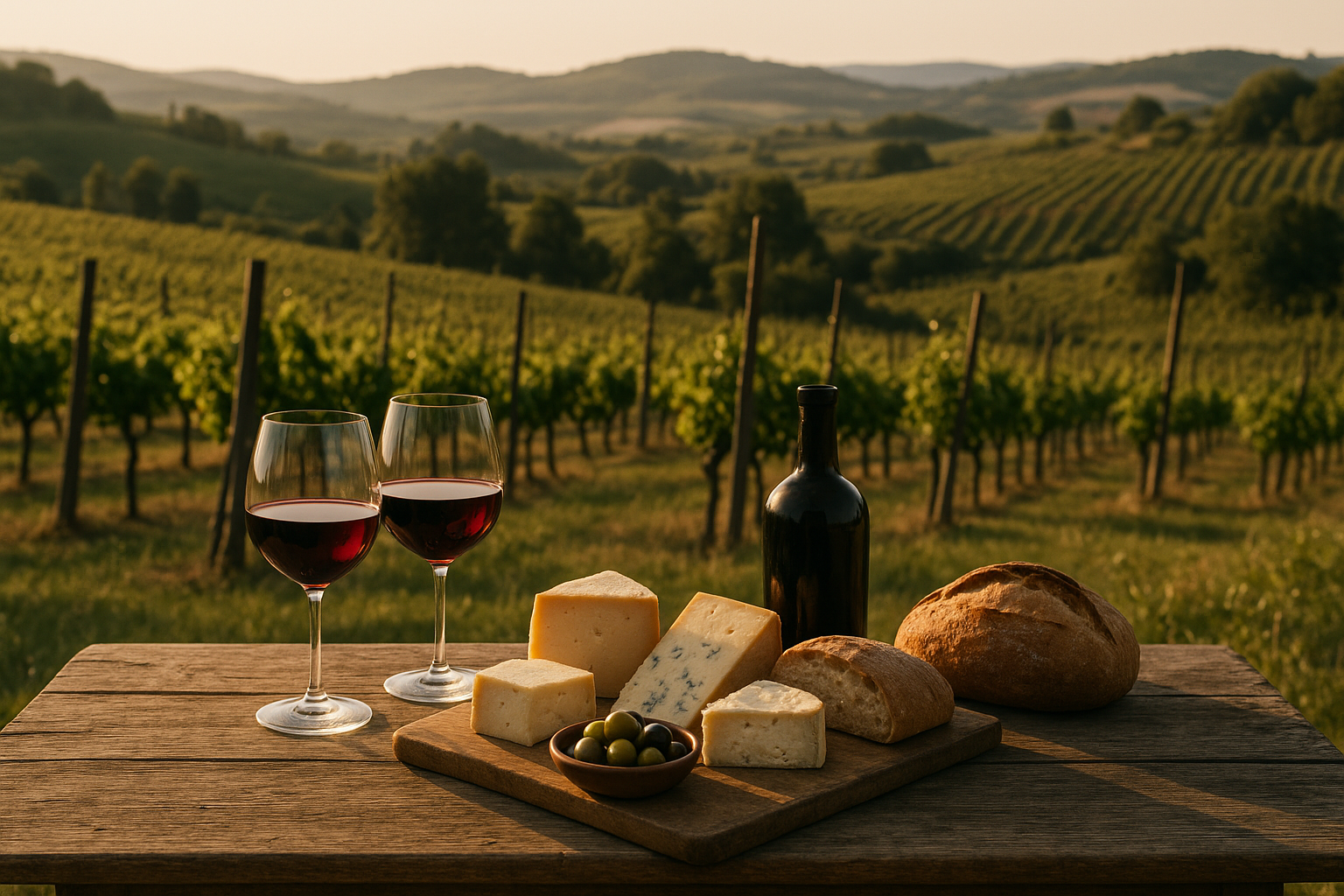
This is chestnut and new-wine season: street vendors roast castanhas, cafes add caldo verde to their short menus and taverns pour recent colheita samples in the Douro and Porto wine lodges. Restaurants that expanded for tourists in summer scale back to neighbourhood crowds; midweek tables in Lisbon or Porto are easier to find, and pastelarias still serve pastéis de nata warm from the oven. In November you can encounter magusto gatherings—small community events centred on roasting chestnuts and tasting local vinho novo.
How travel around Portugal actually works after the rush
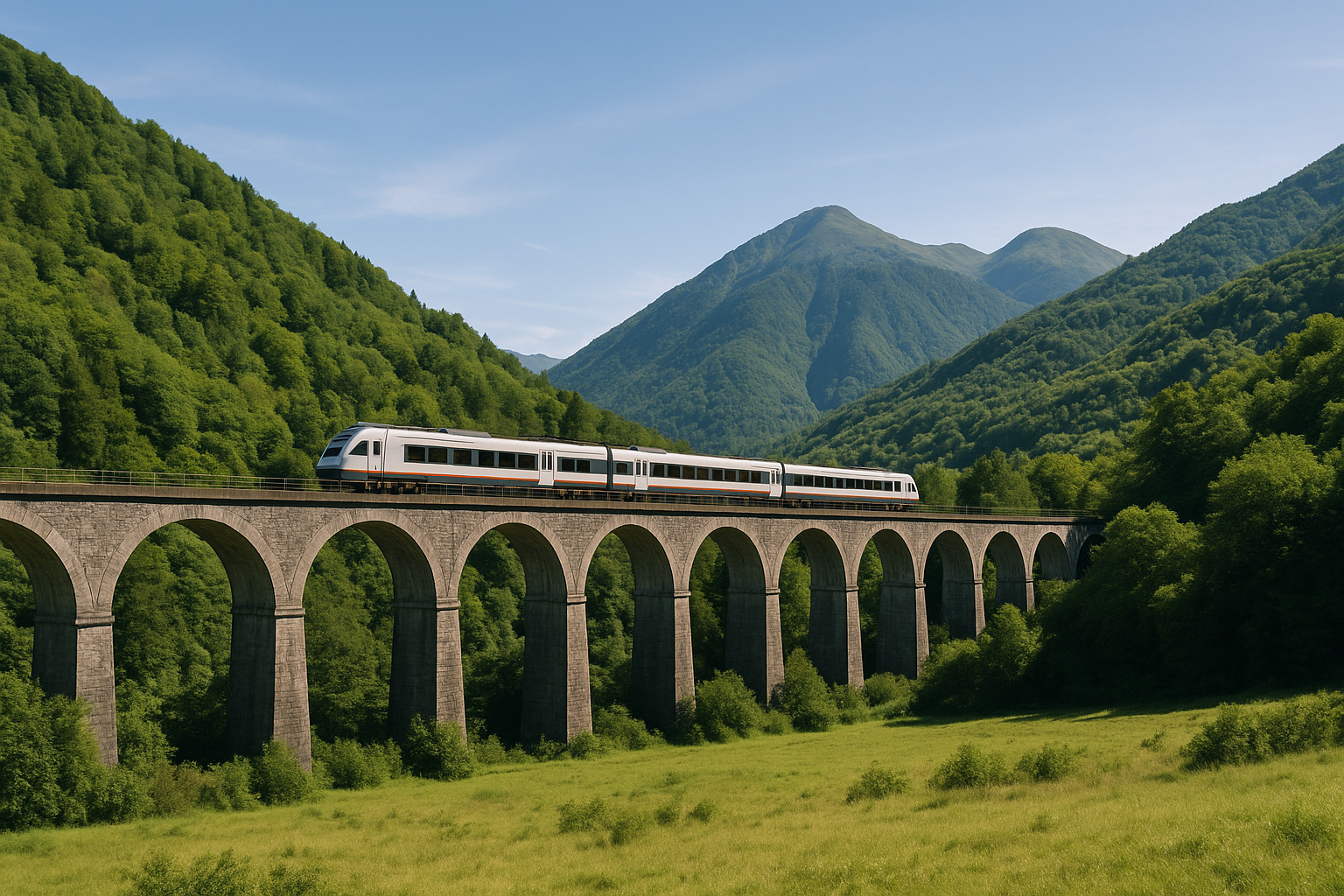
Distances are deceptive: the Atlantic coast compresses long vistas into short drives, and intercity Alfa Pendular trains link Lisbon and Porto in a few hours, while regional services and Rede Expressos coaches stitch smaller towns into the network. In autumn ferry services to some Atlantic islands and seasonal boat tours reduce frequency, so check timetables; car hire remains useful for Alentejo and inland Douro roads where public transport thins. Credit and contactless cards work in most urban cafes and hotels, but small village shops and markets still prefer cash—carry a few euros in pockets when leaving cities.
Manners, language and the surprises visitors notice
Portuguese is everywhere on signs and menus; English eases transactions in tourist areas, but using a few words—bom dia, obrigado—settles many first conversations. Dinner hours lean late: local restaurants commonly begin filling after 20:00. Tipping is modest and practical—rounding up or leaving 5–10% for attentive service—while public familiarity with fado means quieter streets near Alfama at night when music sessions are on. Many travellers are surprised that Portugal’s autumn feels like a series of small regional seasons—the Douro harvesting one week, the southern coast cooling the next—so plan time for a couple of areas rather than trying to cover the whole country.
Quick 5
Portugal
Lisbon
Portugal
Portugal
Portugal
Regions

Travel Requirements
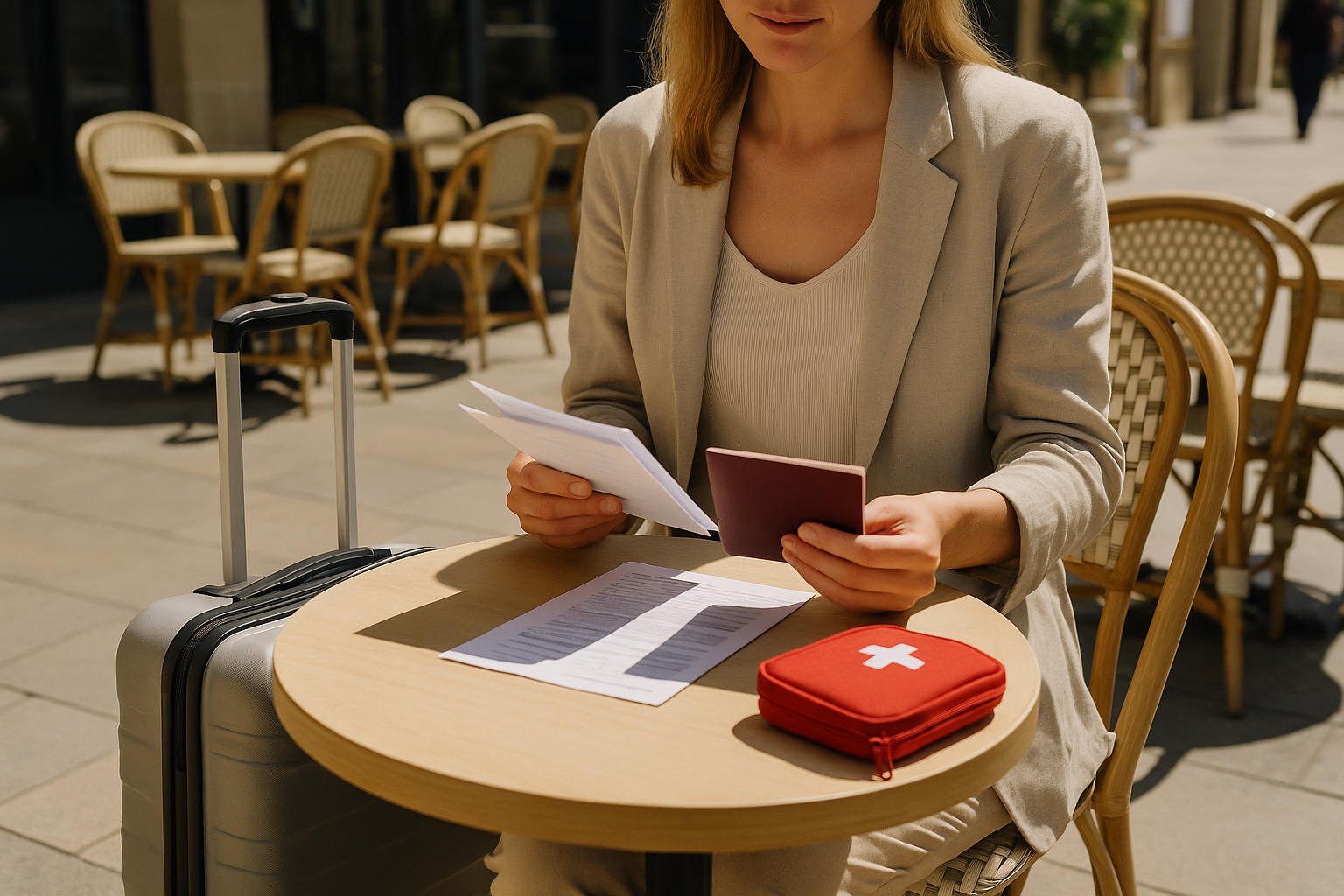
What you need to enter Portugal, for the passport you hold.
Places of interest
Landscapes in Portugal
Travel Tips