

Romania
Short description
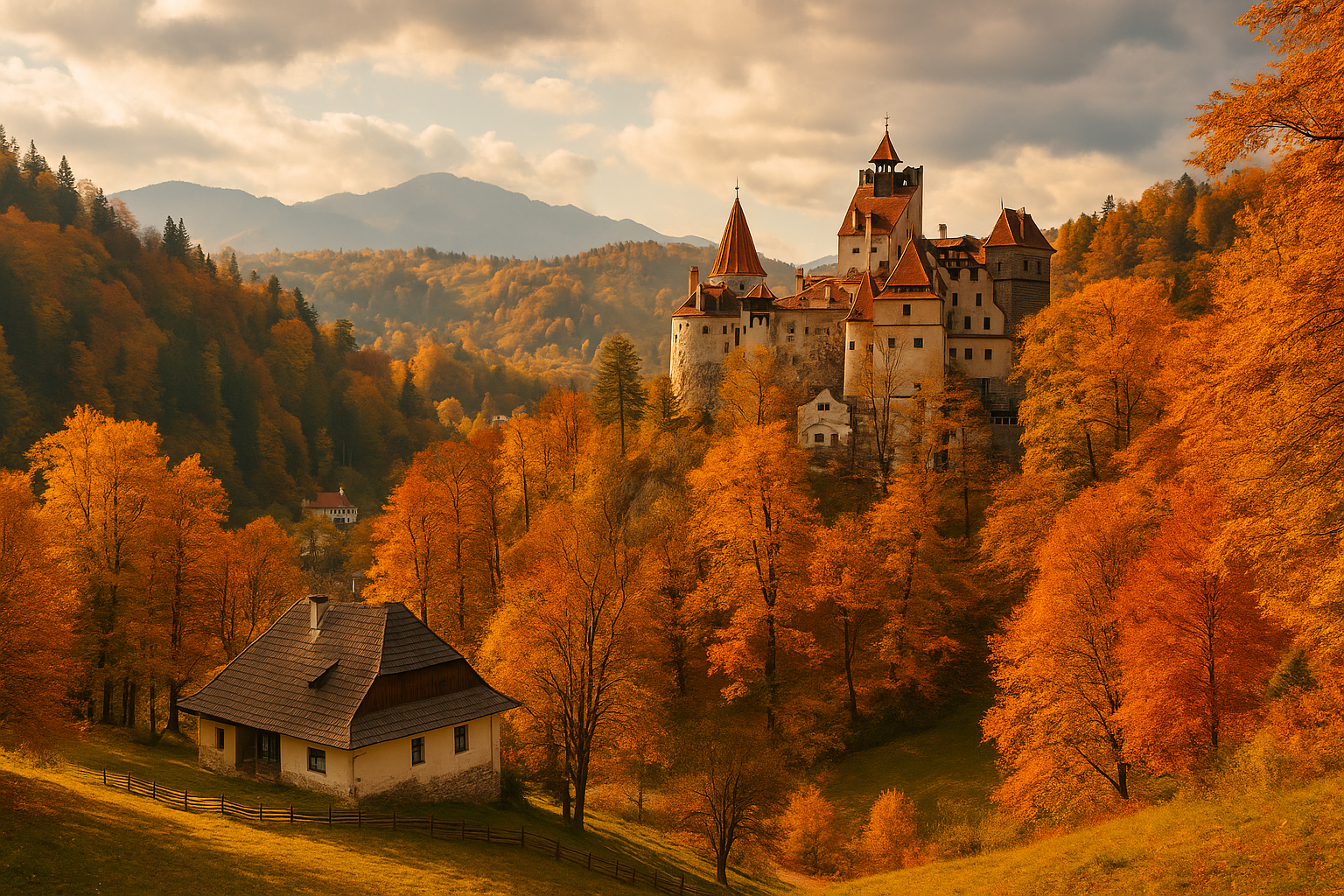
Autumn in Romania: what the season does here
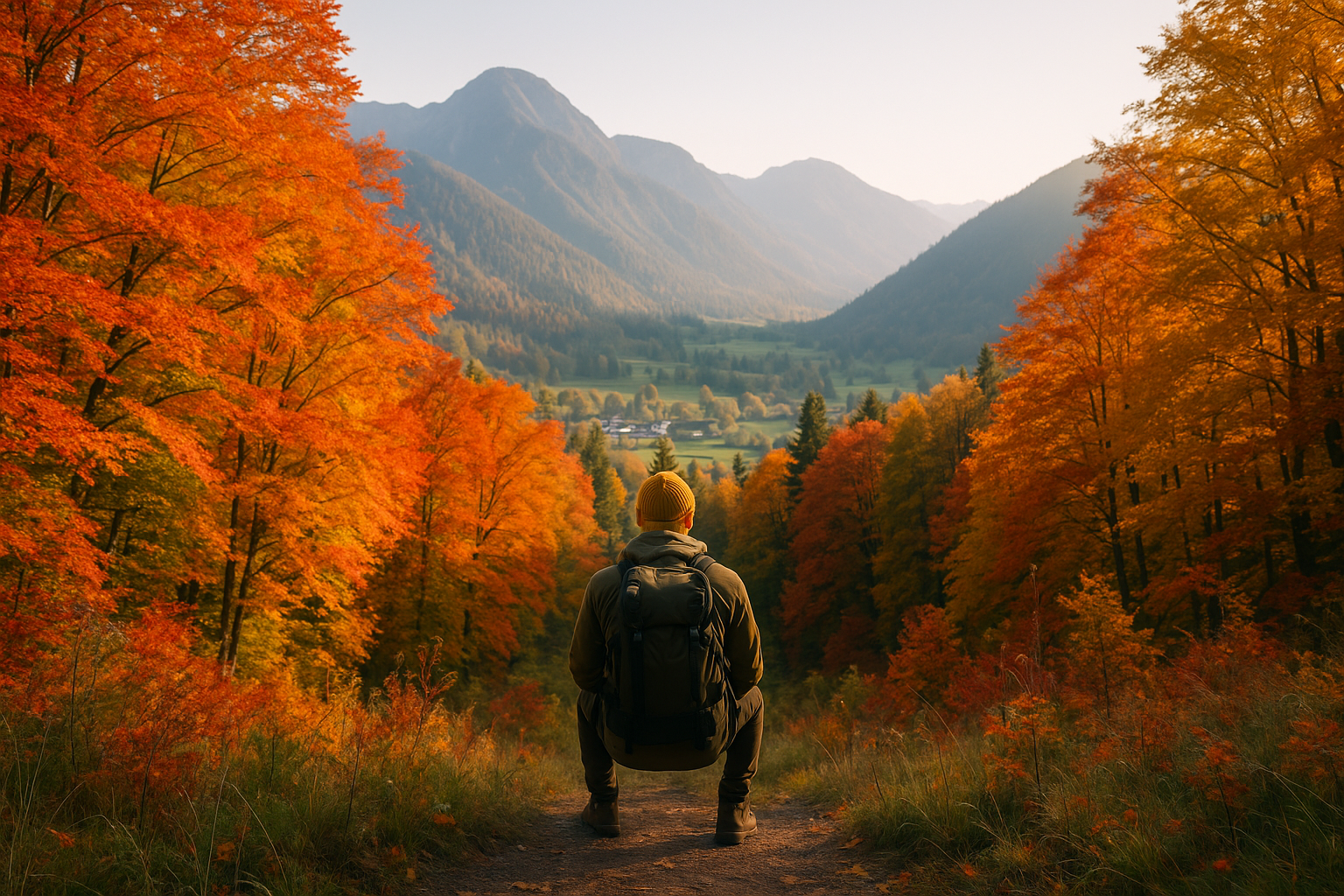
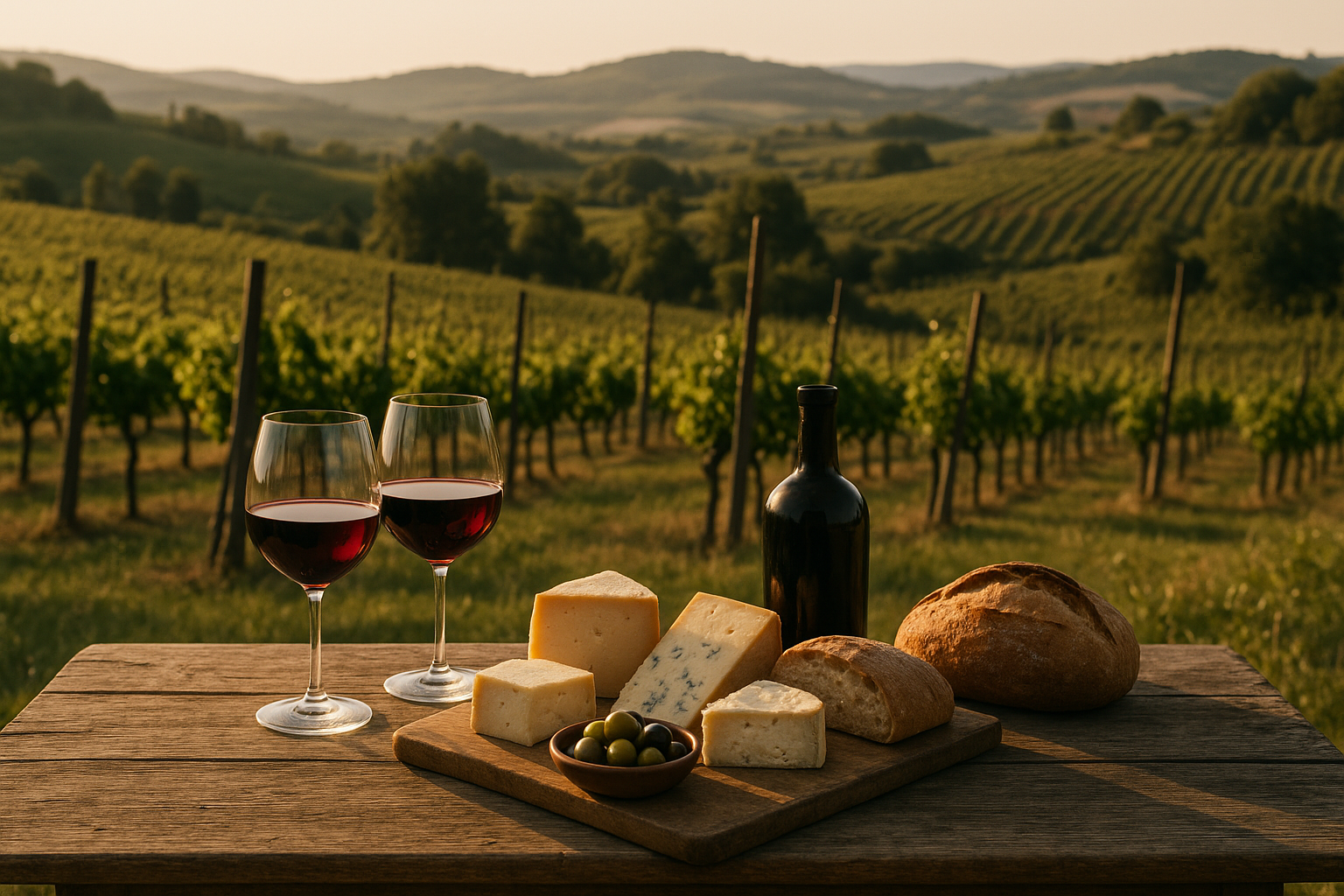
In September to November the Carpathian foothills and villages of Transylvania rearrange their calendar around grape harvests, chestnut sellers and mushroom foragers returning to market with plastic crates of ceps and boletus. Vineyards colour from green to russet and cellar doors open for new wine tastings; higher mountain roads often begin closing after the first snows in October, so the landscape you meet in late autumn is a mix of harvest activity in the valleys and empty, frost-yellow pastures above.
How Romania moves in autumn
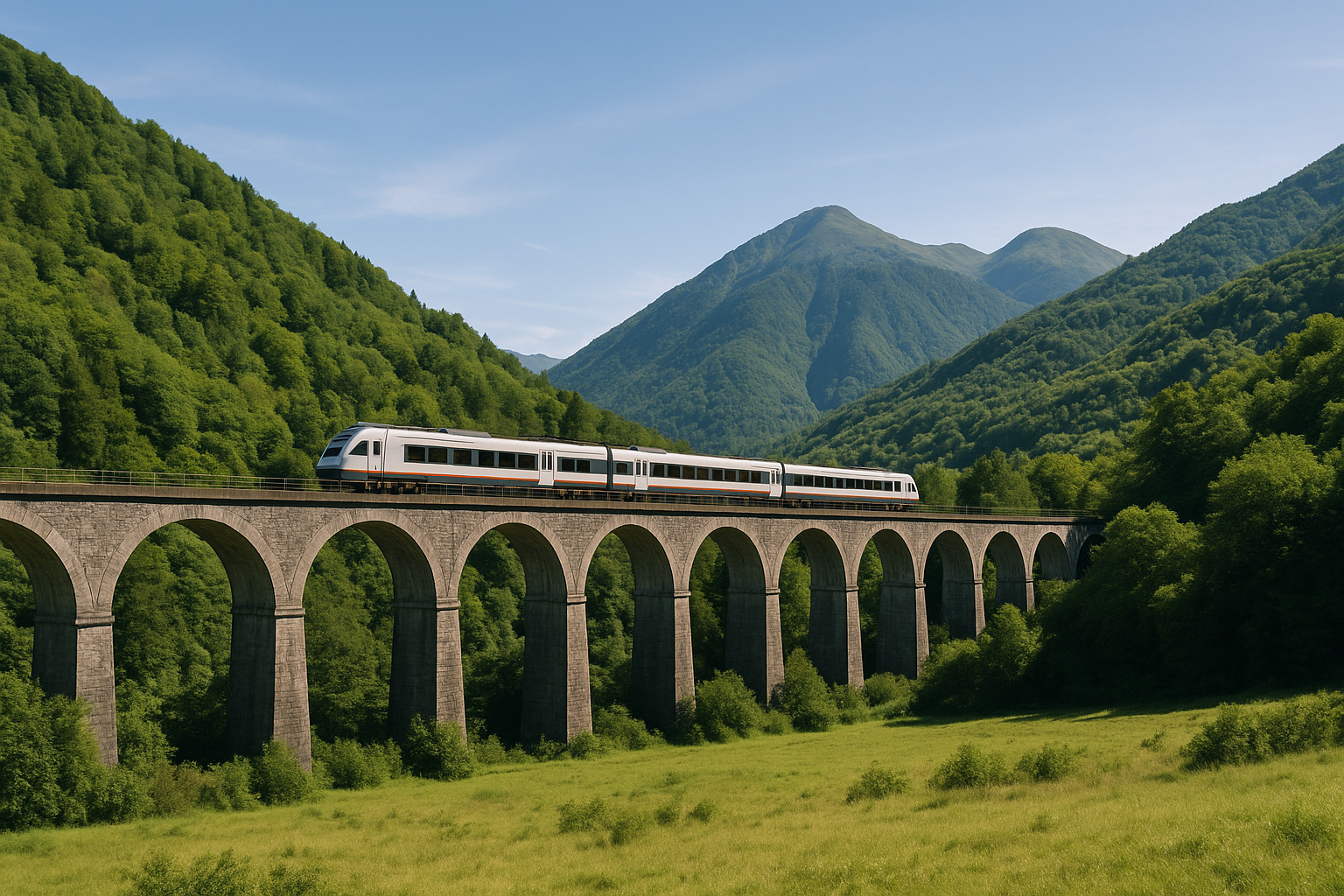
Distances look short on a map but take longer on the ground: a 200–300 km drive can be a full day if you follow secondary Transylvanian roads that wind through villages and forests. Romania’s national rail operator, CFR, runs InterRegio and regional services that are slow but useful between major towns; expect punctuality to vary. Domestic flights connect Bucharest to Constanța and some regional cities, but many people still travel by car. Cash (Romanian leu) remains handy outside cities; urban cafés and hotels usually take cards. Mobile coverage and internet are reliable in towns and along main roads, patchy in the Danube Delta and some high valleys.
Everyday manners you’ll meet
Start with a handshake and a polite title for older strangers—Domnul or Doamna plus a surname shows basic respect. Church life follows the Orthodox calendar, and Sundays or religious feast days can close small shops; village life still orbits the parish in many places. Mealtimes skew later than in some neighbours: lunch around 1–3pm, dinner from 7pm onward. Tipping of about 10% in restaurants is normal; rounding up fares for taxis is common. In Hungarian-speaking areas of Transylvania you’ll often hear Hungarian as well as Romanian; English is widespread in Bucharest and tourist towns but less so in rural areas.
Autumn on the plate
Autumn brings smoked pork, jars of pickles and plum brandy (țuică) on village tables, and street stalls selling roasted chestnuts. You’ll be offered sarmale and hearty mămăligă in homes and simple roadside inns; try mici at a late-evening beer stop if you want something local and casual. Meals in autumn feel seasonal and home-preserved—expect generous portions, family-style service in villages, and invitations to taste before you order.
Quick 5
Romania
Romania
Romania
Romania
Romania
Regions

Travel Requirements
What you need to enter Romania, for the passport you hold.
Places of interest
Landscapes in Romania
Travel Tips