

Russia
Short description
October in Russia feels like a change of timetables
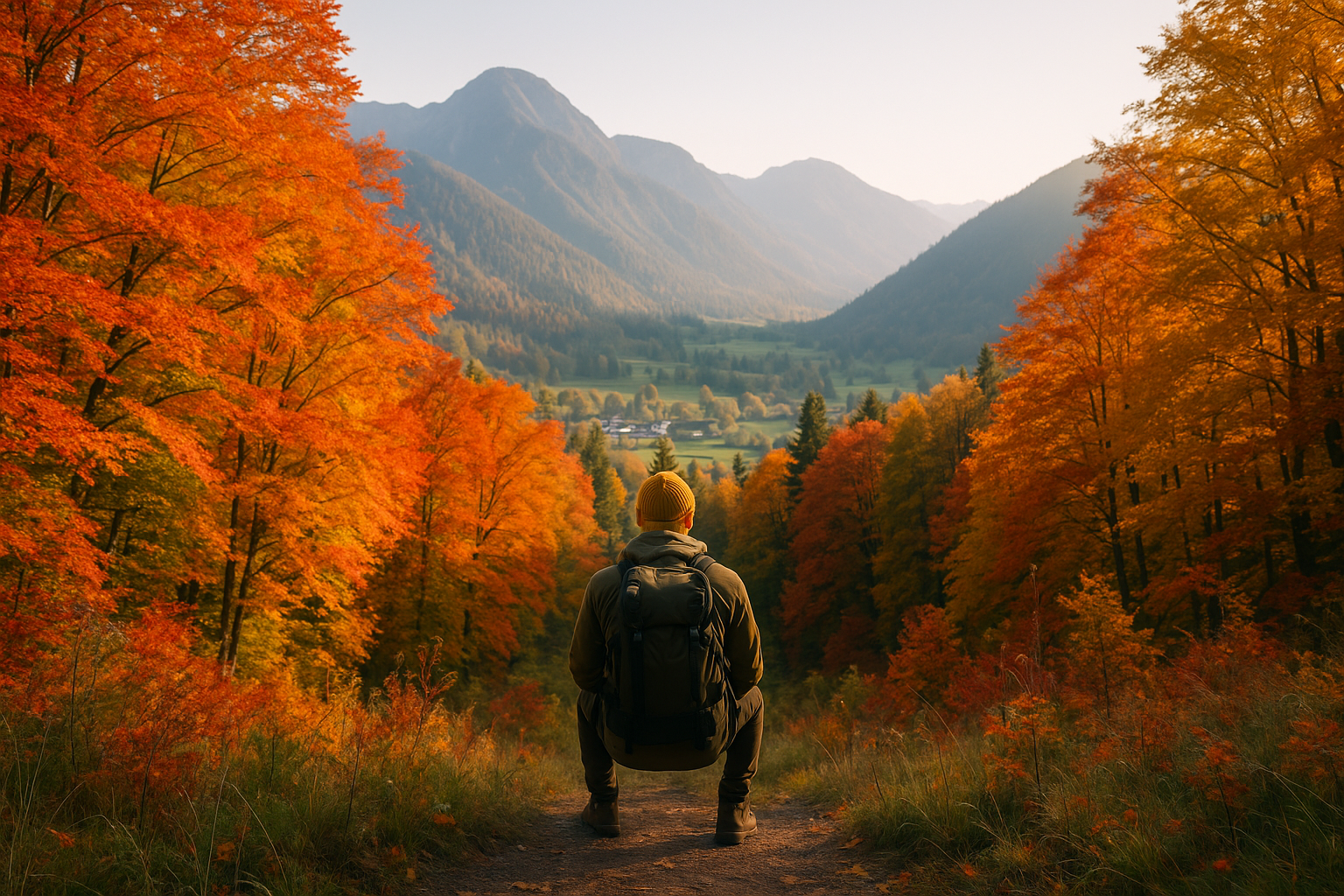
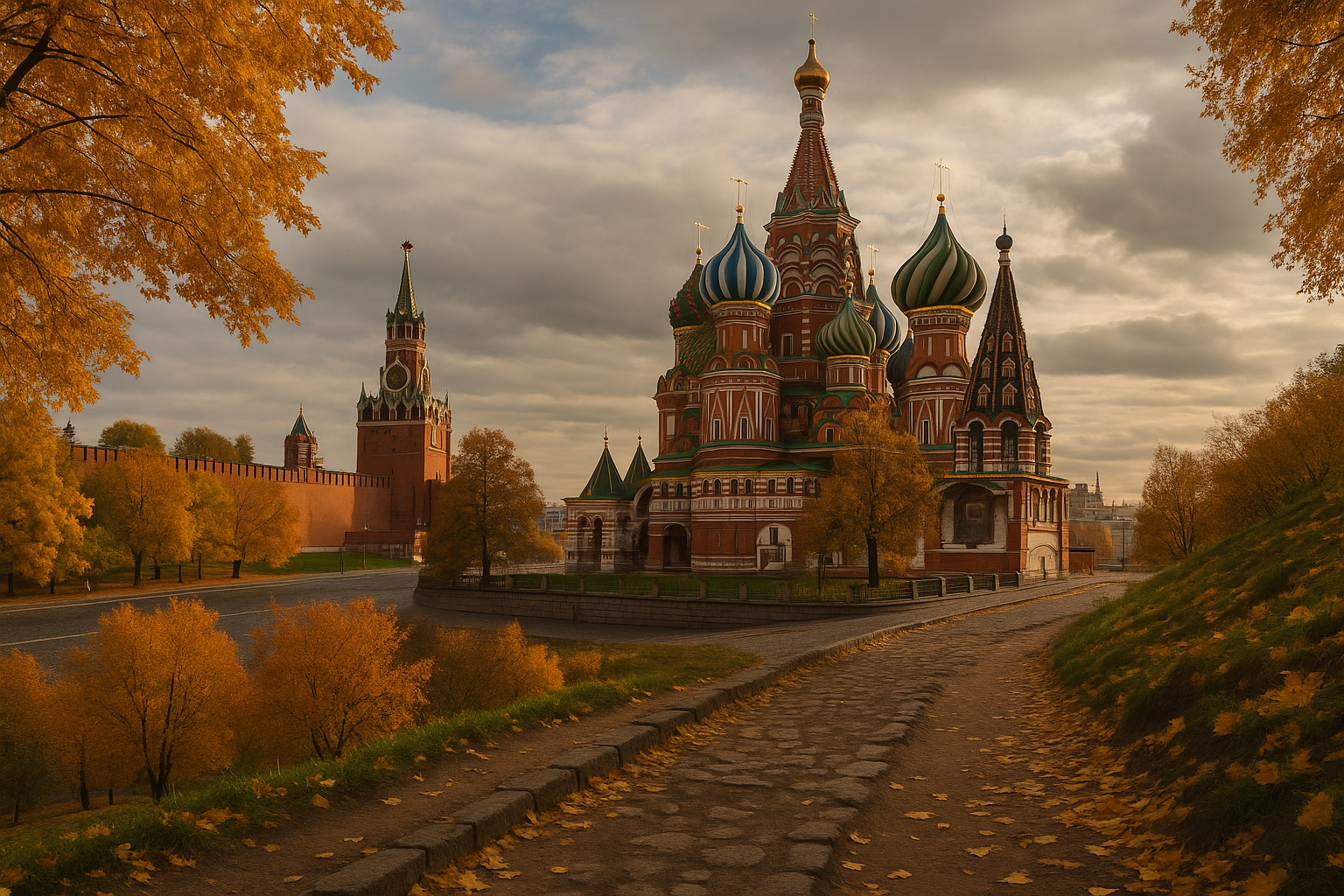
By October the birches outside Moscow and along provincial roads have gone papery yellow, chestnuts crowd the sidewalks by metro exits and a first hard frost can blacken early vegetables in market stalls. The light shifts quickly: September still has long evenings in the south, but by November cities above the Arctic Circle will already be living on a few weak hours of daylight.
What autumn actually does to the country
Autumn in Russia tightens travel patterns. Rivers that carry barges through the interior begin to slow with cooling weather; ferry timetables shorten. Harvest markets bulge with root vegetables and jars of pickles and preserves, and restaurants swap cold salads for thick soups—borscht and steaming bowls of solyanka appear on many neighbourhood menus. Popular parks turn into places for short, brisk walks rather than all-day picnics, and public life drifts indoors: theatres and classical concert seasons pick up in September and continue into the darker months.
How getting around Russia works in autumn
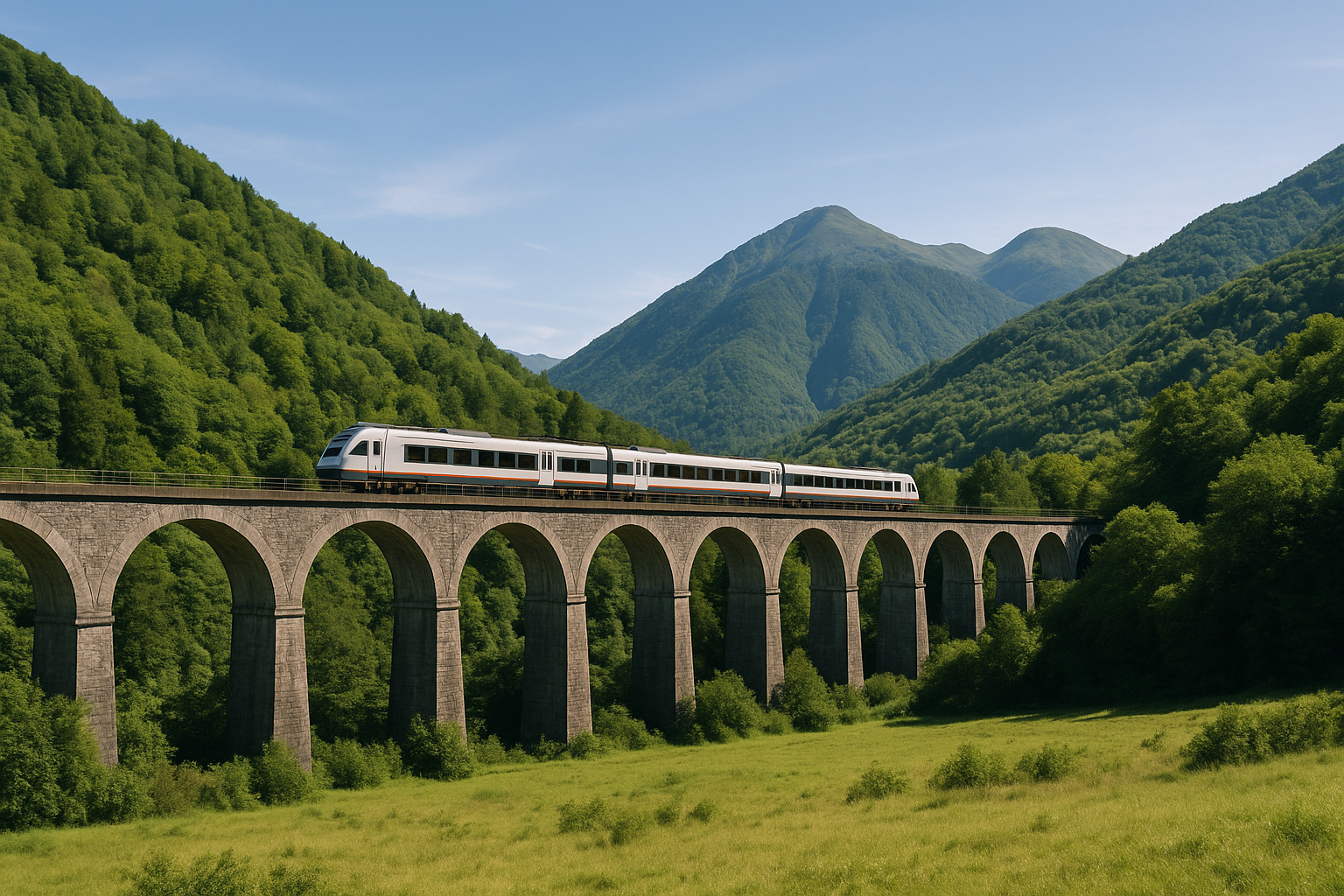
Distances are literal here: a single train journey can be several nights long, and the Trans-Siberian still takes roughly six days end to end. In cities, Moscow’s metro remains the fastest way across town and its stations are often more decorated than the buildings above ground; in St Petersburg trams are part of daily routes. Cards are accepted in large hotels, supermarkets and most urban cafés, but cash is still necessary in small towns and market stalls. Mobile coverage is reliable in the west and urban centres, patchy through Siberia.
Everyday manners and what visitors notice first
Expect formality: people often use patronymics in professional or formal situations, handshakes are the usual greeting among men, and guests are commonly offered tea—and sometimes a glass of vodka—when visiting an apartment. It’s normal to remove outdoor shoes at someone’s home. Strangers rarely make small talk on public transport, which can feel like reserve rather than rudeness; a smile or a brief nod is the usual acknowledgement.
Quick 5
Russia
Russia
Russia
Russia
Russia
Regions

Travel Requirements
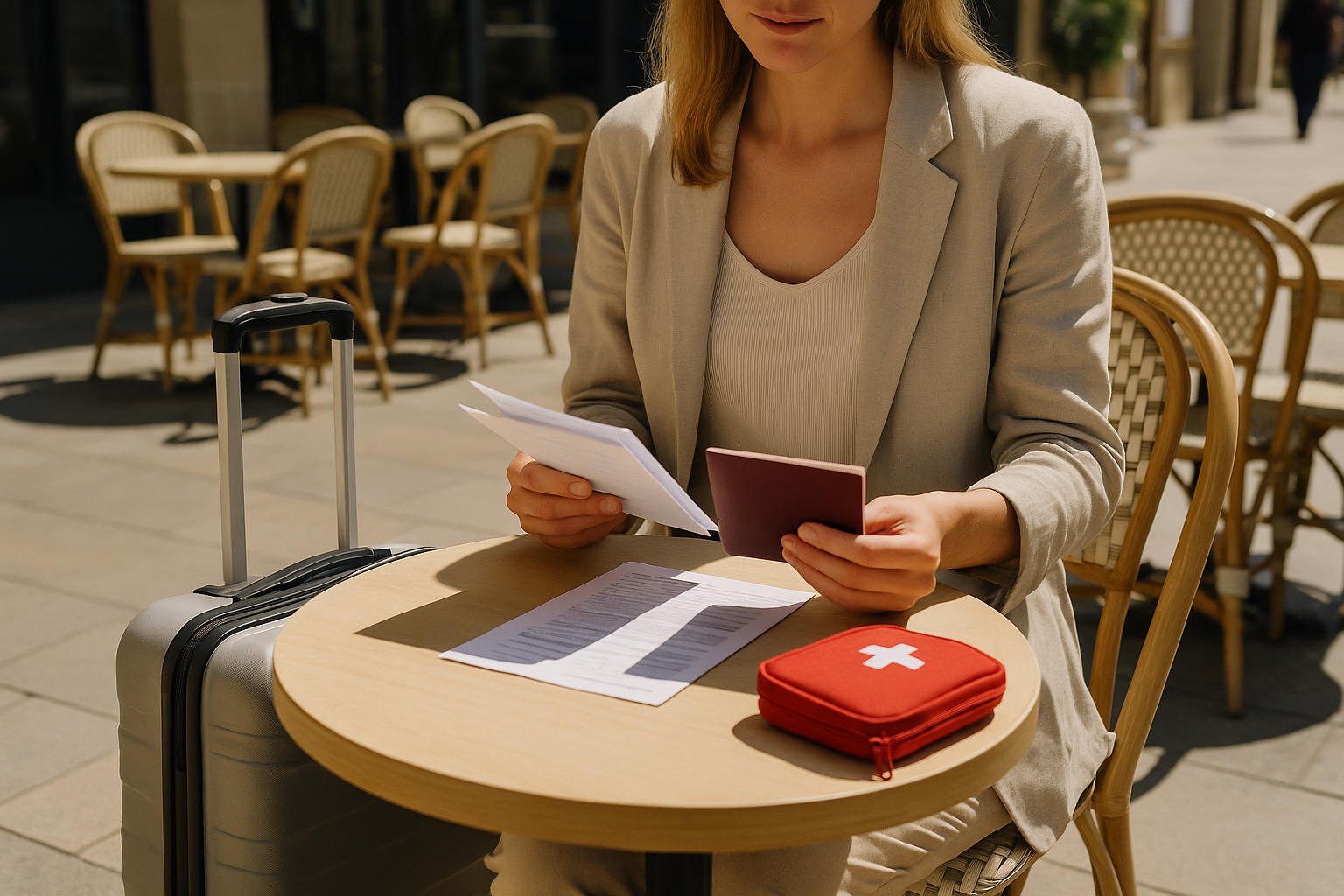
What you need to enter Russia, for the passport you hold.
Places of interest
Landscapes in Russia
Travel Tips