
Serbia
Short description
How Serbia feels in autumn
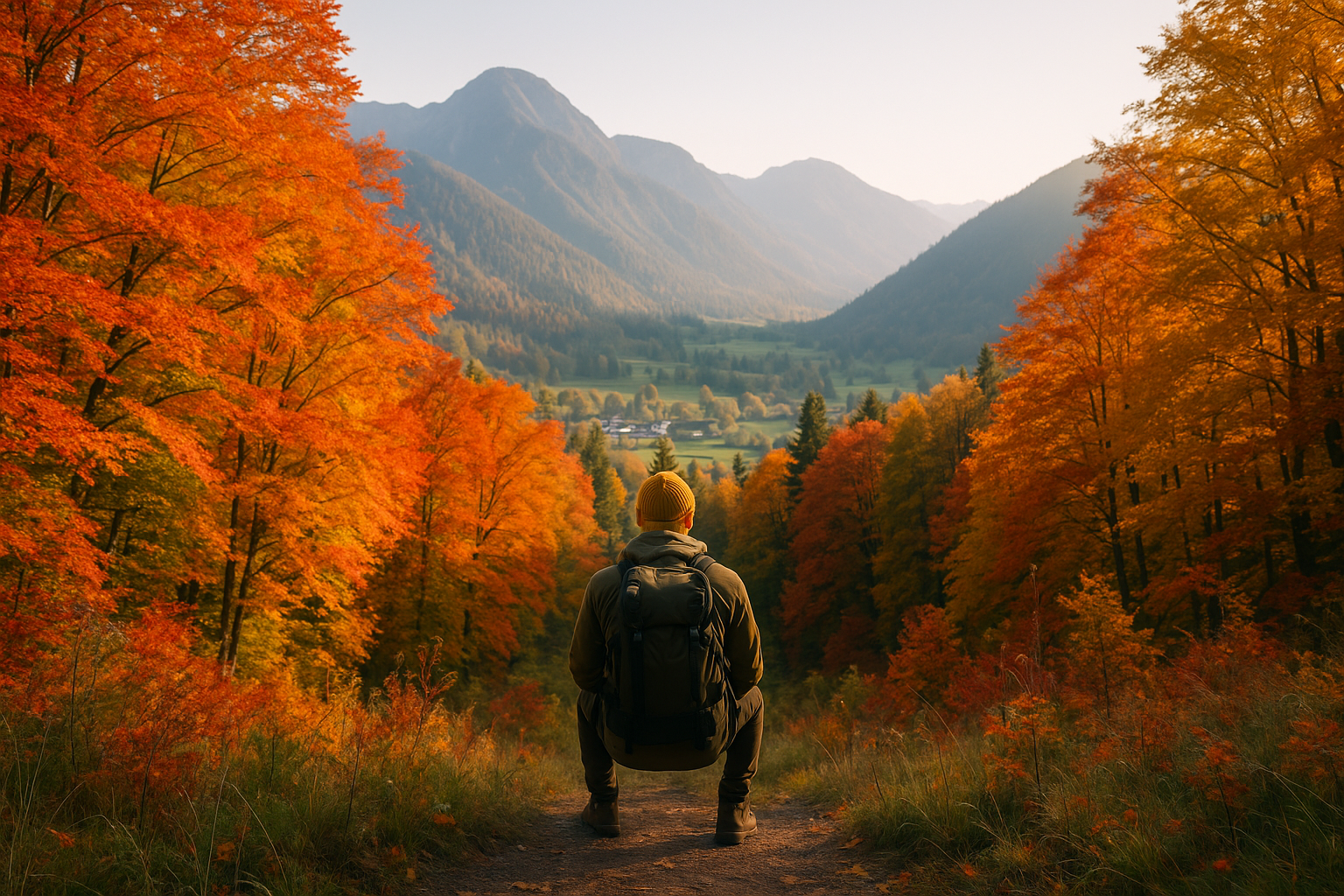
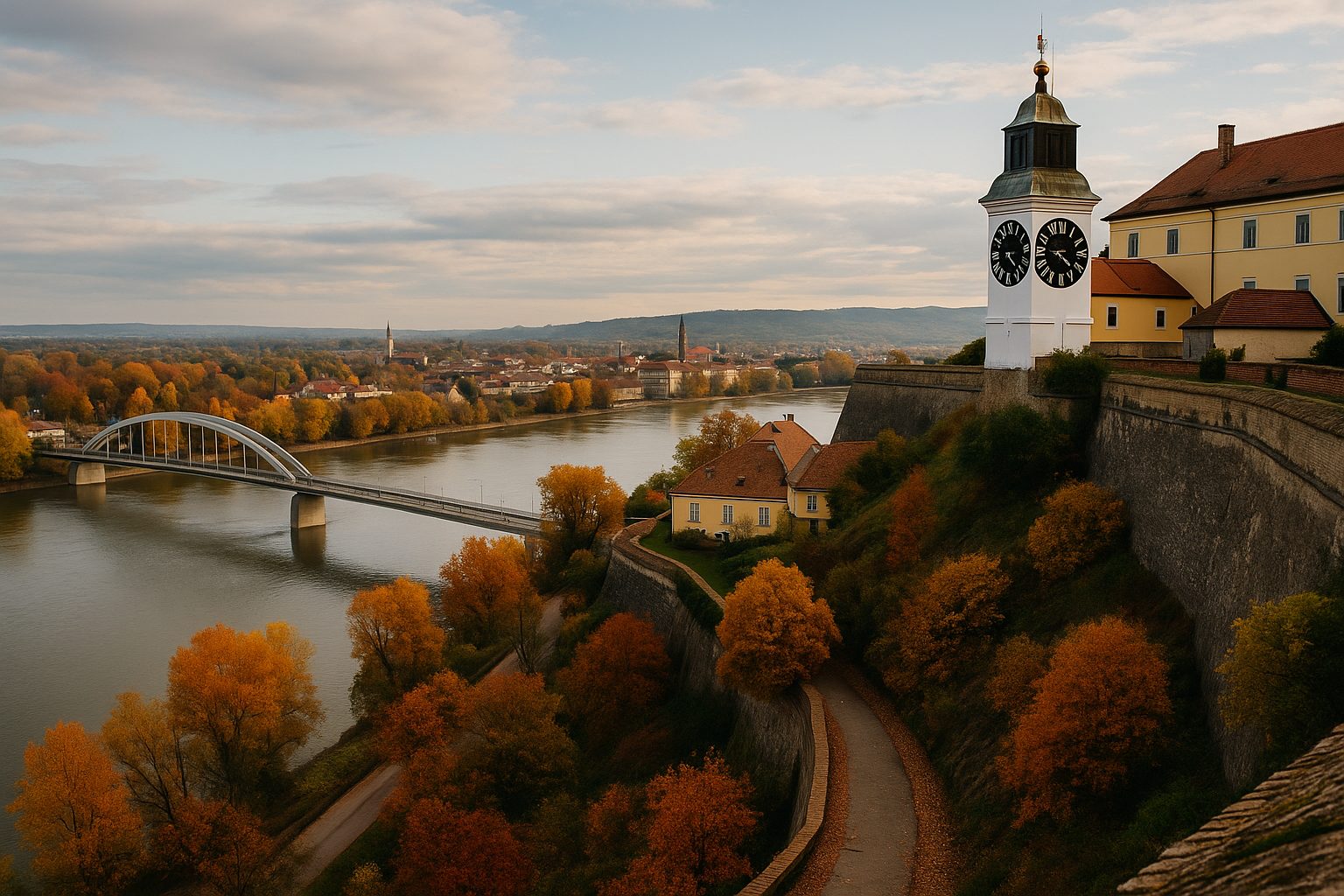
Autumn in Serbia flushes the plains of Vojvodina into fields of stubble and turns the beech and oak slopes of Tara and Zlatibor into thorny carpets of brown and gold.
Belgrade moves from open-air cafe life to street-level conversations under awnings and heaters; river traffic on the Danube thins and ferries run a quieter schedule as temperatures drop.
What autumn actually does to the country
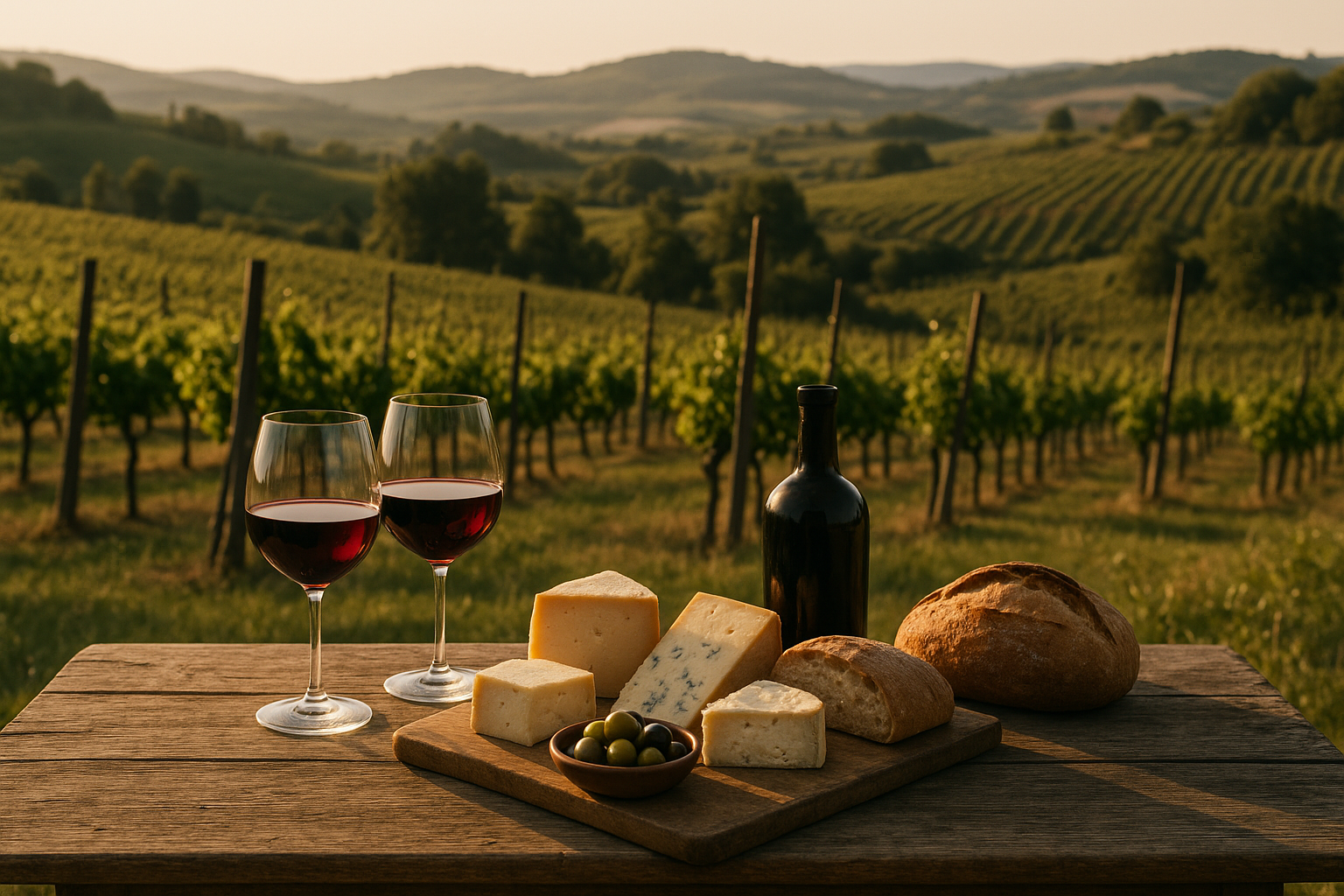
September–November is harvest time: vineyards around Fruška Gora and small orchards in Šumadija are busy with grape and plum picking, and you will see plums drying on rooftops and rakija stills warming in village yards.
People forage for mushrooms in the low mountains, and markets fill with late-season peppers and cabbages for sarma; cold-weather dishes begin replacing grilled street food as evenings cool.
Getting around Serbia in autumn — practicalities
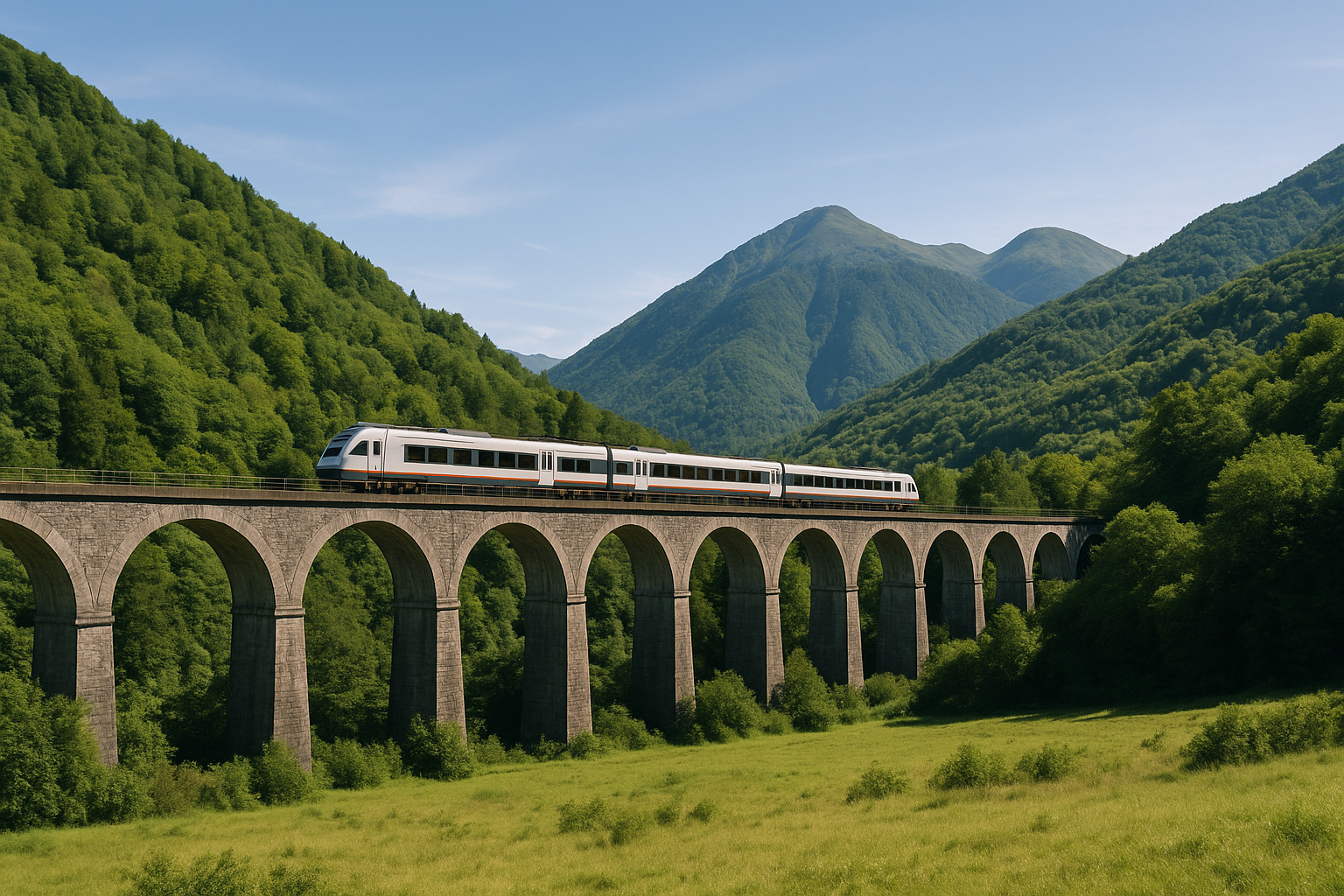
Distances are short by European standards but road quality varies: the motorway from Belgrade to Novi Sad is a quick drive, while trains between major cities are slow and often behind buses in punctuality and frequency.
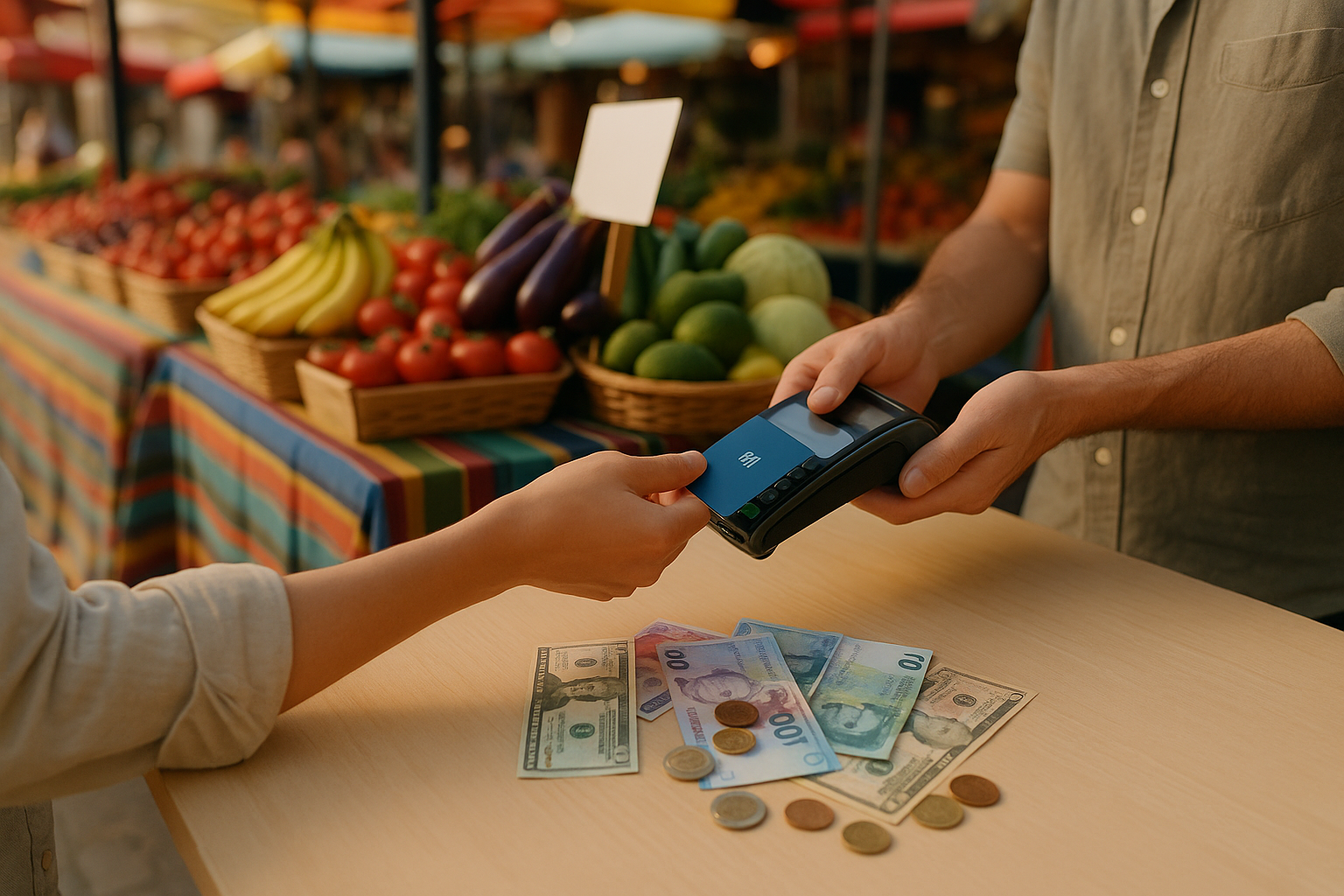
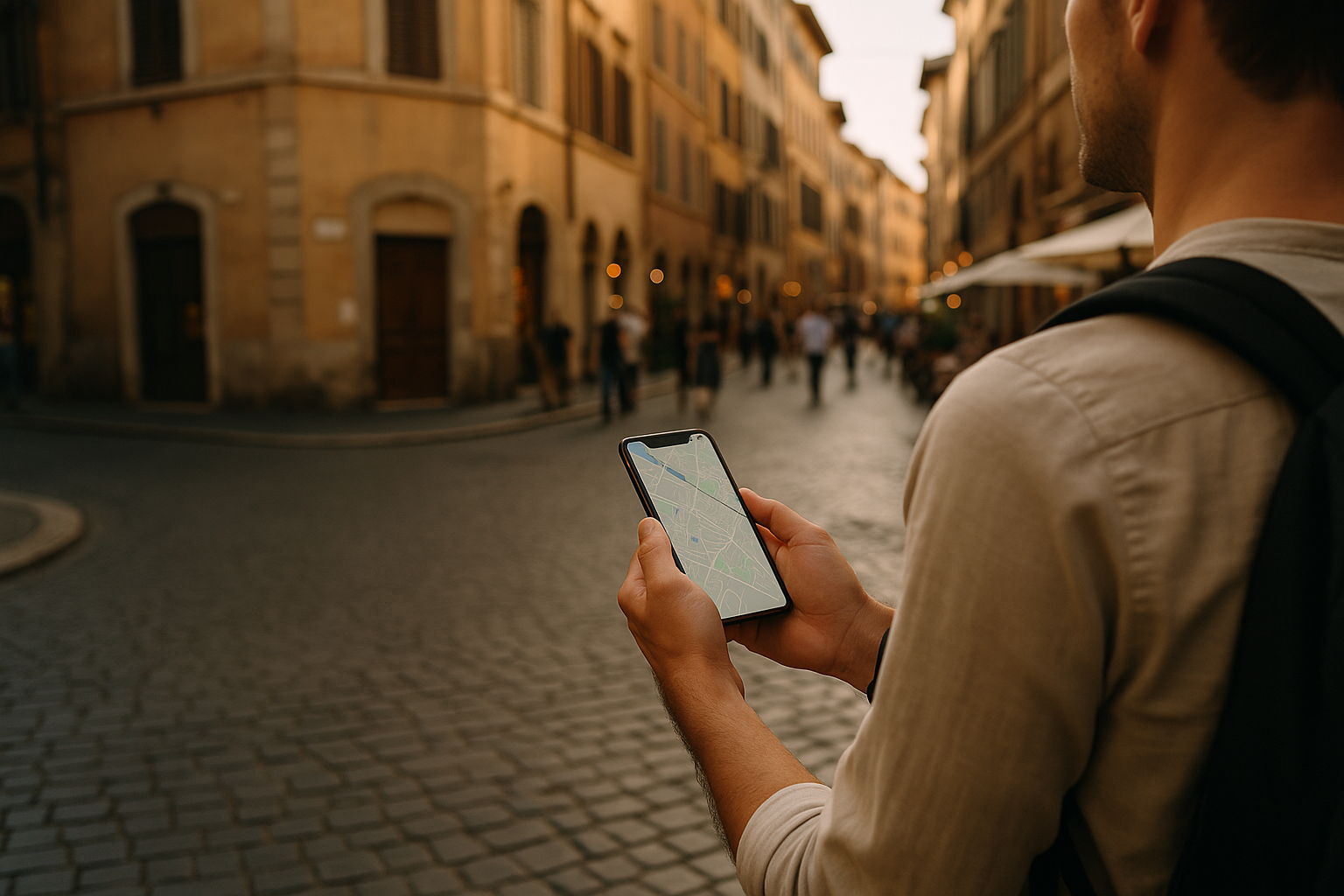
Cards work well in cities, but many kafanas, roadside stalls and village shops prefer Serbian dinars (RSD); mobile data is reliable in urban areas but patchy in forested national parks, so download maps before heading into the hills.
English is commonly spoken by younger Serbs in Belgrade and Novi Sad; in rural areas a few words of Serbian go a long way and the country uses both Cyrillic and Latin alphabets on signs.
Daily life and what visitors should expect
Formal meetings begin with a firm handshake; among friends a quick hug or cheek kiss is normal, and many families observe a private slava (patron-saint celebration) that can involve inviting neighbours and offering a slice of ceremonial bread.
Meals shift toward heartier portions: expect paprikaš and stews in the evenings, and be prepared to accept an offered glass of homemade rakija at a village table — refusing can be awkward unless you explain politely.
Quick 5
Serbia
Serbia
Serbia
Serbia
Serbia
Regions

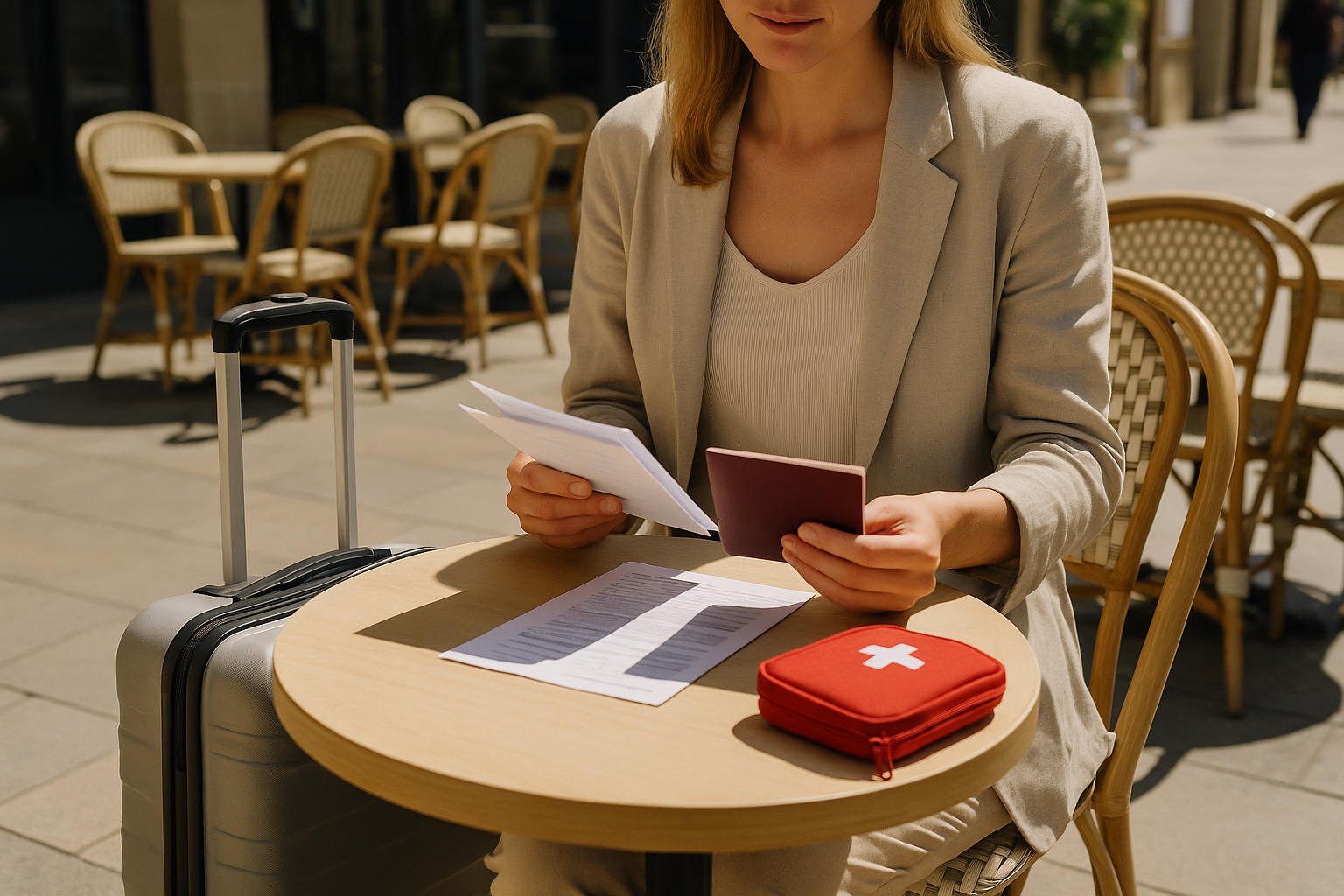
Travel Requirements
What you need to enter Serbia, for the passport you hold.
Places of interest
Landscapes in Serbia
Travel Tips