

Slovenia
Short description
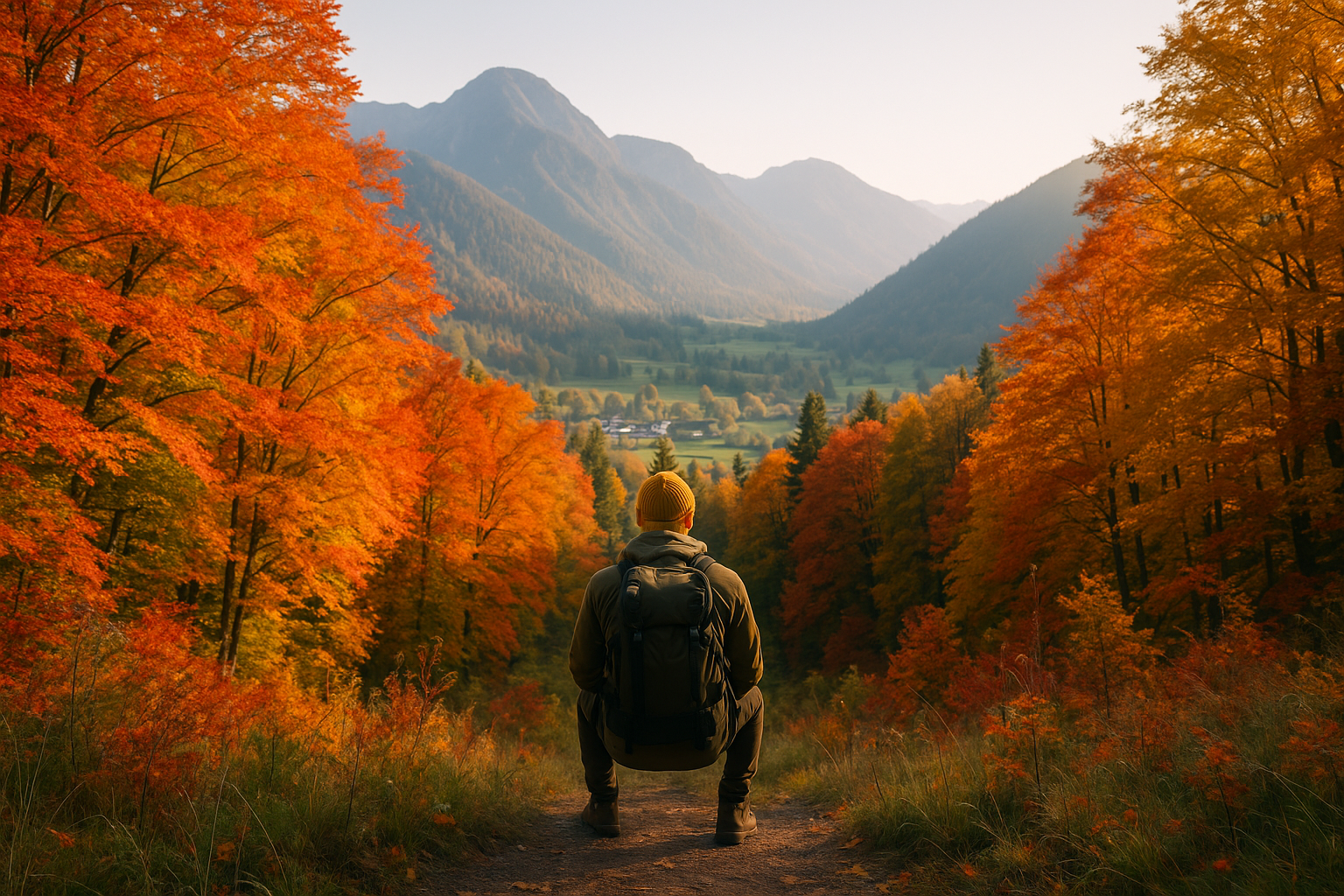
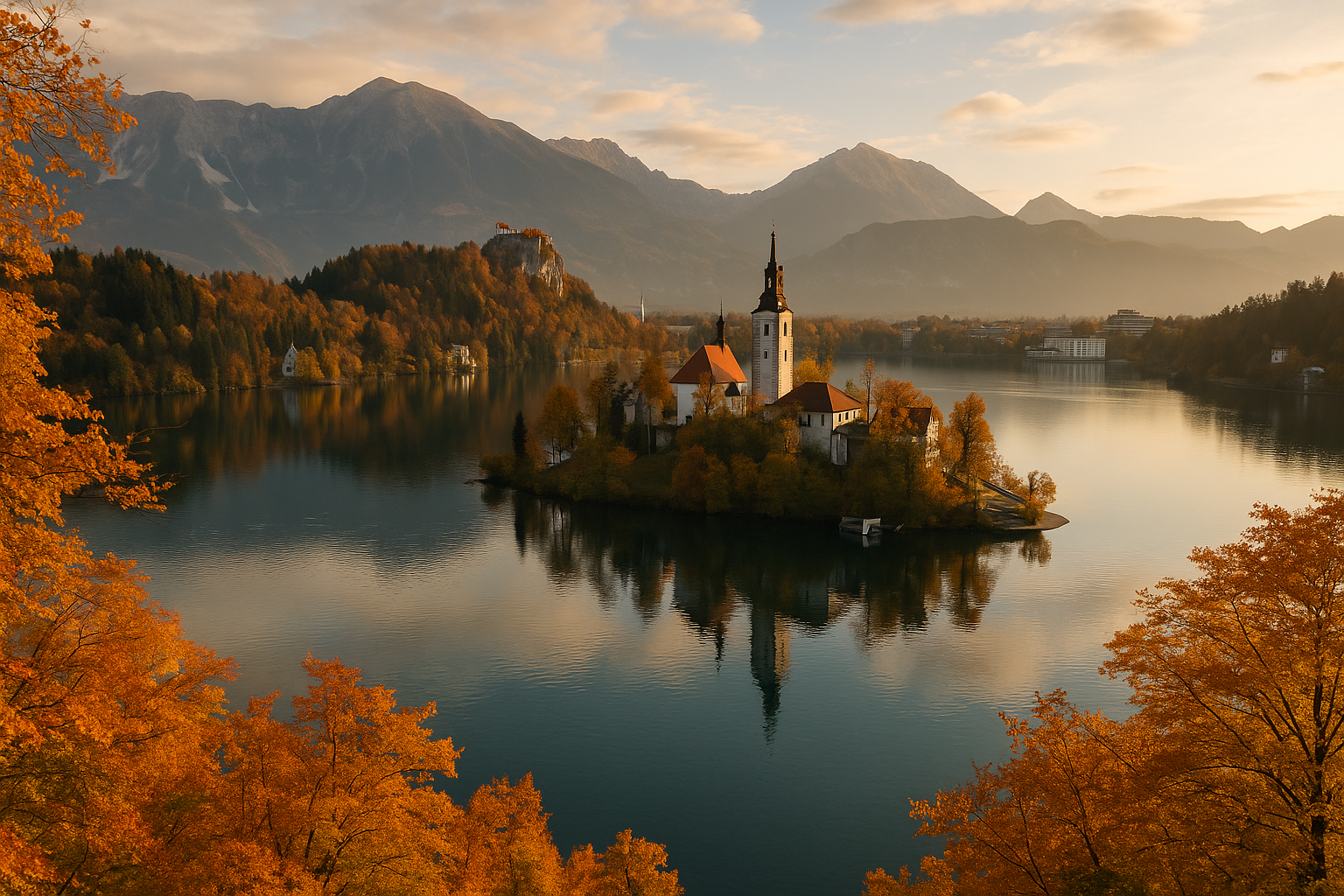
The season paints Slovenia's ridges and karst
From September the beech and chestnut trees that line the Karst plateaus and the foothills of the Julian Alps change colour and send a dry, toasted-leaf scent into towns and vineyards.
What autumn actually rearranges here
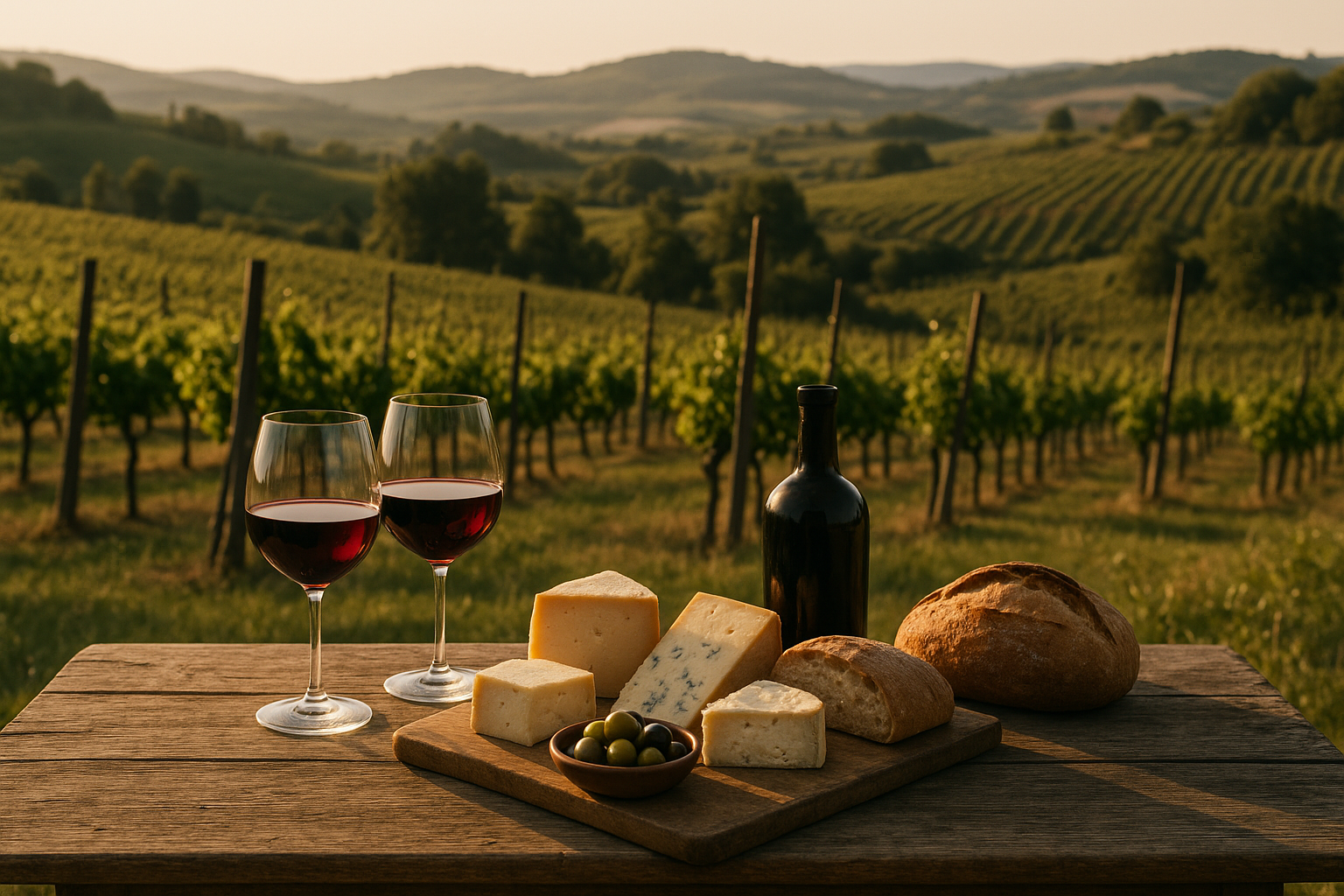
Harvest is visible: pullovers appear at market stalls piled beside gnarled bunches of Rebula and Pinot from Primorska, while small presses in Dolenjska and the Vipava Valley hum with activity during October.
For foragers and restaurant cooks the season means mushrooms and game on menus, chestnuts in street stalls and olive picking creeping into November along the short Slovenian coast.
Getting around and how Slovenians travel at this time
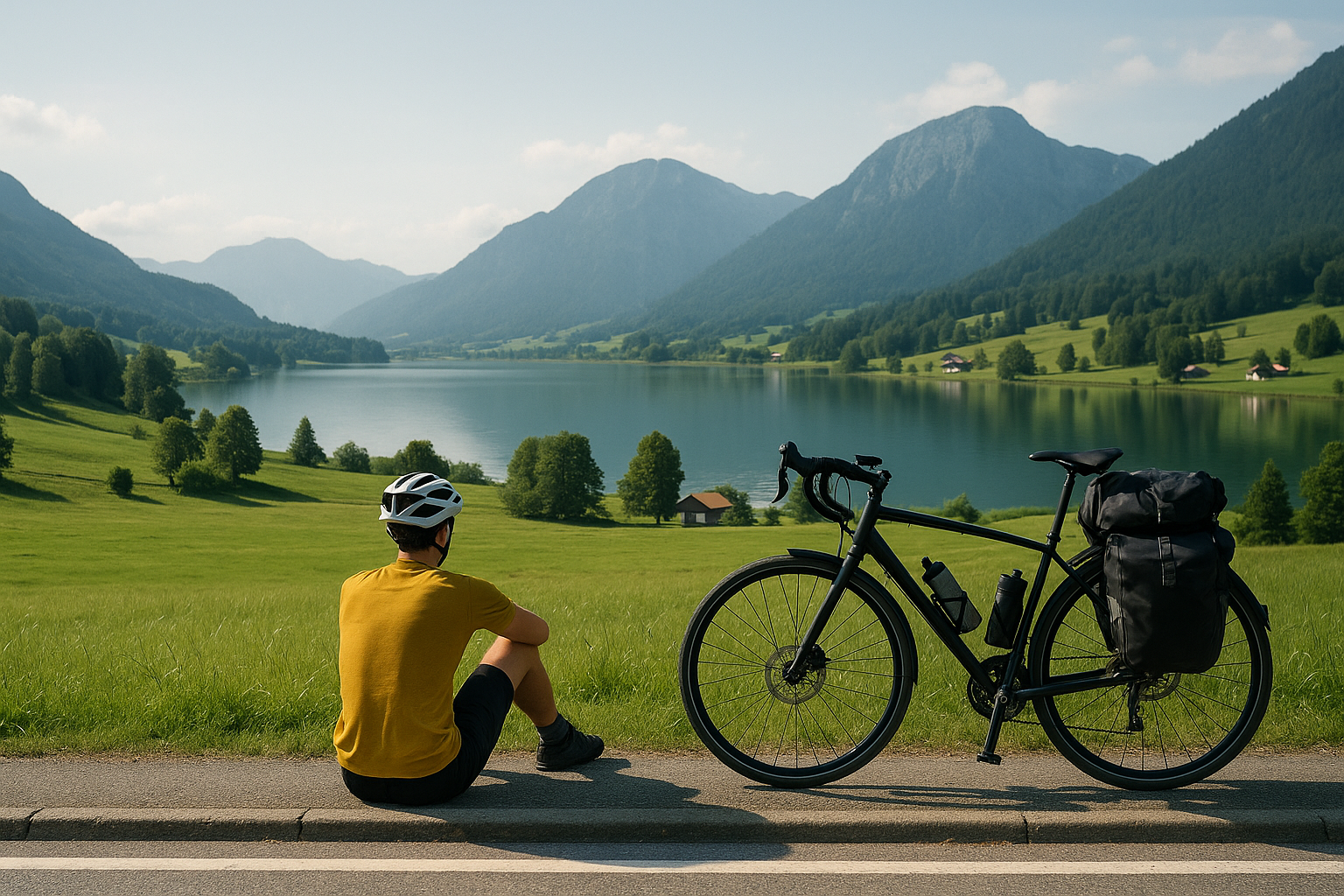
The country’s scale lets you cross from the Alpine valleys to the Adriatic in a few hours by road, which makes day trips practical even in cooler weather; expect narrow mountain roads to demand slower, attentive driving as leaves fall and visibility shortens.
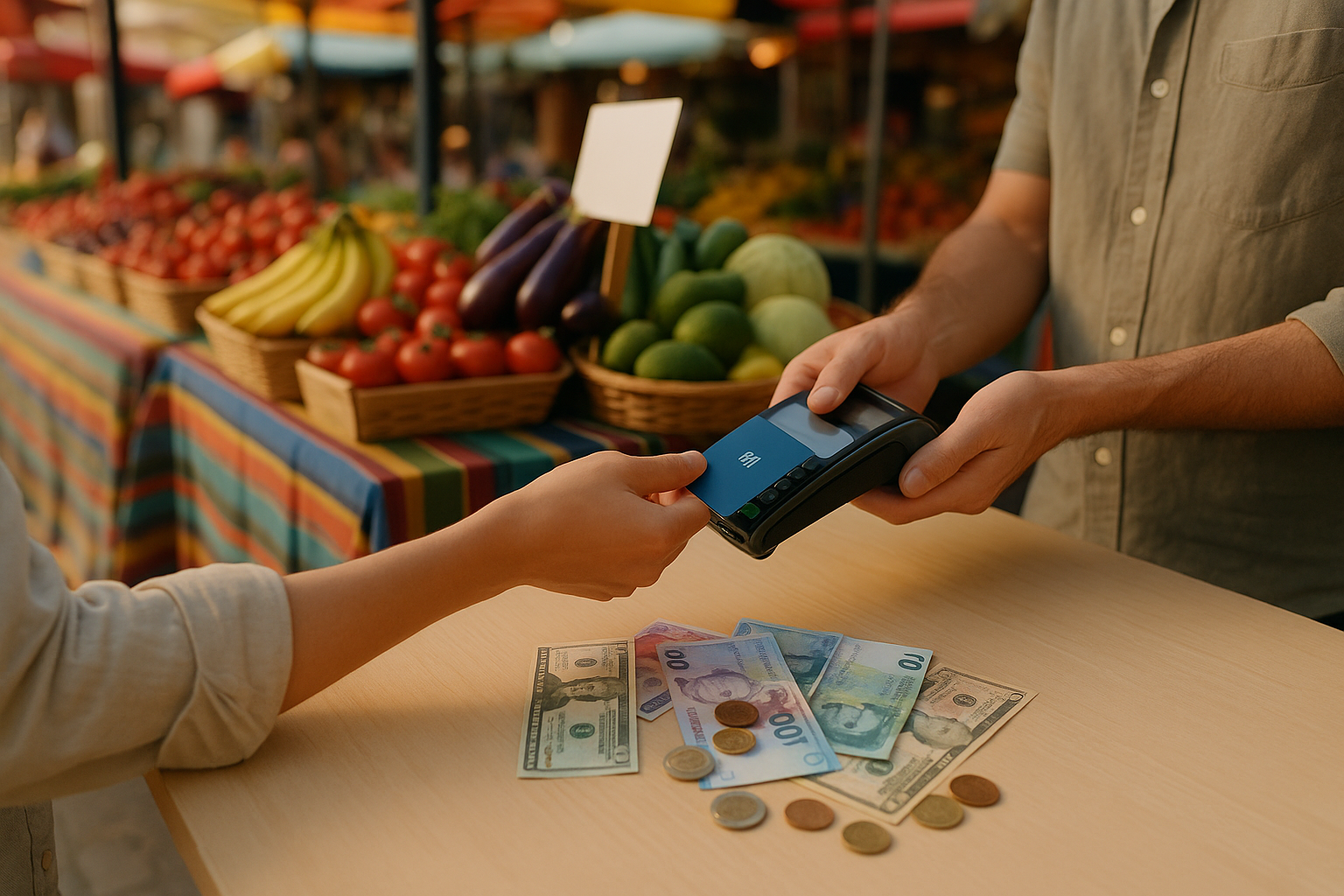
Trains and regional buses link major towns but fewer services run late on Sundays in smaller districts, and many rural inns and farmers’ tables accept only cash—Slovenia uses the euro and cards are common in cities but not universal in remote gostilne (traditional inns).
Food, drink and the autumn rhythm at the table
Autumn menus pivot to local produce: potica shows up as a nut-filled pastry at bakeries, Carniolan sausage appears alongside stews, and Idrija žlikrofi is still served in mountain guesthouses; expect portions that match a lengthy midday meal rather than a quick snack.
Meals follow a relaxed pace—dober tek is the common blessing before you start, and a modest tip or rounding up is customary rather than obligatory; toasts will use na zdravje.
Something visitors often don’t expect
People arrive expecting a single regional culture and instead meet pronounced local identities—Prekmurje’s dialects and dishes differ from Littoral wines and Alpine habits—and a compact country whose landscape changes sharply within short drives.
Quick 5
Slovenia
Slovenia
Slovenia
Slovenia
Ljubljana
Regions

Travel Requirements
What you need to enter Slovenia, for the passport you hold.
Places of interest
Landscapes in Slovenia
Travel Tips