
Spain
Short description
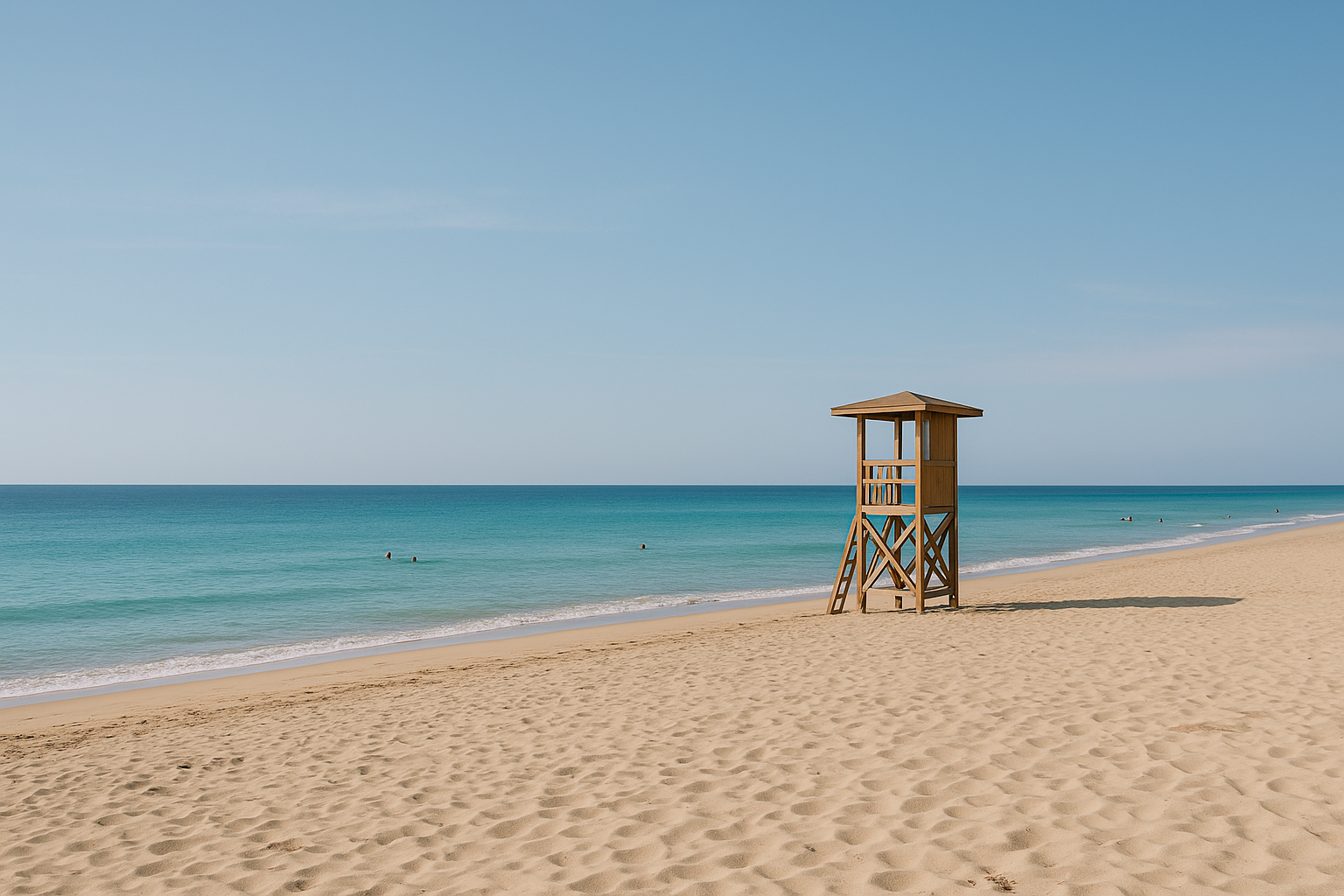
September still feels like summer on the Costa del Sol; by November Madrid's plazas often smell of roasted chestnuts from street carts.
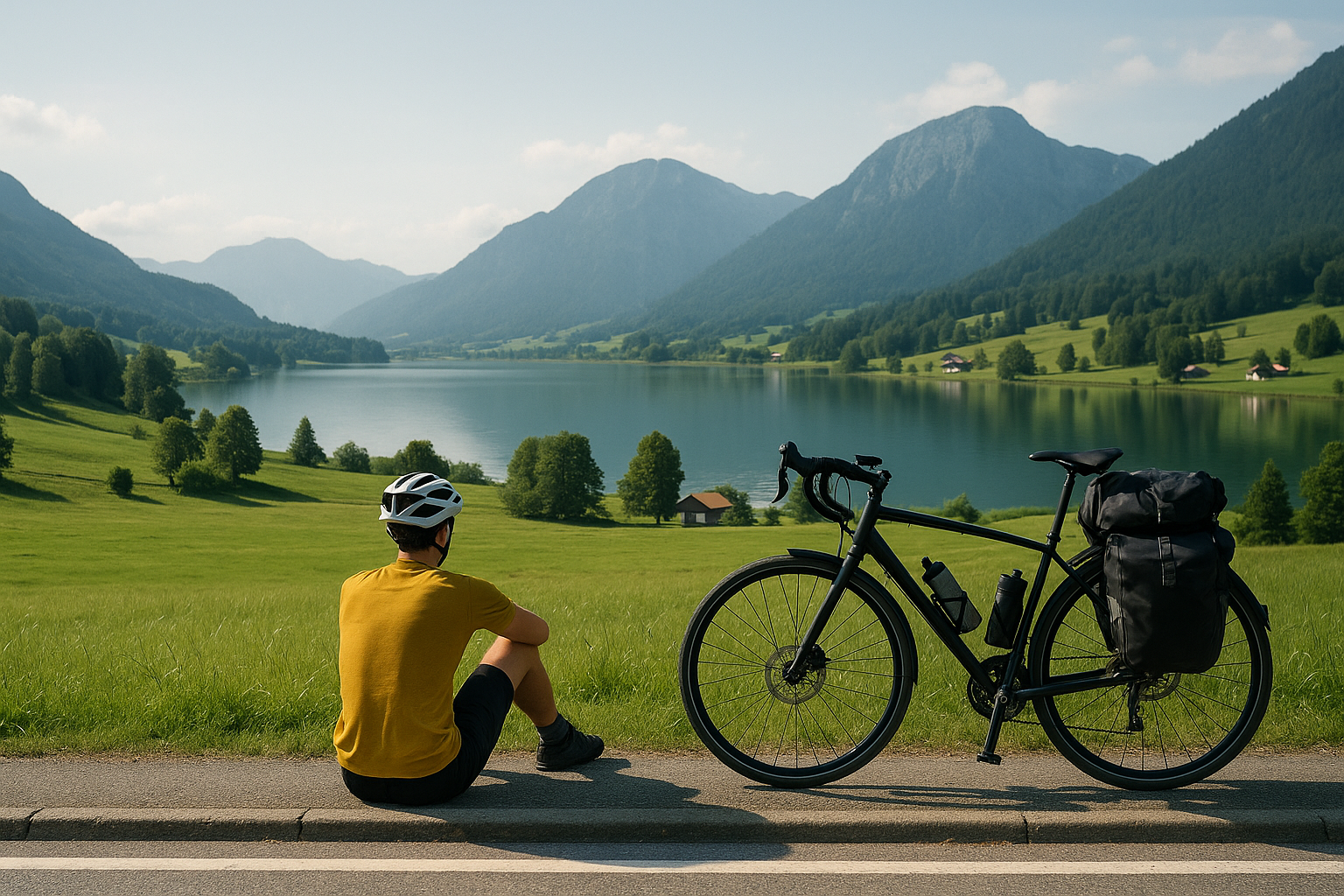
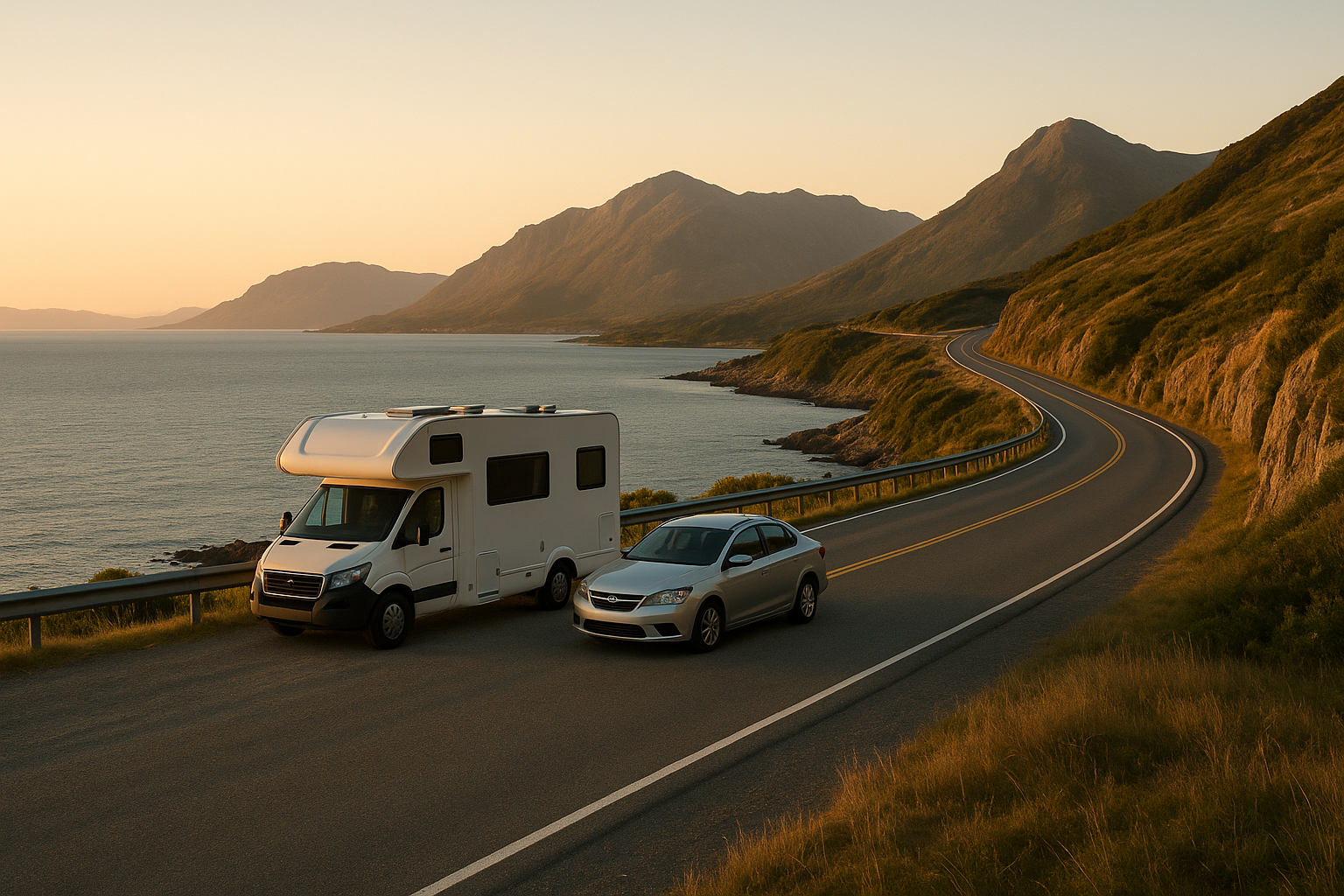
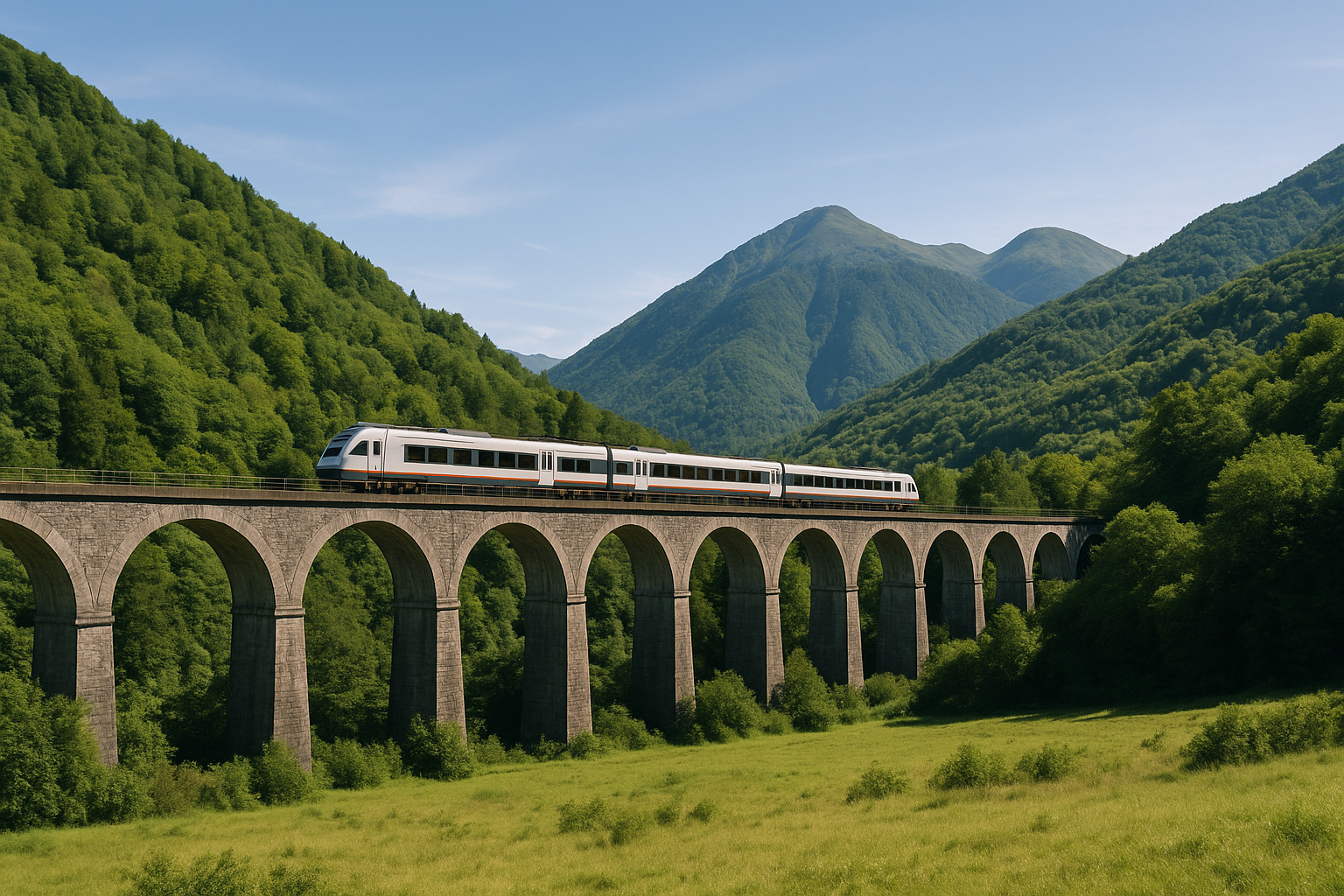
Spain's scale is deceptive: you can take an AVE train from Madrid to Seville in roughly 2½ hours and be at a tapas bar that same evening, yet driving across Castilla y León or through the Picos de Europa will lengthen journeys because highways give way to winding regional roads. Cities move on two clocks — late-night social life that peaks after 10pm, and smaller towns that may still close for a long midday break in September as shops finish the last of their August holidays.
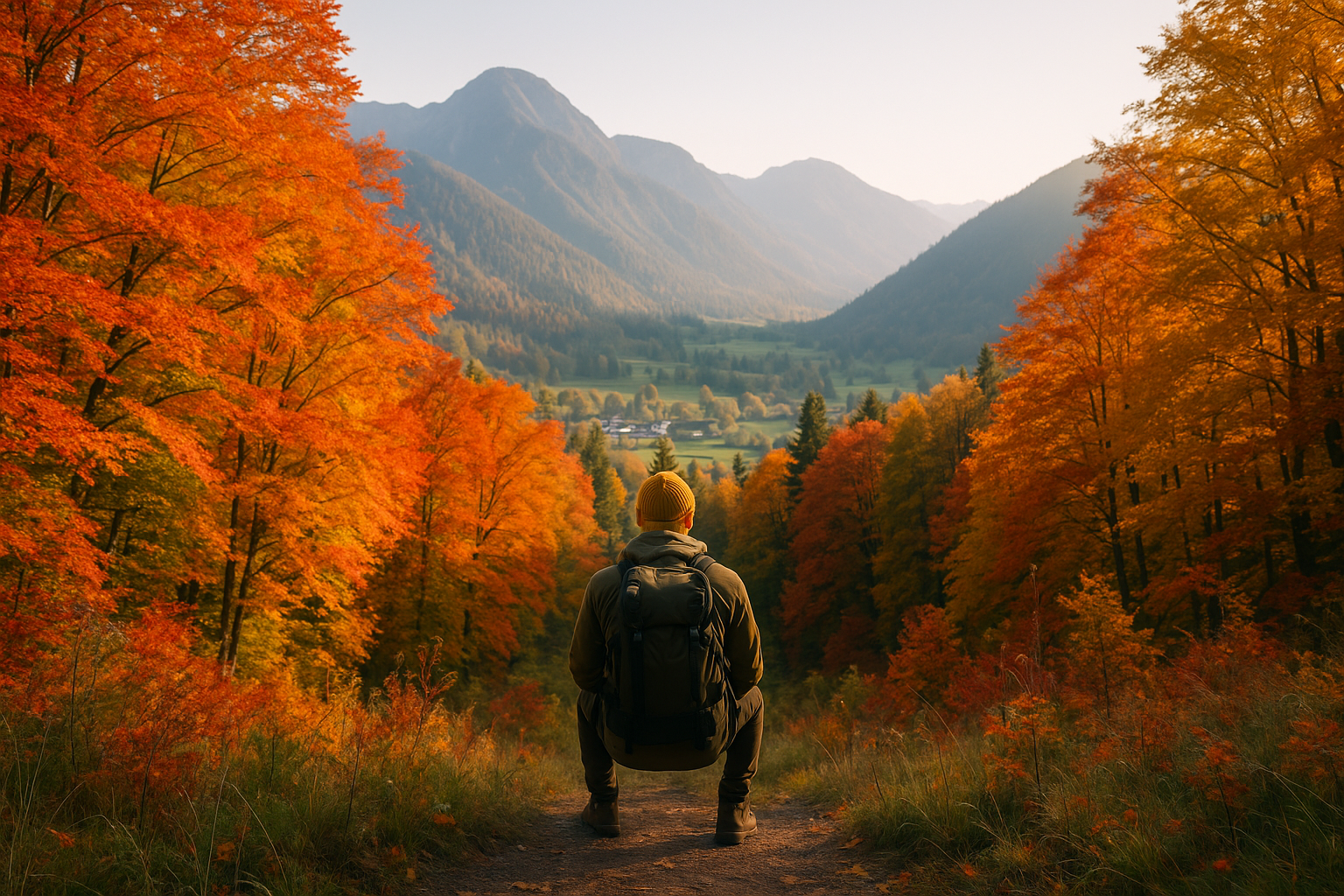
Autumn in Spain means vendimia, seafood weather and festival season
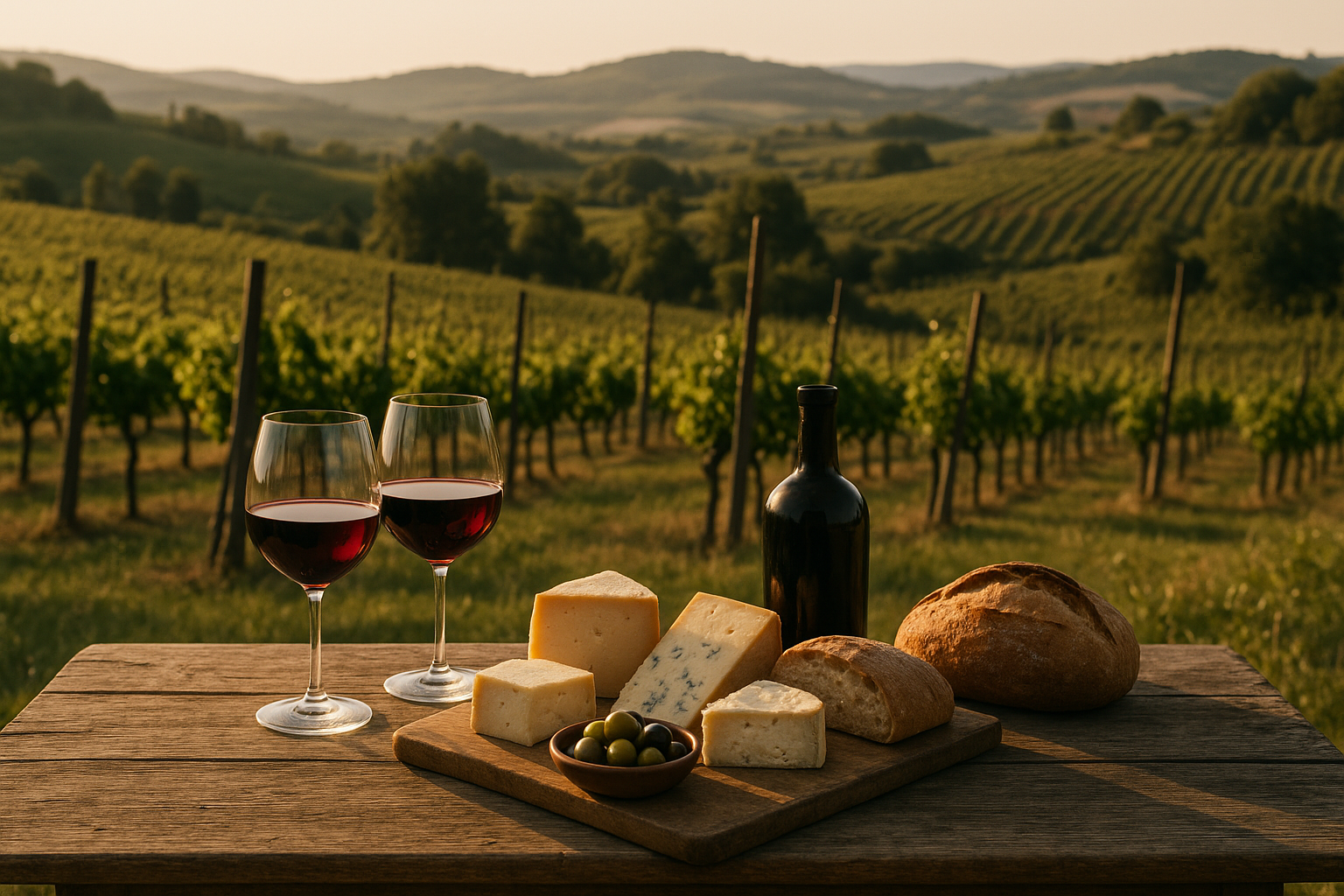
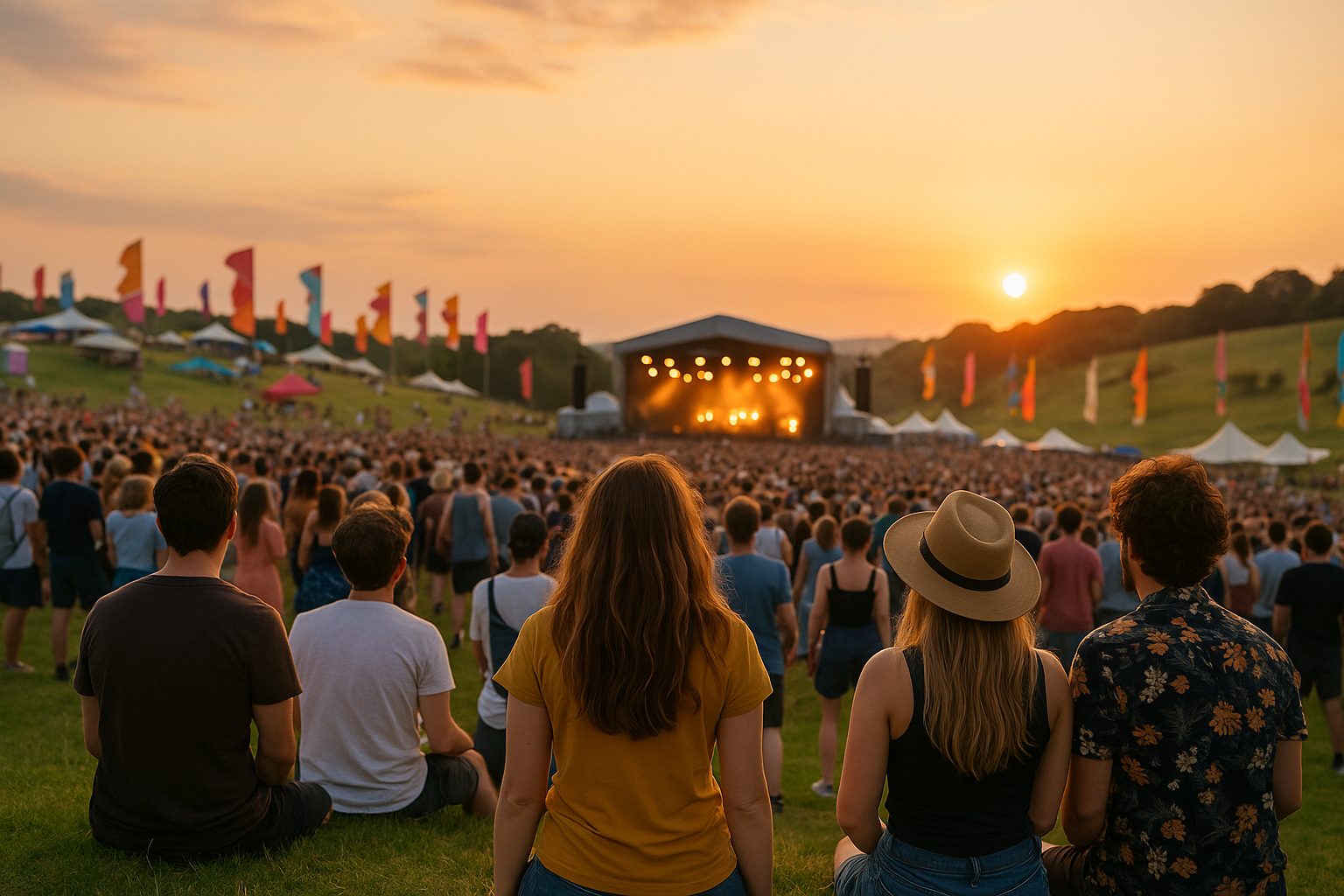
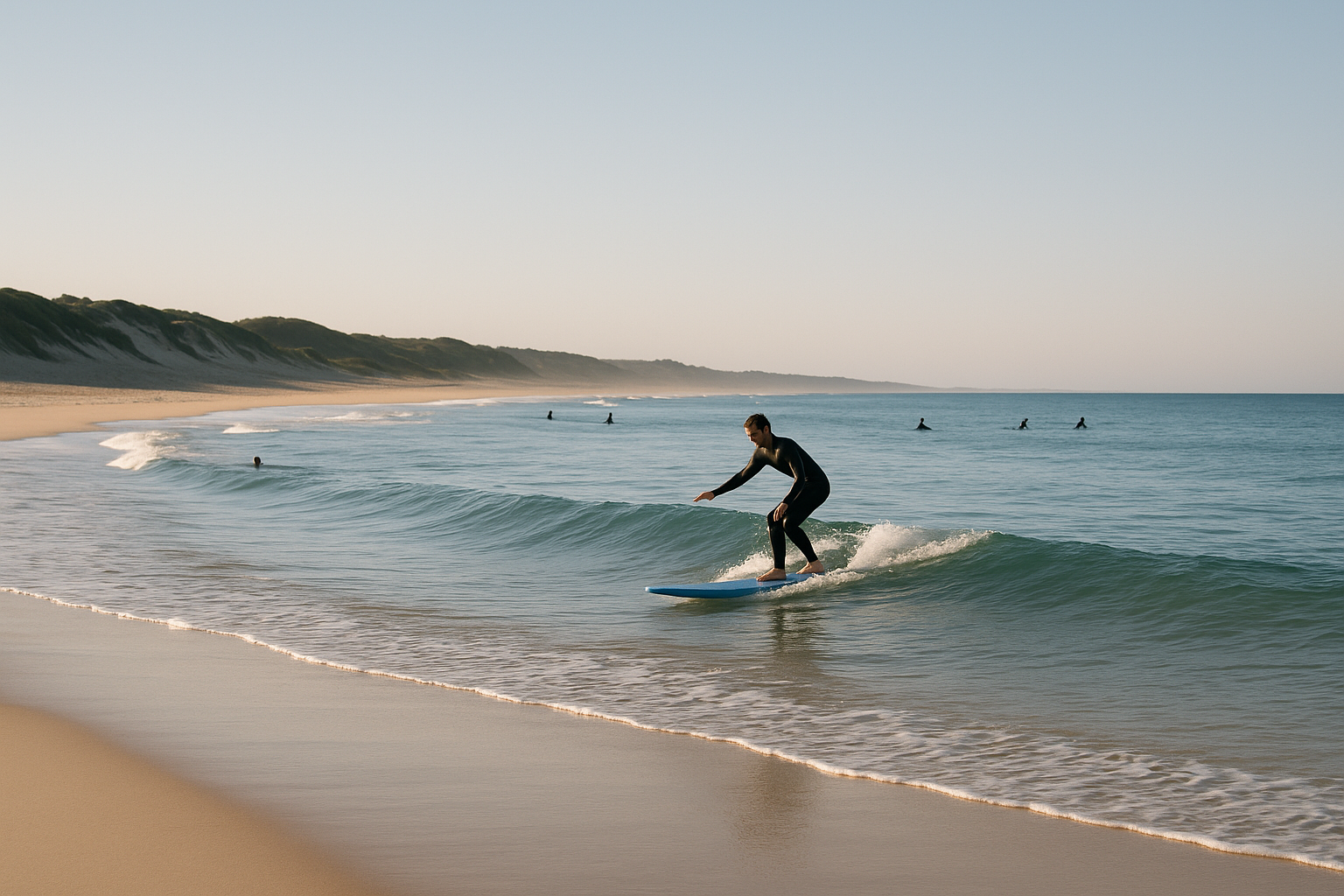
Grape harvests (vendimia) dominate September and October in La Rioja, Ribera del Duero and Rueda, and you will see tractor convoys and winery activity on rural roads; coastal Galicia and the Basque Country begin to get autumn rains earlier, while Andalusia can remain beach-friendly into October. Barcelona stages La Mercè at the end of September and San Sebastián runs its international film festival, so cultural life concentrates in city calendars as coastal tourism thins.
How to move and how locals live their days
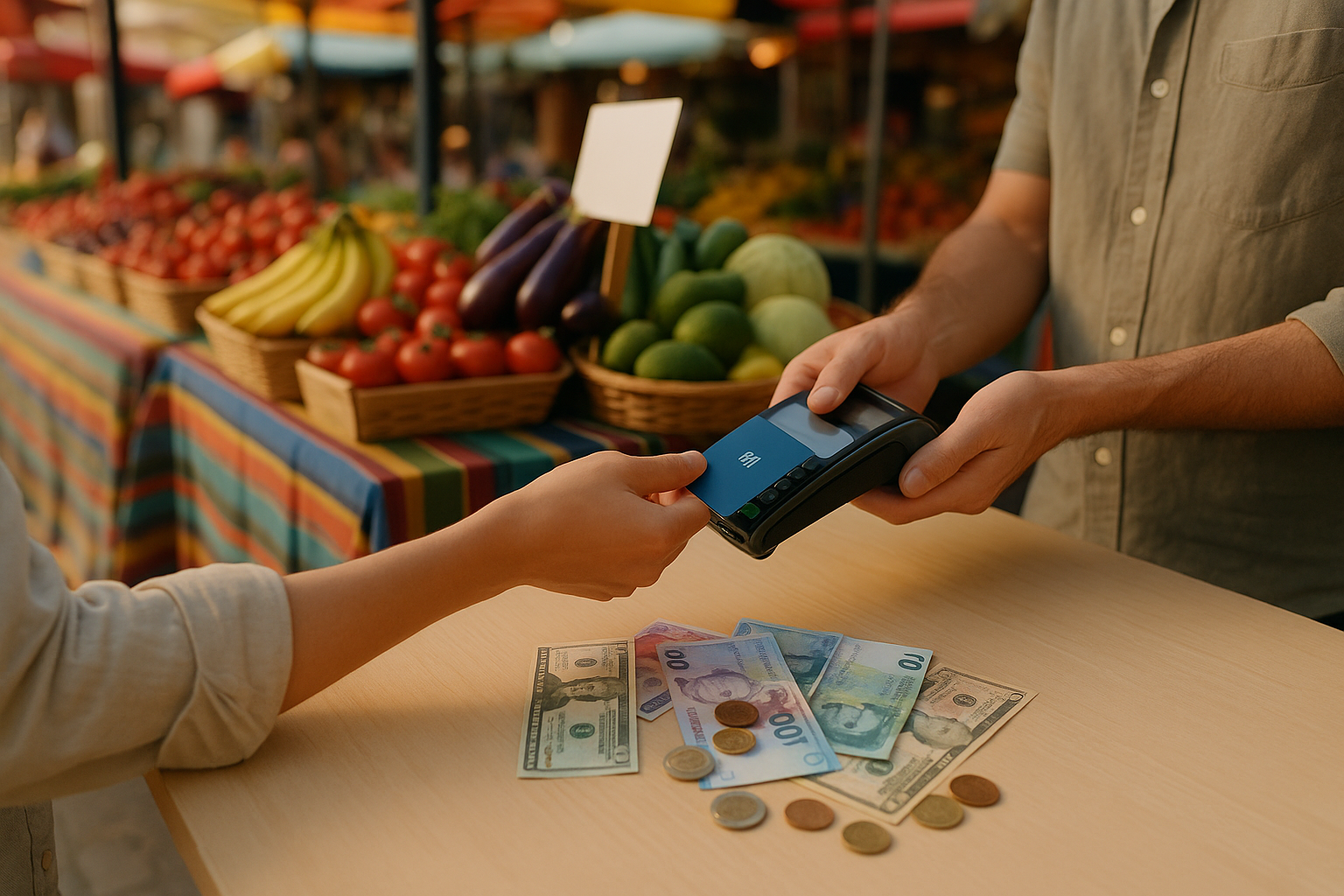
High-speed rail makes certain city-to-city hops feel short, but regional buses and trains in Extremadura and some northern provinces are infrequent enough that renting a car becomes the practical option. Card payments are common in cities; in village bars and market stalls in inland provinces you may need euros in cash. Spanish is the lingua franca, but knowing a few words of Catalan, Galician or Basque helps in official business and is noticed in local service.
Autumn eating in Spain is seasonal and sociable
Eating remains a social timetable: tapas as a moving evening ritual (tapeo) leads into dinners around 9–10pm, and menus switch to fall — mushrooms (setas) appear on plates in October, game and hearty stews like cocido resurface in cooler months, and market stalls sell chestnuts and late-season seafood from Galicia. Be ready to order at the bar in smaller places and to accept small plates as a way of meeting people rather than a formal meal.
Quick 5
Spain
Spain
Spain
Spain
Spain
Regions

Travel Requirements
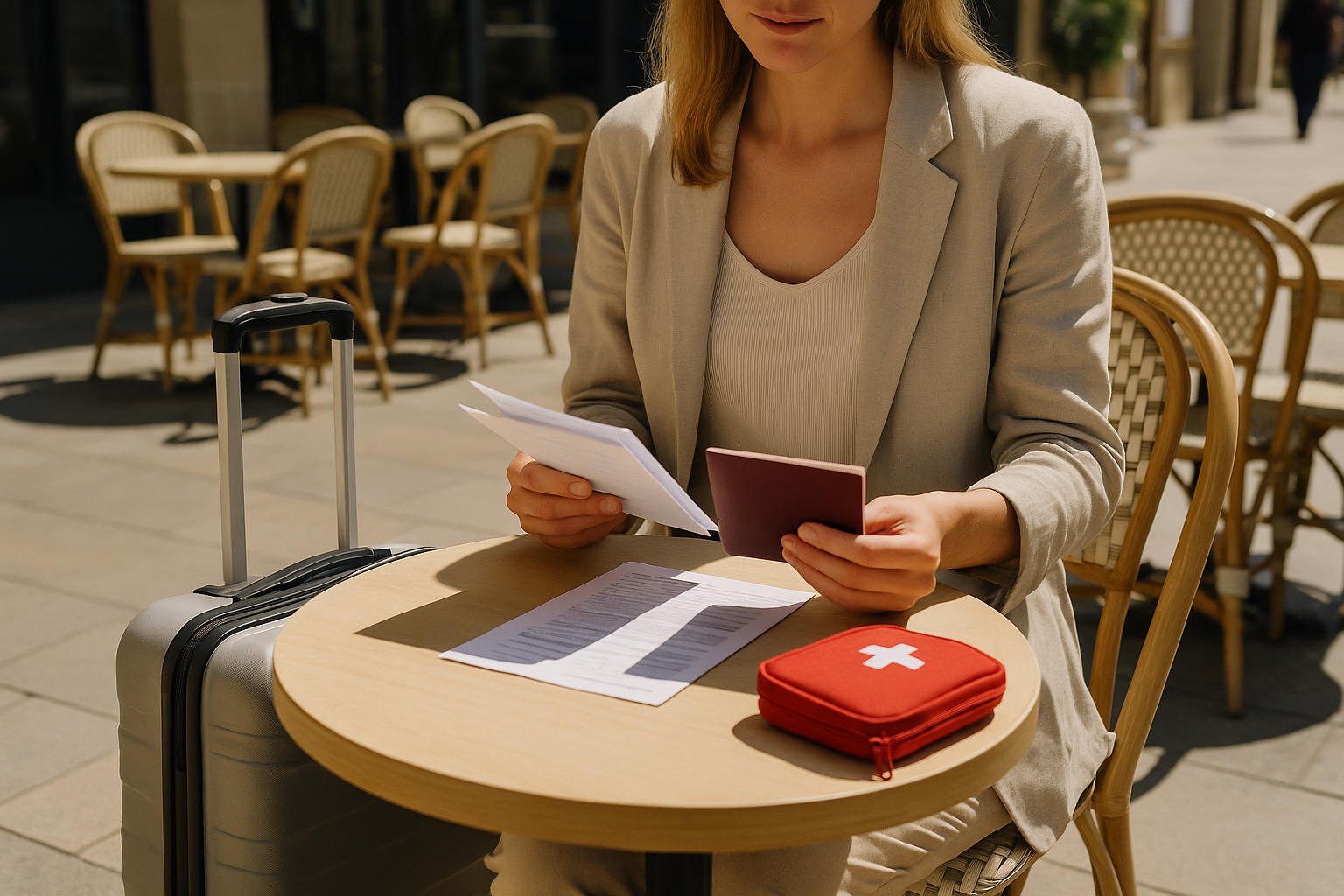
What you need to enter Spain, for the passport you hold.
Places of interest
Landscapes in Spain
Travel Tips