

Switzerland
Short description
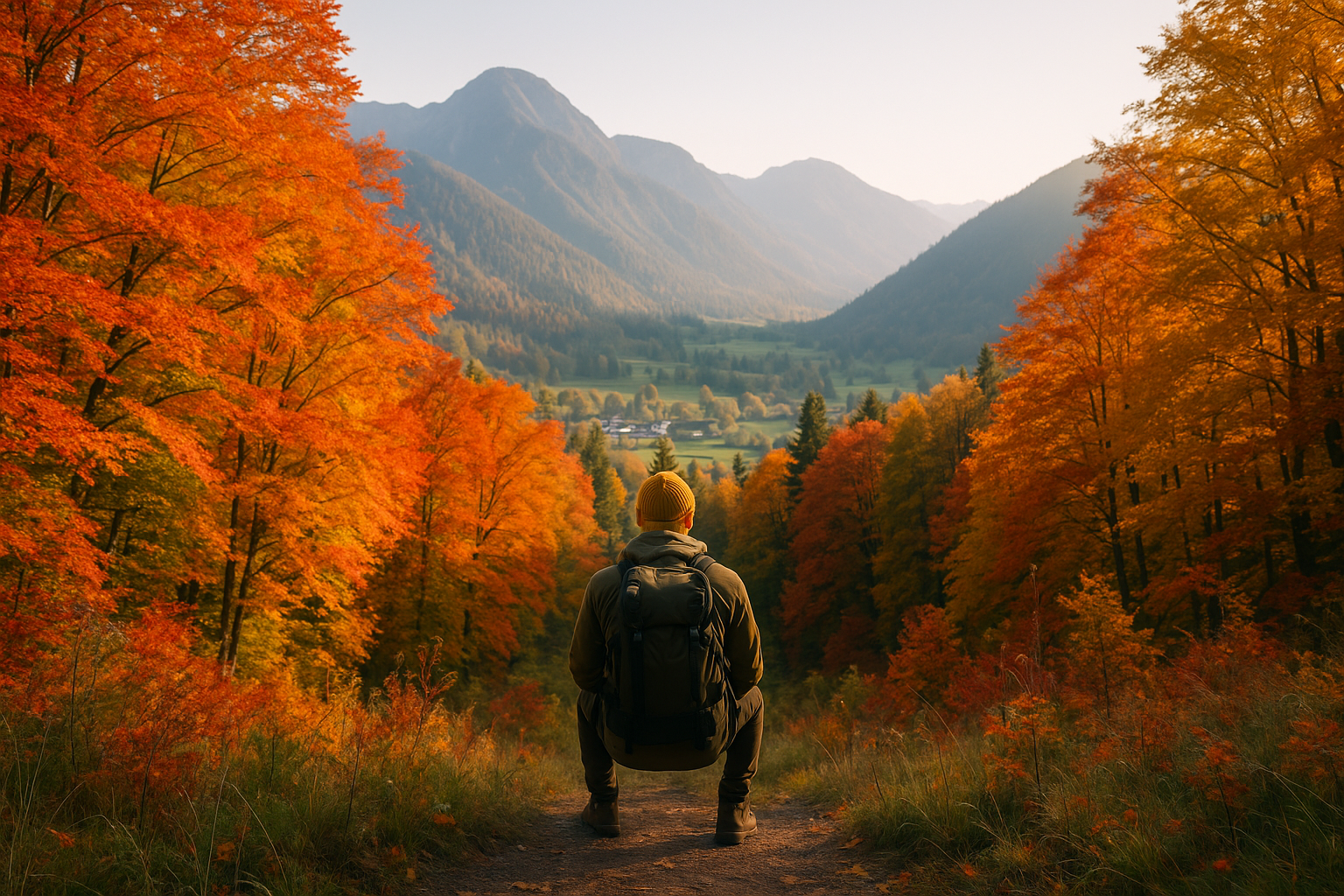
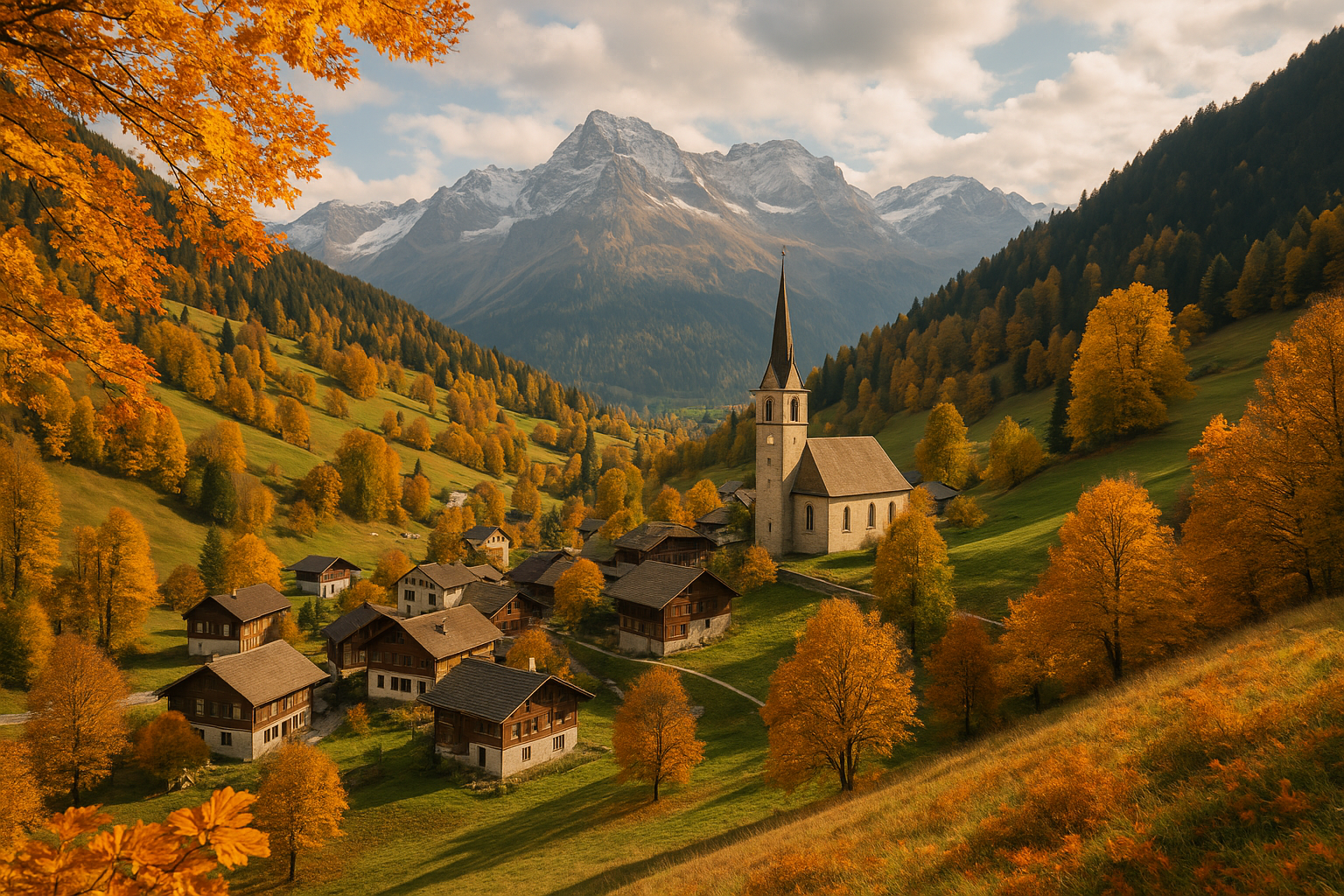
Autumn arrives with cowbells and terraces in Switzerland
By September the decorated cattle processions known as the Alpabzug start in many alpine cantons, a visual marker that the high summer pastures are being emptied and the cheese-making season is moving into valley dairies.
What these months do to the country
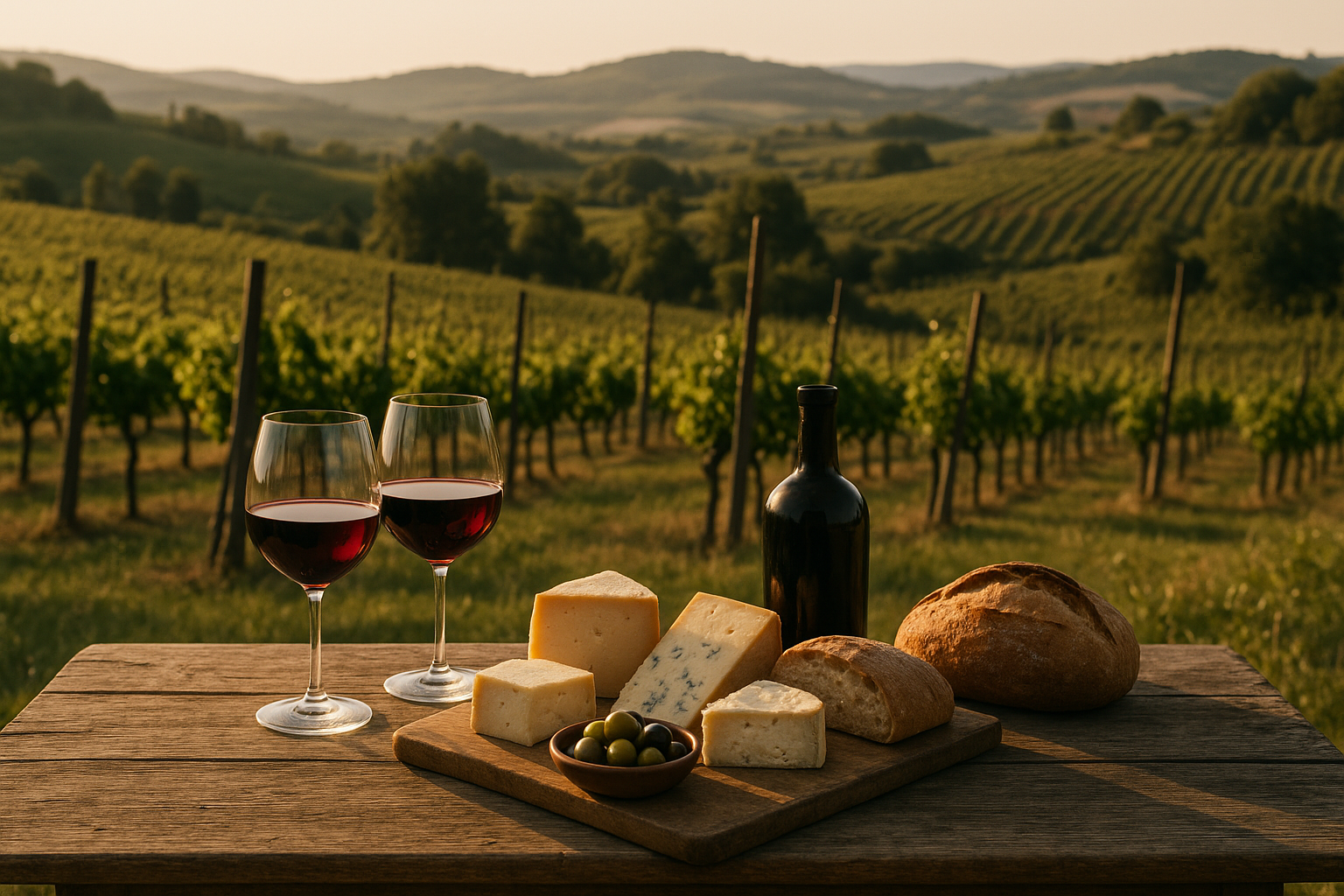
Vineyards on the terraced slopes of Lavaux and in Valais fill the narrow lanes with grape pickers and the word vendange, while the first permanent snows quietly whitewash the Furka and Grimsel passes enough to force autumn timetable changes on mountain railways and cable cars.
In towns across German-, French-, Italian- and Romansh-speaking cantons you'll hear four different languages on the tram, and municipal notices and road signs will change accordingly; that patchwork of languages is a practical part of everyday travel here.
How travel actually works in autumn
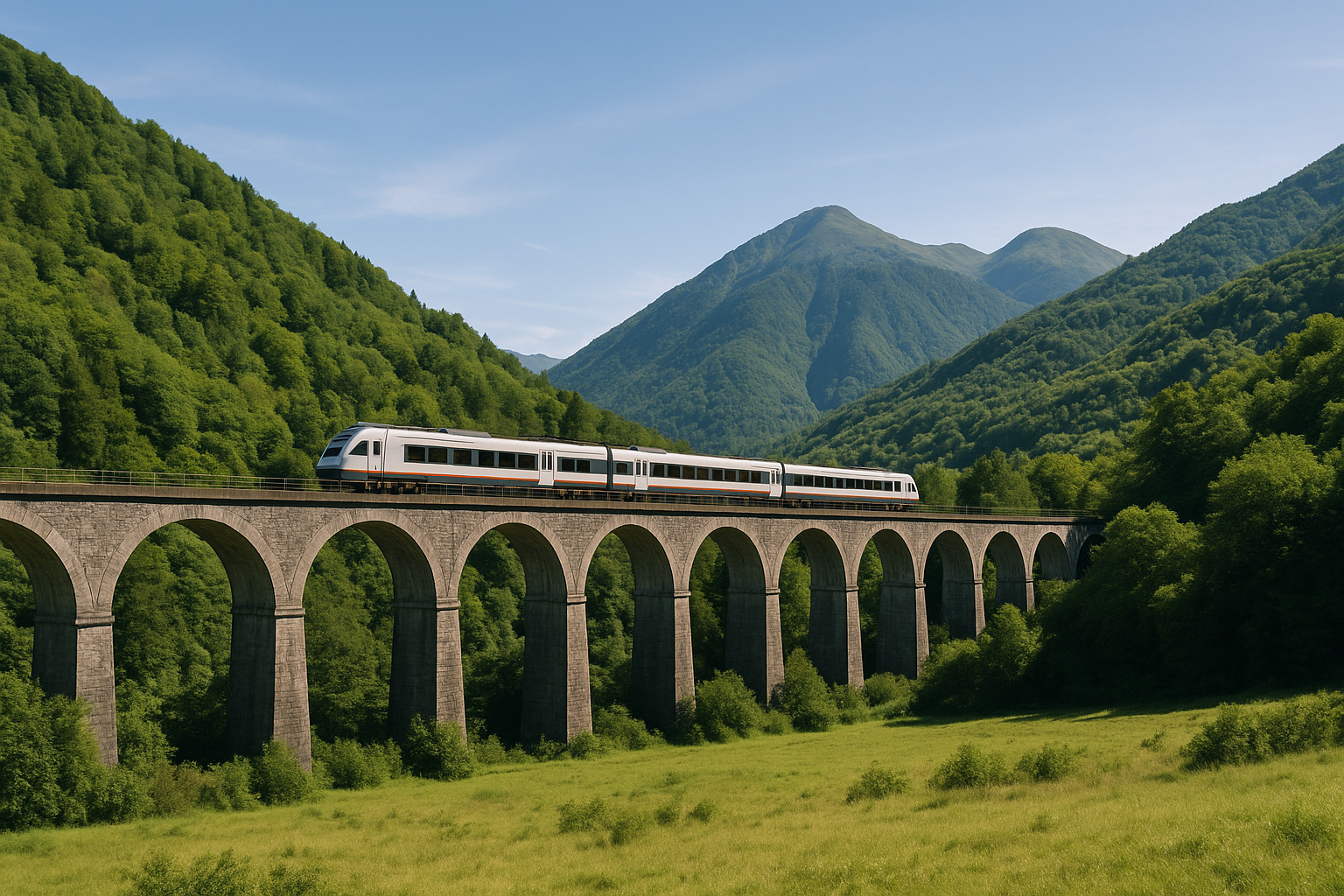
Swiss Federal Railways (SBB) and the yellow PostAuto buses still run to minute-precise connections under the national Taktfahrplan, but expect reduced lifts and seasonal closure notices on higher lines from late October, and double-check return times where a valley becomes a cul-de-sac after a pass shuts.
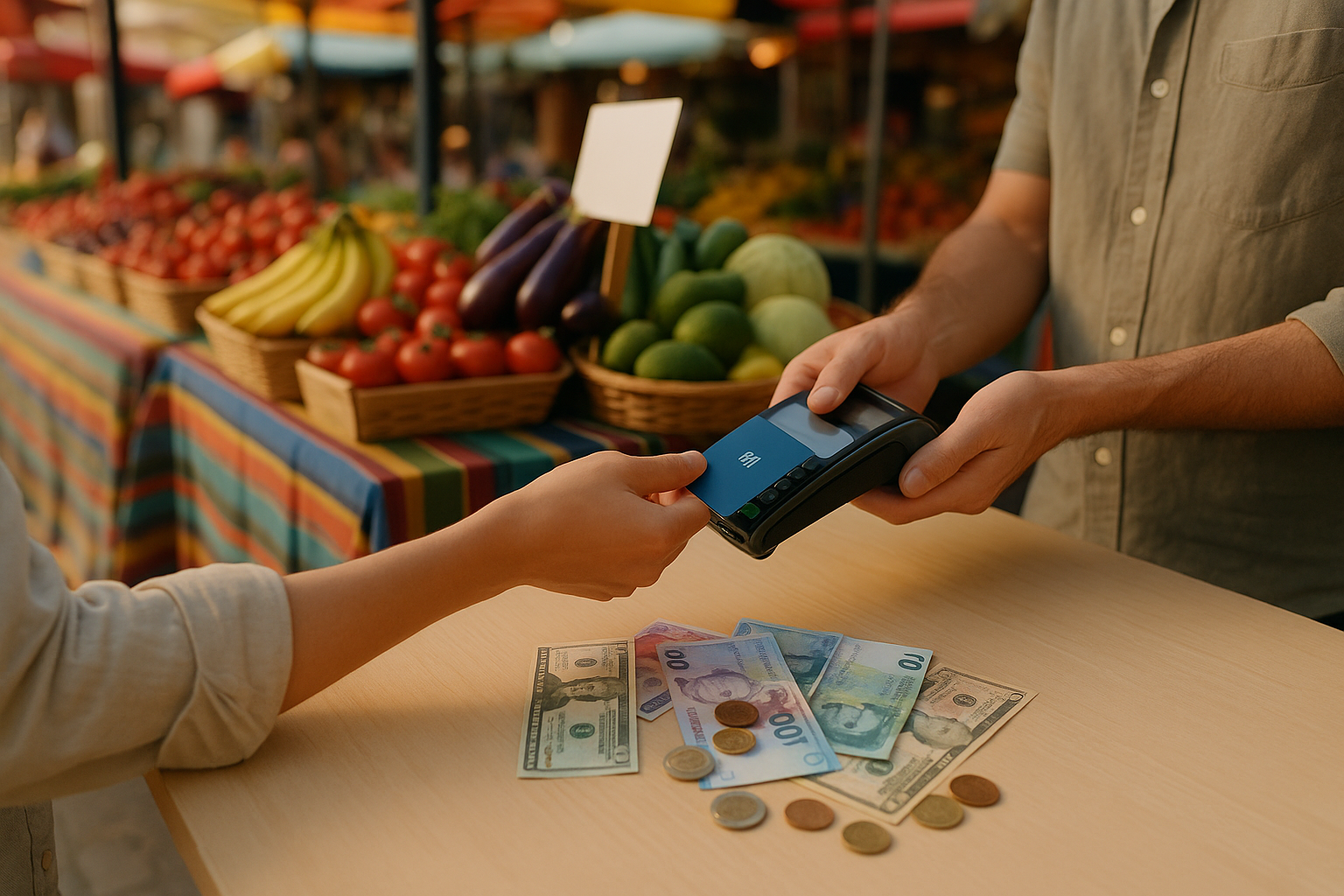
The currency is the Swiss franc and contactless cards are accepted almost everywhere, yet many smaller mountain restaurants still prefer card-tap or cash for quick payments—carry some francs if you plan to buy a raclette at a market stall.
Customs, meals and small surprises
Autumn is when shared cheese dishes reassert themselves: you'll see communal fondue pots and raclette grills at village festivals, and local producers keen to offer samples after a stallholder has told you where the milk comes from; that provenance matters to producers in Switzerland.
Visitors are often surprised by how loudly punctuality and quiet residential rules are enforced—trains run like clockwork, recycling separates meticulously by material, and apartment buildings commonly expect low noise in the evenings—small behavioural details that shape daily life here in autumn.
Quick 5
Switzerland
Switzerland
Switzerland
Switzerland
Switzerland
Regions

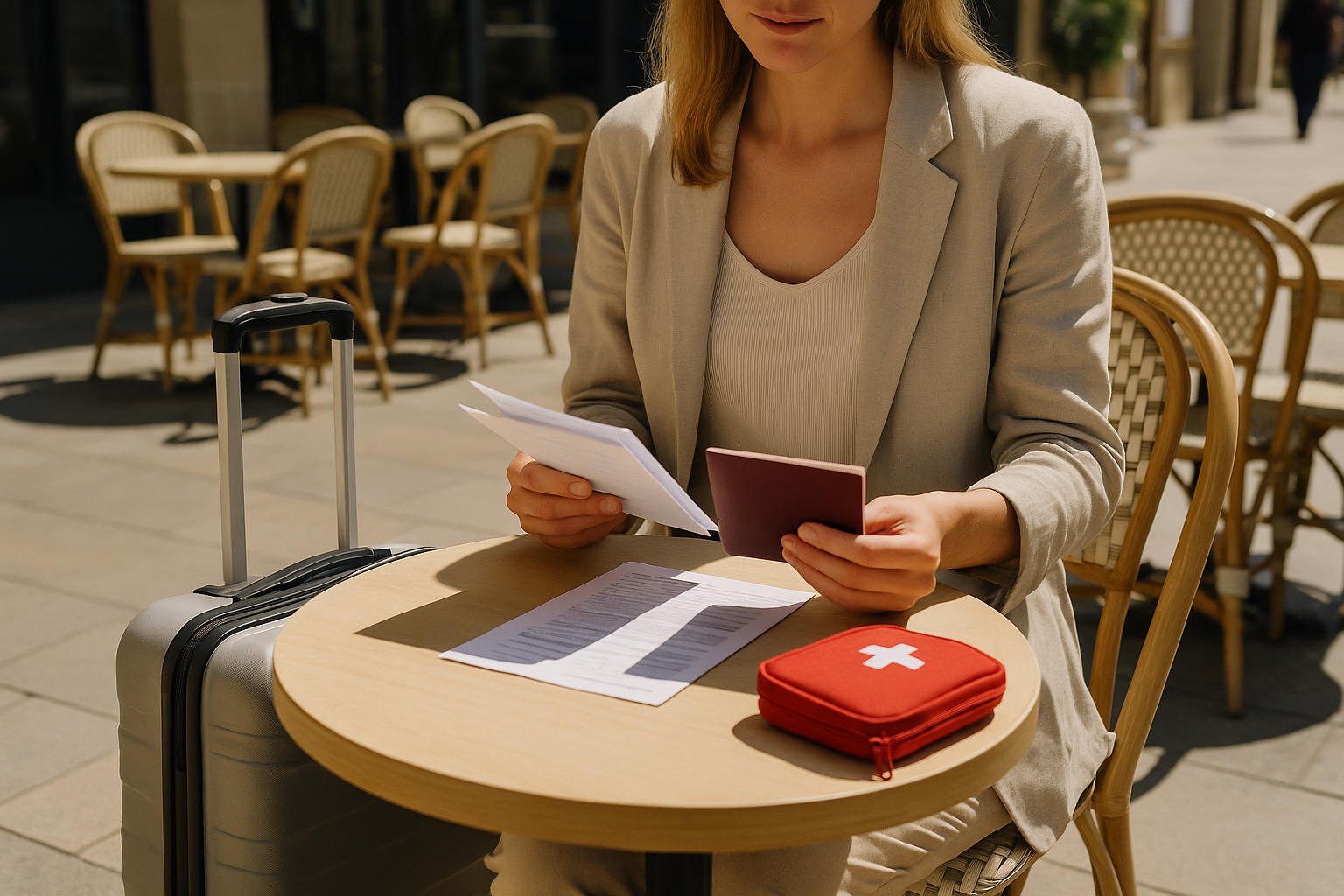
Travel Requirements
What you need to enter Switzerland, for the passport you hold.
Places of interest
Landscapes in Switzerland
Travel Tips