
Vatican City
Short description
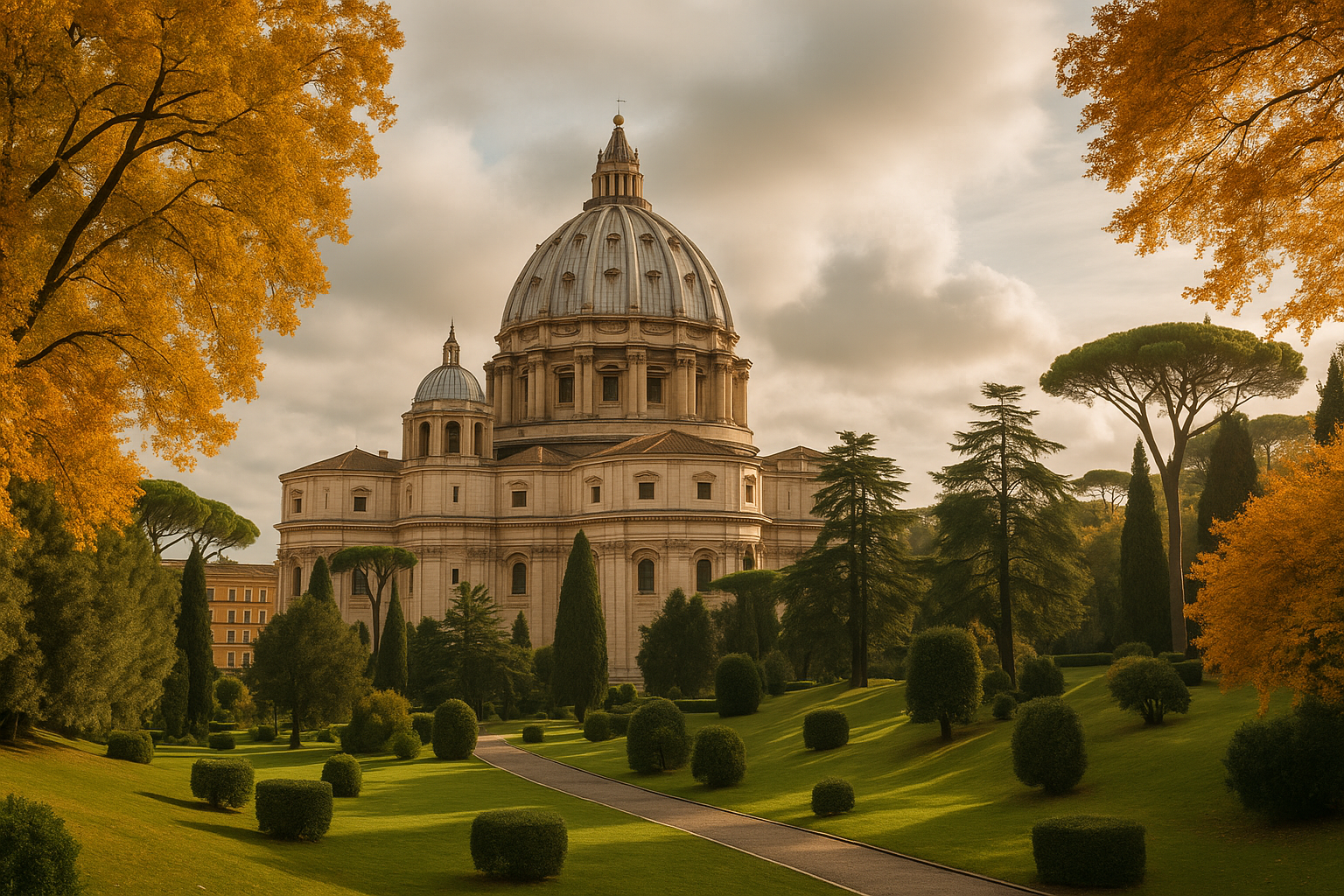
How Vatican City feels in autumn
In September to November the light across St. Peter's Square turns cooler and the whole place compresses into a handful of public rhythms: liturgy, administration and tourism layered on a territory no larger than a single dense neighbourhood of Rome. You move from gate to gate in minutes, see the Swiss Guard on duty, and notice that many streets are not shops at all but offices, residences for clergy, and walled gardens rather than tourist boulevards.
Autumn’s effect on activity inside the walls
Autumn concentrates ceremonial life: harvest-time calm in Rome gives way here to a busier liturgical calendar and more frequent papal audiences and celebrations, so the busiest moments are intense and short-lived. Morning queues for the museums and basilica are noticeably shorter than in August but Sundays and feast days still draw sudden, large gatherings that rearrange foot traffic across the square and surrounding streets.
Practical movement and daily manners in Vatican City
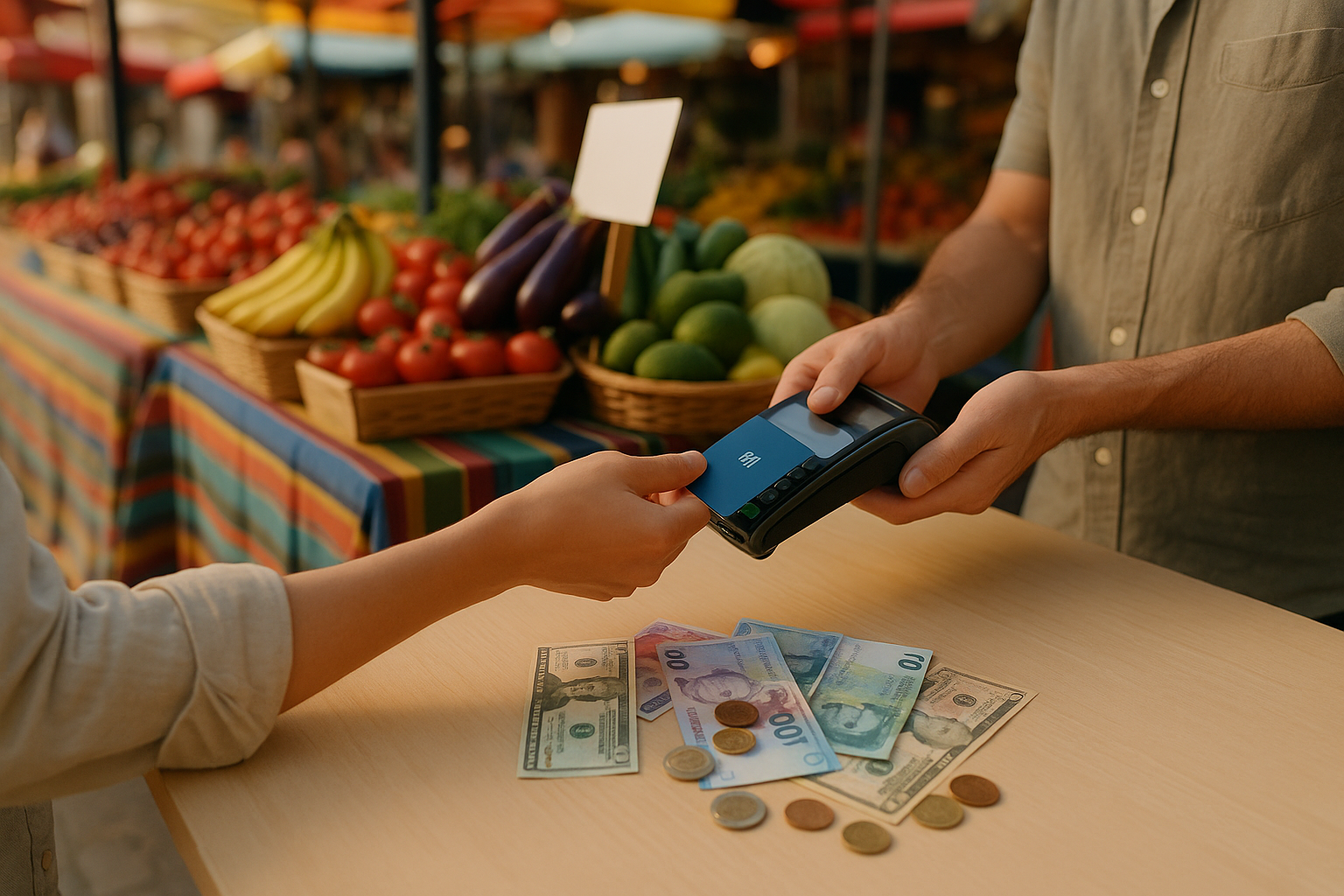
Everything worth walking to is reachable on foot within a handful of minutes, but you arrive through Rome—expect journeys to start at Ottaviano or nearby tram stops and finish on foot. Italian is the working language; signage and informal conversation will mostly be Italian, while Latin will appear in liturgy and inscriptions. Dress plainly and respectfully for church spaces (shoulders and knees covered), keep voices low in chapels, and don’t assume photography is allowed everywhere. Cash in euros works everywhere, though many services and kiosks will also accept cards tied to Rome’s tourist trade.
Small realities that surprise first-time visitors
People often assume the Vatican is only museums and a basilica; instead you’ll encounter a functioning microstate: a post office prized for its stamps, a radio station, administrative courtyards and a resident population of clergy and lay workers. In autumn the difference is clearer—off-peak hours reveal churches used by residents rather than tourists, and the city’s quieter corners feel more like a workplace than a tourist stage.
Quick 5
Vatican City
Vatican City
Vatican City
Vatican City
Vatican City
Regions

Travel Requirements
What you need to enter Vatican City, for the passport you hold.
Places of interest
Landscapes in Vatican City
Travel Tips