

Marshall Islands
Short description
How the Marshall Islands lay out under your feet
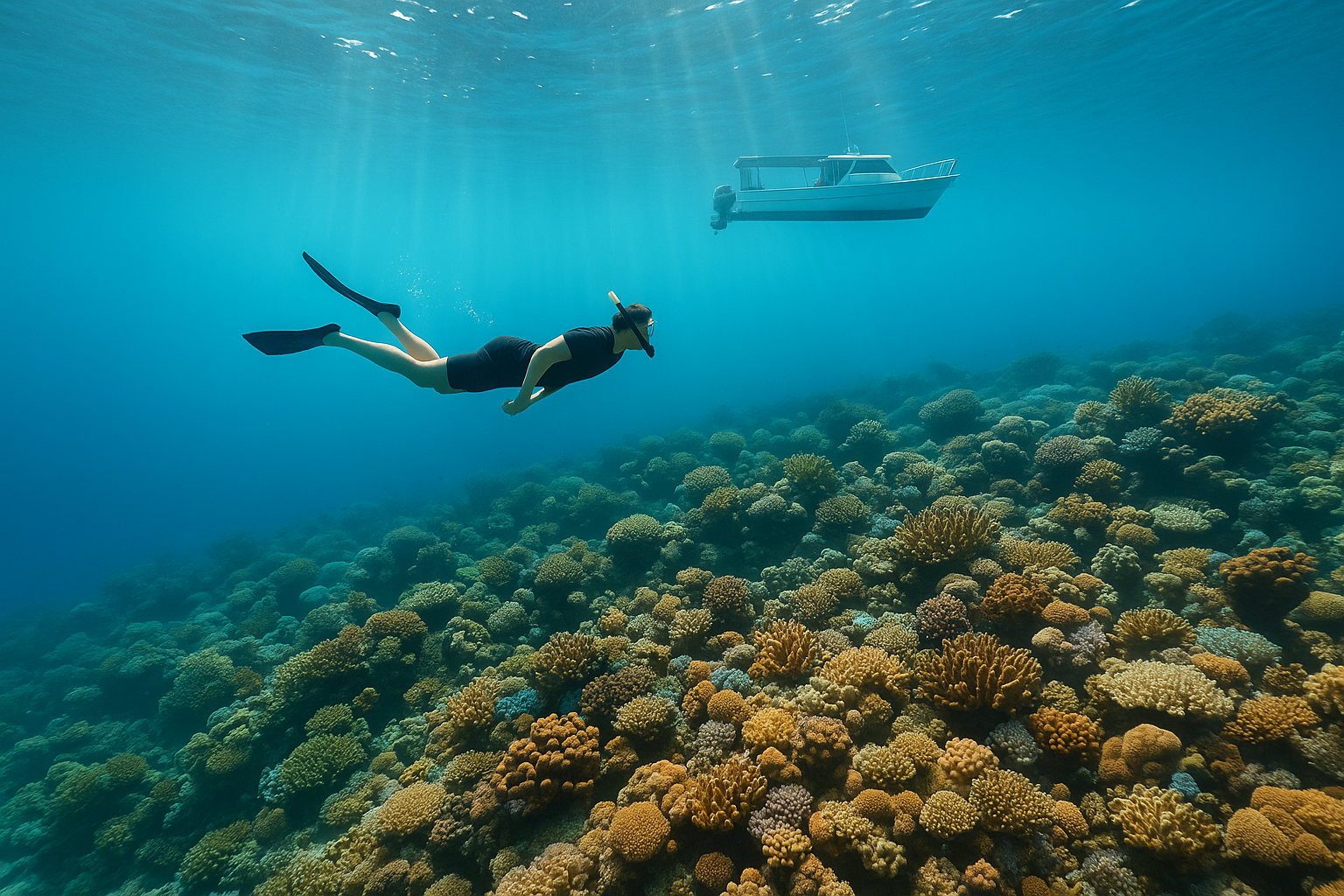
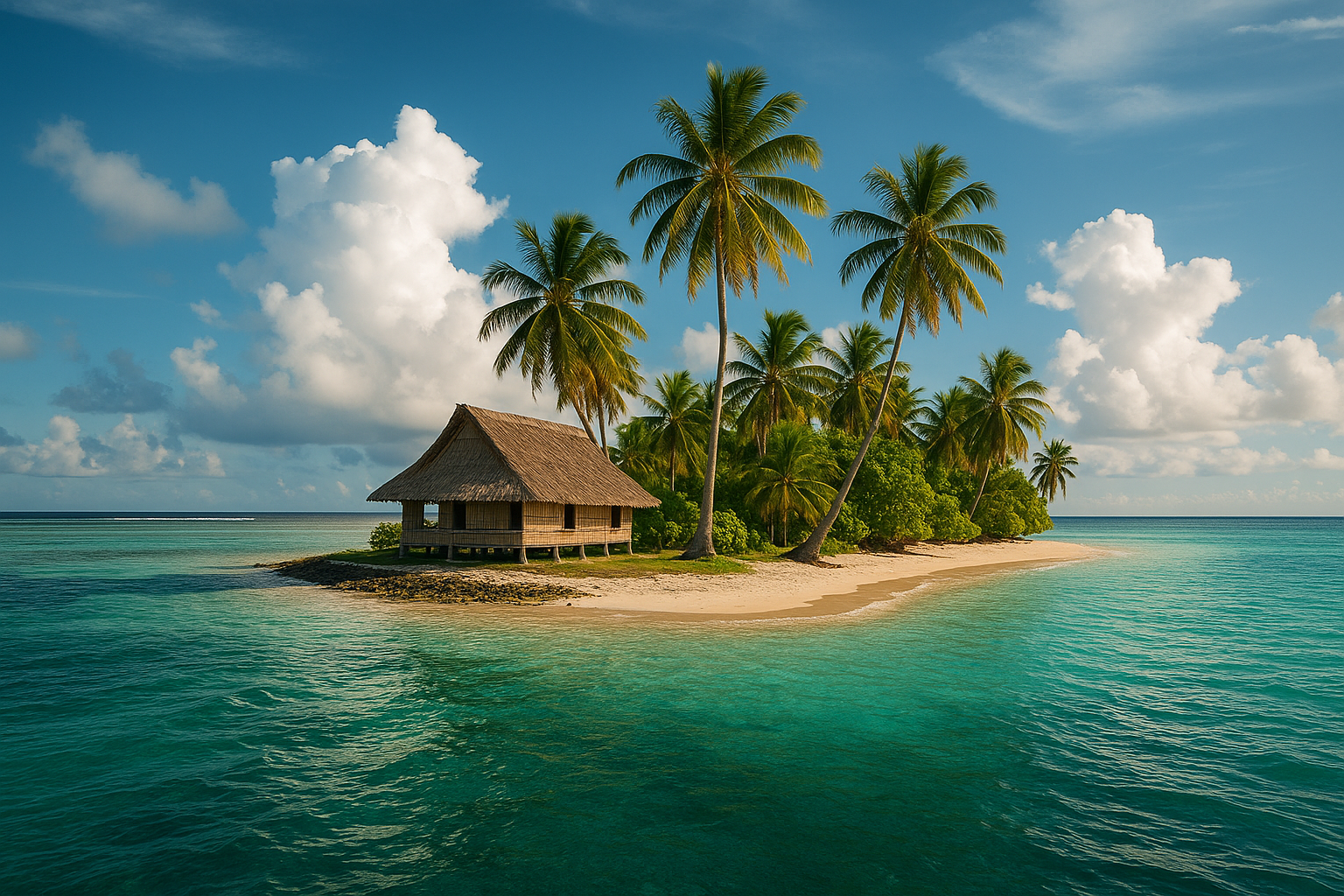
The Marshall Islands are made up of 29 coral atolls and five single islands whose land is mostly a thin rim around lagoons; about 58,000 people live across that narrow shoreline, so villages feel compact and exposed at the same time. World War II wrecks and the legacy of mid‑century nuclear testing at places like Bikini make the seascape and seabed unusually crowded with history, and the country’s territorial waters stretch far beyond the tiny land area you walk on.
Autumn here — September to November
September through November is still within the Marshallese long wet season: squalls are more frequent, humidity climbs, and the central Pacific’s cyclone window can extend into November, so inter‑island services sometimes pause. Local markets shift a little — fish sales peak when seasonal currents push baitfish into lagoons — and fewer cruise visits in autumn mean that inhabited atolls feel quieter than in the peak winter months.
Getting between atolls in the Marshall Islands
Expect most travel to involve a small prop aircraft or a cargo barge rather than long road trips: scheduled domestic flights link the main population centres, while many outer atolls rely on irregular barge runs that carry everything from household goods to school supplies. The U.S. military presence on Kwajalein creates its own travel rules around that atoll, so movement there is different from travel to other atolls. Cash in US dollars remains the practical medium outside the largest stores, and English appears on official forms even where Marshallese is spoken at home.
How people live and what visitors notice
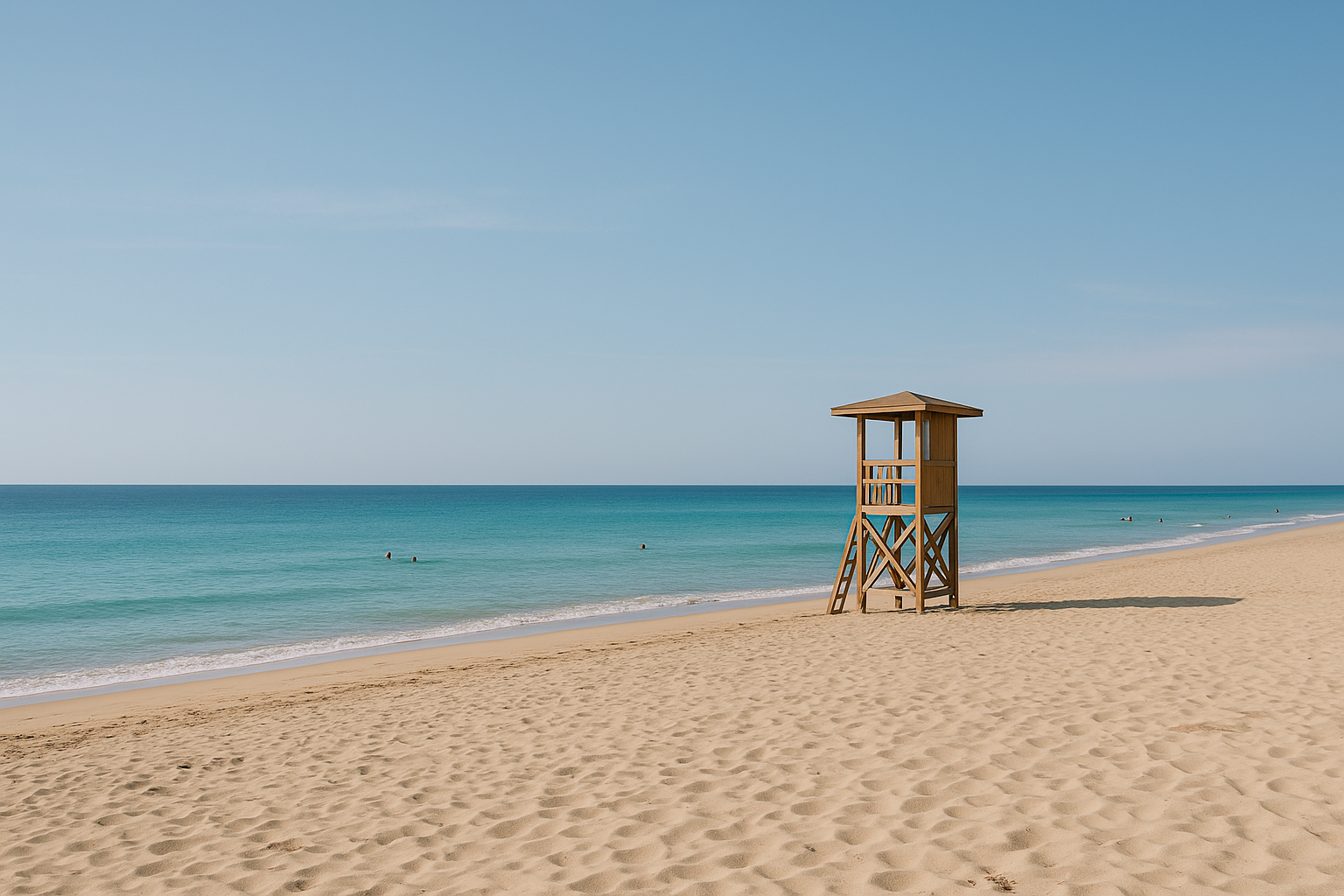
Churches and community gatherings structure the week in places where land ownership and clan ties still shape daily routines; you’ll see extended families sharing cooked taro and coconut‑based stews and exchanging food for small services. Dress is informal on the reefs but more formal for services and island meetings. Visitors often assume the islands are sprawling beaches; the surprise is how narrow the land is, how quickly the sea is at the road’s edge, and how that geography informs everything from architecture to the importance of boat skills.
Quick 5
Marshall Islands
Marshall Islands
Marshall Islands
Marshall Islands
Marshall Islands
Regions

Travel Requirements
What you need to enter Marshall Islands, for the passport you hold.
Places of interest
Landscapes in Marshall Islands
Travel Tips