

Micronesia
Short description
September–November: the tail of typhoon season and its quiet pockets
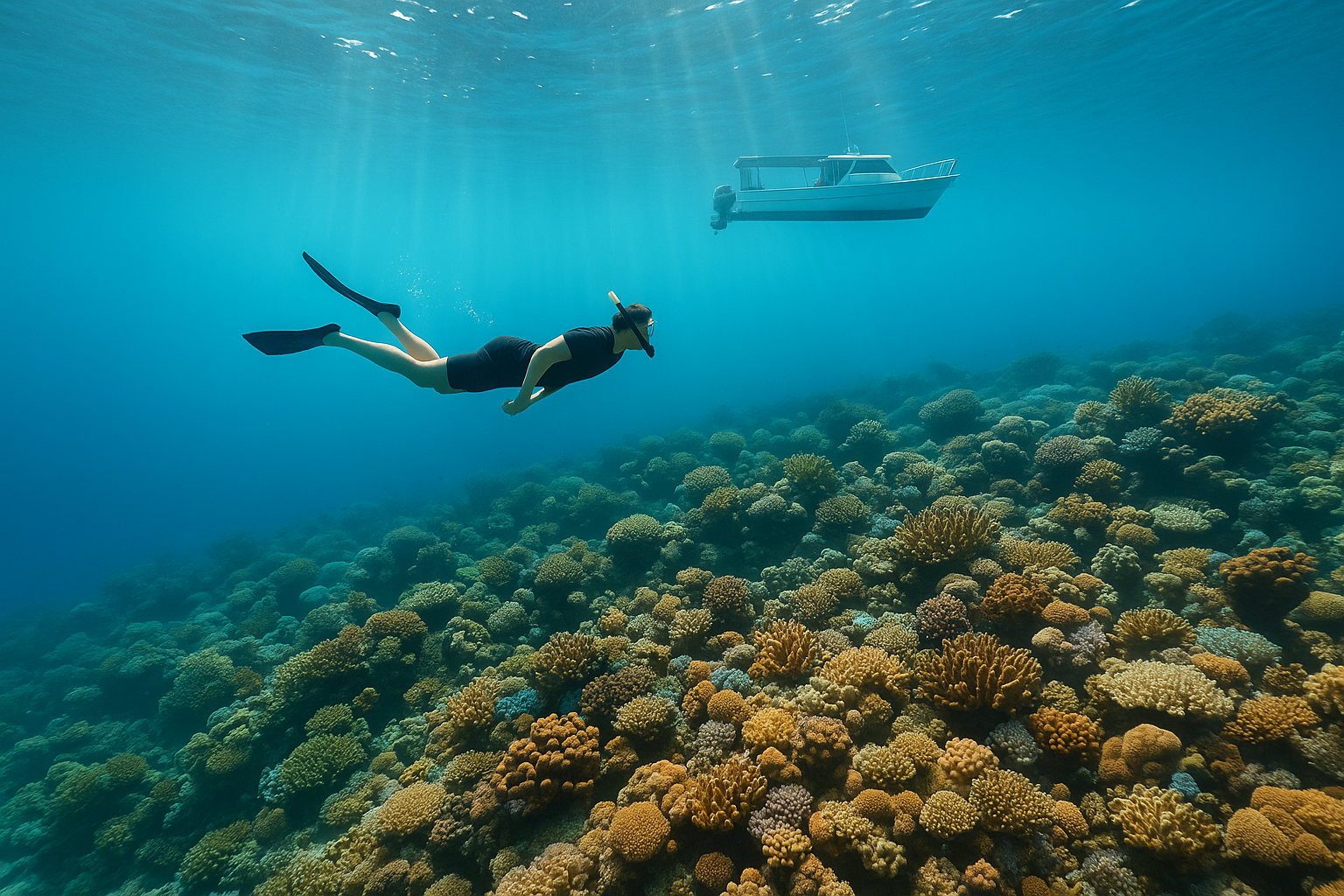
September through November still carry the northwest Pacific typhoon risk over Micronesia, particularly for Yap and Kosrae, but those months also produce stretches of stable weather between systems when lagoons go glassy and visibility for diving recovers. Rainfall patterns remain uneven: Pohnpei’s high interior will keep dumping rain while some atolls see long, sunlit afternoons after a passing storm.
Four political states that feel like separate places
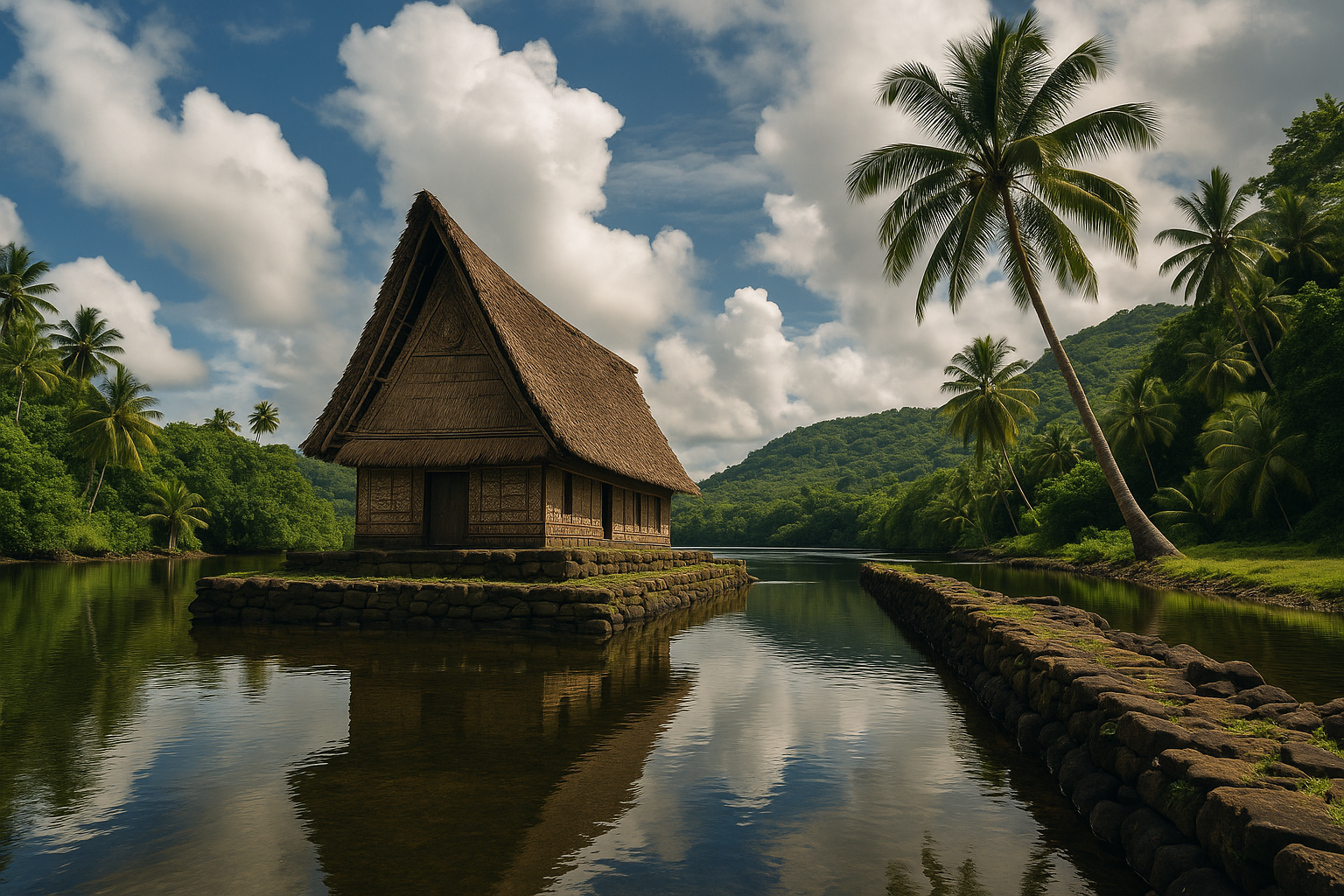
Micronesia isn’t a single island to explore in a week — it’s four states (Yap, Chuuk, Pohnpei, Kosrae) scattered across a maritime area far larger than its landmass suggests. Yap’s low islands and living stone-money sites feel culturally distinct from Chuuk’s lagoon of wartime wrecks; Pohnpei’s volcanic interior can be wet and green when the low atolls are dry; Kosrae’s cliffs and coral shelves are quieter still. Palikir sits on Pohnpei island but you’ll more often pass through regional centers than the national capital itself.
How travel moves in autumn: crews, flights and limited schedules
Inter-island travel depends on a small number of domestic flights and a handful of ferry runs; both are vulnerable to last-minute changes when storms queue up in September and October. Most long-haul connections arrive via Guam region hubs, and US dollars and English make transactions straightforward once you land. Expect low-bandwidth internet outside main towns and plan for flexible timetables rather than frequent daily services.
Everyday manners, meals and what locals will offer
Daily life centers on extended family and village councils; visitors are introduced to communal decision-making and a preference for polite, indirect refusals rather than blunt no. Meals revolve around fish, taro, breadfruit and coconut—shared plates appear at village gatherings—and you’ll be offered kava or coconut toddies in informal settings. Dress is casual on atolls but more conservative in village ceremonies; observing how locals step aside for chiefs or elders is the quickest way to avoid awkward moments.
Quick 5
Micronesia
Micronesia
Micronesia (FSM)
Micronesia (FSM)
Micronesia
Regions

Travel Requirements
What you need to enter Micronesia, for the passport you hold.
Places of interest
Landscapes in Micronesia
Travel Tips