


Palau
Short description
Rain and sea this autumn: what September–November does to Palau
September to November falls inside Palau’s wetter months, which means frequent tropical showers, higher humidity and very warm sea temperatures that keep scuba season active even as land visibility drops after heavy rain. Squalls can arrive and clear in an hour; on good days the water is glassy and on others the run-off dulls visibility around river mouths, so dive operators alter sites and timings rather than cancelling the whole week.
How Palau moves — boats, a small airport and compact islands
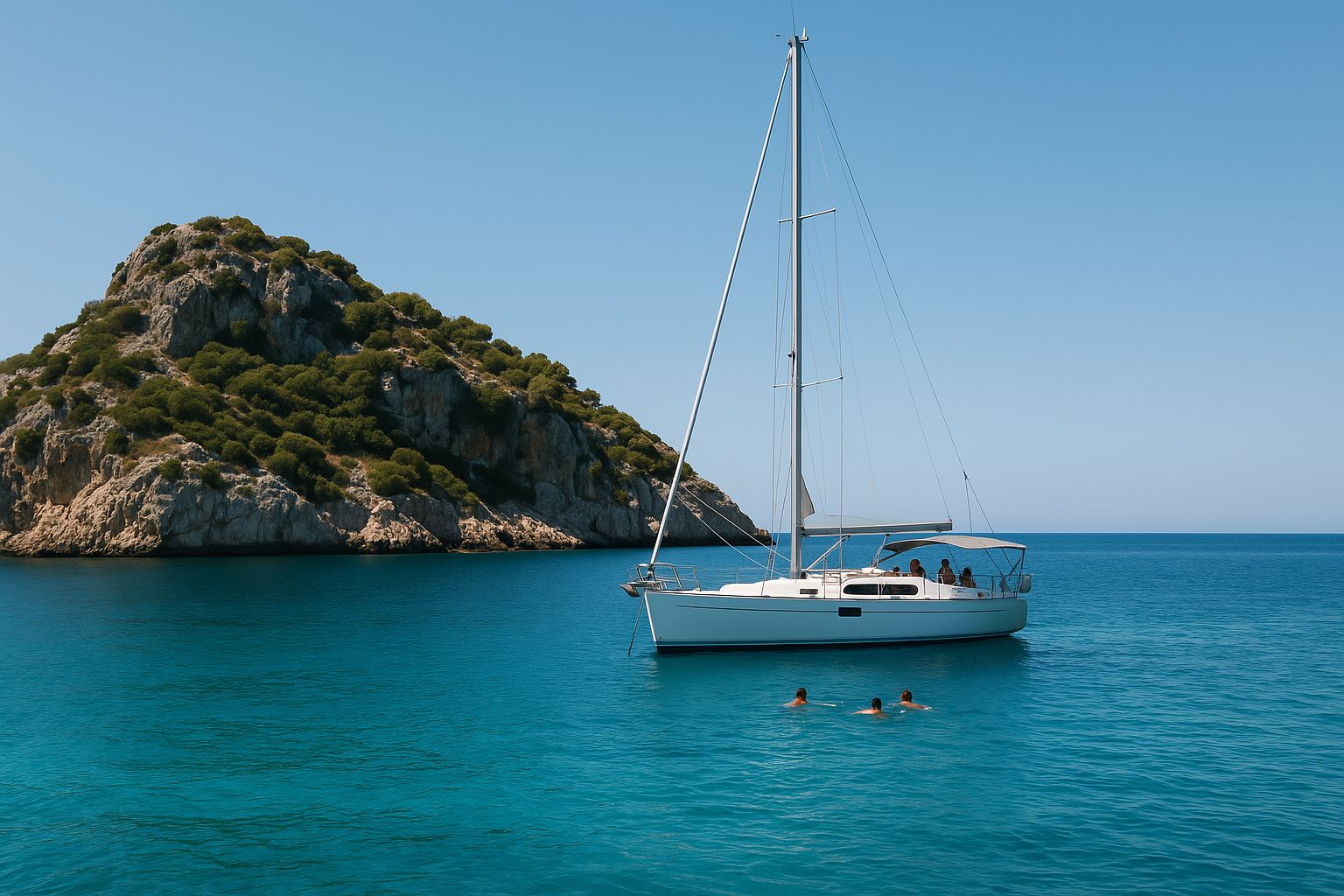
Most international flights come into the airport at Airai on Babeldaob, and the population of about 17,000 is concentrated a short drive away in Koror, which is where services, dive shops and groceries cluster. Inter-island travel is resolutely local: scheduled ferries are limited, so expect to use chartered boats or small skippered launches for outer islands, and hire cars or taxis on the main roads; Palau drives on the right and petrol stations are fewer outside Koror.
Everyday customs visitors notice first
English is widely spoken alongside Palauan, and social interactions are quietly communal — family connections matter and visitors are often invited into homes or village events. It’s polite to accept even a small portion when offered food, remove shoes when entering private homes or certain community buildings, and ask permission before photographing people or ceremonial places; tipping is not a formal expectation but appreciated for tour crews and guides.
Eating, diving and what surprises people
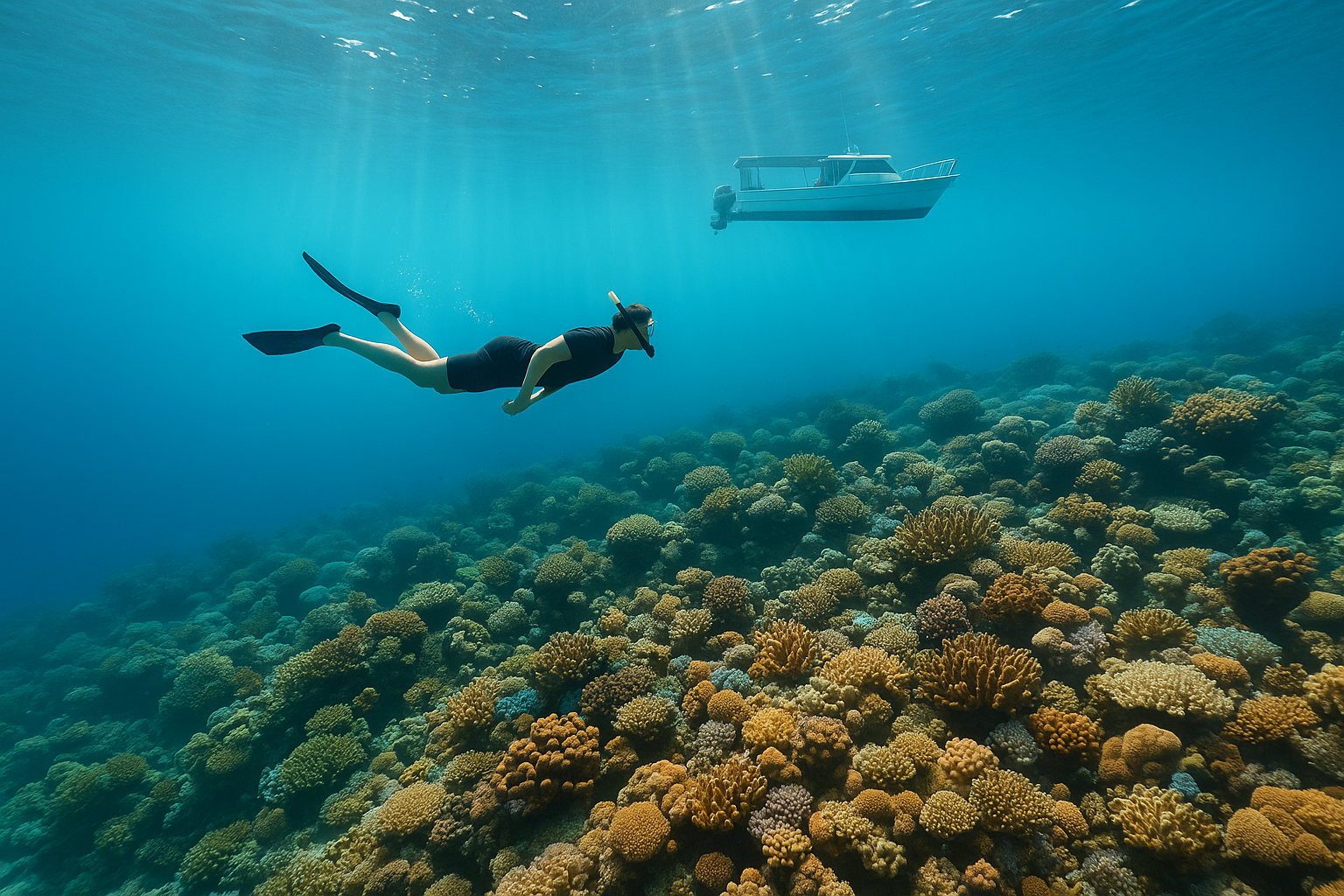
Meals lean on seafood, taro and coconut; you’ll find informal food stalls in Koror and fish brought ashore most days, so eating is often about whatever arrived that morning. Many visitors arrive thinking Palau is only about reefs and remote atolls; yes, the marine life is central, but so is a compact, modern centre in Koror with cafés, dive outfitters, government offices and a palpable local effort to protect reefs — expect briefings on conduct in the water and to follow strict no-touch, no-collect rules when diving or snorkeling.
Quick 5
Palau
Palau
Palau
Palau
Palau
Regions

Travel Requirements
What you need to enter Palau, for the passport you hold.
Places of interest
Landscapes in Palau
Travel Tips