

Papua New Guinea
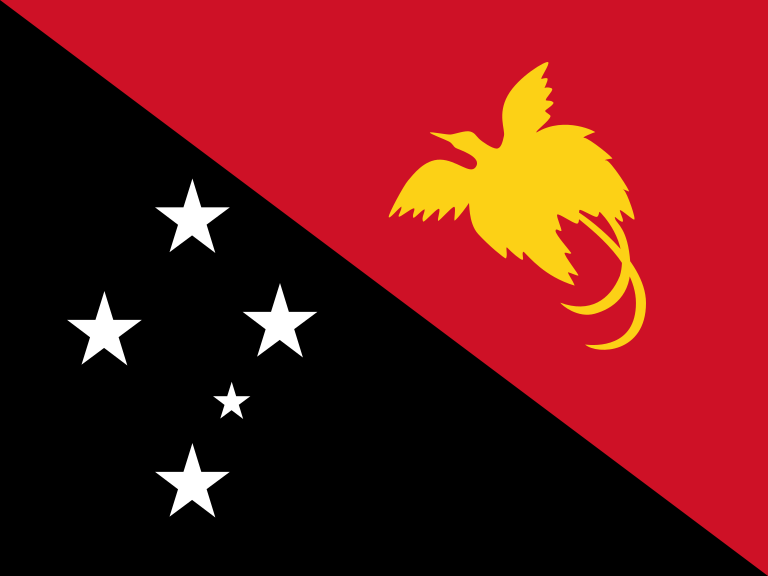
Short description
More than 800 tongues and a landscape that edits your plans
In Papua New Guinea you will notice immediately that villages, valleys and islands have their own rhythms: a language, garden plots and a set of kinship obligations that matter more than any national timetable. Travel between a market on the Sepik, a Highlands coffee station and a coastal village can feel like crossing countries rather than moving inside one.
September–November: show season, dust then sudden wet
September often brings the cultural peak of the year — the Goroka sing-sing takes place in early September and draws tribes from across the Highlands — and the weather reflects that concentration of movement. For much of the country these months sit at the tail end of the drier interval: Highlands mornings are cool and clear, lowland heat and dust build through October, and by November the first monsoon squalls and humid cloud bands arrive in many coastal and island areas, turning main roads quickly from dusty tracks into slippery riverbeds.
How getting around in Papua New Guinea actually works
Domestic flights are the backbone of long-distance travel; where the Highlands Highway runs you can cover ground by road, but expect journeys to take far longer than the map suggests when unsealed sections, river crossings and market traffic are involved. Cash in kina is the default outside Port Moresby — ATMs and card facilities are patchy — and mobile signal vanishes in valleys and offshore atolls, so plan for delays and leave room for a missed connection.
Daily manners, food and things that surprise first-time visitors
Tok Pisin will get you a long way; greetings are often formal and a handshake followed by a brief chat about family or place is common. Meals are social: in the Highlands you’ll encounter kaukau (sweet potato) and pork served at communal feasts, on the coast expect sago and fresh seafood, and mumu — food cooked in an earth oven — turns up at celebrations. Visitors are almost always offered food; decline politely if you must, but accepting a small portion is the usual courtesy. Many travellers are surprised by how prevalent betel nut (buai) chewing is and the purple stains it leaves, and by how church calendars shape opening hours and public life.
Quick 5
Papua New Guinea
Papua New Guinea
Papua New Guinea
Papua New Guinea
Papua New Guinea
Travel Requirements
What you need to enter Papua New Guinea, for the passport you hold.