

Samoa
Short description
September–November: Samoa slipping from dry into heavy afternoons
On Upolu and Savai'i, September to November is the window when the long clear spells of the dry months give way to a thicker, humid air and more frequent afternoon squalls; by November you can expect the first really wet days as the Pacific’s wet season starts to advance.
How Samoan days actually run
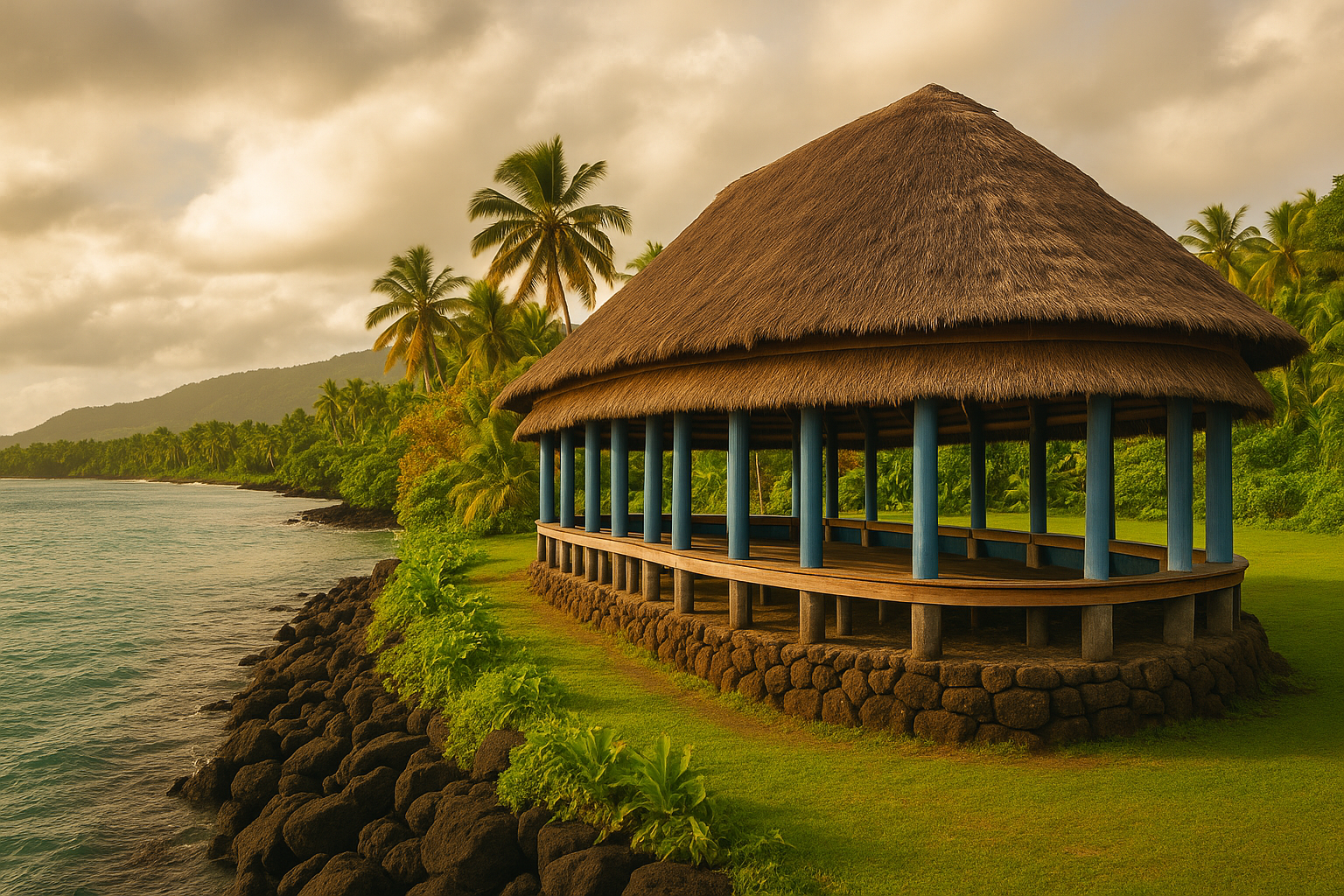
Days are organised around village life and the church. Sunday services dominate the week: roads, markets and many eateries slow after morning services and families gather for extended meals. The matai system and village councils set local rhythms—if you hear a formal call at the malae (village green), people respond and the tempo of the place tightens in a way you notice immediately.
Getting about and staying connected
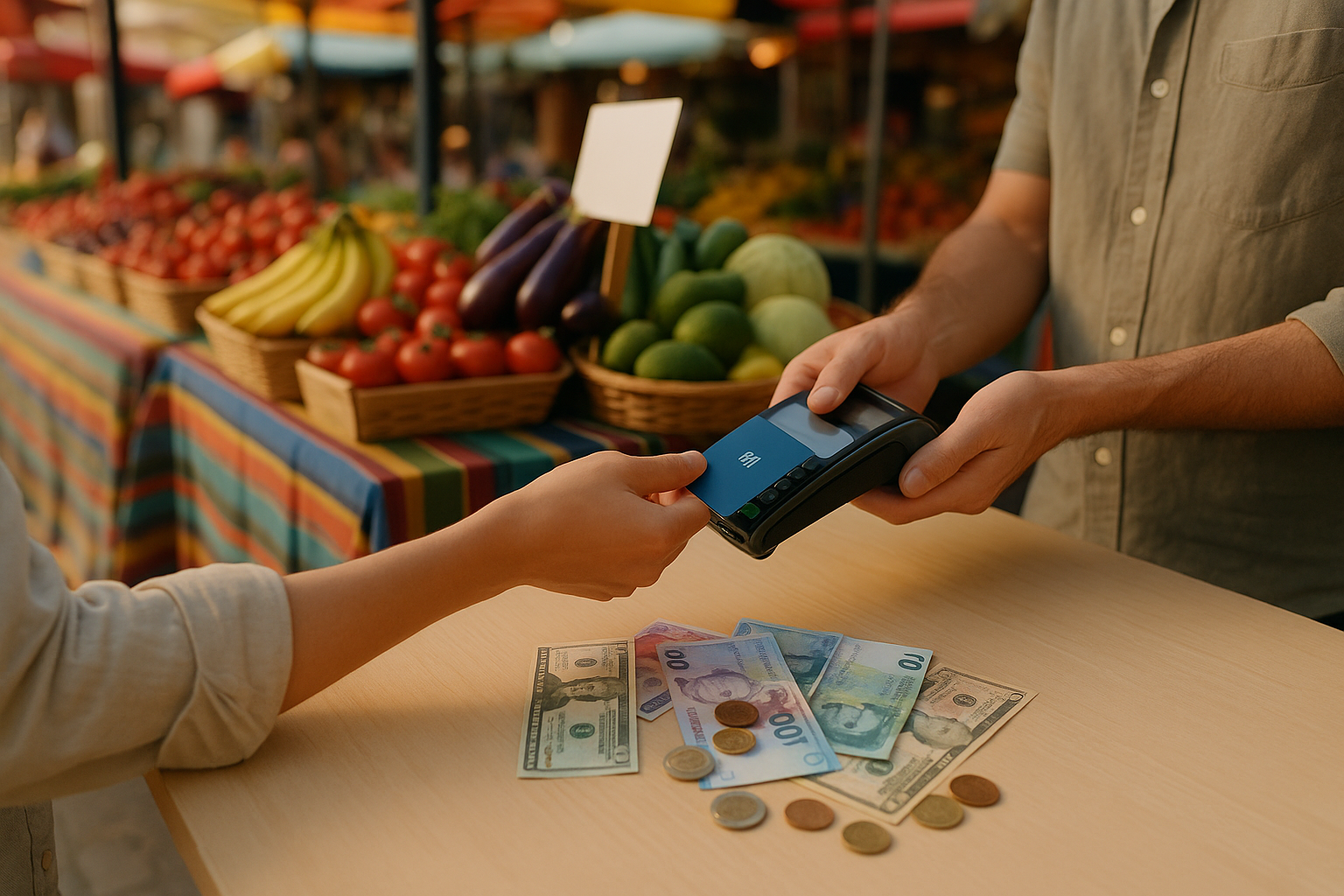
Distances are short but travel is not always quick: the ferry between Upolu and Savai'i links the islands in roughly an hour, but inland routes wind around volcanic ridges and coastal roads that can be narrow and slow. Apia has the country’s best card acceptance and ATMs; once you leave the capital, cash in tala is what most roadside stalls and village markets expect. Mobile coverage reaches most coastal settlements, but data speeds can dip and phone signal drops in deep valleys.
Manners, dress and everyday expectations
Talofa opens almost any conversation; faafetai closes it. Respect for elders and for chiefs is shown in small rituals—a quiet nod, removing shoes before entering a fale, or waiting for an invitation before sitting at a finely set communal table. Dress is relaxed but modest: men often wear a lavalava and collared shirt, women a puletasi or wrap; for church wear your shoulders covered and avoid beachwear away from the shore. Tipping is uncommon and can feel awkward.
Food as a social event, not a menu
Meals are often communal and oven-cooked in the umu; palusami and oka appear naturally at family gatherings and village feasts, especially after Sunday services. If you’re offered food in a fale or during a show of fa’a Samoa hospitality, accepting at least a little is the etiquette—declining can be read as refusal of the invitation itself.
Quick 5
Samoa
Samoa
Samoa
Samoa
Samoa
Regions

Travel Requirements
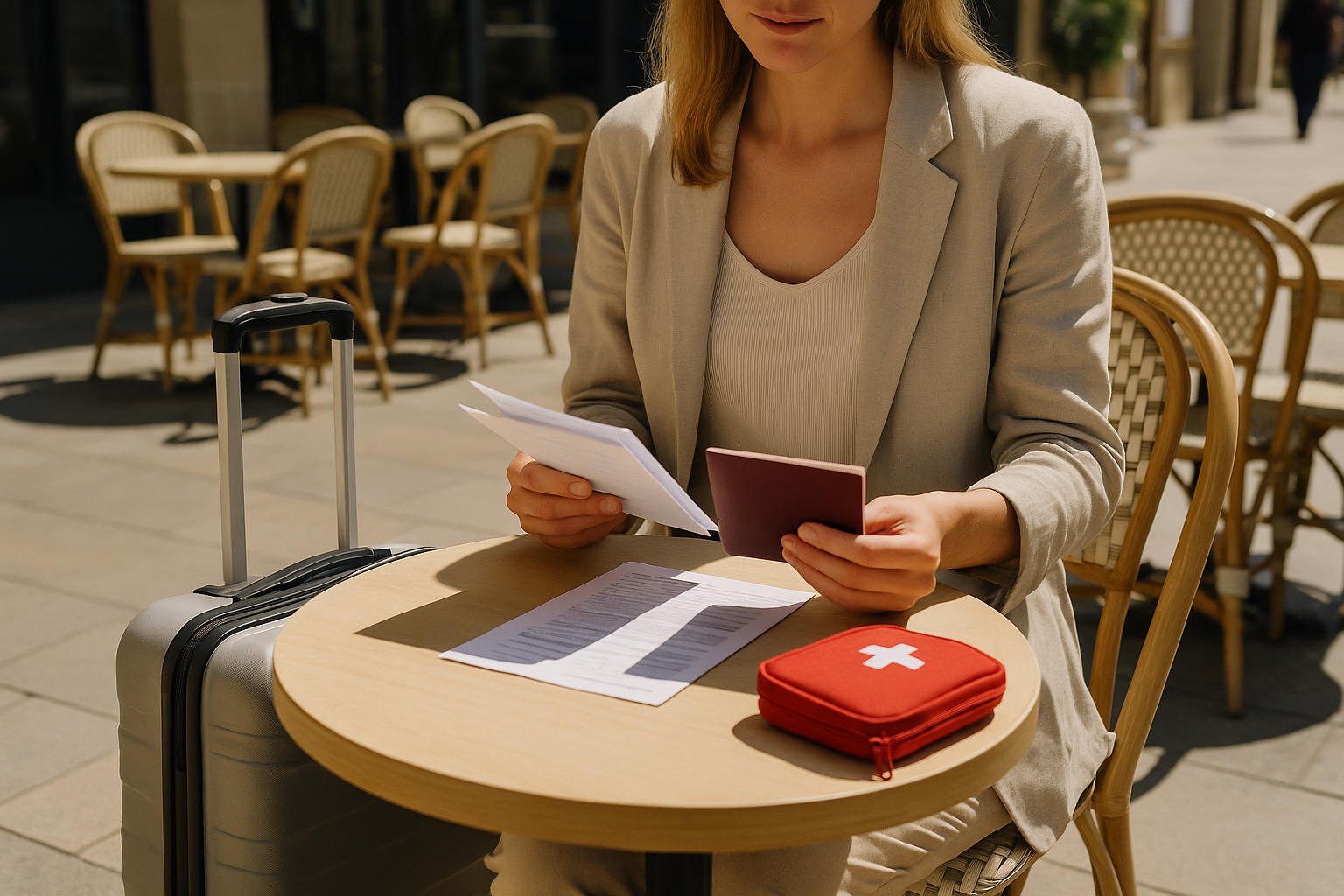
What you need to enter Samoa, for the passport you hold.
Places of interest
Landscapes in Samoa
Travel Tips