


Tuvalu
Short description
September–November: the edge of the wet season in Tuvalu
September and October are the lingering dry months on Tuvalu’s atolls; by November the north‑west trade winds slacken, afternoons bring heavier cloud buildups and the first sustained rain episodes of the year become common.
That shift matters: November heralds the start of the period when lagoon levels rise, reef passes carry stronger swells and boats are more frequently delayed, so the weather dictates whether an outer island visit goes ahead that week.
How life moves across Tuvalu’s narrow islands
Daily life happens along a thin strip of land ringing the lagoon — roads are narrow, houses sit close to the beach and bicycles or small pickup trucks are the normal way to get around rather than long drives.
Church services set the weekly tempo here; Sundays remain quiet on all islands, with many shops and services in Funafuti closed while congregations meet, and dress is conservative for worship.
Food and social eating on Tuvalu in these months
September–November coincides with an increase in palolo harvesting in many parts of the Pacific, and on Tuvalu you may be offered palolo preparations when the spawn arrives; coconut crabs and day‑boat fish are regular table fare, and meals are commonly shared among family or neighbours rather than eaten alone.
Moving around, money and simple surprises
Most international travel funnels through Funafuti’s single airport and boats gathering in the lagoon handle inter‑island transport; services are infrequent and often change with the weather, so plans need scheduling flexibility.
The Australian dollar is used for everyday purchases, but card machines are mainly in Funafuti; on outer isles cash is the practical norm. English is official, yet Tuvaluan is the everyday language in villages — a few polite Tuvaluan phrases go a long way.
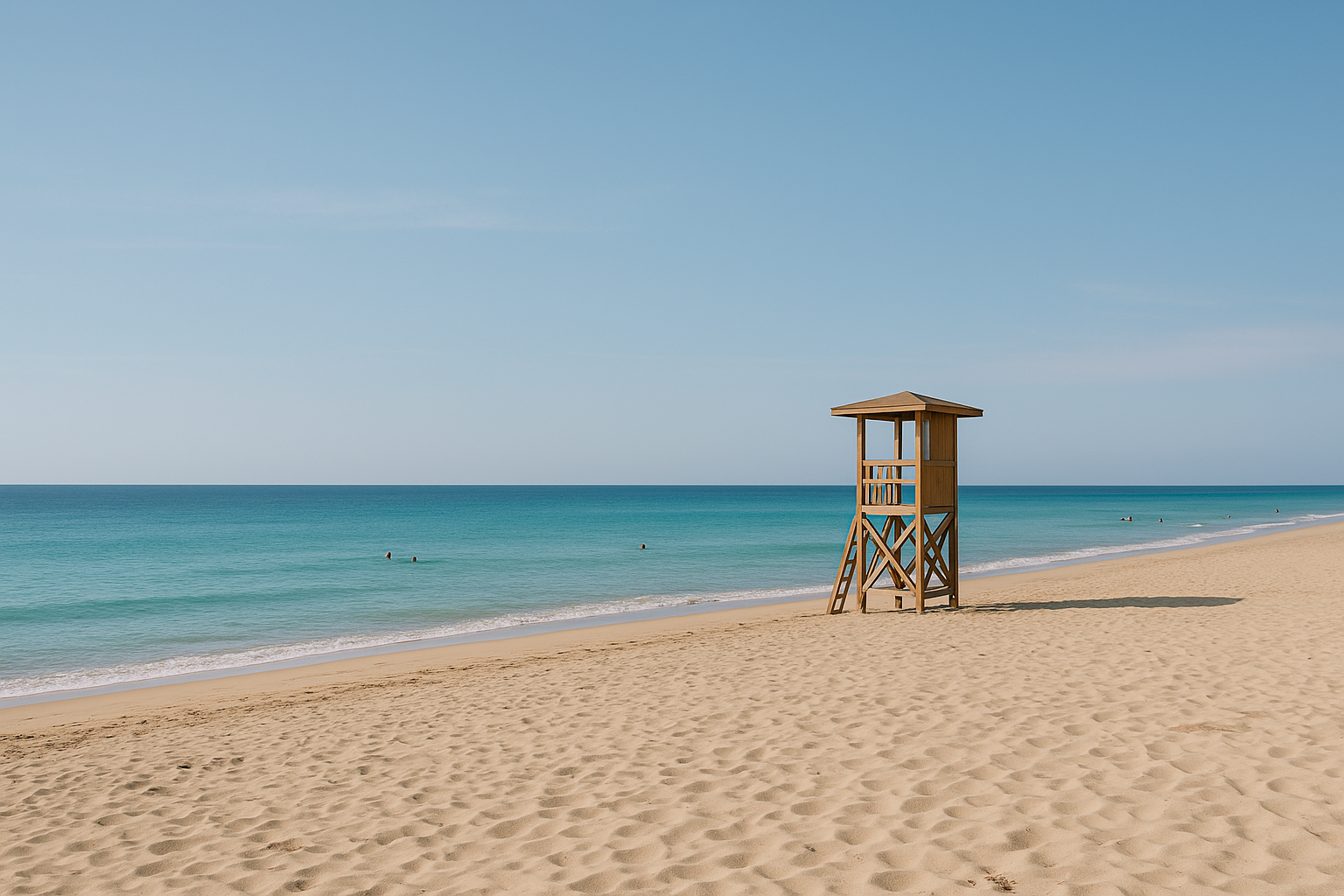
Visitors often expect wide expanses of sand, but many islands are slim ribbons of reef and the shoreline can be meters from houses; awareness of tides and respect for church and village customs are the most useful local adjustments a traveller makes in Tuvalu during autumn.
Quick 5
Tuvalu
Tuvalu
Tuvalu
Tuvalu
Tuvalu
Regions

Travel Requirements
What you need to enter Tuvalu, for the passport you hold.
Places of interest
Landscapes in Tuvalu
Travel Tips