
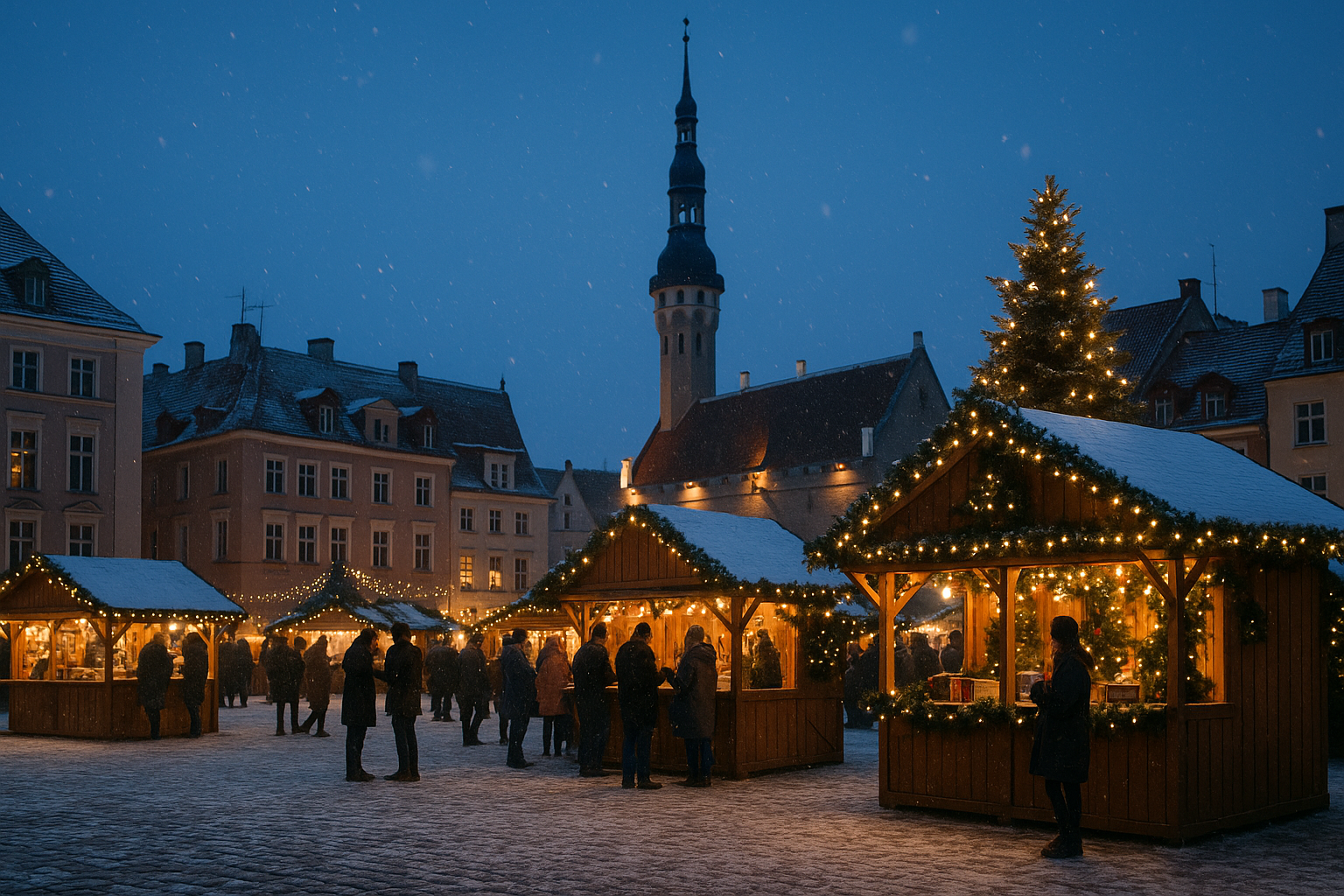
When to go
When to go
Most Christmas markets open in late November and run through 23–24 December; many keep limited stalls open until early January. Weekday afternoons are far less crowded than weekend evenings; avoid the main Advent weekends if you can. Always check the market dates and opening days for the city you plan to visit—some markets close on certain weekdays or have altered hours around holidays.
Weekday afternoons are the best time to enjoy the lights, try local food and avoid the biggest crowds.
Planning your trip
What to expect
What to expect
Most markets have rows of wooden stalls selling crafts, ornaments, local foods, and hot drinks. Look for regional specialties (sausage, pastries, cheeses) and live elements like nativity scenes, choirs or outdoor concerts. Many larger markets include ice rinks, carousels or a Santa grotto—smaller village markets are quieter and often more handmade-focused.
Mug deposit system
Budget and payment
Budget and payments
Hot drinks and snacks add up quickly—factor several small purchases per person. Cash is still useful at many stalls, though contactless cards are increasingly accepted; check signs on each stall. Avoid obvious mass-produced plastic souvenirs: handmade items usually show visible craft marks, natural materials, and a vendor card or maker’s name.
Dos and don'ts
Dressing for the cold
Dressing for the cold
Use a three-layer system: thermal base layer, fleece or wool mid layer, and a windproof/waterproof outer shell. Wear a warm hat, scarf and gloves (bring a spare pair). Choose waterproof boots with good grip for icy cobbles and thick socks—consider removable liners or hand warmers for very cold days.
Safety and crowds
With kids and accessibility
With kids and accessibility
Daytime visits are easier with pushchairs and young children—crowds are smaller and attractions are open. Check market maps and town websites for accessible routes, lifts or ramps; some historic squares have cobbles and steps. Consider a lightweight carrier for narrow, crowded aisles and agree a simple plan if you get separated.
Photography tips
Sustainable choices
Sustainable choices
Bring a reusable cup and a tote to reduce single-use waste. Buy locally made food and crafts where possible and ask vendors about materials and origin. Recycle where facilities exist and avoid single-use plastic packaging—small choices reduce the market’s footprint and often lead to better-quality souvenirs.
Quick checklist
Quick checklist
- Clothing: thermal base, warm mid‑layer, waterproof outer, hat, gloves, warm boots.
- Pocket items: small change, contactless card, ID, phone, spare gloves, hand warmer.
- Planning: check market dates/hours, book accommodation early, choose weekday/afternoon visit.
- Safety: agreed meeting point, carry a cross‑body bag, supervise children closely.
- Sustainable: reusable cup and tote, ask about local origin before buying.