
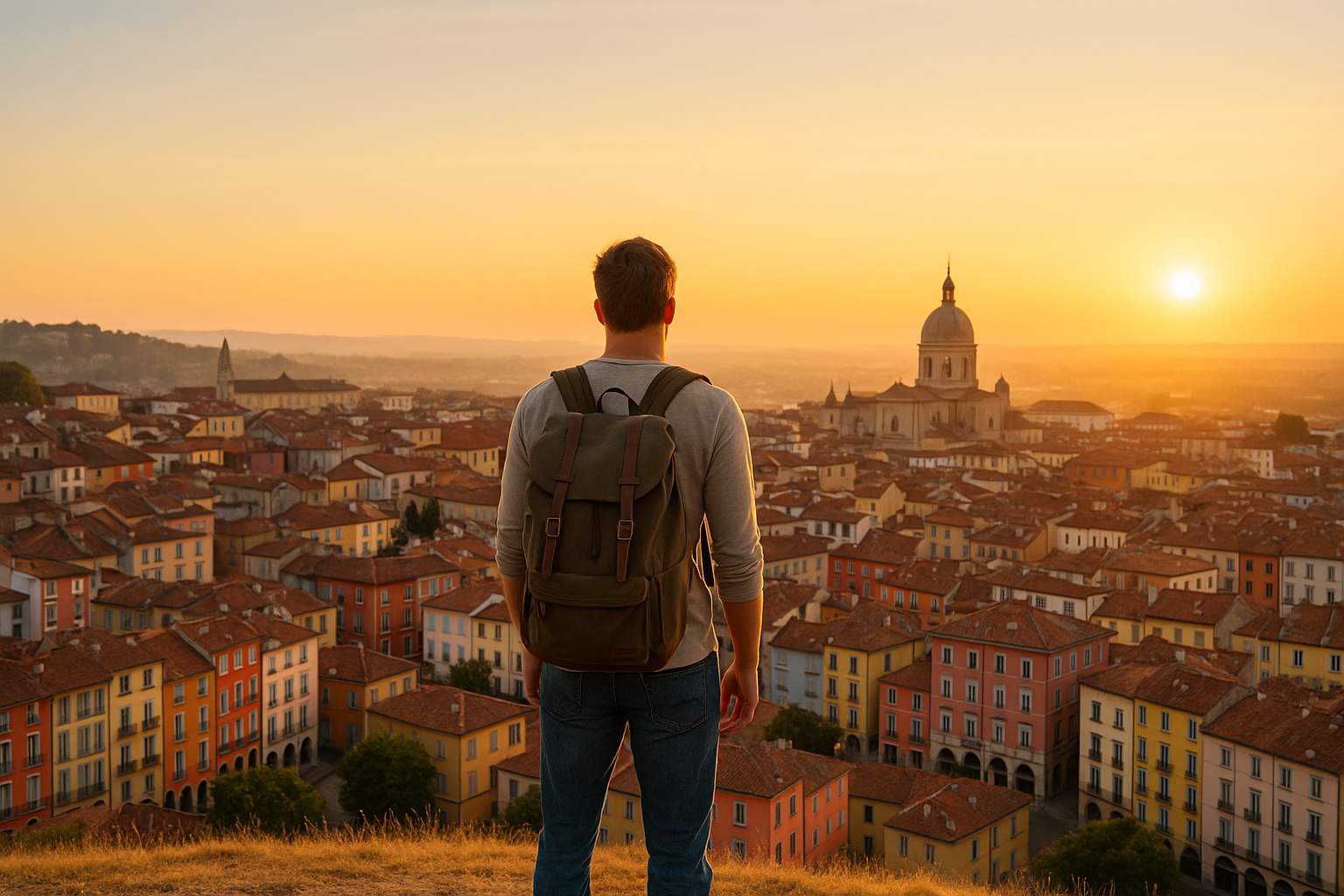
Why and where to go first
Solo travel means you control the plan: where to go, when to change it and which experiences matter most. Pick an easy first destination — think good public transport, walkable towns and a visible hostel/guesthouse culture — and you’ll cut friction and meet people faster.
Start small: a city with straightforward arrivals and short connections lets you build confidence before longer or more remote trips.
You can travel alone safely if you plan a few routines, stay aware, and keep a simple backup for money and contacts.
Planning checklist
Choosing accommodation
Accommodation for solos ranges from social hostels to private guesthouse rooms. If you want company, choose hostels that list events, free walking tours or communal kitchens. If you value privacy, book a private room at a hostel or a small guesthouse.
Look for reviews that mention "solo traveller" or describe staff friendliness. Prioritise location over the cheapest nightly rate — being near transport and a safe neighbourhood saves time and stress.
Safety basics
Quick dos and don'ts
Money and budgets
Money on the road: put your main card and some cash in one place and a backup card/cash somewhere else (hotel safe, hidden pouch). Solo travel often costs more per person — expect single-room rates, single-supplement fees for tours, and fewer split options for taxis.
Keep a small emergency cash stash separate from daily spending money. If a primary card is lost or blocked, your backup should get you to the next bank or embassy.
Ways to meet people
Enjoying time alone
Enjoying your own company is part of the fun. Eat at the bar, order small plates so you can try more, and sit where you can watch the room. Bring a notebook or an e-reader — solo time is perfect for journalling, planning or slow people-watching.
Schedule social activities and solitary ones. If you want company for an activity, ask at your hostel or use a group day trip; if you want quiet, choose a café with a view.
Connectivity and tech
Staying connected: buy a local eSIM or reliable roaming plan and download offline maps for areas with poor signal. Keep your phone charged with a power bank and carry a short charging cable that fits hostels and café outlets.
Share your live location only with trusted contacts and agree a check-in schedule. Note where public Wi‑Fi is available but avoid logging into sensitive accounts on unknown networks without a VPN.
Health and wellbeing
Photos solo
Take photos without a companion: bring a small tripod or tabletop stand and use the phone timer or Bluetooth shutter. Practice framing at home so you can set the camera quickly. If you ask a stranger to take a picture, hand them the phone with the camera already open and show them one example shot.
Try bar-seat portraits, reflections in windows, or a timed walking shot to show movement — variety makes the album feel less staged.