
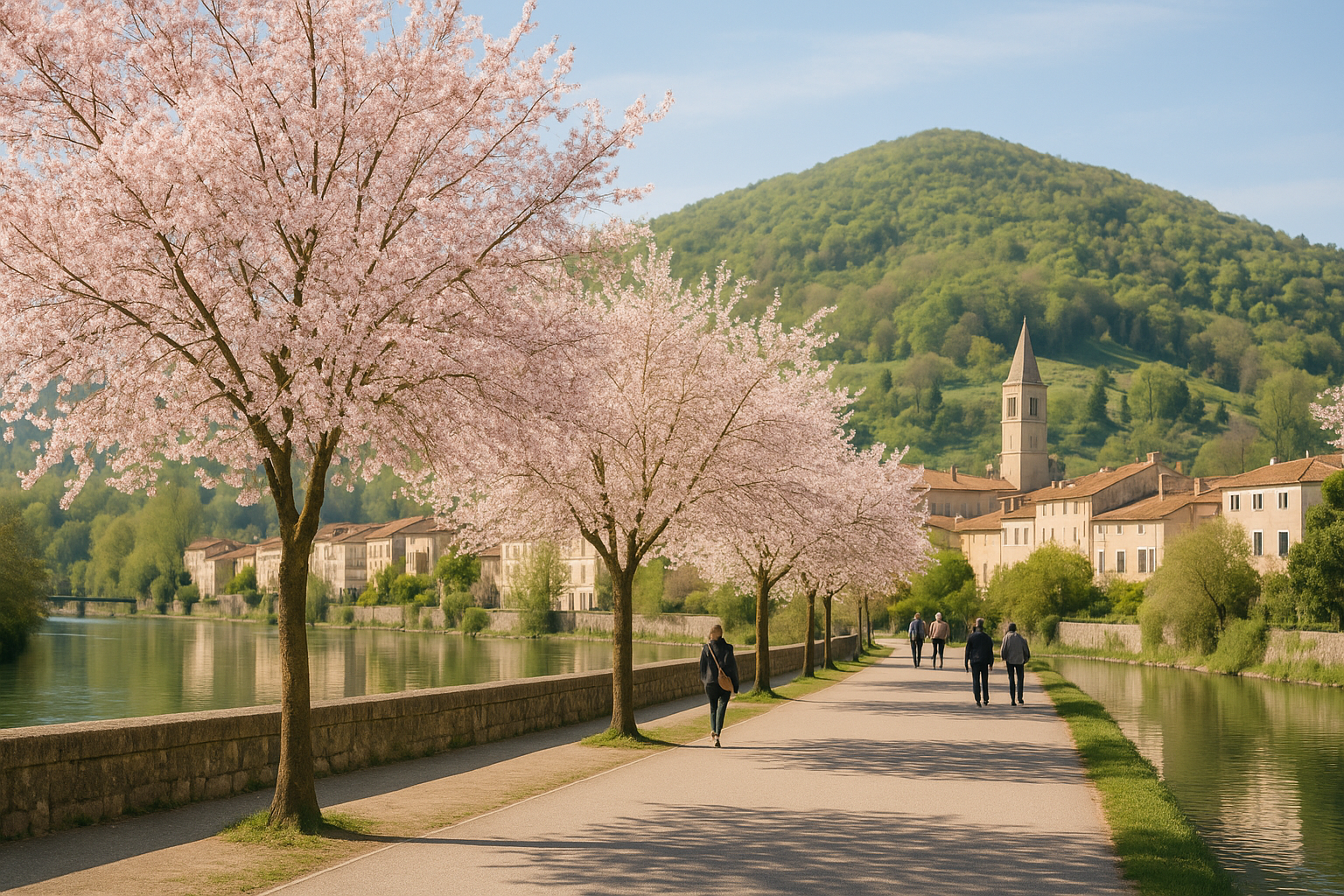
Why travel in spring?
Is spring a good time to travel? Yes — spring (March–May in the northern hemisphere; September–November in the southern hemisphere) is a classic shoulder season. Temperatures are generally milder than winter and not yet as hot or crowded as summer; landscapes are green and many places bloom.
That said, spring can be changeable: expect sun, showers and cool evenings in the same day, and check for local holiday weeks that push prices and visitor numbers up.
Spring brings blossoms, milder weather and fewer crowds — but watch holiday weeks and wildly changeable conditions.
What spring gives you
Watch the timing
Timing pitfalls to watch: Easter and other religious or national holiday weeks are mobile and differ by country — they often mean higher prices, crowded trains and closed shops or museums. School holidays in different countries also vary and can create local spikes.
Some seasonal services — ferries, mountain lifts, small museums and rural guesthouses — only reopen in April or May. Always check opening dates and local calendars before finalising plans.
What to do in spring
Hiking & mountains
Mountains and trails: snow can persist on high-altitude routes well into late spring. Lower-altitude valleys and coastal paths are usually open earlier. Check recent trail reports, park notices and local mountain guides before heading into alpine terrain.
Bring simple traction aids if you plan to cross uncertain patches of snow and always allow extra time — spring melt creates soggy ground and slippery rocks.
Weather realities
Weather in spring is famously changeable: a sunny morning can turn to heavy showers or a chilly evening. Spring storms are possible and tropical regions may already be entering a rainy season.
Use a reliable weather app for the area you’ll visit and check forecasts a few days before activities that depend on good conditions.
Packing checklist
Do's and don'ts
Allergies & pollen
Allergies and pollen: spring is peak pollen season in many places. Check pollen forecasts for your destination before you travel and during your trip. Pack antihistamines if you use them, bring sunglasses to keep pollen out of your eyes, and rinse nasal passages or change clothes after long outdoor days.
If you have severe allergies, consult your doctor before travel and carry any prescribed medication with you, including an action plan if required.
Booking tips
Flowers and festival timing
Festivals and blooms move with the weather. A warm spell can bring early blossoms; a late cold snap can delay everything. Instead of a fixed date, watch local bloom trackers, tourism boards, webcams and recent social media posts to pin down likely peak dates.
Remember many blossom festivals are tied to local customs or calendars, so timing and closures vary by place.
Final reminders
Quick final checklist: check local holiday and opening calendars, monitor the weather for the specific region, pack layers and waterproofs, carry basic allergy meds and sunscreen, and book around holiday weeks early. Spring rewards flexibility — plan a rough schedule but allow wiggle room for bloom dates, trail conditions and last-minute weather.
Enjoy the season: quieter places, fresh green scenery and active wildlife make spring one of the most satisfying times to travel if you plan for variability.